

Your Guide to the Ignition Knock Sensor for the 2016-2021 Mazda CX-3
Understanding knock sensor failure and choosing the right replacement for your CX-3's Skyactiv engine.
- A bad knock sensor on a CX-3 will trigger the Check Engine Light (code P0325) and cause poor performance and fuel economy.
- Replacement is labor-intensive because the sensor is located under the intake manifold, making professional installation recommended.
- No recalls are active for this specific part; failures are not a widespread, common issue.
- Choose a quality aftermarket brand like NGK (NTK) or Delphi to avoid repeating the expensive labor.
Is Your CX-3 Knock Sensor Failing?
A knock sensor failure is not a common issue on the Mazda CX-3, but it can happen. When it fails, the engine's computer loses its 'ears' for engine knock. To protect the engine, the computer will default to a 'safe mode'. This typically retards ignition timing, which reduces performance and fuel efficiency to prevent potential damage. You will feel this from the driver's seat.
Symptoms of a Bad Knock Sensor
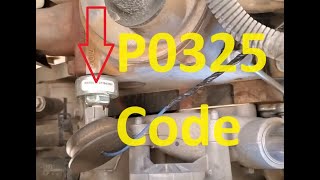
- Check Engine Light: This is the most common symptom. The computer will log a fault code, most often P0325, indicating a problem with the knock sensor circuit. 🎬 Watch: Understanding the P0325 code and how to fix it.
- Poor Acceleration: The vehicle will feel sluggish and less responsive because the engine computer has reduced power to protect the engine.
- Reduced Fuel Economy: The engine is no longer running at its most efficient, so you will notice a drop in your miles per gallon (MPG).
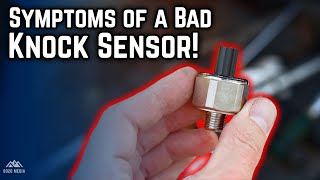
- Engine Pinging or Knocking: In some cases, you might hear a metallic pinging sound, especially when the engine is under load (like going up a hill). This is the sound the sensor is supposed to detect. 🎬 See this video for a breakdown of bad sensor symptoms.
Known Issues, Recalls, or TSBs
As of early 2026, there are no specific recalls or Technical Service Bulletins (TSBs) from Mazda or the NHTSA for ignition knock sensor failure on the 2016-2021 Mazda CX-3. While recalls exist for other issues like the rearview camera and suspension components, the knock sensor has not been identified as a widespread problem part.
Choosing the Right Aftermarket Knock Sensor
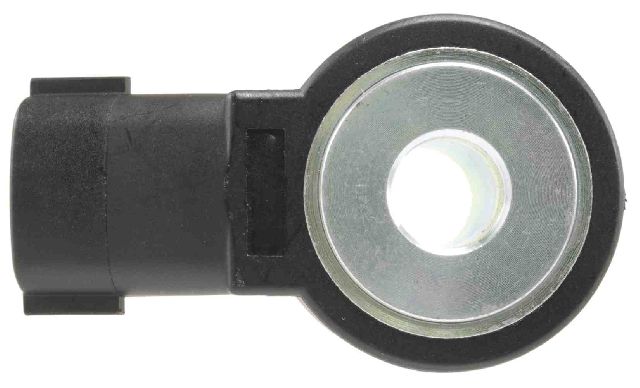
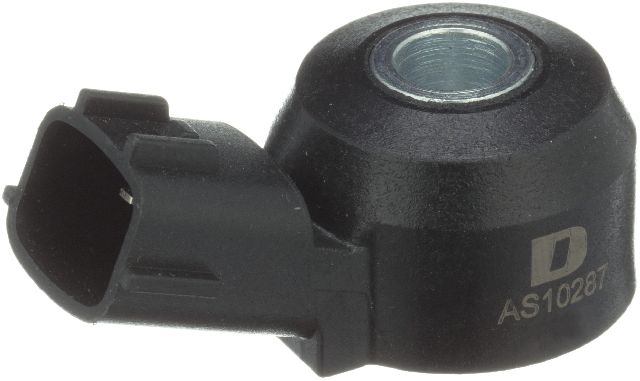
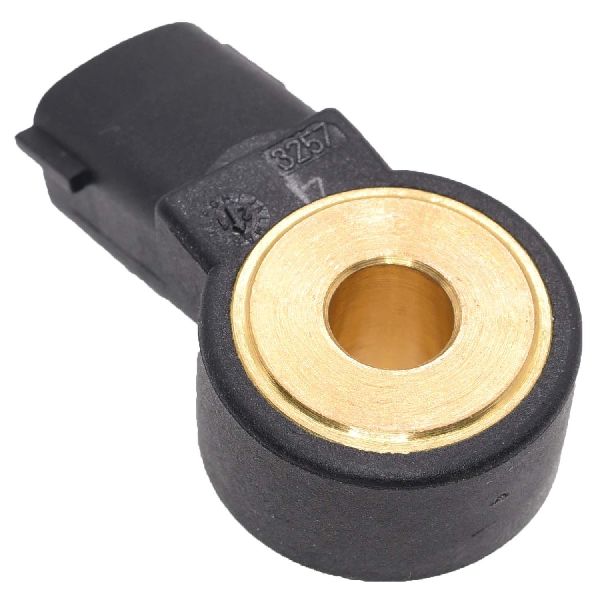
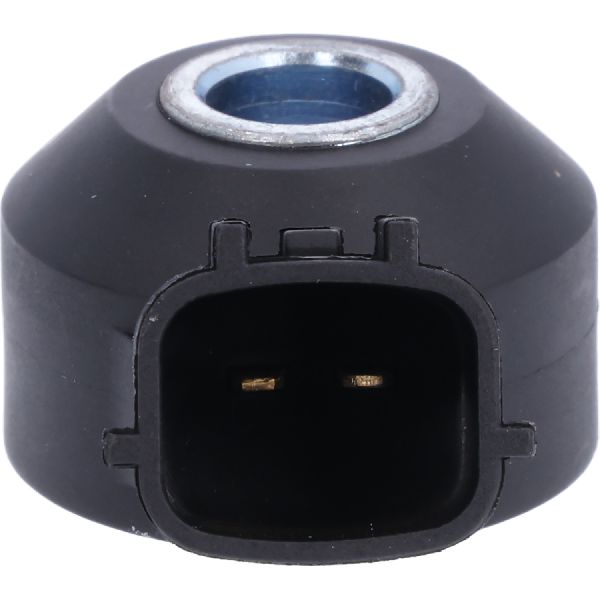
For a part like a knock sensor, quality is important. A cheap, poorly made sensor can fail quickly or provide inaccurate readings, leaving you with the same problems. Given that the labor to replace this part is expensive, it is wise to invest in a quality component. Here’s a breakdown of available brands:
Top Tier (OEM Quality): NGK (also sold under the NTK brand) is a well-regarded Japanese brand and is often the original equipment manufacturer for many automakers. They are widely considered a top-quality choice for sensors. Delphi is another major OEM supplier with a generally strong reputation for its electronics.
Mid-Tier (Reliable Aftermarket): Brands like Standard Ignition (SMP), Beck Arnley, and Walker Products are established aftermarket manufacturers that produce reliable parts. They offer a good balance of quality and value and are a dependable choice for this repair.
Entry-Level: Global Parts and Motorad fall into the more budget-friendly category. While functional, they may not have the same long-term durability or stringent quality control as the higher-tier brands.
Pro Tip
The knock sensor is located under the intake manifold on the CX-3's 2.0L engine. Because accessing it requires significant labor, it is highly recommended to replace the intake manifold gaskets at the same time to prevent vacuum leaks. Using a quality part from a top or mid-tier brand is a smart investment to avoid paying for the same labor twice.
Cost to Replace Your CX-3 Knock Sensor
The part itself is affordable, but the labor is where the cost lies. The location under the intake manifold makes this a more time-consuming job.
| Part Type | Estimated Cost |
|---|---|
| New Aftermarket Part | $31 - $65 |
| New OEM Mazda Part | $60 - $85 |
| Shop Labor | $250 - $400 |
| Total Estimated Cost | $281 - $465 |
Frequently Asked Questions (FAQ)
Can I drive my CX-3 with a bad knock sensor?
Yes, you can drive the vehicle, but it's not recommended for an extended period. The engine computer will reduce power to prevent damage, so your car will feel slow and get poor gas mileage. You should have it inspected and repaired to restore performance and prevent long-term engine stress.
Where is the knock sensor located on the 2016-2021 Mazda CX-3?
The knock sensor is bolted to the front of the engine block, underneath the plastic intake manifold. To replace it, the entire intake manifold assembly must be removed, which is why the repair is more labor-intensive than on many other vehicles.
Is replacing the knock sensor a DIY job?
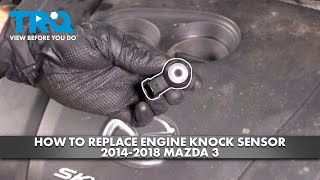
For most DIY mechanics, this is a challenging job. It requires removing the air intake system and the entire intake manifold. If you are not comfortable with that level of disassembly, it is best to leave this repair to a professional mechanic. 🎬 Watch: This 2.0L replacement walkthrough shows the labor involved. Incorrectly re-installing the intake manifold can cause vacuum leaks and other issues.
Do I need to use an OEM Mazda knock sensor?
While OEM is always a safe bet, a high-quality aftermarket sensor from a reputable brand like NGK/NTK or Delphi will perform just as well. Given the high labor cost, avoid the cheapest available options to ensure you don't have to do the job again.
Helpful Videos

Technical Specifications
OEM Part Numbers: PE01-18-921
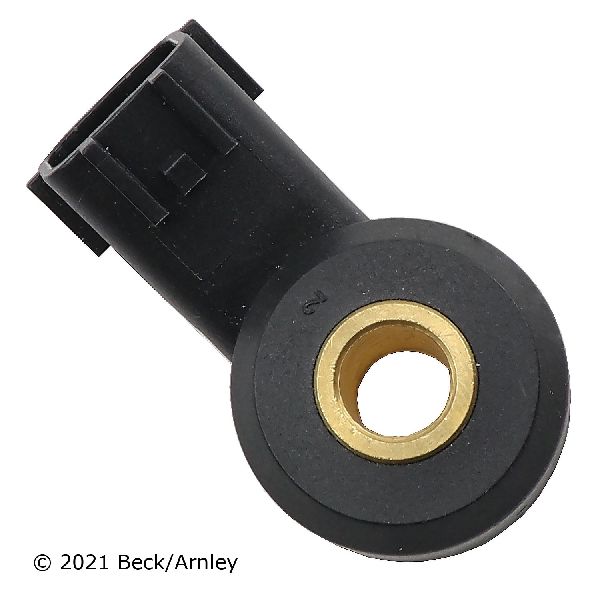
We Have This Part in Stock


The information in this article is provided for general reference and educational purposes only. Vehicle specifications, procedures, and part compatibility can vary by production date, trim level, and region. Always consult your vehicle's factory service manual and verify part numbers before purchasing or performing repairs. Safety-critical components such as airbags, seat belts, and braking systems should be installed by a qualified professional.
- Mazda CX-3: