

A Guide to Radiator and Coolant Hoses for the 2016-2022 Ford Expedition
If you own a 2016-2022 Expedition, understanding its complex cooling system is key to preventing major engine problems.
- Coolant leaks on the 2016-2022 Expedition are common, but often stem from brittle plastic connectors on heater and turbo hoses, not just the main radiator hoses.
- A sweet smell, dropping coolant level without a puddle, and overheating are all key symptoms of a coolant leak.
- Aftermarket brands like Gates are a reliable alternative to OEM, and some aftermarket parts offer upgraded materials like aluminum to replace failure-prone plastic.
- Replacing some hoses is DIY-friendly, but others are very difficult to access and may require significant labor, driving up repair costs.
Keeping Your Expedition's EcoBoost Cool


The 3.5L EcoBoost engine in the 2016-2022 Ford Expedition is a powerful motor, but it relies heavily on its cooling system to perform safely. While the main radiator hoses are durable, the cooling system has several known weak points that owners should be aware of. Many coolant leaks on this vehicle are not from the main radiator hose splitting, but from failing plastic components in the system.
Known Issue: Plastic Fittings and Connectors
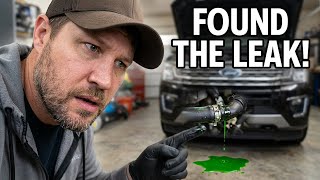
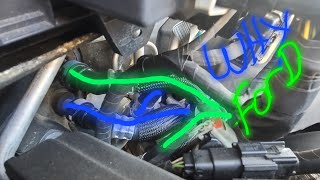
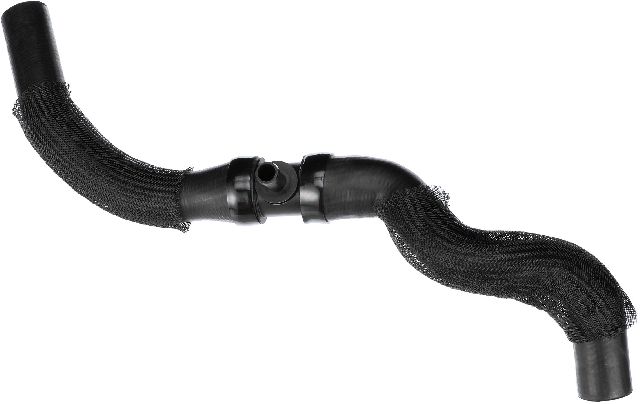
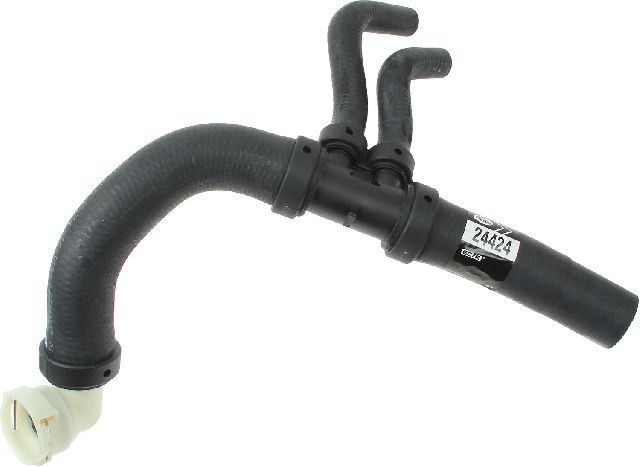
The most common sources of coolant leaks on this generation of Expedition are the plastic Y-fittings on the heater hoses and other quick-connect plastic parts. Over time, the high heat from the engine and turbos makes these plastic parts brittle, causing them to crack and leak. Often, a leak will drip onto a hot part of the engine or turbo and evaporate, making it hard to find until the coolant level is very low. When replacing hoses, 🎬 Watch this guide to identify and fix common heater hose leaks. it's a good practice to inspect all plastic connectors, even if they aren't leaking yet.
Choosing the Right Aftermarket Hose

When a coolant hose or connector fails, you have a choice between an original equipment (OEM) part from Ford or an aftermarket part. For this specific vehicle, the quality difference is not always straightforward.
- OEM (Motorcraft): These are the original parts your Expedition was built with. While they are a perfect fit, they may include the same plastic components that are prone to failure. Some owners have had repeat failures of plastic OEM fittings.
- Aftermarket (Gates): Quality aftermarket brands like Gates produce hoses that meet or exceed industry standards. Gates is a well-respected manufacturer, and many mechanics consider their products to be equivalent to OEM quality. In some cases, aftermarket companies offer improved designs, such as aluminum Y-connectors that replace the failure-prone plastic OEM parts.
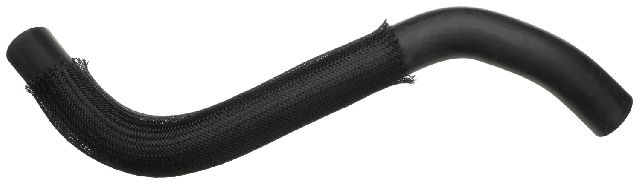
Pro Tip: When buying an aftermarket hose, it's always a good idea to compare the new hose with the old one before installation. Check that all the bends and connection points line up to ensure a proper fit and avoid issues.
Cost to Replace Expedition Coolant Hoses

The cost can vary widely depending on which hose is being replaced and who is doing the work. The complex heater hose assemblies are often more expensive in both parts and labor than a simple upper radiator hose.
| Part/Service | Estimated Cost |
|---|---|
| New OEM (Motorcraft) Hoses | $75 - $500+ |
| New Aftermarket (Gates) Hoses | $83.25 - $103.56 |
| Shop Labor | $200 - $1000+ |
Note: Labor costs can be high for certain hoses, like the heater hose assembly or turbo coolant lines, which are difficult to access. Prices are estimates and may vary.
Frequently Asked Questions

Was there a recall for Expedition coolant hoses?
No, there has not been a direct recall for defective radiator or heater hoses on the 2016-2022 Expedition. There was a recall for 2022-2024 models where the radiator hose stowage process at the factory could cause damage to a brake line, but this was not a recall of the hose itself.
How difficult is it to replace a radiator hose on my Expedition?
It depends on the hose. An upper radiator hose is generally straightforward for a DIYer with basic tools. However, the lower radiator hose can be difficult to access, often requiring removal of the front passenger wheel and fender liner. 🎬 See what to watch out for when replacing the lower hose. Heater hoses located at the back of the engine near the firewall are very challenging and may be best left to a professional. After any replacement, the cooling system must be properly filled and bled to remove air pockets.
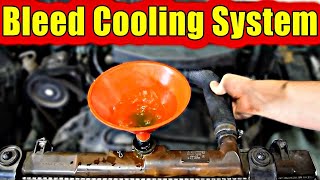
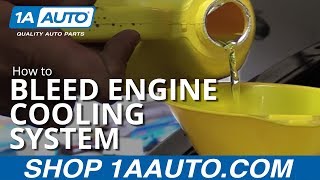
🎬 Learn how to properly bleed your cooling system by yourself.What type of coolant should I use?
Always use the coolant specified by Ford for your vehicle, which is typically Motorcraft Orange Pre-diluted Coolant. Using the wrong type of coolant can lead to corrosion and damage to the cooling system.
Should I replace my hoses as preventative maintenance?
Most mechanics recommend inspecting hoses during regular service and replacing them at the first sign of trouble (bulging, cracking, softness). Given the known issues with plastic fittings on the 3.5L EcoBoost, if you are nearing 80,000-100,000 miles, it is wise to proactively inspect the heater hose assembly and other plastic connectors for any signs of degradation.
Helpful Videos
Technical Specifications
OEM Part Numbers: JL1Z-18472-B JL1Z-18472-C
Hoses for the 3.5L EcoBoost V6 engine. Material is typically EPDM rubber with plastic or metal connectors. Requires Ford-specific Motorcraft Orange coolant.
We Have This Part in Stock

The information in this article is provided for general reference and educational purposes only. Vehicle specifications, procedures, and part compatibility can vary by production date, trim level, and region. Always consult your vehicle's factory service manual and verify part numbers before purchasing or performing repairs. Safety-critical components such as airbags, seat belts, and braking systems should be installed by a qualified professional.
- Ford Expedition: