

A Guide to Replacing the Alternator on Your 2016-2022 Toyota Highlander
Everything you need to know before buying a new aftermarket alternator for your Highlander.
- Verify your Highlander's required amperage (100A, 150A, or 180A) before purchasing a replacement.
- Denso is the OEM supplier and, along with Bosch, represents the highest quality aftermarket choice for reliability.
- There are no major recalls or TSBs for alternator failure on this generation, indicating the issue is not a widespread defect.
- Consider replacing your serpentine belt and testing your battery at the same time as the alternator replacement.
Understanding Alternator Failure in Your Highlander

The alternator is a key part of your Highlander's charging system. While Toyota built these vehicles to be reliable, the alternator is a wear-and-tear item that will eventually fail. Owners of 2016-2022 Highlanders have not reported widespread, premature alternator failures, and there are no active recalls or specific technical service bulletins (TSBs) for this part. However, as these vehicles age, failures will become more common. When it fails, you'll notice distinct symptoms that mean it's time for a replacement.
Signs of a Failing Alternator

A bad alternator will cause a variety of electrical problems. You should stop driving as soon as possible if you notice these signs, as your vehicle could shut down completely once the battery is drained.
- Battery Warning Light: The most common sign is a battery-shaped warning light on your dashboard. This light indicates a problem with the charging system, not necessarily the battery itself.
- Dim or Flickering Lights: Headlights and interior lights may dim, flicker, or become unusually bright as the alternator struggles to provide consistent voltage.
- Slow or Malfunctioning Electronics: You might notice power windows moving slowly, the radio acting up, or other electrical accessories failing.
- Whining or Grinding Noise: A failing alternator bearing can produce a whining or grinding sound from the engine bay that changes with engine speed.
- Dead Battery: If the alternator isn't recharging the battery, you'll find yourself with a car that won't start, even after a recent drive.
Check Your Amperage Before You Buy
The 2016-2022 Highlander uses different alternators depending on the year, engine, and trim level. Amperage ratings of 100A, 150A, and 180A are all possible. Always check the part number or specifications of your original alternator before ordering a replacement to ensure compatibility. Installing an alternator with the wrong amperage can cause charging issues.
Choosing the Right Aftermarket Alternator

When shopping for a new aftermarket alternator, you'll find several brands. Quality can vary significantly, so it's important to choose wisely. For a critical part like this, investing in a quality brand can save you from doing the job twice.
Brand Quality Tiers
- Tier 1 (OEM Quality): Denso, Bosch. Denso is the original equipment manufacturer for many Toyota parts, and their aftermarket units are considered the gold standard for reliability and fit. Bosch is another top-tier German brand known for excellent quality and performance. If your budget allows, choosing one of these two brands is your best bet for a long-lasting repair.
- Tier 2 (Good Value): Remy, BBB Industries. Remy is a well-known aftermarket brand with mixed reviews; some users report long life, while others have experienced premature bearing failure. BBB Industries is a major remanufacturer that supplies many auto parts stores and is generally considered a decent mid-range option.
- Tier 3 (Budget): WAI Global, MPA. These brands are typically the most affordable. However, user reviews for WAI Global are often negative, citing parts that were dead-on-arrival or failed quickly. MPA (Motorcar Parts of America) is a large supplier, but direct feedback is limited. Use budget brands with caution, as the potential for early failure might outweigh the initial savings.
New vs. Remanufactured
You will see both "new" and "remanufactured" alternators available. A new alternator is made with all-new components. A remanufactured unit has been rebuilt from an old alternator core, with wearable parts like bearings and brushes replaced. A high-quality remanufactured unit from a top brand like Denso or Bosch can be just as reliable as a new one and is a good way to save money.
Replacement Cost

The cost to replace the alternator on a 2016-2022 Highlander can vary. If you have it done at a repair shop, expect to pay for both the part and labor. Doing it yourself can save you a significant amount of money.
| Part/Service | Estimated Cost |
|---|---|
| New Aftermarket Part | $229 - $416 |
| New OEM Part | $524 - $616 |
| Shop Labor | $452 - $663 |
| Total Professional Replacement | $976 - $1,279 |
Frequently Asked Questions
Is replacing the Highlander's alternator a good DIY job?
For an experienced DIY mechanic, yes. The alternator is located at the top of the engine on the 4-cylinder model, making it relatively accessible. On the more common 3.5L V6, access is tighter. You will need to remove the serpentine belt and may need to move other components to get the alternator out. It requires a good set of metric sockets and wrenches. If you are not comfortable working in tight spaces or releasing belt tensioners, it's best to leave this job to a professional.
Should I replace the battery at the same time as the alternator?
It's a good idea to have your battery tested. A failing alternator can't properly charge a battery, and a deeply discharged battery can be damaged. If your battery is more than 3-4 years old, replacing it along with the alternator can prevent future starting problems. Many electrical issues on modern Highlanders are traced back to a weak battery, especially on models with auto start-stop technology.
Do I need to replace the serpentine belt?
Since you have to remove the serpentine belt to replace the alternator, it's the perfect time to inspect it for cracks, fraying, or glazing. If it shows any signs of wear or has over 60,000 miles on it, replacing it is a smart and inexpensive preventative measure.
What are the OEM part numbers for the 2016-2022 Highlander alternator?
OEM part numbers can supersede and vary by year and trim. Some common numbers include 27060-0P241-84, 27060-31162-84 (for 150A units on earlier models) and 27060-0P420 (for 100A units on later models). Always verify the exact part number for your vehicle's VIN before ordering.
Helpful Videos
Technical Specifications
OEM Part Numbers: 27060-0P241-84 27060-31162-84 27060-0P420 27060-31410
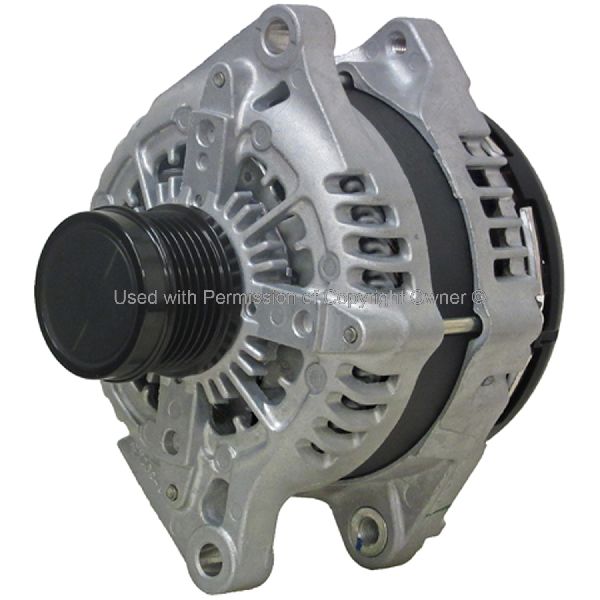
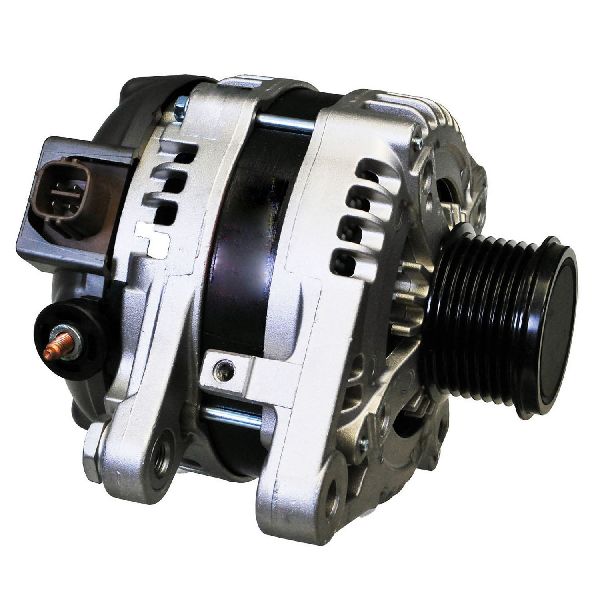
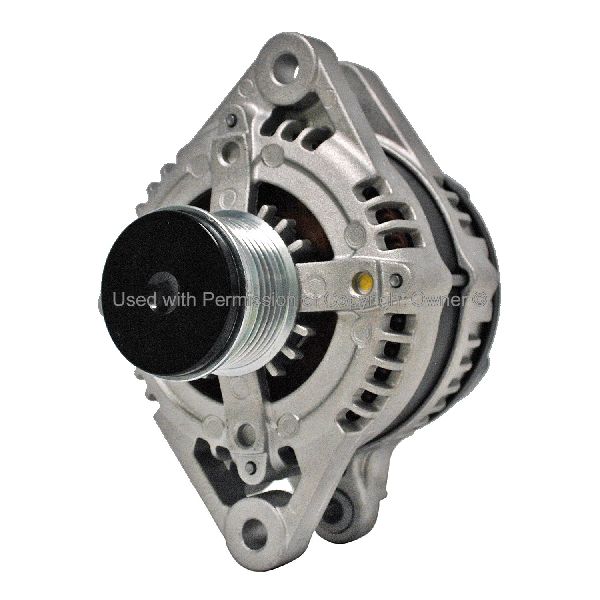
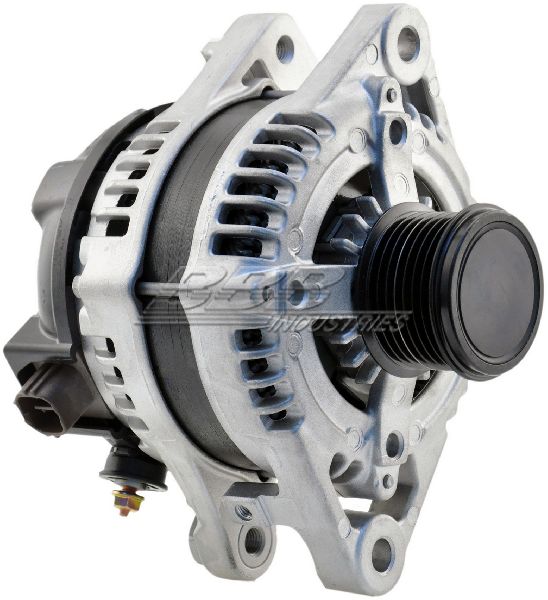
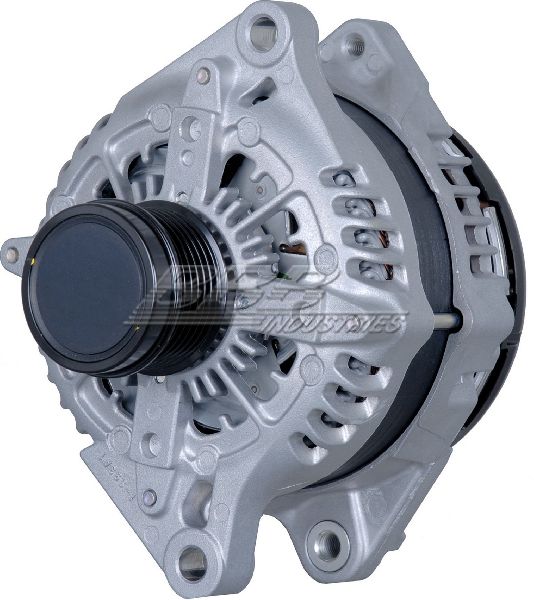
Amperage varies by model year and trim, with common ratings of 100A, 150A, and 180A. The alternator uses a 6 or 7-groove serpentine decoupler pulley.
We Have This Part in Stock


The information in this article is provided for general reference and educational purposes only. Vehicle specifications, procedures, and part compatibility can vary by production date, trim level, and region. Always consult your vehicle's factory service manual and verify part numbers before purchasing or performing repairs. Safety-critical components such as airbags, seat belts, and braking systems should be installed by a qualified professional.
- Toyota Highlander: