

A Land Rover Owner's Guide to the 2016-2024 Range Rover Engine Crankshaft Position Sensor
Diagnose and fix stalling, rough running, or no-start problems caused by this critical engine sensor.
- A bad crankshaft sensor can leave your Range Rover completely unable to start, so it's a critical repair.
- Common symptoms include engine stalling (especially when warm), rough idling, and a check engine light with codes P0335 or P0336.
- For this part, using an OEM or premium aftermarket brand like Delphi or Standard Ignition is strongly advised to avoid repeat failures.
- Replacement can be labor-intensive on some engines, so it's often best left to a professional mechanic.
Is Your Range Rover Stalling or Refusing to Start?
A faulty crankshaft position sensor is a common reason for a 2016-2024 Range Rover to develop serious running issues. When this sensor fails, it can't send the correct information to the engine's computer. This can happen suddenly, leaving you stranded. The most common signs are the engine cranking but not starting, stalling when the engine is warm, a rough idle, and a noticeable loss of power. You will almost always see the Check Engine light on your dashboard.
Choosing the Right Aftermarket Sensor: A Warning for Range Rover Owners
While aftermarket parts offer savings, the crankshaft position sensor is one component where quality is critical for a sophisticated vehicle like a Range Rover. Many owners and mechanics report that cheap, non-OEM sensors can fail quickly or not work at all, leading to the same problems. For sensitive electronics, sticking close to the original equipment (OE) quality is a wise investment.
Aftermarket Brand Quality Tiers
| Tier | Brands | Notes |
|---|---|---|
| OEM Supplier / Premium Aftermarket | Delphi, Standard Ignition | Delphi is a known OE supplier for many car manufacturers and claims its parts are built to original standards. Standard Ignition (Standard Motor Products) is generally regarded as a high-quality aftermarket brand that focuses on engineering parts to match OE performance. For a Range Rover, choosing from this tier is your most reliable aftermarket option. |
| Standard Aftermarket | Walker Products, Holstein | Walker Products and Holstein are established aftermarket brands that produce a wide range of sensors. They market their parts as meeting OE specifications and can be a good value, but for a critical sensor on a complex engine, they may be less consistent than premium brands. |
| Economy | Global Parts | This tier represents the most budget-friendly options. While tempting, these parts are best suited for older, less complex vehicles. Using an economy-grade sensor in a 2016-2024 Range Rover is not recommended due to the high risk of premature failure or incompatibility. |
Known Issues & Technical Bulletins
No safety recalls have been issued by the NHTSA for the crankshaft position sensor on the 2016-2024 Range Rover. However, a technical service document exists for some 3.0L TDV6 diesel engines (primarily non-US) noting that an updated sensor requires a new trigger wheel to be installed at the same time. This shows that part compatibility is extremely important.
Cost to Replace a Range Rover Crankshaft Position Sensor
The cost can vary depending on your engine and shop labor rates. The sensor itself is not always expensive, but it can be difficult to access.
| Part or Service | Estimated Cost |
|---|---|
| New Aftermarket Part | $35 - $164 |
| New OEM Part | $126 - $180 |
| Shop Labor | $85 - $250 |
| Total Professional Replacement | $120 - $414 |
Pro Tip: On some Range Rover engines, the sensor is located in a very tight spot that may require removing suspension components or heat shields to access, increasing labor time and cost. Always get a quote based on your specific engine model.
Frequently Asked Questions
Where is the crankshaft position sensor located on my Range Rover?
It is typically mounted to the engine block, down low near the transmission bell housing where it can read the spinning crankshaft or flywheel. On some models, it is notoriously difficult to reach, requiring a mechanic to remove other parts like a control arm or heat shields first.
Is this a difficult DIY job?
For most Range Rover models from this era, this is not a beginner-friendly job. Access is often very limited, and the work can be frustrating. Given the electronic sensitivity and difficult location, professional installation is recommended.
What happens if I don't replace a bad sensor?
You will continue to have problems like stalling, rough running, and poor fuel economy. Eventually, the sensor will fail completely, and your Range Rover will not start at all, leaving you stranded.
Do I need to perform a 'relearn' procedure after replacement?
For most vehicles, including the Range Rover, a specific relearn procedure is not required for the crankshaft sensor itself. The ECU will adapt to the new sensor's signal after starting the engine. However, some forum users debate this, and it's always best practice to clear any fault codes with a scanner after the repair is complete.
Technical Specifications
OEM Part Numbers: LR035561 C2Z17676 LR008876
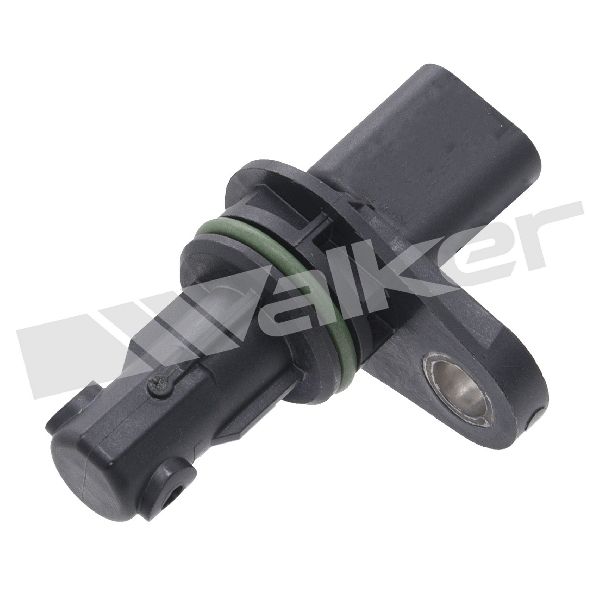
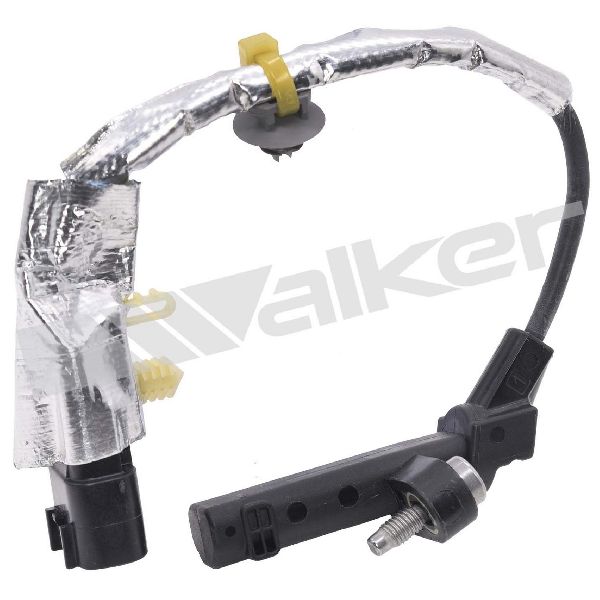
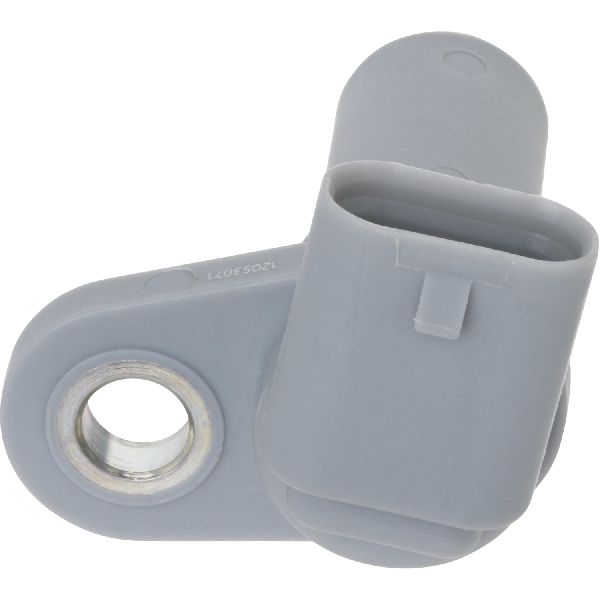
The sensor is typically a Hall Effect or magneto-resistive type that generates a digital square wave signal based on the passing teeth of a reluctor wheel on the crankshaft. It is a 3-pin sensor (power, ground, signal).
We Have This Part in Stock


The information in this article is provided for general reference and educational purposes only. Vehicle specifications, procedures, and part compatibility can vary by production date, trim level, and region. Always consult your vehicle's factory service manual and verify part numbers before purchasing or performing repairs. Safety-critical components such as airbags, seat belts, and braking systems should be installed by a qualified professional.
- Land Rover Range Rover:
- 🛍️ Shop This Part
- Is Your Range Rover Stalling or Refusing to Start?
- Choosing the Right Aftermarket Sensor: A Warning for Range Rover Owners
- Aftermarket Brand Quality Tiers
- Known Issues & Technical Bulletins
- Cost to Replace a Range Rover Crankshaft Position Sensor
- Frequently Asked Questions
- 🎟️ Get 5% Off