

Jeep Grand Cherokee (2017-2024) Engine Crankshaft Position Sensor: A Complete Guide
Solve stalling, no-start, and rough running issues in your Grand Cherokee by understanding this critical sensor.
- A failing sensor is a common cause of stalling or a no-start condition; do not drive the vehicle if you suspect it's bad.
- For reliability, choose an OEM (Mopar) or OEM-quality aftermarket brand like NGK/NTK or Delphi for this critical part.
- Owners of 3.0L Diesel models (2014-2020) must check for an open recall (NHTSA 23V411) related to the tone wheel, which causes identical symptoms.
- Replacement is a feasible DIY job for those comfortable working under the vehicle, requiring basic tools and about an hour of time.
Symptoms of a Failing Crankshaft Position Sensor

When the crankshaft sensor in your Grand Cherokee starts to fail, the engine's computer loses its most important piece of information. This leads to serious, noticeable problems. Look out for these common signs:
🎬 See a visual guide to these 7 common symptoms.- Engine Won't Start: The most common symptom is an engine that cranks but refuses to start. The computer doesn't see the engine turning, so it won't activate the spark or fuel systems. 🎬 Watch: Diagnosing a long crank and P0335 code.
- Sudden Stalling: Your engine might shut off unexpectedly while you are driving. This can happen without warning and is extremely dangerous, especially in traffic.
- Check Engine Light: A failing sensor will almost always trigger the check engine light. A code scanner will likely show the code P0335, which points directly to a problem with the crankshaft sensor circuit.
- Rough Idle and Misfires: The engine may shake, vibrate, or sound like it's stumbling at idle or while driving because the timing is incorrect.
- Poor Acceleration: Your Jeep may feel sluggish and lack power because the computer can't time the engine events properly for acceleration.
Recall Notice for 3.0L Diesel Engines
There is a major safety recall (NHTSA Campaign Number: 23V411) for 2014-2020 Jeep Grand Cherokee models with the 3.0L Diesel engine. The problem is not the sensor itself, but the tone wheel it reads, which can break apart. This causes a loss of signal and can lead to a sudden engine stall, mimicking a failed sensor. The fix is a software update from a Jeep dealer. If you own a 3.0L EcoDiesel, check your VIN on the NHTSA website to see if this recall applies to you.
Choosing the Right Aftermarket Sensor

For a part this critical, brand and quality matter. A cheap sensor that fails can leave you stranded. While OEM Mopar is always an option, several aftermarket brands offer excellent quality, sometimes from the same factory that makes the original part.
Pro Tip: For critical electronic parts like this, always choose a brand from Tier 1 or Tier 2. The small savings from a budget brand are not worth the risk of being stranded by a premature failure.
Tier 1: OEM-Quality Aftermarket (Recommended)
These brands are often the original suppliers to Mopar or have a reputation for equivalent quality and reliability. They are the safest bet outside of buying from the dealer.
- NGK / NTK: Frequently the original equipment manufacturer for Chrysler sensors. A top choice for reliability.
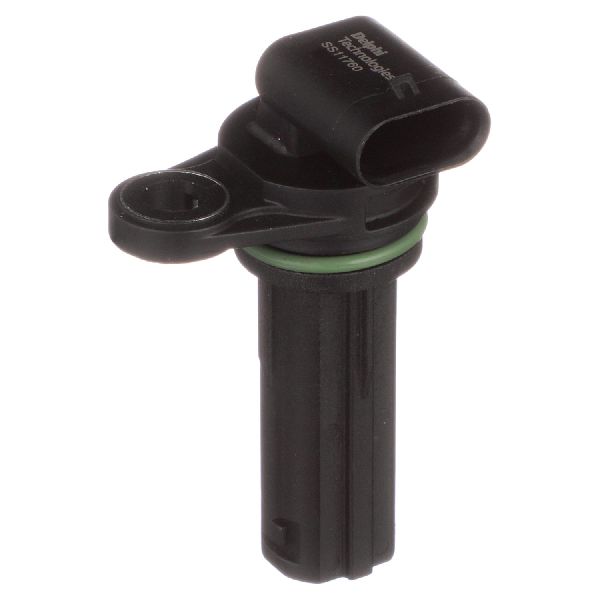
- Delphi: A well-respected OE supplier with a strong reputation for quality electronics.
- Standard Ignition (SMP): A trusted name in the aftermarket known for producing reliable sensors.
Tier 2: Quality Aftermarket
These brands are established aftermarket manufacturers that offer a good balance of price and performance. They are generally a solid choice for most repairs.
- Dorman: A huge aftermarket supplier. Quality can be variable, but they are a major player.
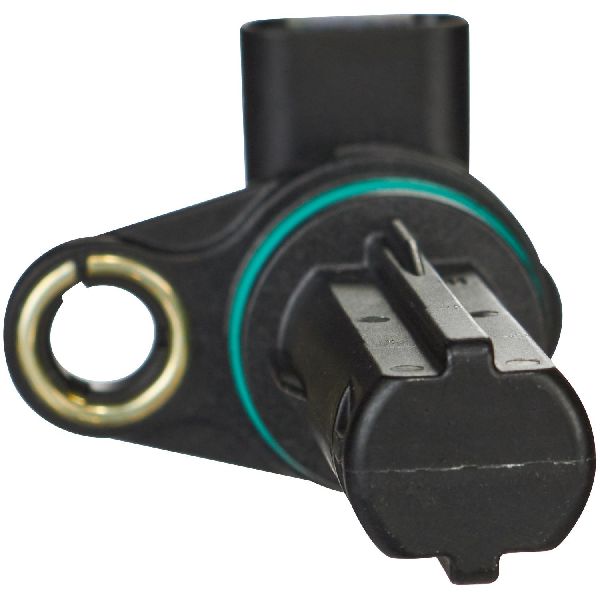
- Spectra: Known for fuel and engine management components, offering a dependable alternative.
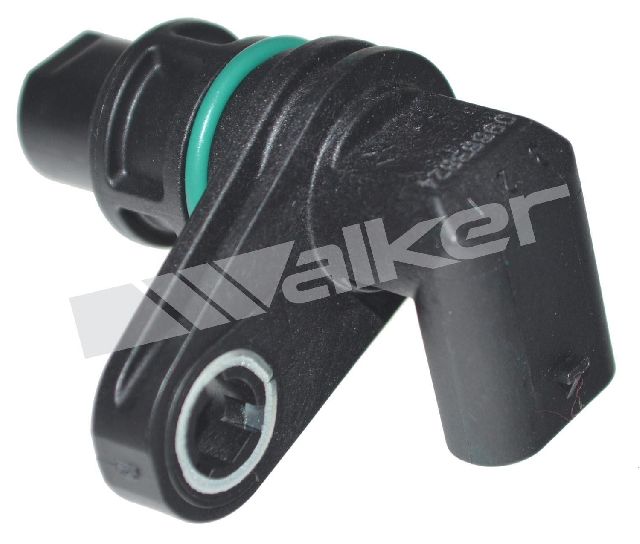
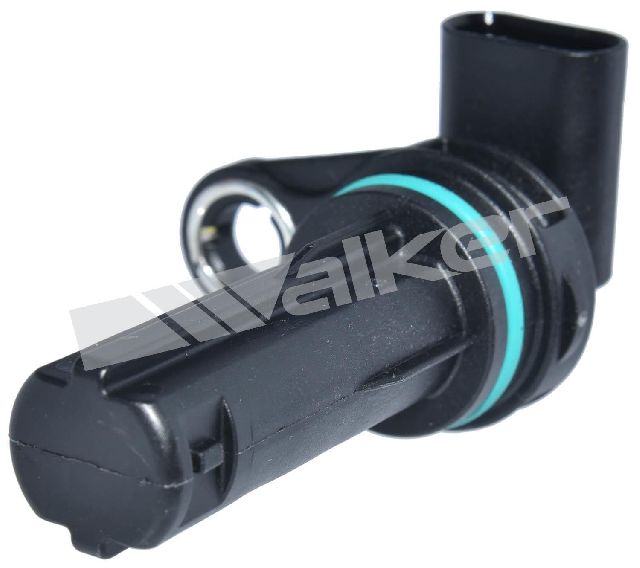
- Walker Products: A long-standing brand in the aftermarket for engine sensors.
Tier 3: Value-Oriented
These brands focus on affordability. While they meet fitment requirements, their long-term durability for a critical sensor like this can be a concern according to owner forums.
- Crown Automotive / Omix-Ada: Specialize in Jeep replacement parts and are often the most budget-friendly option.
- Encore Automotive, Global Parts, Holstein: These brands cater to the value end of the market.
Typical Replacement Costs

The cost to replace a crankshaft position sensor can vary based on who does the work and the brand of part you choose. The job is straightforward for a mechanic, typically taking under an hour.
| Part or Service | Estimated Cost |
|---|---|
| New OEM (Mopar) Part | $80 - $130 |
| New Aftermarket Part | $32 - $101 |
| Shop Labor | $75 - $150 |
| Total Professional Replacement | $110 - $250 |
Frequently Asked Questions (FAQ)

Where is the crankshaft sensor located on the Grand Cherokee?
On 2017-2024 Grand Cherokees with gas engines (3.6L or 5.7L), the sensor is on the lower passenger side of the engine block, near where the engine meets the transmission. You will need to access it from underneath the vehicle. It is typically held in by a single 10mm bolt.
Can I replace this sensor myself?
Yes, this is a very DIY-friendly job if you are comfortable safely jacking up your vehicle and working underneath it. It requires basic hand tools (a 10mm socket with extensions is key) and about an hour of your time.
🎬 Watch this step-by-step 3.6L V6 sensor replacement walkthrough.What happens if I don't replace a bad crankshaft sensor?
You should not drive with a faulty crankshaft sensor. The problem will only get worse, progressing from rough running to intermittent stalling, and will eventually lead to a no-start condition, leaving you stranded. The stalling is a serious safety risk.
Is a Mopar sensor really better than aftermarket for this part?
While a Mopar sensor is a guaranteed fit and quality, top-tier aftermarket brands like NTK and Delphi often manufacture the original part for Mopar. Choosing one of these brands can give you OEM quality without the dealer price tag. Avoid the cheapest options, as their reliability is questionable for such a critical component.
What's the difference between a crankshaft and a camshaft sensor?
They work together but measure different things. The crankshaft sensor tracks the rotation of the crankshaft at the bottom of the engine (main engine speed). The camshaft sensor tracks the rotation of the camshafts at the top of the engine to determine the position of the valves. Both are critical for engine timing.
Helpful Videos
Technical Specifications
OEM Part Numbers: 68079375AD 68079375AC 5149167AF 68569185AA
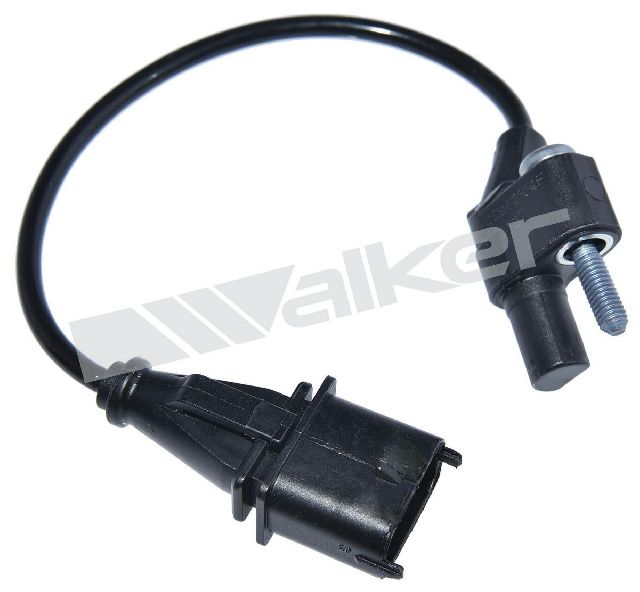
Typically a 3-pin Hall-effect sensor that reads the crankshaft's rotational speed and position from a tone wheel mounted on the crankshaft.
We Have This Part in Stock


The information in this article is provided for general reference and educational purposes only. Vehicle specifications, procedures, and part compatibility can vary by production date, trim level, and region. Always consult your vehicle's factory service manual and verify part numbers before purchasing or performing repairs. Safety-critical components such as airbags, seat belts, and braking systems should be installed by a qualified professional.
- Jeep Grand Cherokee: