

Jeep Wagoneer (2022-2024) Engine Coolant Temperature Sensor: A Complete Guide
Is your Wagoneer's temperature gauge acting up or engine overheating? Here’s what you need to know before replacing the sensor.
- The modern Jeep Wagoneer is a 2022-2024 model; parts for older 'Wagoneer' vehicles will not fit.
- Overheating on 3.0L Hurricane engines is often due to a faulty thermostat, not the sensor. Check for TSB 25-047 before replacing parts.
- A bad ECT sensor can cause a check engine light, poor fuel economy, and overheating.
- For best results, use an OEM Mopar sensor or a top-tier aftermarket brand like Delphi to ensure compatibility.
A Note on Vehicle Years
This guide applies to the modern Jeep Wagoneer (WS platform) produced from the 2022 model year onward. The user prompt mentioned 2017-2024, but the Wagoneer was reintroduced in 2022. Parts intended for older Jeep models will not fit.
Is It Your Sensor or the Thermostat? A Common Wagoneer Issue
Before you replace the ECT sensor, be aware of a known issue with 2022-2024 Wagoneers, especially those with the 3.0L I6 Hurricane engine. Many owners report engine overheating, erratic temperature gauge readings, and check engine lights. While these are classic symptoms of a bad ECT sensor, there is a Technical Service Bulletin (TSB) that identifies the engine thermostat as the likely cause.
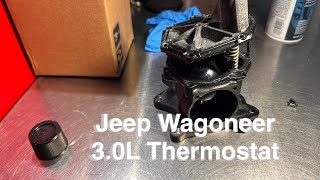
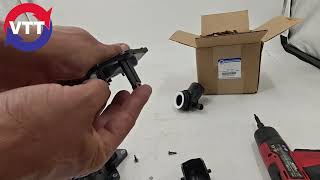
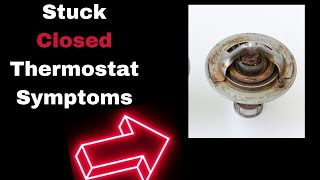
TSB Alert: TSB 25-047 addresses engine overheating 🎬 Watch this walkthrough of the Wagoneer 3.0L overheating repair. messages in 2022-2024 Wagoneers with the 3.0L Hurricane engine. The bulletin states the cause is a faulty thermostat that can fail in the closed position, preventing coolant flow and causing the engine to overheat. 🎬 Learn the main symptoms of a thermostat stuck closed. The repair is to replace the thermostat, a more involved job than replacing the sensor. 🎬 See how to install a new Hurricane engine thermostat. Always check with a dealer or qualified mechanic to see if this TSB applies to your vehicle before spending money on a sensor you may not need.
Symptoms of a Failing ECT Sensor
If the thermostat is not the culprit, your ECT sensor may be failing. Look for these common signs:
- Check Engine Light: The most common sign is a check engine light. A code scanner may show codes like P0115, P0117, P0118, or P0128.
- Engine Overheating: If the sensor fails to report a high temperature, the cooling fans may not turn on, leading to overheating.
- Inaccurate Temperature Gauge: The gauge on your dashboard may read unusually high, low, or not move at all.
- Poor Fuel Economy: A faulty sensor might incorrectly tell the ECU the engine is cold. The computer then enriches the fuel mixture, wasting gas.
- Black Smoke from Exhaust: A very rich fuel mixture can result in black smoke coming from the tailpipe.
- Rough Idle or Hard Starting: The wrong temperature reading can affect fuel and timing calculations, causing poor engine performance, especially at idle or during startup.
Choosing the Right Aftermarket Sensor for Your Wagoneer
When it comes to electronic sensors, quality matters. While saving money is tempting, a cheap, unreliable sensor can cause performance issues and lead to more diagnostic headaches. Here’s a breakdown of available brands.
Pro Tip: Many experienced mechanics recommend using OEM (Mopar) sensors on modern, computer-heavy vehicles like the Wagoneer to guarantee compatibility. If you choose aftermarket, stick to reputable brands known for being original equipment suppliers.
Tier 1: OEM-Equivalent Quality
Delphi: Delphi is a well-respected brand that is often an Original Equipment (OE) supplier to many automakers. Their sensors are generally considered high-quality, direct-fit replacements. However, always double-check the part number, as some users have reported fitment issues with connectors or threads on other vehicle models.
Tier 2: Reliable Aftermarket Options
Standard Ignition (SMP): Standard is a major manufacturer that produces a wide range of engine management parts. They emphasize quality control and testing. They are a solid choice, though some reviews on other parts have noted minor fitment issues like connector locking tabs not engaging perfectly.
Walker Products: Walker is another established brand in the aftermarket with a reputation for producing reliable sensors.
Tier 3: Budget-Friendly Options
Dorman, Beck Arnley, Holstein, Global Parts, Motorad: These brands offer a more budget-conscious choice. Dorman is known for making a vast array of parts, but quality can sometimes be inconsistent according to some mechanics. Beck Arnley often re-packages parts from various sources, which can sometimes be the original OE part. For these brands, read reviews carefully and be prepared for the possibility of a less-than-perfect fit or shorter lifespan compared to premium options.
| Part Type | Estimated Cost |
|---|---|
| New Aftermarket | $19.37 - $61.44 |
| New OEM (Mopar) | $47.00 - $155.00 |
| Shop Labor (Sensor Only) | $90 - $180 |
Frequently Asked Questions
Can I replace the Wagoneer's ECT sensor myself?
Yes, this is often a DIY-friendly job for those with basic mechanical skills. The sensor is typically located near the thermostat housing and is accessible from the top of the engine. The job usually takes less than an hour. You will need a deep socket, and some coolant may spill, so have a drain pan ready.
What happens if I ignore a bad ECT sensor?
Ignoring it is not recommended. You could experience progressively worse fuel economy and performance. The most serious risk is the engine overheating without warning, which can lead to severe and expensive engine damage like a warped cylinder head.
Where is the ECT sensor located on the Jeep Wagoneer?
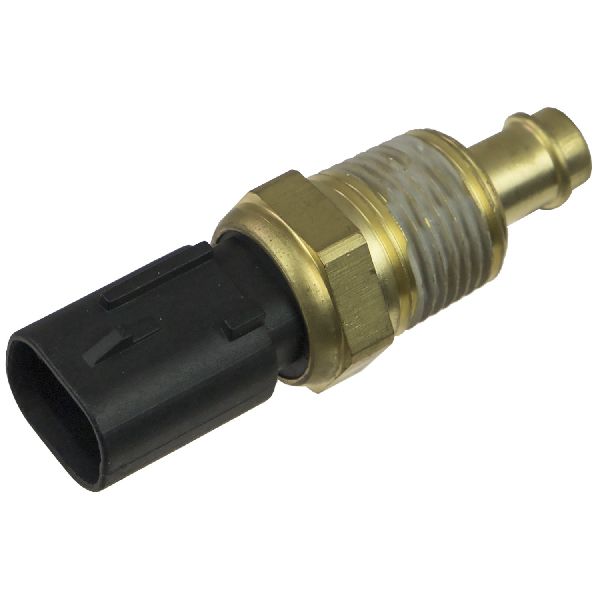
On most modern engines, including those in the Wagoneer, the ECT sensor is screwed into the thermostat housing or a coolant passage on the cylinder head. It will have an electrical connector attached to it.
Should I just buy an OEM Mopar sensor?
For a critical sensor on a complex, modern vehicle, choosing an OEM part is the safest bet to avoid compatibility issues. Forum discussions often show that mechanics and experienced owners prefer Mopar sensors for Jeeps to avoid chasing problems caused by a faulty aftermarket part. If your budget allows, it's a worthwhile investment in peace of mind.
Helpful Videos
Technical Specifications
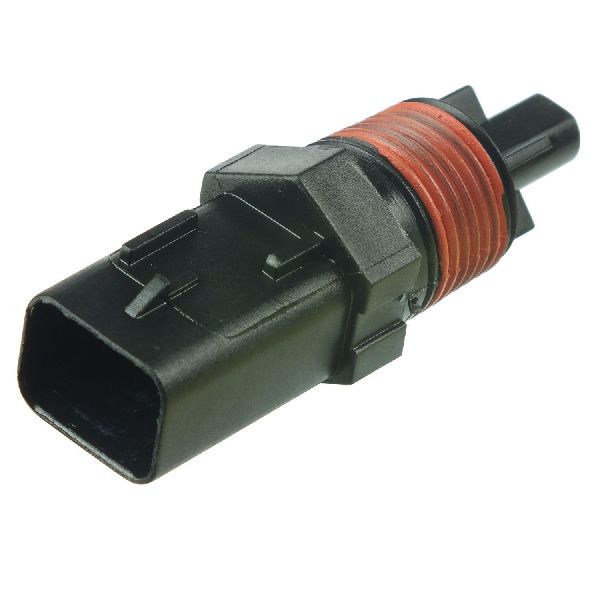
OEM Part Numbers: 5149077AB 68224451AA 68446342AA
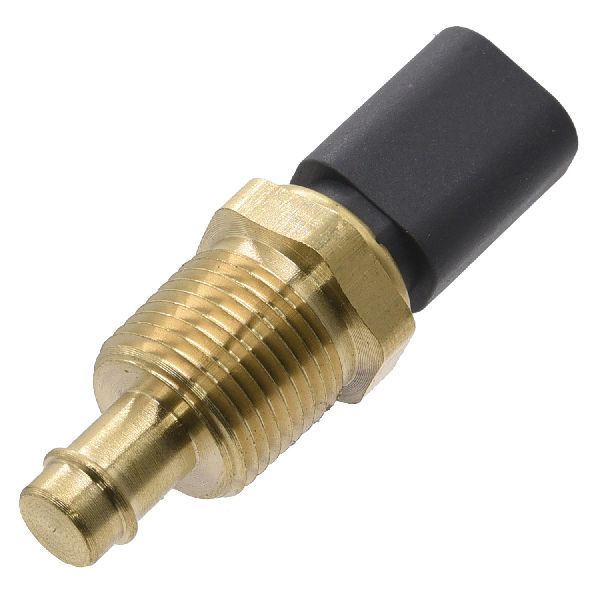
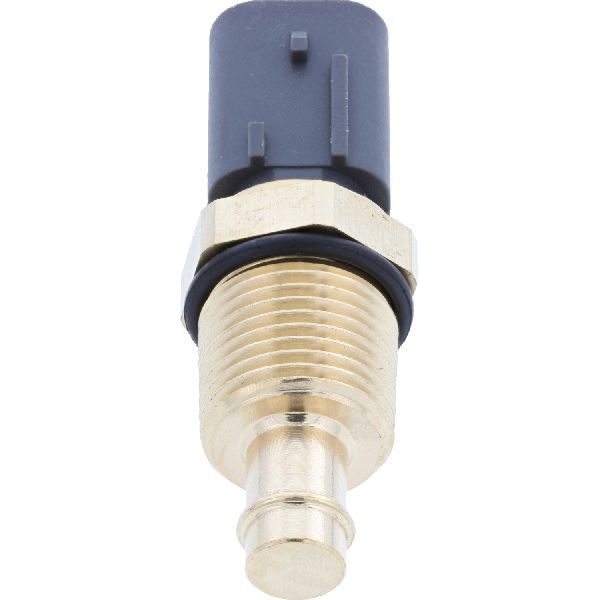
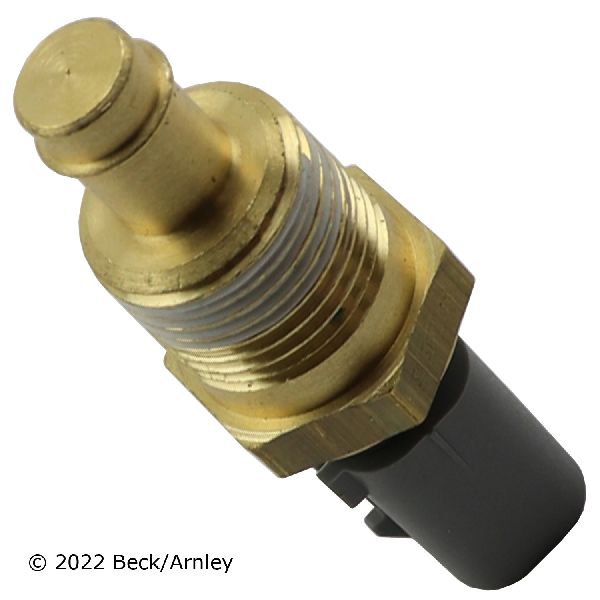
The Engine Coolant Temperature (ECT) sensor is a thermistor, meaning its electrical resistance changes with temperature. It is typically made of brass and plastic with a 2-pin electrical connector. It screws into a coolant passage, usually near the thermostat housing.
We Have This Part in Stock


The information in this article is provided for general reference and educational purposes only. Vehicle specifications, procedures, and part compatibility can vary by production date, trim level, and region. Always consult your vehicle's factory service manual and verify part numbers before purchasing or performing repairs. Safety-critical components such as airbags, seat belts, and braking systems should be installed by a qualified professional.
- Jeep Wagoneer:
- 🎬 Helpful Videos
- 🛍️ Shop This Part
- A Note on Vehicle Years
- Is It Your Sensor or the Thermostat? A Common Wagoneer Issue
- Symptoms of a Failing ECT Sensor
- Choosing the Right Aftermarket Sensor for Your Wagoneer
- Tier 1: OEM-Equivalent Quality
- Tier 2: Reliable Aftermarket Options
- Tier 3: Budget-Friendly Options
- Frequently Asked Questions
- 🎟️ Get 5% Off