

A Guide to Oxygen Sensor Replacement for the 2020-2024 Lincoln Aviator
Diagnose and fix poor fuel economy and check engine lights by understanding your Aviator's oxygen sensors.
- A bad oxygen sensor will almost always trigger a Check Engine Light and cause poor fuel economy.
- For the 2020-2024 Aviator, there are no specific O2 sensor recalls; failures are typically from normal wear.
- Aftermarket brands like Bosch and Walker offer significant savings over OEM parts, with professional replacement costs varying widely between independent shops and dealers.
- It is critical to order the correct sensor for the specific location (Upstream/Downstream, Left/Right Bank) as they are not interchangeable.
Is Your Aviator Running Rough or Losing Fuel Mileage?
A failing oxygen sensor is a common reason for a check engine light and other performance problems on many vehicles, including the Lincoln Aviator. Because these sensors live in the harsh environment of the exhaust stream, they wear out over time from heat and contamination. Ignoring a bad sensor can lead to wasted fuel, failed emissions tests, and potentially expensive damage to your catalytic converters.
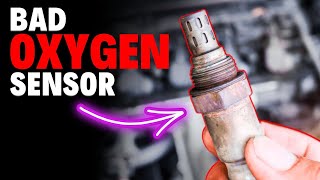
🎬 Watch: Learn the common signs and symptoms of a bad sensor.Check Engine Light Warning
A solid check engine light for an O2 sensor code means you should get the vehicle checked soon. However, if the check engine light is flashing, it signals a more serious problem, like a severe engine misfire. A flashing light means you should pull over safely and avoid driving the vehicle to prevent catalytic converter damage.
Choosing the Right Aftermarket Oxygen Sensor
When replacing an O2 sensor, you don't have to buy the expensive dealership part. Quality aftermarket brands offer reliable performance, often at a much lower price. For your 2020-2024 Lincoln Aviator, here’s how the available brands generally stack up:
- Premium Aftermarket (Bosch): Bosch is a world leader in oxygen sensor technology and an original equipment manufacturer for many brands. They are known for quality, reliability, and long life, often lasting up to 90,000 miles. Choosing Bosch is the closest you can get to OEM quality.
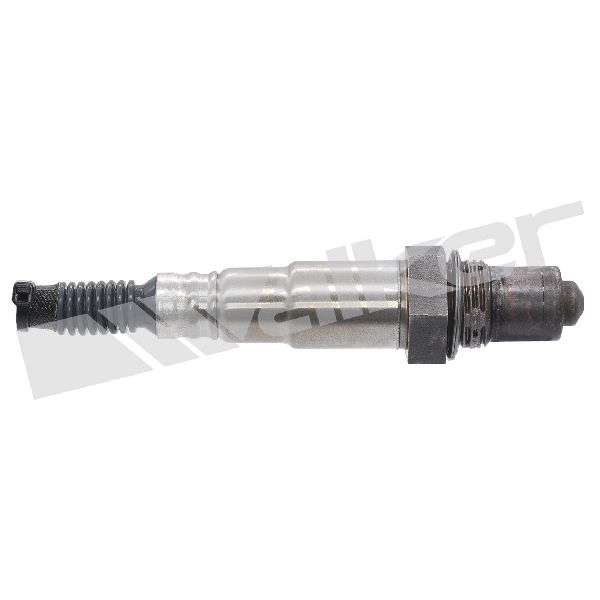
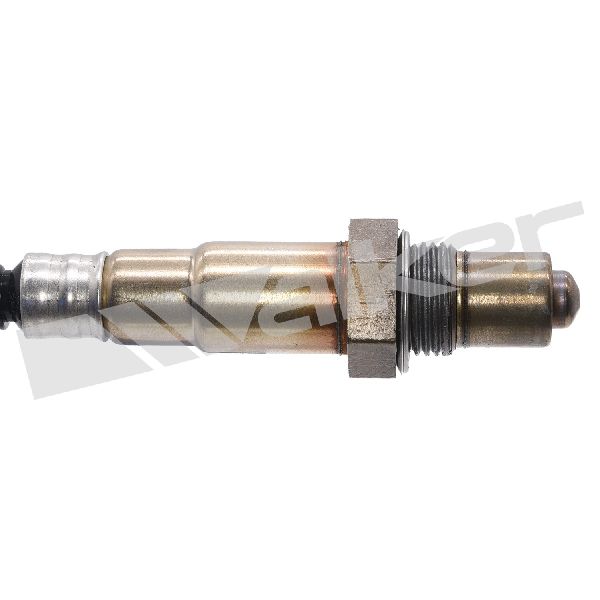
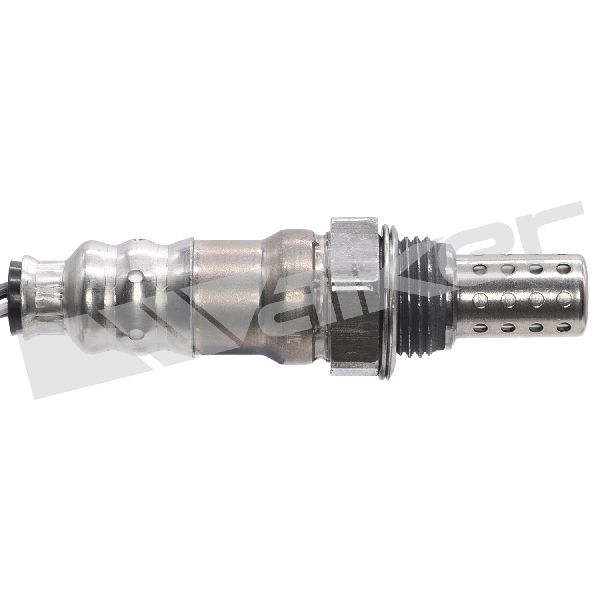
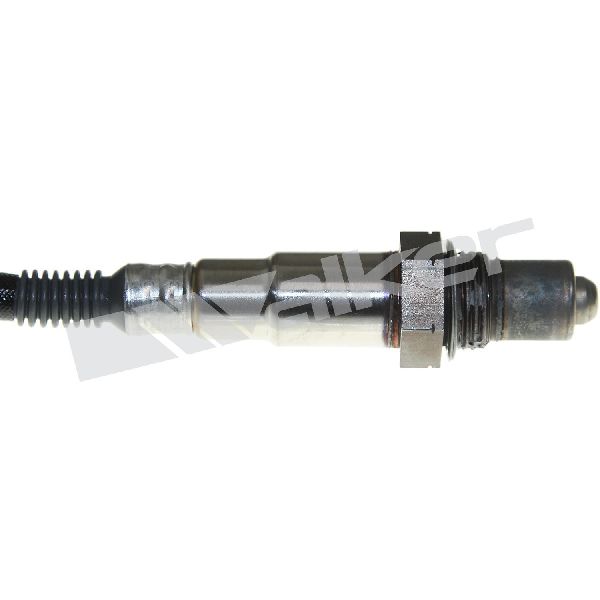
- Quality Aftermarket (Walker Products): Walker is a well-regarded aftermarket brand that produces reliable, vehicle-specific sensors. Some forum users note that Walker may use sensor components from OE suppliers like Denso, making them a solid and budget-friendly choice.
Common Ordering Mistake
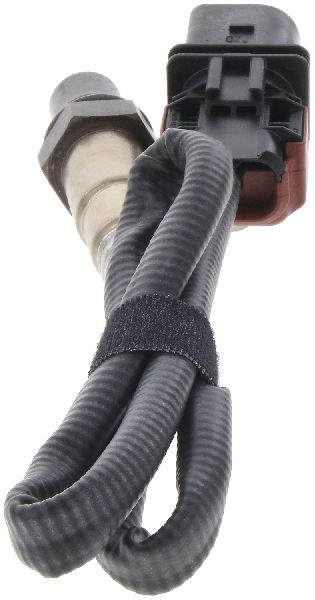
Your Aviator's 3.0L V6 engine has four oxygen sensors: two upstream (Bank 1 Sensor 1, Bank 2 Sensor 1) and two downstream (Bank 1 Sensor 2, Bank 2 Sensor 2). These sensors are not interchangeable. They have different wire lengths and sometimes different connectors. Always verify the exact location (like "Upstream Right" or "Downstream Left") before ordering to avoid getting the wrong part.
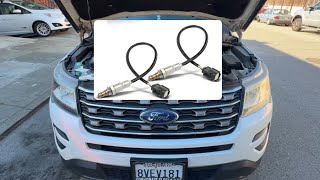
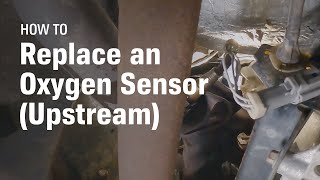
🎬 See this step-by-step walkthrough for replacing an upstream oxygen sensor.Known Issues, Recalls, and Service Bulletins
As of early 2026, there are no specific recalls or widespread Technical Service Bulletins (TSBs) from Lincoln for oxygen sensor failures on the 2020-2024 Aviator. While recalls exist for other components like the backup camera and body trim, the O2 sensors have not been identified as a systemic problem requiring a recall. Any failure is typically due to normal wear and tear.
| Item | Estimated Cost |
|---|---|
| New Aftermarket Sensor (DIY) | $71.98 - $150.94 (per sensor) |
| New OEM Sensor (Part Only) | $120 - $570 (per sensor) |
| Shop Labor | $150 - $720 |
| Total Professional Replacement | $220 - $1290+ |
Note: Costs are estimates. The high end of the range often reflects dealership pricing, which can be significantly more than an independent repair shop.
Frequently Asked Questions
How many oxygen sensors does the Lincoln Aviator have?
The 2020-2024 Lincoln Aviator with the 3.0L V6 engine has four oxygen sensors: two upstream (before the catalytic converters) and two downstream (after the catalytic converters).
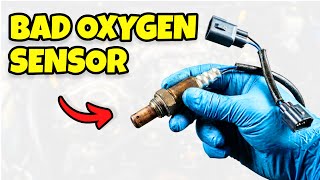
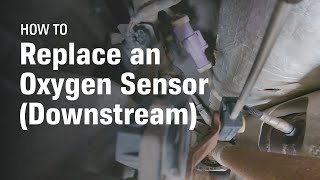
🎬 Watch: A helpful guide on how to replace downstream sensors.Why is the dealership quote for replacement so high?
Dealerships charge a premium for parts and labor. RepairPal estimates a dealer replacement could be over $1,000, which may include diagnostic time and higher OEM part costs. Independent shops using quality aftermarket parts are often significantly cheaper.
Can I replace just one oxygen sensor?
Yes. You only need to replace the sensor that has failed. A mechanic will use a scan tool to identify which specific sensor is causing the issue. However, since sensors wear at a similar rate, some mechanics recommend replacing them in pairs (both upstream or both downstream) on higher-mileage vehicles.
What are the common error codes for a bad O2 sensor?
While codes can vary, common O2 sensor-related DTCs (Diagnostic Trouble Codes) include P0131/P0151 (Sensor Circuit Low Voltage - Bank 1/2), P0132/P0152 (Sensor Circuit High Voltage - Bank 1/2), and codes related to slow response or heater circuit malfunctions. A code only points to the circuit; it doesn't always mean the sensor is bad, but it is the most common cause.
Helpful Videos

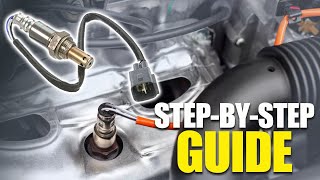
Technical Specifications
OEM Part Numbers: L1MZ-9F472-B DY-1529 DY-1530
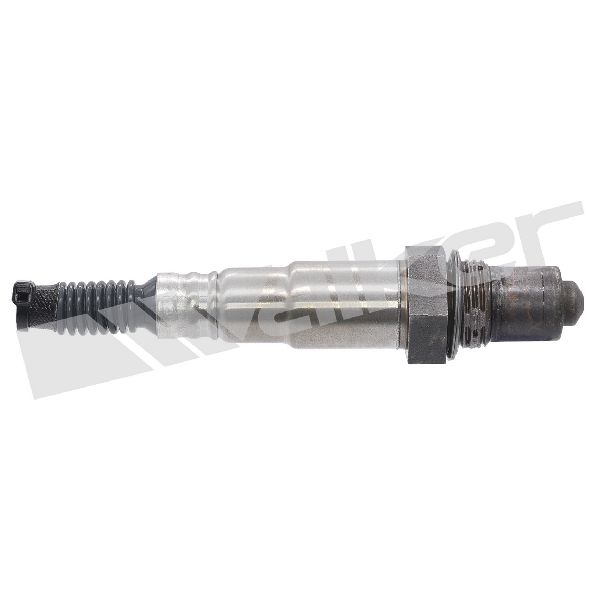
The 3.0L V6 engine uses four heated, 4 or 5-wire oxygen sensors. Upstream sensors are wide-band air-fuel ratio types for precise fuel control, while downstream sensors are used for monitoring catalyst efficiency.
We Have This Part in Stock

The information in this article is provided for general reference and educational purposes only. Vehicle specifications, procedures, and part compatibility can vary by production date, trim level, and region. Always consult your vehicle's factory service manual and verify part numbers before purchasing or performing repairs. Safety-critical components such as airbags, seat belts, and braking systems should be installed by a qualified professional.
- Lincoln Aviator: