

A Guide to Replacing Brake Pads on the 2020-2025 Audi Q5
Stop dealing with excessive brake dust and noise by choosing the right aftermarket brake pads for your Q5.
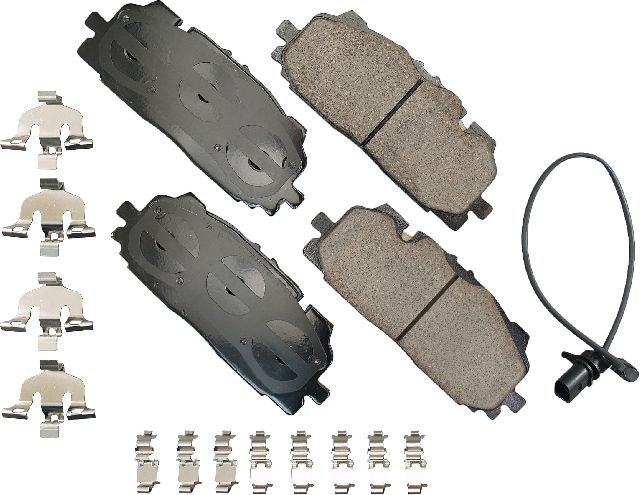
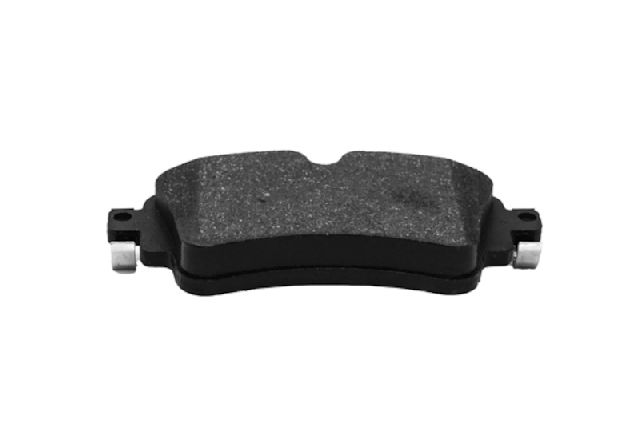
- To significantly reduce brake dust, choose ceramic aftermarket pads from brands like Akebono.
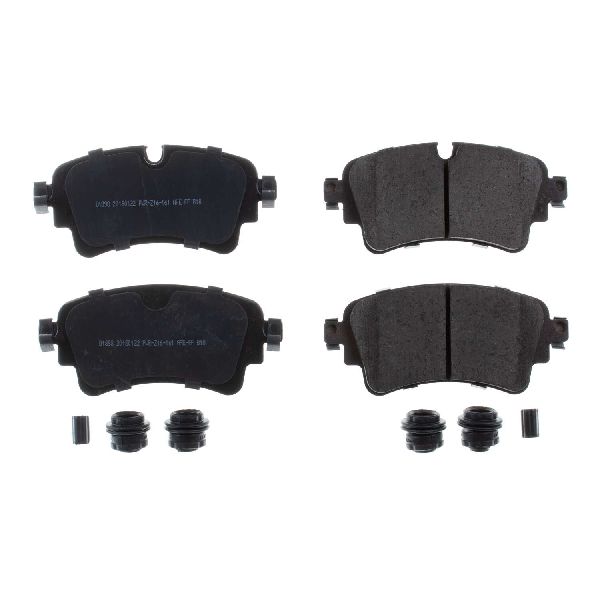
- Replacing the rear brake pads requires a diagnostic scan tool to put the Electronic Parking Brake (EPB) into service mode.
- Always replace the brake pad wear sensors when you install new pads to ensure the warning system functions correctly.
- For the 2020 model year, check your vehicle's production date, as the rear brake pads changed mid-year.
Symptoms of Worn Brake Pads

Your Audi Q5 will give you clear signs when it's time for new brake pads. Ignoring them can lead to more expensive repairs. The most common symptom is a high-pitched squealing or screeching sound when you apply the brakes. If you hear a deep, metallic grinding noise, it means the pads are completely worn out, and you are causing damage to the brake rotors. Another obvious sign is the brake pad warning light on your dashboard, which is triggered by a built-in wear sensor. You might also notice that your Q5 takes longer to stop than it used to.
Choosing the Right Aftermarket Brake Pads

One of the most common complaints from Q5 owners is the large amount of brake dust produced by the original equipment (OEM) pads. While OEM pads, often made by brands like Textar or Pagid, offer excellent initial bite, aftermarket options can provide similar performance with less dust and noise.
A Note on Brake Dust and Noise
Factory-installed semi-metallic brake pads on performance vehicles like the Q5 are designed for aggressive stopping, but this often results in significant brake dust and occasional low-speed groaning or squeaking noises. This is often considered normal. Switching to a ceramic compound is the most effective way to reduce dust.
Brand Tiers for Your Audi Q5
- Premium Ceramic (Low Dust): Brands like Akebono are highly recommended by Audi owners for their ability to drastically reduce brake dust while providing smooth, quiet stopping power. They may have a slightly less aggressive initial bite than OEM pads, but overall performance is excellent for daily driving.
- OEM-Equivalent: If you want to maintain the original factory feel, look for pads from ATE, Pagid, Textar, or Brembo. These companies are often the original suppliers to Audi. They will perform just like the pads your car came with, which includes producing noticeable dust.
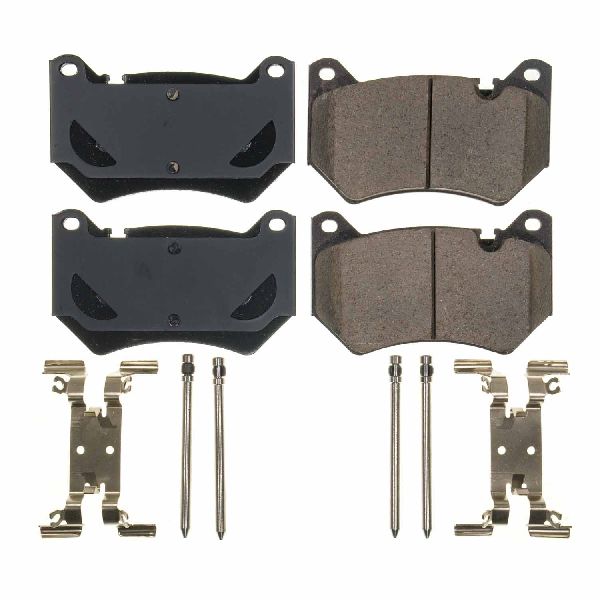
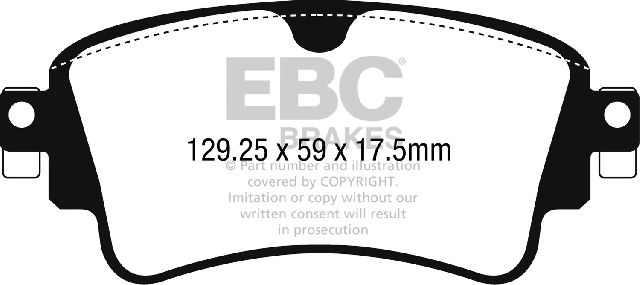
- Performance-Focused: Brands like EBC Brakes and Powerstop offer pads designed for more aggressive, performance-oriented driving. These can provide increased stopping power, but may also come with more dust or noise, similar to the OEM pads.
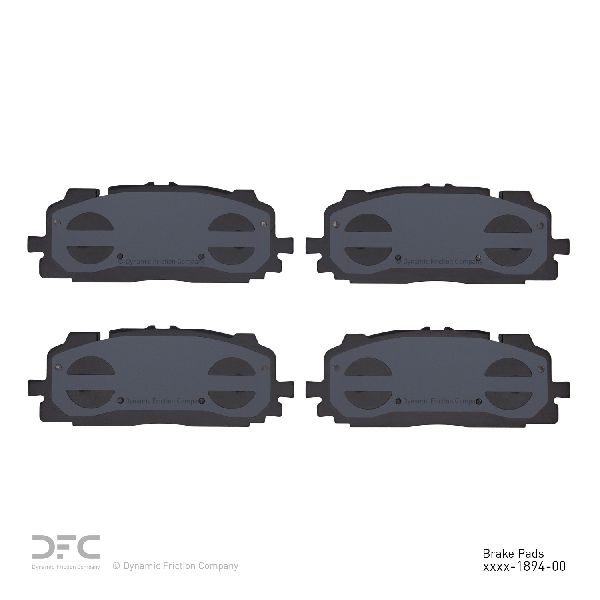
- Daily Driver/Value: Reputable brands like Bosch, Centric, Dynamic Friction, and Raybestos offer quality pads that meet or exceed standard requirements. They are a reliable and cost-effective choice for normal daily use.
The Rear Brakes Require a Special Tool
Your 2020-2025 Audi Q5 has an Electronic Parking Brake (EPB). To replace the rear brake pads, you MUST use a diagnostic scan tool to put the rear calipers into a special 'service mode'. Attempting to push the caliper piston back without this tool will damage the electronic motor inside the caliper, leading to a costly repair. This is the most critical step for any DIY replacement.
Cost of Replacing Audi Q5 Brake Pads
| Part Type | Estimated Cost (Parts Only) | Notes |
|---|---|---|
| New Aftermarket (Value) | $35 - $80 | Good for basic needs. Brands like Centric, Dynamic Friction. |
| New Aftermarket (OEM-Equivalent/Ceramic) | $80 - $150 | Recommended for most owners. Brands like Akebono, ATE, Bosch, Textar. |
| New Aftermarket (Performance) | $120 - $345 | For spirited driving. Brands like Brembo, EBC, Powerstop. |
| New OEM | $405 - $409 (per axle) | Dealer pricing for original parts. |
| Shop Labor | $131 - $192 (per axle) | Typical independent shop labor costs. Dealer labor can be significantly higher. |
Known Issues, Recalls, and TSBs
While there are no recalls specifically for brake pads on the 2020-2025 Q5, some earlier models in the generation (2018-2019) were recalled for issues with the master cylinder and caliper pistons. Additionally, Audi has issued Technical Service Bulletins (TSBs) for brake noise issues, such as squealing or groaning at low speeds. These bulletins often acknowledge the noise and sometimes suggest updated pad materials or procedures to address it.
Frequently Asked Questions (FAQ)

Do I have to replace my brake rotors with the pads?
It is highly recommended. Dealerships and many independent shops will insist on replacing rotors and pads together. Installing new pads on worn rotors can cause noise, vibration, and reduced performance. For best results, always replace them as a set.
What is a brake pad wear sensor and do I need to replace it?
Your Q5 has electronic wear sensors, typically on the front-left and rear-right brakes. When the pad wears down, the sensor makes contact with the rotor, completes a circuit, and triggers a warning light on your dash. The sensor is destroyed in the process and must be replaced with the brake pads. Many aftermarket pad sets include new sensors.
Why are there different rear brake pads listed for the 2020 model year?
Audi made a change to the rear brake system part numbers around January 2020. It is very important to verify your vehicle's production date when ordering rear brake pads for a 2020 Q5 to ensure you get the correct parts.
Can I replace the brake pads myself?
Yes, if you are an experienced DIY mechanic. However, replacing the rear pads requires a specific diagnostic scan tool to retract the electronic parking brake (EPB). Failure to use this tool will result in damage. The front pads can be replaced with standard brake tools.
Helpful Videos
Technical Specifications
OEM Part Numbers: 8W0698451R 8W0698451BG 80A698451D 8W0698451L 8R0698151L
Pad materials include ceramic and semi-metallic. The system uses electronic wear sensors. Rear calipers feature an integrated Electronic Parking Brake (EPB) motor.
We Have This Part in Stock

The information in this article is provided for general reference and educational purposes only. Vehicle specifications, procedures, and part compatibility can vary by production date, trim level, and region. Always consult your vehicle's factory service manual and verify part numbers before purchasing or performing repairs. Safety-critical components such as airbags, seat belts, and braking systems should be installed by a qualified professional.
- Audi Q5:
- 🎬 Helpful Videos
- 🛍️ Shop This Part
- Symptoms of Worn Brake Pads
- Choosing the Right Aftermarket Brake Pads
- A Note on Brake Dust and Noise
- Brand Tiers for Your Audi Q5
- The Rear Brakes Require a Special Tool
- Cost of Replacing Audi Q5 Brake Pads
- Known Issues, Recalls, and TSBs
- Frequently Asked Questions (FAQ)
- 🎟️ Get 5% Off