

1990-1994 Lexus LS400 Front Upper Control Arm: Diagnosing Clunks and Steering Wander
Your definitive guide to identifying bad front upper control arms, choosing a quality used replacement, and understanding the repair for the first-generation LS400.
- The most common symptom of failure is a 'clunking' noise from the front suspension when going over bumps.
- Worn front upper control arm bushings are a very common issue on the 1990-1994 LS400.
- A low-mileage used OEM control arm is often a superior choice to a cheap new aftermarket part due to better material quality.
- A four-wheel alignment is mandatory after replacing the control arms to prevent unsafe handling and rapid tire wear.
Symptoms of a Failing Front Upper Control Arm
A failing front upper control arm on the 1990-1994 LS400 typically gives clear warning signs. The failure is almost always due to the rubber bushings cracking and deteriorating or the built-in ball joint wearing out. Listen and feel for these specific symptoms:
- Clunking or Popping Noises: This is the most common symptom. You may hear a distinct 'clunk' or 'pop' from the front suspension when driving over small bumps, dips, or driveway transitions. The noise occurs as the worn bushings allow the metal arm to shift and make contact with its mounting points.
- Steering Wander or Looseness: The steering may feel vague, imprecise, or 'loose'. You might find yourself constantly making small corrections to keep the car driving straight, as the worn components allow the wheel alignment to shift dynamically.
- Vibrations: Worn control arm components can cause vibrations felt through the steering wheel, especially at higher speeds. This is a result of the wheel assembly not being held securely in place.
- Uneven Tire Wear: Inspect your front tires. Accelerated wear on the inside or outside edges is a strong indicator that the wheel alignment is incorrect, often caused by a bad control arm.
Pro Tip: Similar clunking noises can also be caused by worn sway bar bushings or strut rod bushings, which are less expensive to replace. It's wise to inspect these components before condemning the control arms.
Known Issues, TSBs, and Recalls
The front upper control arms are a widely recognized weak point on the first-generation (UCF10) Lexus LS400. The original rubber bushings tend to dry out, crack, and fail, often well before 100,000 miles, leading to the classic front-end clunk. The ball joint is integrated into the arm, meaning the entire assembly must be replaced if the ball joint develops excessive play.
As of early 2026, there are no specific recalls or Technical Service Bulletins (TSBs) from Lexus or the NHTSA for the front control arms on the 1990-1994 LS400. The issue is considered a normal, albeit common, wear-and-tear item.
Compatibility Note: The same front upper control arms are used on all 1990-1994 Lexus LS400 models, regardless of whether the vehicle was equipped with the standard coil suspension or the optional factory air suspension. The mounting points on the chassis and steering knuckle are identical.
Buying a Used 1990-1994 LS400 Control Arm
For this specific vehicle, a high-quality, low-mileage used OEM control arm is often a better choice than a new, inexpensive aftermarket part. The original Lexus parts used superior rubber compounds and metallurgy, which many budget replacements cannot match. Here’s what to look for when buying a used arm:
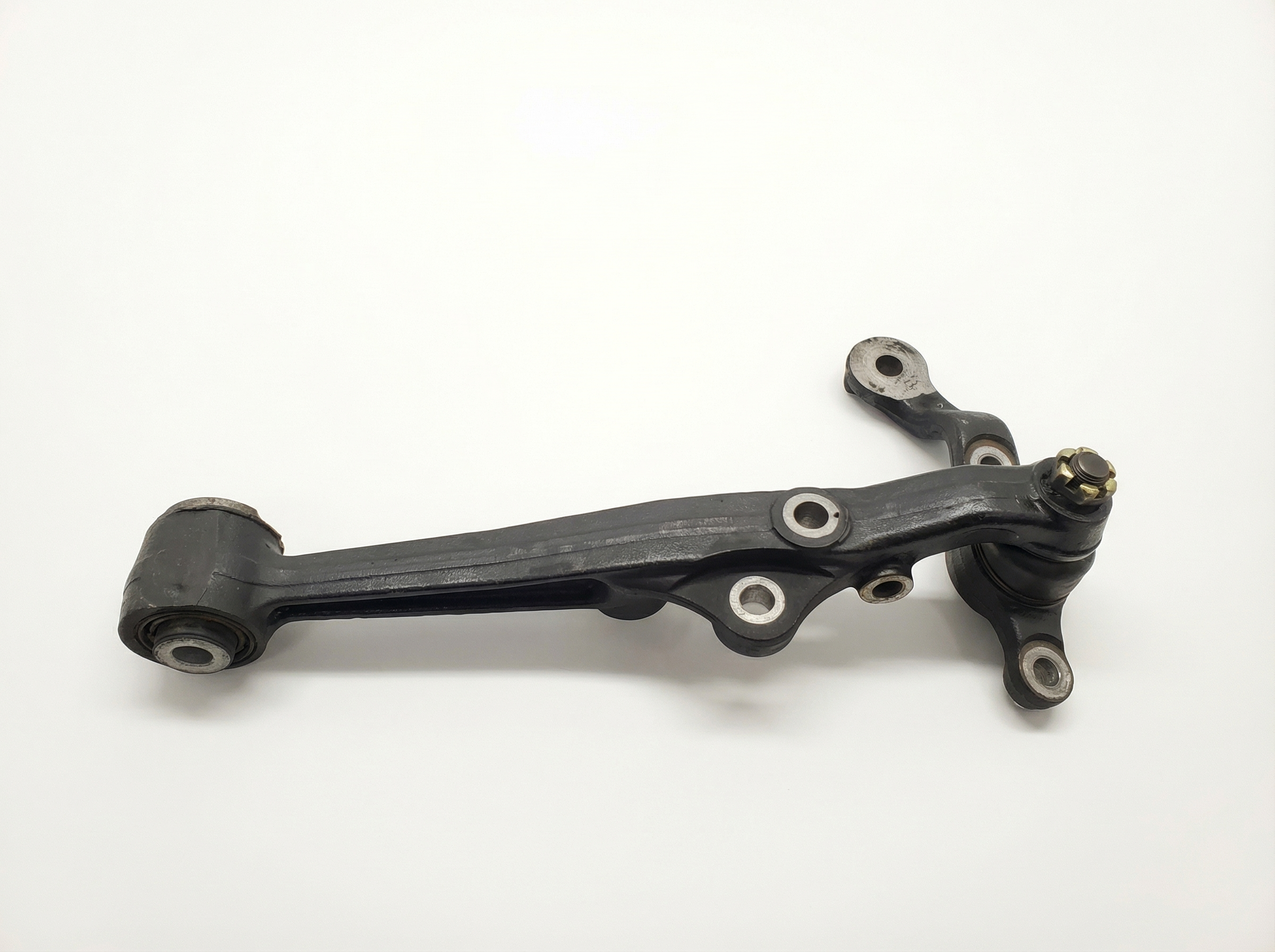
- Inspect the Bushings: This is the most critical check. The two large rubber bushings should be free of major cracks, tears, or dry rot. The rubber should still be pliable. If you see deep, concentric cracks or the rubber is crumbling, the part is not worth buying.
- Check the Ball Joint: Firmly grip the ball joint stud and try to move it within its socket. It should move smoothly with significant resistance. If it feels loose, gritty, or pops, the joint is worn.
- Examine the Ball Joint Boot: The rubber boot covering the ball joint must be intact. If it is torn or missing, grease will have escaped and contaminants will have entered, guaranteeing premature failure. Do not buy an arm with a damaged ball joint boot.
- Verify Mileage and Condition: Whenever possible, choose a part from a lower-mileage vehicle (ideally under 100,000 miles). Look for arms that are clean and free from heavy corrosion or signs of damage from an accident.
Cost Breakdown for Front Upper Control Arm Replacement
Prices can vary significantly based on part choice and labor rates. The following table provides an estimated cost range for replacing a single front upper control arm.
| Part/Service | Estimated Cost | Notes |
|---|---|---|
| New OEM | $450 - $600+ | Often discontinued and difficult to find. Offers the best quality but at a very high price. |
| New Aftermarket | $50 - $240 | Wide range of quality and price. Brands like Dorman are considered acceptable by some owners. |
| Used OEM | $75 - $200 | Excellent value if a low-mileage, well-inspected part can be found. |
| Shop Labor | $250 - $400 | Typically 2-3 hours of labor per side. An alignment is required afterward. |
| Wheel Alignment | $100 - $180 | Mandatory after replacement to prevent tire wear and ensure proper handling. |
Replacement Overview and Torque Specs
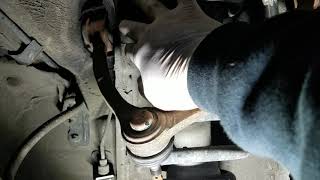
Replacing the front upper control arm is a feasible DIY job for those with mechanical experience and the right tools. The process generally involves supporting the steering knuckle, removing the strut assembly for better access, separating the ball joint from the knuckle, and unbolting the arm from the frame.
- Special Tools: A ball joint separator (pickle fork or press type) is essential. A torque wrench is required for safe installation.
- Procedure Highlight: After removing the wheel, support the lower control arm with a jack. Unbolt the top of the strut tower in the engine bay and the bottom of the strut from the steering knuckle. Use a ball joint separator to pop the upper control arm's ball joint out of the steering knuckle. Finally, remove the two bolts holding the control arm to the frame and remove the arm.
Key Torque Specifications:
- Upper Control Arm to Frame Bolts (x2): 83 ft-lb (113 Nm)
- Upper Ball Joint Castle Nut: 48 ft-lb (65 Nm)
Warning: Always use a new cotter pin for the ball joint castle nut. Never reuse the old one.
Related Parts to Inspect
While replacing the upper control arms, it is an ideal time to inspect other nearby suspension components that wear at a similar rate:
- Lower Ball Joints: Check for any play. These are a critical safety component.
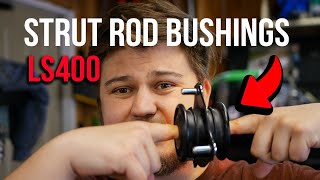
- Strut Rod Bushings: These are another common source of clunking and steering instability. 🎬 See how to replace strut rod bushings to fix clunks.
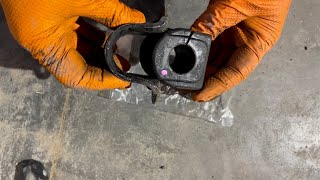
- Sway Bar End Links & Bushings: Worn links or bushings can cause rattling or clunking noises over bumps. 🎬 Watch: How to replace front sway bar stabilizer bushings.
- Outer Tie Rod Ends: Check for play, as worn tie rods will affect steering feel and tire wear.
Frequently Asked Questions (FAQ)
Do I need a wheel alignment after replacing the control arms?
Yes, absolutely. Replacing the control arm will alter the vehicle's camber and caster angles. A full four-wheel alignment is mandatory to ensure proper handling, prevent premature tire wear, and maintain safety.
Can I just replace the bushings instead of the whole arm?
Yes, it is possible to press out the old bushings and install new ones. However, this requires a hydraulic press and is significantly more labor-intensive. Given the affordable cost of complete aftermarket arms and good-quality used OEM arms, most people find it easier and more effective to replace the entire assembly, which also includes a new ball joint.
Is this the same part for cars with air suspension?
Yes, the front upper control arms are identical for both standard suspension and factory air suspension models of the 1990-1994 LS400. The suspension type is determined by the strut/airbag assembly, not the control arms.
How do I know if the clunking is the control arm or something else?
While the upper control arm is a common culprit, also check the strut rod bushings and sway bar bushings. A mechanic can diagnose the source of the play by safely lifting the vehicle and using a pry bar to check for movement in each suspension joint. Worn sway bar bushings often cause a creaking or groaning noise, while control arm and strut rod bushing failures are more typically a 'clunk' or 'pop'.
Helpful Videos
Technical Specifications
OEM Part Numbers: Front Right Upper: 48610-50020 (supersedes 48610-50010) Front Left Upper: 48630-50020 (supersedes 48630-50010)
Torque, Upper Arm to Frame Bolts: 83 ft-lb (113 Nm). Torque, Upper Ball Joint Castle Nut: 48 ft-lb (65 Nm).
We Have This Part in Stock

The information in this article is provided for general reference and educational purposes only. Vehicle specifications, procedures, and part compatibility can vary by production date, trim level, and region. Always consult your vehicle's factory service manual and verify part numbers before purchasing or performing repairs. Safety-critical components such as airbags, seat belts, and braking systems should be installed by a qualified professional.
- Lexus LS400:
- 🎬 Helpful Videos
- 🛍️ Shop This Part
- Symptoms of a Failing Front Upper Control Arm
- Known Issues, TSBs, and Recalls
- Buying a Used 1990-1994 LS400 Control Arm
- Cost Breakdown for Front Upper Control Arm Replacement
- Replacement Overview and Torque Specs
- Key Torque Specifications:
- Related Parts to Inspect
- Frequently Asked Questions (FAQ)
- 🎟️ Get 5% Off