

2020-2025 Mazda CX-30 Front Strut: Diagnosing Clunks, Rattles, and Leaks
This guide covers common failure symptoms, technical service bulletins, and replacement costs for the front suspension struts on the 2020-2025 Mazda CX-30.
- A clunking or rattling noise over bumps is a primary symptom of failure, with a known TSB (SA-057-22) addressing a rattle from the front strut mount area.
- Ensure compatibility: Struts for the standard 2.5L engine are different from those for the 2.5L Turbo model.
- Always replace struts in pairs to maintain balanced handling and safety. A wheel alignment is required after replacement.
- When buying used, prioritize low-mileage units and inspect carefully for fluid leaks and physical damage.
Symptoms of a Failing Suspension Strut


A failing strut can cause a variety of noticeable issues. Because the Mazda CX-30 is known for its firm, sporty suspension, some harshness over bumps is normal. However, new noises or changes in handling should be investigated immediately.
Noises
- Clunking or Knocking: This is the most common sign of a worn strut. You'll typically hear a heavy clunking or knocking sound from one corner of the vehicle when driving over bumps, potholes, or uneven roads. This is often caused by worn internal components that can no longer properly dampen impacts.
- Rattling: A rattling noise from the front suspension, especially over wavy surfaces, may be related to a known issue with the strut mounting rubber. Some owners have reported this issue and had it resolved under warranty.
- Popping or Binding When Turning: A popping, binding, or grinding sound when you turn the steering wheel at low speeds can indicate a worn strut mount or bearing. These components allow the strut to pivot smoothly as you steer.
Poor Handling and Ride Quality
- Excessive Bouncing: After hitting a bump, the vehicle should settle quickly. If it continues to bounce up and down, the strut is no longer able to control the spring's movement.
- Nose-Diving and Squatting: Worn front struts can cause the front end of the vehicle to "dive" forward excessively when you apply the brakes. Similarly, the rear of the vehicle may squat during acceleration.
- Swaying or Body Roll: If the vehicle feels less stable, leans excessively in turns, or feels like it's swaying in crosswinds, the struts may be losing their ability to control body movement.
Visual Signs
- Fluid Leaks: The strut body is filled with hydraulic fluid. If you see oily fluid leaking down the side of the strut, its seals have failed and it needs to be replaced. Note that a light film of oil or "sweating" can be normal, according to Mazda.
- Uneven Tire Wear: When struts are worn, they can cause the tires to bounce slightly as you drive. This can lead to a specific type of uneven wear called "cupping" or "scalloping," where patches are gouged out of the tire tread.
Compatibility Warning: The suspension struts for the naturally aspirated (non-turbo) 2.5L engine are different from those for the 2.5L Turbo engine. The turbo models are heavier and require different struts. Ensure you are purchasing the correct part for your specific vehicle.
Known Issues, TSBs, and Recalls

As of early 2026, there are no open recalls 🎬 Watch: Common issues that can affect the Mazda CX-30 specifically for the suspension struts on the 2020-2025 Mazda CX-30. However, there are relevant Technical Service Bulletins (TSBs) that owners should be aware of.
- TSB SA-057-22 (supersedes 02-004/21): This bulletin addresses a "rattle noise from the front suspension when driving over bumps or on a road with a wavy surface" on some 2020-2022 CX-30 models. The cause is identified as insufficient clearance in the strut's upper mounting rubber. The fix involves replacing the component with a modified part.
- TSB 02-004-22a: This bulletin clarifies that a small amount of oil residue on the strut body can be normal and is not necessarily a sign of failure. It is a result of the oil that lubricates the shaft seal during normal operation.
- Recall 4420F (2020 models only): While not a strut recall, some 2020 CX-30 vehicles were recalled for improperly tightened front brake caliper mounting bolts. This could cause a rattling or grinding noise similar to a suspension issue.
Buying a Used Suspension Strut
A low-mileage used OEM strut can be an excellent value, offering original factory quality at a significant discount. However, since struts are wear items, careful inspection is crucial.
Inspection Checklist
- Check for Leaks: This is the most important check. The strut body should be dry. Any sign of wet, oily residue running down the side indicates a failed seal. A light, dry film of dust mixed with oil might be acceptable per Mazda's TSB, but a fresh, wet leak is a definite red flag.
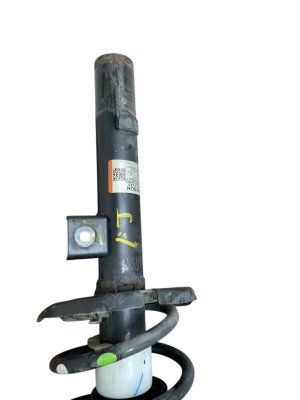
- Inspect the Piston Rod: The shiny chrome rod that extends from the top of the strut should be smooth and clean. Look for any pitting, rust, or deep scratches, which can damage the seal and cause leaks.
- Examine the Body for Damage: Check the strut housing for any major dents, deep scrapes, or bends from an accident. Physical damage can compromise the internal components.
- Consider Mileage: Ask for the mileage of the donor vehicle. A strut from a vehicle with under 50,000 miles is a good candidate. One with over 100,000 miles is likely near the end of its service life and should be avoided.
- Buy in Pairs: It is highly recommended to replace struts in pairs (both front or both rear) to ensure even damping and predictable handling. A used strut should be paired with another from the same donor vehicle if possible.
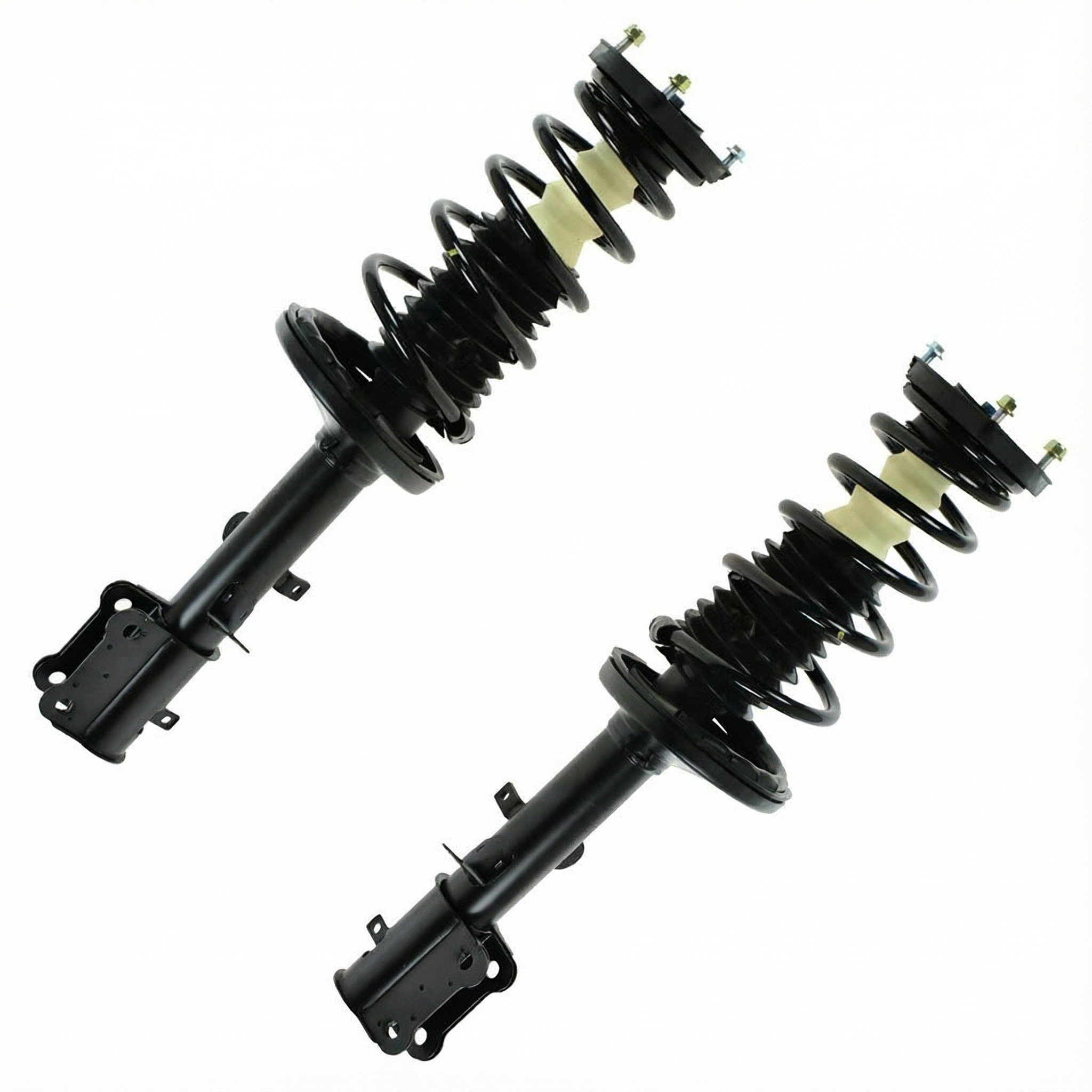
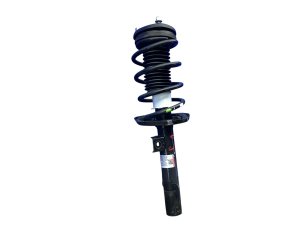
Pro Tip: Consider purchasing a complete used strut assembly, which includes the strut, coil spring, and upper mount. This saves you the difficult and potentially dangerous step of using a spring compressor to swap the spring from your old strut to the new one.
Cost Comparison
Prices can vary based on supplier and location. The following table provides an estimated cost for a single front strut.
| Part Type | Estimated Cost (Per Strut) |
|---|---|
| New OEM | $155 - $225 |
| New Aftermarket (Bare Strut) | $50 - $80 |
| New Aftermarket (Complete Assembly) | $80 - $120 |
| Used OEM (Complete Assembly) | $100 - $175 |
| Shop Labor (Pair) | $488 - $716 |
Note: Labor costs are for replacing a pair of struts, which is the standard procedure. An alignment is also required after replacement, adding to the total cost.
Replacement Overview & Torque Specs

Replacing a front strut is a job for an experienced DIY mechanic or a professional. It requires safely lifting and supporting the vehicle and handling components under high tension. If you are not installing a complete assembly, a spring compressor is required, which can be very dangerous if used improperly.
Key Steps & Procedures
- Safely lift and support the vehicle on jack stands.
- Remove the front wheel.
- Disconnect the sway bar end link and any brake line or ABS sensor brackets from the strut.
- Remove the two large bolts that connect the bottom of the strut to the steering knuckle.
- Remove the nuts holding the top of the strut to the strut tower in the engine bay.
- Remove the strut assembly from the vehicle.
- If reusing the spring, carefully compress it with a spring compressor before removing the top nut.
- Install the new strut by reversing the removal steps.
Mazda notes that the upper mount bolts and nuts should not be reused.
Torque Specifications
Using a torque wrench is critical for safety. While specifications can vary slightly, common values are:
- Strut-to-Knuckle Bolts: 60 ft-lbs
- Strut Tower Nuts (Top Mount): 30-43 ft-lbs
- Wheel Lug Nuts: 100 ft-lbs
Pro Tip: An alignment is always necessary after replacing struts. The bolts connecting the strut to the knuckle affect the camber angle, and replacing the strut will alter the vehicle's alignment settings.
Frequently Asked Questions (FAQ)
Do I need to replace both front struts at the same time?
Yes. Struts wear out over time, and replacing only one can lead to unbalanced handling, unpredictable steering, and uneven braking. Always replace them in pairs (both front or both rear) to maintain vehicle stability.
What's the difference between a bare strut and a complete strut assembly?
A bare strut is just the shock absorber component. A complete strut assembly (also called a 'loaded' or 'quick' strut) includes the bare strut plus a new coil spring, upper mount, bearing, and dust boot. Complete assemblies are more expensive but make the replacement much faster, easier, and safer because you don't need to use a dangerous spring compressor.
Is a little oil on my strut a problem?
Not necessarily. Mazda has issued a TSB (02-004-22a) stating that a light film of oil, often called "sweating" or "misting," can be a normal byproduct of the strut's operation. However, if the strut is wet with fluid or oil is actively dripping, it has failed and must be replaced.
Will replacing my struts require a wheel alignment?
Yes, absolutely. The front struts are a key part of the steering and suspension geometry. Removing and installing them will change the alignment angles (specifically camber and toe). You must get a professional wheel alignment after the job is done to ensure proper handling and prevent rapid tire wear.
Helpful Videos

Technical Specifications
OEM Part Numbers: BDTS34380B DGH9-34-700 DGH934700A DGK734011
Torque Specs: Strut-to-Knuckle Bolts (60 ft-lbs), Strut Tower Nuts (30-43 ft-lbs)
We Have This Part in Stock

The information in this article is provided for general reference and educational purposes only. Vehicle specifications, procedures, and part compatibility can vary by production date, trim level, and region. Always consult your vehicle's factory service manual and verify part numbers before purchasing or performing repairs. Safety-critical components such as airbags, seat belts, and braking systems should be installed by a qualified professional.
- MAZDA CX-30:
- Mazda CX-30:
- 🎬 Helpful Videos
- 🛍️ Shop This Part
- Symptoms of a Failing Suspension Strut
- Noises
- Poor Handling and Ride Quality
- Visual Signs
- Known Issues, TSBs, and Recalls
- Buying a Used Suspension Strut
- Inspection Checklist
- Cost Comparison
- Replacement Overview & Torque Specs
- Key Steps & Procedures
- Torque Specifications
- Frequently Asked Questions (FAQ)
- 🎟️ Get 5% Off