

2010-2016 Kia Soul Shifter Guide: Stuck in Park, Variants, and Replacement
This guide covers common failures of the 2010-2016 Kia Soul automatic shift lever, including getting stuck in park, and how to choose the correct used replacement for your specific model year.
- The most critical compatibility issue is the transmission: 2010-2011 models use a 4-speed automatic, while 2012-2016 models use a 6-speed. The shifters are not interchangeable.
- The most common failure is the shifter getting stuck in Park, usually caused by a bad shift interlock solenoid or a faulty brake light switch.
- A faulty shifter assembly, specifically the inhibitor switch, can cause a no-start condition or an incorrect gear display on the dashboard.
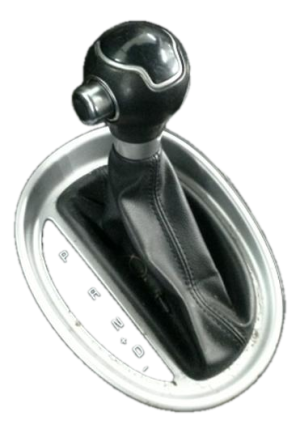
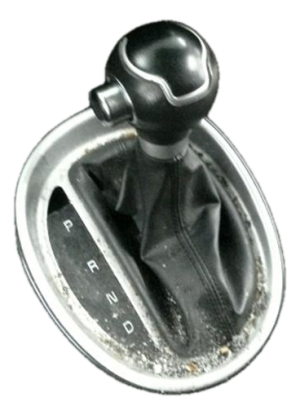
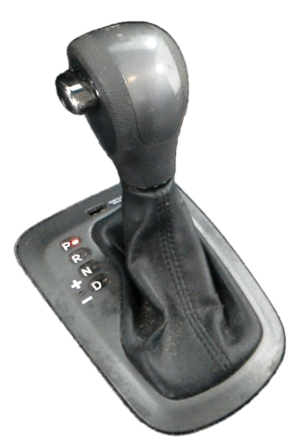
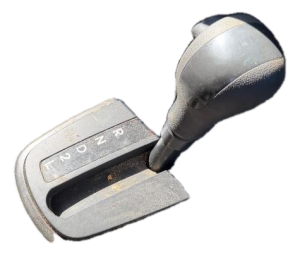
- When buying a used part, visually matching it to your original and verifying the OEM part number is essential to ensure you get the correct version for your vehicle.
Symptoms of a Failing Transmission Shift Lever


When the shifter assembly begins to fail, it can manifest in several ways. These issues are often mechanical or electrical and can sometimes appear intermittently before becoming a constant problem.
1. Shifter is Stuck in Park
This is the most common failure symptom for the Kia Soul. You get in the car, press the brake pedal, but the button on the shift knob won't depress, and the lever will not move out of Park. You may hear a faint click from the shifter area when you press the brake, which is the sound of the system trying to work. This problem is almost always caused by one of three components:
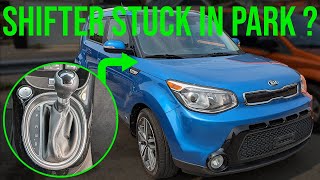
- Bad Brake Light Switch: The shifter needs a signal from this switch to know your foot is on the brake. If the switch fails, the shift interlock solenoid never gets the signal to release. 🎬 Watch: Troubleshooting a Kia Soul shifter stuck in Park.
- Failed Shift Interlock Solenoid: This is the electronic lock inside the shifter assembly itself. It can burn out or fail mechanically, preventing it from retracting and releasing the lever.
- Failed Inhibitor Switch (Neutral Safety Switch): In some cases, a faulty inhibitor switch can cause the system to become confused about which gear it is in, leading to a lock-out.
Pro Tip: If you are stranded, you can use the manual shift lock override. Look for a small, removable cap next to the shifter. Pry it off with a small screwdriver, insert your key or a similar tool into the slot, and press down. This will manually release the lock, allowing you to move the shifter into Neutral to move the car. This is a temporary fix to get you moving, not a permanent solution.
🎬 See a demonstration of how to use the manual shift lock override.2. Gear Indicator on Dash is Incorrect or Blank
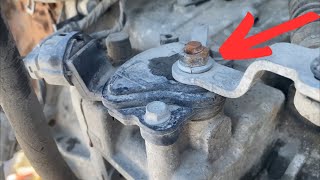
You move the shifter to 'D', but the light on the instrument cluster stays on 'P' or goes blank entirely. This is a classic symptom of a failing inhibitor switch (also called a transmission range sensor). This switch is responsible for sending the selected gear position to the car's computer. 🎬 Watch: How to locate and replace the transmission range switch. When it fails, the car doesn't know what gear it's in, which can also lead to a no-start condition.
3. Shifter is Very Hard to Move
If it takes significant physical effort to move the lever through the gears, the problem may not be in the cabin. Owners have reported that a corroded or failed inhibitor/neutral safety switch on the transaxle itself can create extreme resistance, making the lever very difficult to move. The issue feels like a binding cable but is actually the switch on the transmission causing the resistance.
4. Engine Will Not Start
A faulty shifter assembly can prevent your car from starting. For safety, your Soul is designed to start only in Park or Neutral. If the inhibitor switch fails, it may not send the correct signal to the computer, making the car think it's in gear and preventing it from starting, even if the lever is in Park.
Key Variants and Compatibility Warnings

THIS IS THE MOST IMPORTANT SECTION. The 2010-2016 Kia Soul spans two different vehicle generations with a major transmission change in the middle. The shifters are NOT interchangeable between these versions. Ordering the wrong part will lead to wasted time and money.
Warning: The single most critical compatibility factor is the transmission type. Visually compare photos of the part to your original shifter and, if possible, verify the OEM part number before ordering.
| Model Years | Generation | Automatic Transmission | Key Shifter Information |
|---|---|---|---|
| 2010-2011 | 1st Gen (AM) | 4-Speed Automatic | These early models use a 4-speed automatic transmission. Their shifter assembly is unique to this powertrain combination. |
| 2012-2013 | 1st Gen Facelift (AM) | 6-Speed Automatic | With the 2012 facelift, Kia introduced a new 6-speed automatic. Shifters from these models are not compatible with the earlier 4-speed cars. |
| 2014-2016 | 2nd Gen (PS) | 6-Speed Automatic | The second-generation Soul was built on a new, larger chassis. Although it also uses a 6-speed automatic, the shifter assembly and surrounding console are different from the first-generation models and are not interchangeable. |
Additionally, this article and its part numbers apply only to the gasoline-powered Kia Soul. The Soul EV (Electric Vehicle) uses a different shifter and has a specific recall (NHTSA #20V389000) that does not apply to gas models.
Buying a Used Transmission Shift Lever
A used OEM shifter assembly is an excellent choice, offering the same fit and quality as a new part for a fraction of the price. Here’s what to check when buying a recycled shifter.
1. Verify the Correct Variant
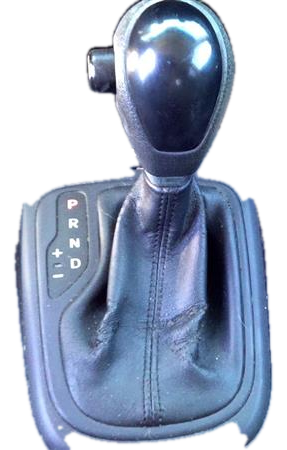
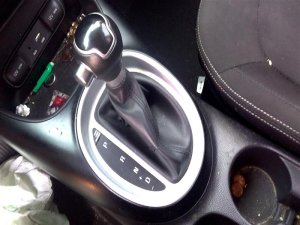
Use the table above. The most reliable method is to match the OEM part number from your original shifter to the one you are purchasing. If you can't find the part number, a precise visual match is the next best thing. Pay close attention to:
- The shape of the base and mounting points.
- The electrical connector type and pin count.
- The style of the shift knob and boot.
2. Physical Inspection
- Button Mechanism: Press the shifter button. It should move smoothly and return crisply. Stickiness or a gritty feeling indicates internal wear.
- Plastic Housing: Check for cracks in the plastic, especially around the base and where the lever pivots.
- Wiring and Connector: Inspect the wiring pigtail for any cuts, and look at the connector to ensure no pins are bent or corroded.
- Shift Lock Override: Ensure the small cover for the shift lock release is present.
3. Why Used OEM is a Smart Choice
For a part like this, which involves precise mechanical and electronic integration with your vehicle, a used OEM part is often superior to a new, cheap aftermarket alternative. You get the durability and fitment engineered by Kia without the high cost of a new dealer part. Since the most common failure points are electronic components like solenoids and switches, a part from a lower-mileage, accident-damaged vehicle is typically a very reliable replacement.
Known Issues, TSBs, and Recalls
While there are no major recalls for the automatic shifter assembly on gasoline-powered 2010-2016 Kia Souls, there are related service bulletins and a key recall for the EV model to be aware of.
- Recall SC191 / NHTSA 20V389000 (EV ONLY): This recall is for the 2015-2016 Soul EV. It addresses an issue where the parking mechanism could be damaged if the driver shifts into Park before a complete stop, potentially leading to the vehicle rolling away. This does not apply to gasoline models.
- TSB TRANS 033: For 2010-2011 Souls, Kia issued a TSB to address shift delays with a software update. While not a shifter problem, the symptoms could be confused for one.
- Inhibitor Switch / Neutral Safety Switch: As discussed in forums, this is a common failure point that can cause the shifter to get stuck or the car not to start. While not a recall, it is a widely recognized issue.
Cost to Replace a Transmission Shift Lever
Costs can vary based on your location and the part source. Labor typically involves removing the center console trim to access and replace the assembly.
| Part Source / Service | Estimated Cost |
|---|---|
| New OEM (Dealer) | $240 - $370 |
| New Aftermarket | $150 - $250 |
| Used OEM (Recycled) | $50 - $125 |
| Shop Labor Cost | $150 - $250 |
Frequently Asked Questions (FAQ)
Why is my Kia Soul stuck in Park?
The most common causes are a faulty brake light switch, a failed shift interlock solenoid in the shifter assembly, or a bad inhibitor switch (neutral safety switch). You can use the manual shift lock override next to the lever to get the car into gear in an emergency.
How do I know if I have a 4-speed or 6-speed automatic?
The easiest way is by model year. 2010 and 2011 Kia Souls with an automatic transmission have the 4-speed. Models from 2012 through 2016 have the 6-speed automatic.
Can I just replace the broken button or solenoid on my shifter?
While it may be technically possible for a professional, the shifter is designed and sold as a complete assembly. Individual components like the solenoid are not typically sold separately. Given the affordable cost of a used OEM assembly, replacing the entire unit is the most reliable and straightforward repair.
Is any programming required after installing a replacement shifter?
No. The shifter assembly is a direct replacement part. As long as you have installed the correct part for your vehicle's year and transmission, no special programming or calibration is required.
Helpful Videos

Technical Specifications
OEM Part Numbers: 46700-B2120 467002K615WK 467002K635DS5 467002K635WK 46700B2120 46700B2160
Varies by model year and transmission type (4-speed vs. 6-speed). Includes integrated shift lock solenoid and may include the inhibitor switch (neutral safety switch).
We Have This Part in Stock

The information in this article is provided for general reference and educational purposes only. Vehicle specifications, procedures, and part compatibility can vary by production date, trim level, and region. Always consult your vehicle's factory service manual and verify part numbers before purchasing or performing repairs. Safety-critical components such as airbags, seat belts, and braking systems should be installed by a qualified professional.
- Kia Soul:
- 🎬 Helpful Videos
- 🛍️ Shop This Part
- Symptoms of a Failing Transmission Shift Lever
- 1. Shifter is Stuck in Park
- 2. Gear Indicator on Dash is Incorrect or Blank
- 3. Shifter is Very Hard to Move
- 4. Engine Will Not Start
- Key Variants and Compatibility Warnings
- Buying a Used Transmission Shift Lever
- 1. Verify the Correct Variant
- 2. Physical Inspection
- 3. Why Used OEM is a Smart Choice
- Known Issues, TSBs, and Recalls
- Cost to Replace a Transmission Shift Lever
- Frequently Asked Questions (FAQ)
- 🎟️ Get 5% Off