

Audi 2.0T & 3.0L A/C Compressor Guide (2010-2020): A4, A6, Q5, Q7 & More
Diagnose common A/C problems, avoid critical part mix-ups, and learn how to choose the right used compressor for your Audi A4, A5, A6, A7, A8, Q5, Q7, and others.
- Engine compatibility is critical; compressors for 2.0T and 3.0L engines are not interchangeable.
- Do not confuse the A/C compressor (part numbers with '260') with the air suspension compressor (part numbers with '616') on applicable models.
- If the old compressor failed internally ('black death'), you MUST flush the system and replace the condenser and expansion valve, or the new compressor will be destroyed.
- Replacement is not a beginner DIY job. It requires specialized equipment to safely and legally evacuate and recharge the refrigerant system.
CRITICAL WARNING: A/C Compressor vs. Air Suspension Compressor
Before you buy any parts, you must understand a critical difference on many of these Audi models. Higher-trim vehicles like the A6, A7, A8, and Q7 are often equipped with air suspension. This system uses its own dedicated air suspension compressor to inflate the air springs at each corner of the car. This part is often confused with the air conditioning (A/C) compressor, but they serve completely different functions and are not interchangeable.
Warning: An air suspension compressor will NOT cool your cabin, and an A/C compressor will NOT raise your vehicle. Many buyers purchase the wrong part by mistake. Double-check the part number and function before purchasing.
- A/C Compressor Part Numbers typically contain the sequence '260' (e.g., 4G0 260 805 B).
- Air Suspension Compressor Part Numbers typically contain the sequence '616' (e.g., 4G0 616 005 C).
Which Compressor Fits Your Audi? It Depends on the Engine
The single most important factor in choosing the correct A/C compressor is your vehicle's engine. Audi used different compressors for their 2.0L 4-cylinder and 3.0L 6-cylinder engines. They are not interchangeable.
For 2.0L Turbocharged Engines
Found in models like the A4, A5, Q5, and Allroad, the 2.0T engine uses a specific set of compressors. When searching for a replacement, you must match the part number from your original unit. Common OEM part numbers for this application include 8T0260805E, 8T0260805N, and 8W5820803A.
For 3.0L Supercharged & Turbocharged Engines
Found in models like the A6, A7, S6, Q7, and some Q5s, the 3.0L V6 engine requires a different compressor. These are generally larger-displacement units to handle the cooling needs of the bigger engine and vehicle. Common OEM part numbers for this application include 4G0260805A, 4G0260805B, and 4M0820803.
Common Symptoms of a Failing Audi A/C Compressor
A failing A/C compressor will give several warning signs. Catching them early can sometimes prevent more costly damage to the rest of the system.
- Warm Air from Vents: This is the most obvious symptom. If the compressor can't pressurize the refrigerant, the system can't remove heat from the cabin.
- Inconsistent Cooling: Air that cycles between cold and warm often points to a failing compressor control valve (N280 valve) or a system that is low on refrigerant.
- Grinding or Rattling Noises: Any noise from the engine bay that starts or changes when you turn on the A/C is a major red flag. This usually indicates failing internal bearings. A rattling noise specifically could be the N280 valve.
- Visible Leaks: Look for a greasy, grimy residue on the body of the compressor itself. This is a mix of refrigerant and PAG oil, indicating a leak from the compressor's seals.
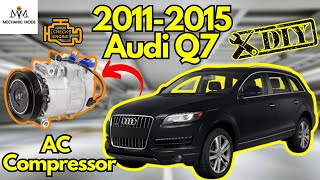
- Compressor Not Engaging: On these variable displacement compressors, you won't see a clutch click on and off. However, a diagnostic tool can show if the control module is commanding the compressor to work. If it is, but the system pressures don't change, the compressor has likely failed internally. 🎬 See how a mechanic diagnoses a faulty variable displacement compressor.
Known Issues, TSBs, and Recalls
While there are no widespread recalls specifically for the A/C compressor on these models, several Technical Service Bulletins (TSBs) address related issues.
- TSB 87 21 18 2061277: For some 2019-2022 models, this bulletin notes a manufacturing issue with the N280 regulating valve inside the compressor can cause poor cooling or a rattling noise. The fix is to replace the valve or the entire compressor.
- TSB A871449 2020124: On some 2013 A4, S4, A5, S5, and Q5 models, the A/C pressure sensor (G395) can leak. This causes a loss of refrigerant and stops the compressor from activating. 🎬 Watch: How to replace a faulty A/C pressure sensor yourself.
- Evaporator Leaks: A TSB for many 2017-2025 Audi models, including the A4, Q5, and Q7, points to the A/C evaporator as a potential source of leaks, which can be misdiagnosed as a compressor problem.
- Faulty Control Module: In some cases, particularly on the Q5 and Q7, a complete A/C system shutdown is caused by a faulty climate control module, not the compressor itself.
The 'Black Death': A Catastrophic Failure Mode
When a compressor fails internally, it can shred itself, sending tiny metal particles throughout the entire A/C system. This contamination is known as 'black death'. If you simply install a new compressor into a contaminated system, these particles will immediately destroy the replacement part. Preventing this requires a complete system flush and replacement of the condenser, expansion valve, and receiver/drier.
Buying a Used Audi A/C Compressor: What to Inspect
A low-mileage, used OEM compressor can be a reliable and cost-effective alternative to expensive new parts. However, you must inspect it carefully.
- Verify Compatibility: This is step one. Get the part number from your vehicle's original compressor and match it exactly. Confirm it is for your engine (2.0T vs. 3.0L).
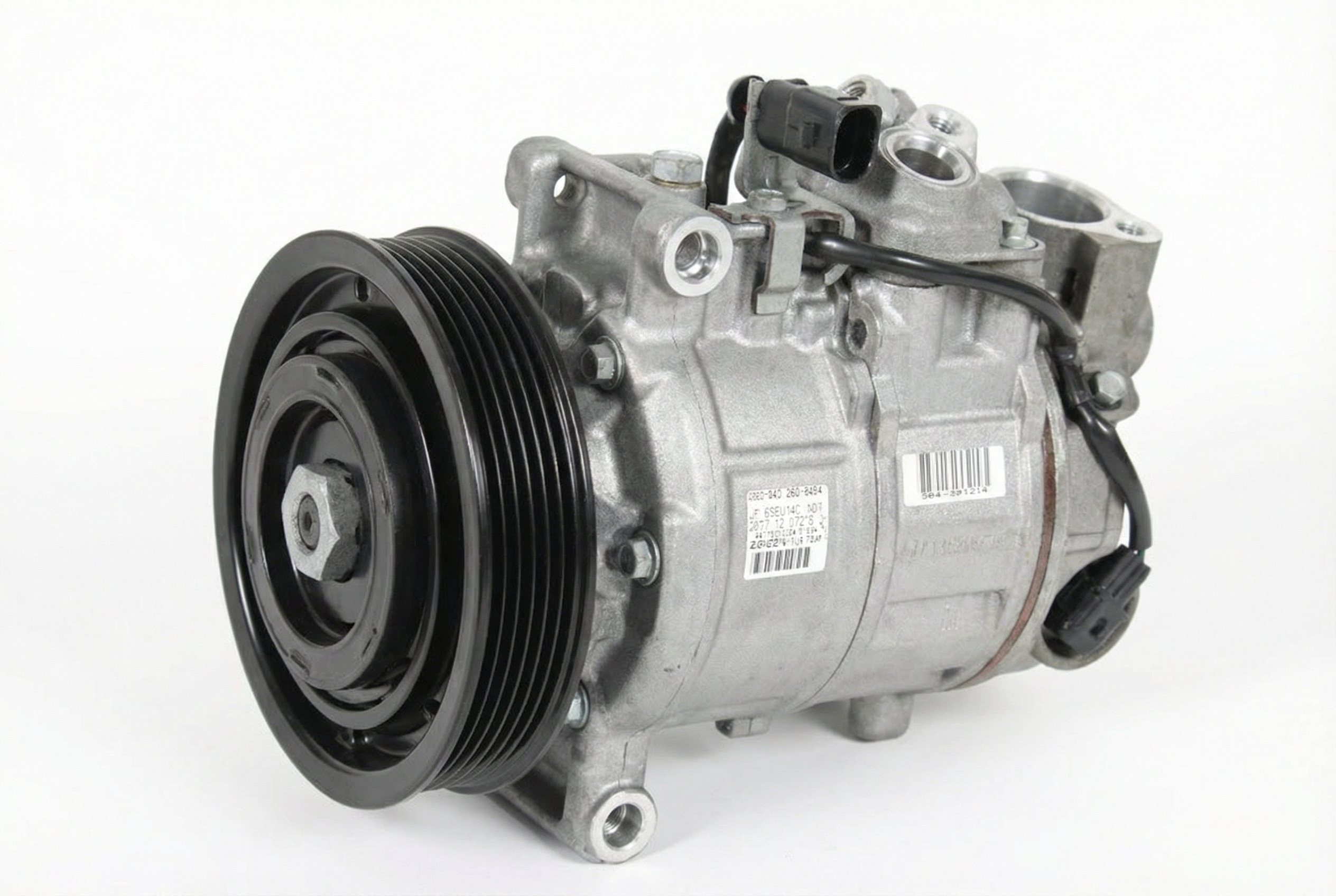
- Check the Pulley: Spin the pulley by hand. It should rotate smoothly and quietly. Any grinding or roughness indicates bad bearings.
- Inspect the Ports: Look inside the inlet and outlet ports. They should be clean. Any sign of black, metallic sludge is a clear sign of 'black death'. Do not buy that compressor.
- Examine the Electrical Connector: Ensure the connector and its pins are not cracked, corroded, or damaged.
- Ask About the Donor Vehicle: Ask the seller if the A/C was working when the part was removed. Knowing the mileage and reason for the vehicle being salvaged can provide valuable context. A front-end collision, for example, could damage the compressor or condenser.
Pro Tip: When installing a used compressor, it's wise to drain the shipping oil and fill it with the correct amount of new, specified PAG 46 oil. Assume the used part may not have the correct oil charge. Always replace the receiver/drier or desiccant bag and the expansion valve when replacing the compressor.
Cost Comparison: Audi A/C Compressor Replacement
Prices can vary significantly based on the part source and labor rates.
| Part Source | Estimated Part Cost |
|---|---|
| New OEM | $1,000 - $1,800 |
| New Aftermarket | $250 - $750 |
| Used OEM | $75 - $250 |
| Remanufactured | $200 - $500 |
| Shop Labor | $200 - $450 |
Frequently Asked Questions (FAQ)
Can I just replace the A/C compressor clutch?
No. Most of these modern Audi compressors are variable displacement and do not have a separate, replaceable magnetic clutch like older designs. The engagement is handled by an internal control valve. If the pulley bearing fails, the entire compressor must be replaced.
What refrigerant and oil do these Audis use?
Most vehicles in this year range use R134a refrigerant and PAG 46 oil. However, some later models (around 2017+) may have switched to R1234yf. The two refrigerants are not compatible and require different service equipment. Always check the sticker under your hood to confirm the correct type for your vehicle.
Do I have to flush the system when I replace the compressor?
Yes, absolutely. If your old compressor failed, you must assume the system is contaminated. Flushing the lines, evaporator, and replacing the condenser, expansion valve, and receiver/drier is mandatory to protect your new compressor and ensure the repair lasts. Failure to do so will likely void any warranty on the new part.
My A/C is just blowing warm air. Is it definitely the compressor?
Not necessarily. The most common cause of an A/C system not cooling is simply a low refrigerant level due to a small leak somewhere in the system. Other potential causes include a bad pressure sensor, a faulty control module, a blown fuse, or a clogged cabin air filter. Proper diagnosis is key before replacing an expensive part like the compressor.
Helpful Videos



Technical Specifications
OEM Part Numbers: 4F0260805AF 4G0260805A 4G0260805B 4G0260805D 4G0260805N 4M0816803 4M0820803 8T0260805E 8T0260805N 8W5820803A PAB820803
Refrigerant Type: R134a or R1234yf (varies by year, check vehicle sticker). Lubricant: PAG 46 Oil. Drive Type: Serpentine Belt. Engagement: Variable displacement via electronic control valve (N280).
We Have This Part in Stock
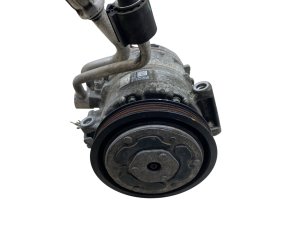
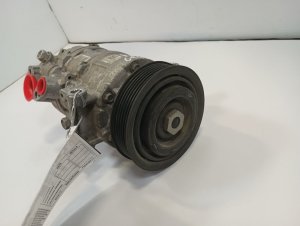
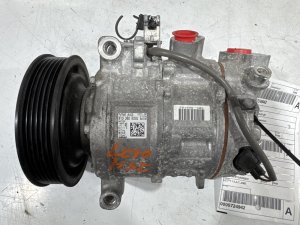

The information in this article is provided for general reference and educational purposes only. Vehicle specifications, procedures, and part compatibility can vary by production date, trim level, and region. Always consult your vehicle's factory service manual and verify part numbers before purchasing or performing repairs. Safety-critical components such as airbags, seat belts, and braking systems should be installed by a qualified professional.
- Audi A6:
- Audi A7:
- Audi A4:
- Audi A5:
- Audi A8:
- Audi allroad:
- Audi Q5:
- Audi Q7:
- Audi RS7:
- Audi S6:
- Audi S7:
- Audi S8:
- 🎬 Helpful Videos
- 🛍️ Shop This Part
- CRITICAL WARNING: A/C Compressor vs. Air Suspension Compressor
- Which Compressor Fits Your Audi? It Depends on the Engine
- For 2.0L Turbocharged Engines
- For 3.0L Supercharged & Turbocharged Engines
- Common Symptoms of a Failing Audi A/C Compressor
- Known Issues, TSBs, and Recalls
- Buying a Used Audi A/C Compressor: What to Inspect
- Cost Comparison: Audi A/C Compressor Replacement
- Frequently Asked Questions (FAQ)
- 🎟️ Get 5% Off