

Audi A6 & A7 A/C Compressor Failure: 2005-2015 Diagnosis and Replacement Guide
A detailed look at why the A/C compressor fails on 2005-2015 Audi A6, A6 Quattro, and A7 models, and what to check before buying a used one.
- The electronic control valve (RCV) is a common failure point and may be replaceable separately from the compressor.
- Before replacing the compressor, always rule out simpler issues like low refrigerant, bad fuses, or a faulty pressure sensor.
- When replacing the compressor, you MUST also replace the receiver/drier and expansion valve, and have the system evacuated and recharged professionally.
- A used OEM compressor can be a good value, but inspect it for leaks and smooth pulley operation, and ensure it's not from a system that suffered 'black death'.
Vehicle Fitment and Engine Compatibility

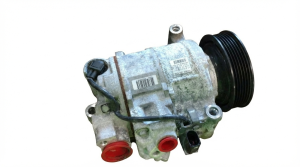
This A/C compressor is specifically for certain gasoline-powered Audi A6, A6 Quattro, and A7 models. Compatibility is determined by the vehicle's platform, model year, and engine. The list of OEM part numbers confirms multiple revisions and applications across these vehicles.
- 2005-2011 Audi A6 (C6 generation) with 3.2L V6 or 3.0L Supercharged V6
- 2005-2011 Audi A6 Quattro (C6 generation) with 3.2L V6 or 3.0L Supercharged V6
- 2012-2015 Audi A6 & A6 Quattro (C7 generation) with 3.0L Supercharged V6
- 2012-2015 Audi A7 (C7 generation) with 3.0L Supercharged V6
Warning: This compressor will NOT fit models with a diesel (TDI) engine, the 4.2L V8, or the 5.2L V10 found in the S6 models. Always verify the part number and engine type before purchase.
Common Symptoms of a Failing A/C Compressor

A failing A/C compressor on these Audis can manifest in several ways, not always as a complete and sudden failure.
1. A/C Blows Warm or Only Cools When Moving
This is the most common symptom. You might notice the air from your vents is just not as cold as it used to be. Sometimes, the A/C works reasonably well on the highway but blows warm air when you're stopped in traffic. This can indicate the compressor is weak and isn't building enough pressure at low engine RPMs. It can also be a symptom of a failing electronic control valve.
2. Grinding, Whining, or Rattling Noises
Unusual noises from the engine bay that start or change when you turn the A/C on are a major red flag. Grinding or rattling often points to failing internal bearings or components, suggesting a severe mechanical failure is imminent. A high-pitched whine or squeal could be the compressor itself or a failing pulley bearing. If the compressor seizes, it can destroy the serpentine belt, which may cause other engine accessories to stop working and could leave you stranded.
3. Compressor Clutch Doesn't Engage (Or Engages Erratically)
On these variable displacement compressors, the outer pulley always spins with the engine. The 'clutch' is an internal mechanism controlled by the electronic valve. If the valve fails, or if the system pressure is too low (due to a leak), the compressor will not be commanded to engage and pump refrigerant. You may be able to diagnose this with a VCDS scan tool by monitoring the compressor duty cycle.
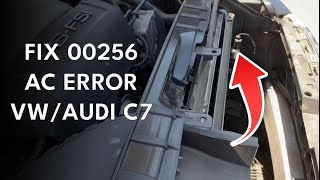
🎬 Watch: Diagnosing and fixing A/C issues on a 2013 A6Diagnosing the Problem: Is It Really the Compressor?

Before spending money on a new compressor, it's important to rule out other, simpler problems. Many A/C performance issues on these cars are not caused by the compressor itself.
- Check Refrigerant Levels: The most common cause of an A/C system not cooling is a refrigerant leak. If the pressure is too low, a sensor will prevent the compressor from turning on to protect it from damage. A professional shop can check for leaks using UV dye.
- Inspect Fuses and Relays: Check the vehicle's fuse panels for any blown fuses related to the HVAC or A/C system.
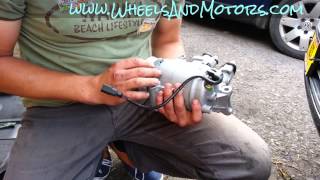
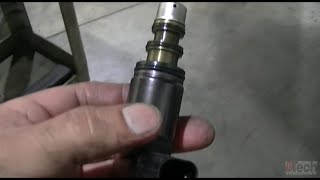
- Test the Electronic Control Valve (RCV): This solenoid is a very common failure point. It can fail and cause the compressor to stop pumping, even if the compressor's mechanical parts are fine. In some cases, the RCV can be replaced separately from the compressor, which is a much cheaper repair. A mechanic can test this valve using a diagnostic scan tool to command it on and off. 🎬 See how to test the electronic control valve yourself
- Check the A/C Pressure Sensor (G395): These Audis use a pressure sensor to monitor the system. If this sensor fails, it can send incorrect data to the climate control module, preventing the compressor from activating. This is another common issue that can mimic a failed compressor. 🎬 Watch: How to replace a faulty A/C pressure sensor
Buying a Used OEM A/C Compressor: What to Look For

A used OEM compressor can be a great value, offering original factory quality for a fraction of the price of a new one. However, you must inspect it carefully.
- Verify Part Numbers: Match the part number on the used compressor to your original one. While several part numbers are interchangeable, this is the best way to ensure correct fitment. The 4F- and 4G- prefixes are key indicators for C6 and C7 generation parts, respectively.
- Check the Pulley and Clutch: Spin the pulley by hand. It should rotate smoothly and quietly. There should be no roughness or grinding, which would indicate bad bearings. Check the face of the clutch plate for signs of extreme heat, discoloration, or warping.
- Inspect the Ports: The inlet and outlet ports should be capped or sealed. Open ports suggest the compressor has been sitting exposed to moisture and dirt, which can ruin it internally.
- Look for Leaks: Check the seams of the compressor body for any oily residue. A layer of grime mixed with oil is a sign that the case seals or shaft seal may be leaking refrigerant oil.
- Ask About the Donor Vehicle: If possible, find out the mileage of the vehicle it came from. Also, ask if the A/C system was working before the part was removed. Most importantly, ask if the donor vehicle's A/C system suffered from 'black death' (see FAQ). A compressor from a system with black death is unusable and will destroy your entire A/C system.
Pro Tip: For this specific part, a quality used or remanufactured OEM unit is often a better choice than a cheap new aftermarket one. The tolerances and electronics of the variable displacement design are critical, and OEM units (like Denso, the original manufacturer) are built to a higher standard.
Known Issues, TSBs, and Recalls
Searches of the NHTSA database and technical forums did not reveal any specific recalls or widespread Technical Service Bulletins (TSBs) for A/C compressor failure on the 2005-2015 Audi A6, A6 Quattro, or A7. While individual failures occur, it is not considered a universal, recognized defect by the manufacturer. Other recalls exist for these vehicles for issues like airbags and fuel system components, but they are unrelated to the A/C system.
Cost of Replacement
Replacing the A/C compressor is a significant expense, primarily due to the cost of the part itself and the specialized labor required.
| Part/Service | Estimated Cost |
|---|---|
| New OEM Compressor | $900 - $1,800 |
| New Aftermarket Compressor | $280 - $960 |
| Remanufactured Compressor | $220 - $450 |
| Used OEM Compressor | $50 - $200 |
| Shop Labor (including system evacuation and recharge) | $300 - $900 |
Replacement Overview & Difficulty
Replacing the A/C compressor is a moderately difficult job that requires specialized equipment.
- Difficulty Rating: 4 out of 5
- DIY Feasible: Not recommended for beginners.
- Key Steps: The process involves having the refrigerant professionally recovered from the system (it is illegal and harmful to vent it to the atmosphere). Then, the serpentine belt is removed, the electrical connector and refrigerant lines are disconnected, and the compressor is unbolted from the engine. Installation is the reverse of removal.
- Crucial Final Step: After the new compressor is installed, the system must be flushed, a new receiver/drier must be installed, and the system must be put under a vacuum to remove all air and moisture before being recharged with the precise amount of refrigerant and oil. Failure to do this will cause the new compressor to fail quickly.
Frequently Asked Questions (FAQ)
Do I need to replace other parts at the same time?
Yes. It is critical to replace the A/C receiver/drier (also called an accumulator) and the expansion valve (or orifice tube) whenever the compressor is replaced. The old drier contains desiccant that is saturated with moisture from the open system. Failing to replace it will lead to corrosion and system failure. If the old compressor failed internally, the entire system must also be professionally flushed to remove any debris.
What is A/C 'black death'?
'Black death' refers to a catastrophic compressor failure where the internal components shred themselves, sending a thick, black sludge of metal shavings and burnt oil throughout the entire A/C system. If this has happened, you cannot simply replace the compressor. The condenser, receiver/drier, and expansion valve must be replaced, and all A/C lines must be thoroughly flushed or replaced. A compressor from a vehicle that had black death is junk and should never be installed.
Can I just replace the A/C compressor clutch or control valve?
On these models, the clutch is not typically serviced separately. However, the electronic control valve (RCV) can sometimes be replaced without removing the compressor from the vehicle, offering a significant cost saving. If diagnosis points specifically to a failed control valve and the compressor itself is mechanically sound, this is an excellent repair option.
Does a used or remanufactured compressor come with oil?
Sometimes, but you should never assume the oil is correct. Used and remanufactured compressors should be drained completely. You must then add the correct type (e.g., PAG 46) and quantity of new compressor oil according to the vehicle's service manual before installation. Using the wrong oil or an incorrect amount will lead to premature failure.
Helpful Videos

Technical Specifications
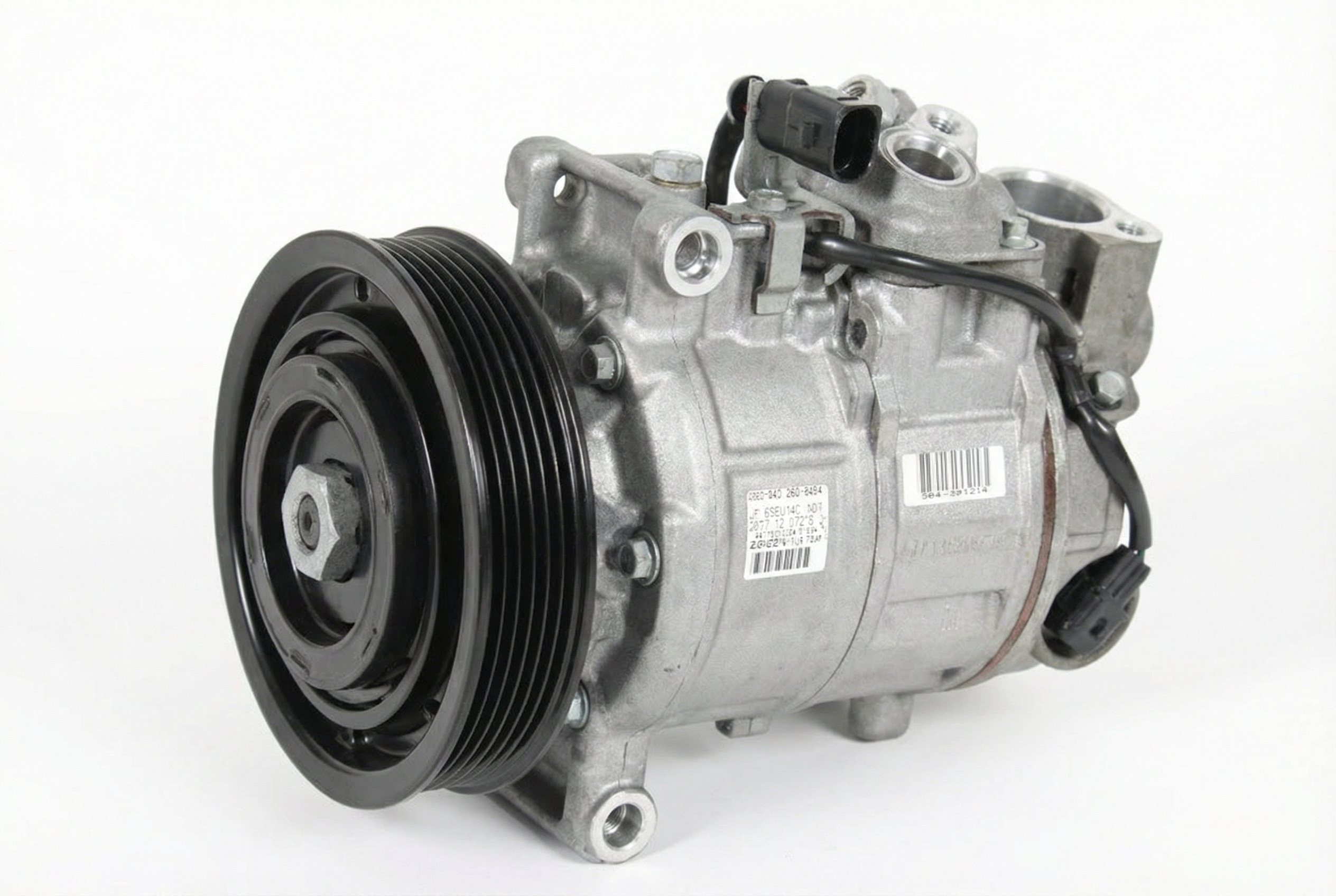
OEM Part Numbers: 4F0260805AB 4F0260805AF 4F0260805F 4F0260805H 4F0260805K 4F0260805Q 4F0260805R 4G0260805A 4G0260805B 4G0260805D 8K0260805G
Variable displacement compressor with an internal electronic refrigerant control valve (RCV). Uses PAG 46 compressor oil. Pulley typically has 6 grooves.
We Have This Part in Stock

The information in this article is provided for general reference and educational purposes only. Vehicle specifications, procedures, and part compatibility can vary by production date, trim level, and region. Always consult your vehicle's factory service manual and verify part numbers before purchasing or performing repairs. Safety-critical components such as airbags, seat belts, and braking systems should be installed by a qualified professional.
- Audi A6:
- Audi A7:
- Audi A6 Quattro:
- 🎬 Helpful Videos
- 🛍️ Shop This Part
- Vehicle Fitment and Engine Compatibility
- Common Symptoms of a Failing A/C Compressor
- 1. A/C Blows Warm or Only Cools When Moving
- 2. Grinding, Whining, or Rattling Noises
- 3. Compressor Clutch Doesn't Engage (Or Engages Erratically)
- Diagnosing the Problem: Is It Really the Compressor?
- Buying a Used OEM A/C Compressor: What to Look For
- Known Issues, TSBs, and Recalls
- Cost of Replacement
- Replacement Overview & Difficulty
- Frequently Asked Questions (FAQ)
- 🎟️ Get 5% Off