

2013-2020 Audi A4, Q5, A5 & More A/C Compressor Failure: Symptoms and Replacement Costs
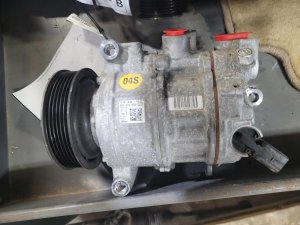
This guide covers common failure symptoms, replacement costs, and how to choose a quality used A/C compressor for your 2013-2020 Audi Q5, A4, A5, A6, allroad, Q7, S4, S5, or SQ5.
- System contamination is the biggest risk. If the old compressor failed internally, you MUST flush the system and replace the receiver/drier and expansion valve, or the new compressor will fail.
- Engine compatibility is critical. Different engines (e.g., 2.0T vs. 3.0L V6) use different compressors. Always match the OEM part number from your original unit.
- A carefully inspected, low-mileage used OEM compressor is often a more reliable and cost-effective choice than a new, cheap aftermarket part.
- This is not a beginner DIY job. It requires specialized equipment to handle refrigerant legally and safely, making professional installation highly recommended.
Symptoms of a Failing Audi A/C Compressor
When the A/C compressor in your Audi begins to fail, it will usually provide several warning signs. Paying attention to these symptoms can help you diagnose the problem before it causes more extensive damage to the A/C system.
- Warm Air From Vents: The most obvious symptom is a lack of cold air. If the compressor can't properly pressurize the refrigerant, the system cannot remove heat from the cabin. This can be a gradual decline in cooling performance or a sudden stop.
- Inconsistent Cooling: You might notice the air blows cold for a while, then warm, then cold again. This often points to a failing A/C compressor control valve, which is responsible for regulating the compressor's output.
- Unusual Noises: A grinding, rattling, or squealing sound from the engine bay that starts or changes when you turn the A/C on is a major red flag. These noises often indicate failing internal bearings or a problem with the compressor's clutch mechanism. A rattling noise when the A/C is on could also be related to a faulty N280 regulating valve, as noted in a Technical Service Bulletin (TSB) for some models.
- Visible Refrigerant Leaks: The compressor has seals that can fail over time, leading to leaks. You might see a greasy, grimy residue on the body of the compressor. The leaking substance is a mix of refrigerant and PAG oil.
- Compressor Clutch Not Engaging: On these models, the outer pulley of the compressor is always spinning with the serpentine belt. When you turn on the A/C, an internal clutch or the variable displacement valve should engage to start the compression cycle. If it fails to engage, you won't get cold air. This can be due to a bad clutch, a faulty control valve, or an electrical issue.
Known Issues, TSBs, and Recalls
While there are no widespread recalls specifically for the A/C compressor on these models, there are some related technical service bulletins (TSBs) and recalls that are important to be aware of.
- TSB A871449 2020124: This TSB addresses an issue on some 2013 A4, S4, A5, S5, and Q5 models where the A/C pressure/temperature sensor (G395) leaks refrigerant. This can cause the compressor to deactivate.
- TSB 87 21 18 2061277: For some 2019-2022 A6, A7, and related models, this bulletin notes that a manufacturing issue with the N280 regulating valve inside the compressor can cause diminished cooling or a rattling noise. The fix involves replacing either the valve or the entire compressor.
- Recall 80C5 (NHTSA 17V622): This safety recall affects certain 2013-2016 A4, allroad, Q5, A5 Coupe, and A5 Cabriolet models. It concerns the auxiliary heater's electrical connector, which can corrode and overheat, potentially causing a fire. While not directly part of the A/C compressor, it is a critical component of the vehicle's climate control system.
- Evaporator Leaks: A TSB for a wide range of 2017-2025 Audi models, including the A4, Q5, and Q7, notes that the A/C evaporator inside the dashboard is a potential source of refrigerant leaks, which can be mistaken for a compressor issue.
Engine and Vehicle Compatibility
Warning: Compatibility for this A/C compressor is highly specific. It is used across a wide range of Audi models but is tied to specific engines. The initial data provided contained conflicting information, but research clarifies that different part numbers serve different engines. For example, part numbers like 8T0260805Q and its predecessors are commonly found on the 3.0L V6 supercharged and 3.0L V6 TDI diesel engines. 🎬 See this walkthrough for replacing a TDI A/C compressor Part numbers like 4M0820803 and 8T0260805E are often associated with the 2.0L turbocharged 4-cylinder engine. 🎬 Watch: How to replace the compressor on a 2.0L Audi Always verify the exact OEM part number on your original compressor before purchasing a replacement.
Buying a Used A/C Compressor: What to Look For
A quality used OEM compressor can be a reliable and cost-effective alternative to an expensive new unit. Here’s what to check to ensure you’re getting a good part.
- Verify the Part Number: This is the most critical step. Physically match the OEM part number on the used compressor with your original one. Do not rely on visual similarity alone.
- Inspect the Ports: Look inside the inlet and outlet ports. If you see any dark, gritty residue or metal shavings, reject the part immediately. This is a sign of internal failure, known as "black death," which means the compressor has contaminated the entire A/C system.
- Check the Pulley and Clutch: The pulley should spin freely and smoothly by hand without any grinding or wobbling. Check the electrical connector for any signs of corrosion, melting, or broken pins.
- Look for Clean Oil: A used compressor should have a small amount of clean, clear, or light-colored PAG oil inside. If the oil is dark, black, or milky, it indicates contamination or moisture in the system it came from.
- Ask About the Donor Vehicle: If possible, find out the mileage of the vehicle the compressor was removed from. A lower-mileage part is generally a better choice. Also, ask if the donor vehicle's A/C was working before it was dismantled.
- Why Used OEM is a Smart Choice: A genuine Audi (often Denso or Sanden) used compressor that passes these checks is often built to higher quality standards than a cheap, new aftermarket part. OEM units have better internal tolerances and materials, leading to greater reliability and longevity, making a low-mileage used part an excellent value.
Replacement Overview and Difficulty
- Difficulty Rating: 4 out of 5
- DIY Feasible: Not recommended for beginners.
Replacing the A/C compressor is a complex job. Access is often tight, requiring removal of other components from the bottom of the engine bay. More importantly, the job requires specialized equipment to safely and legally recover the old refrigerant from the system and then vacuum test and recharge it after the new compressor is installed. Releasing refrigerant into the atmosphere is illegal and harmful to the environment.
Critical Step: Whenever an A/C compressor is replaced, you must also replace the receiver/drier (or accumulator) and the expansion valve. If the old compressor failed internally, the entire system must be professionally flushed to remove any metal debris before installing the new parts. Skipping this step will cause the replacement compressor to fail very quickly.
Cost Comparison
Prices can vary significantly based on brand, supplier, and your vehicle's specific model.
| Part/Service | Estimated Cost | Notes |
|---|---|---|
| New OEM | $1,100 - $1,550 | Highest price, but guaranteed fit and quality from the dealer. |
| New Aftermarket | $250 - $550 | Brands like Denso (often the OEM supplier), Nissens, or others. Quality can vary. |
| Used OEM | $50 - $200 | A high-value option if carefully inspected. Prices vary by salvage yard. |
| Remanufactured | $200 - $400 | A rebuilt unit with some new components. Quality depends on the rebuilder. |
| Shop Labor | $150 - $450+ | Includes refrigerant recovery, system flush (if needed), installation, vacuum test, and recharge. Labor costs can be much higher if the dashboard needs to be removed to access other components. |
Frequently Asked Questions (FAQ)
Can I just replace the A/C compressor clutch?
On these modern variable displacement compressors, the clutch is often integrated, and replacing it separately is not common or practical. It is generally more effective to replace the entire compressor assembly.
Do I need to add oil to the replacement compressor?
Yes. New and used compressors come with a certain amount of PAG oil, but you must verify the correct amount for your specific vehicle's A/C system. Too much or too little oil can damage the new compressor. The system's total oil capacity is distributed among the compressor, condenser, evaporator, and receiver/drier.
What happens if I don't flush the system after a compressor failure?
If your old compressor failed internally, it sent tiny metal particles throughout the entire A/C system. If you don't flush these out, they will circulate into your new compressor and destroy it almost immediately. This is the number one cause of premature failure for replacement compressors.
My A/C is blowing warm, but the compressor seems fine. What else could it be?
Several other issues can cause warm air. These include a low refrigerant level due to a leak elsewhere (like the condenser or evaporator), a faulty pressure sensor, a bad A/C control valve, or a problem with the blend doors inside your dashboard that direct airflow.
Helpful Videos
Technical Specifications
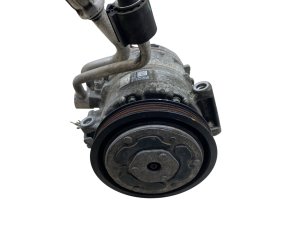
OEM Part Numbers: 4M0816803 4M0820803 80A816803 80A816803E 8T0260805E 8T0260805G 8T0260805H 8T0260805N 8T0260805Q 8T0260805R 8W0816803J 8W5820803A PAB820803
Uses R134A or R1234yf refrigerant depending on model year. Equipped with a variable displacement control valve (solenoid). Not compatible with plug-in hybrid (PHEV) models.
We Have This Part in Stock
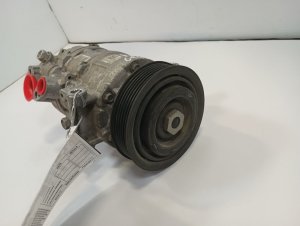
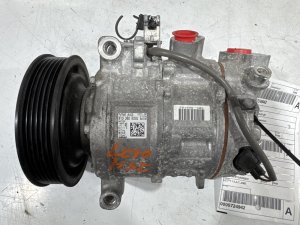
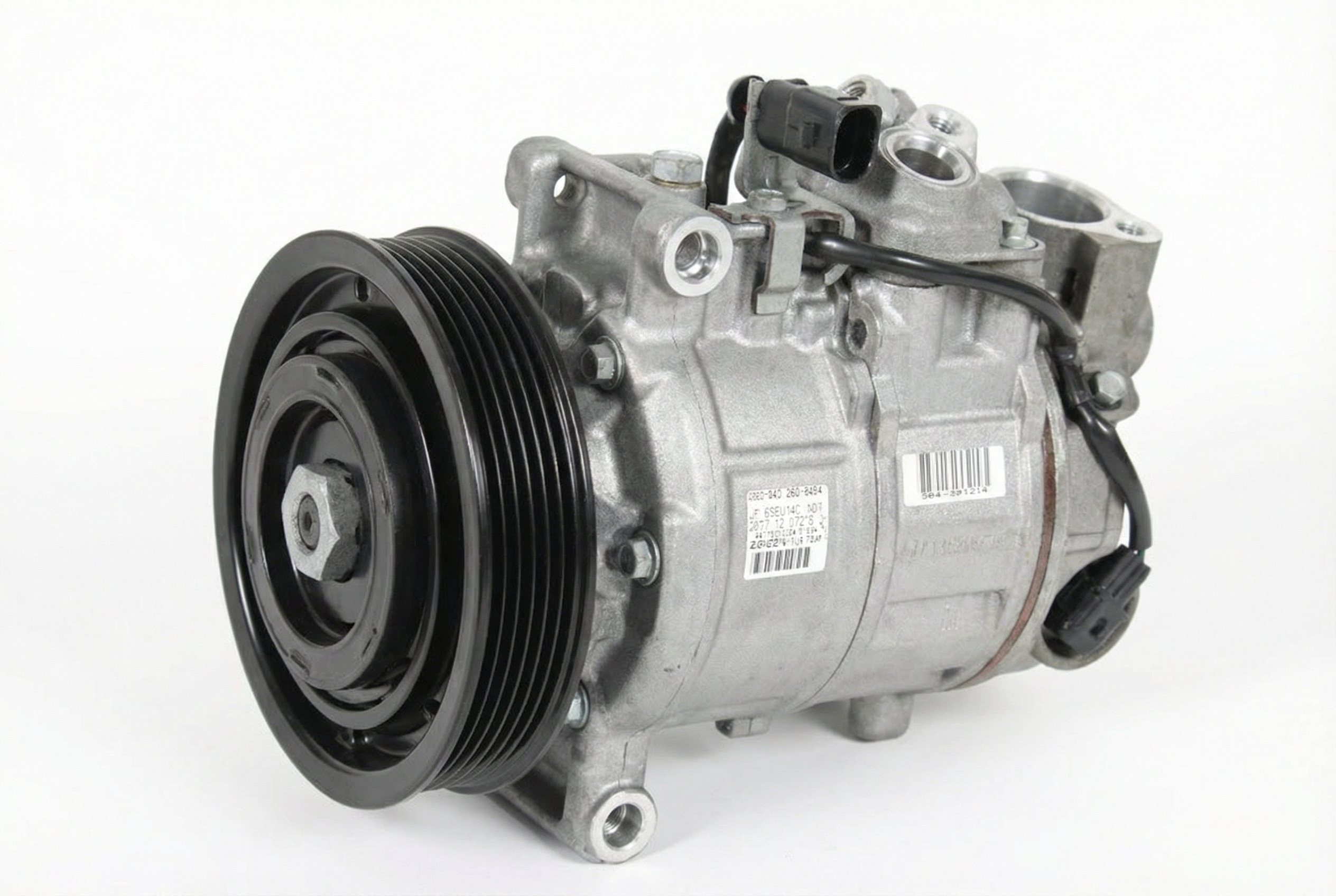

The information in this article is provided for general reference and educational purposes only. Vehicle specifications, procedures, and part compatibility can vary by production date, trim level, and region. Always consult your vehicle's factory service manual and verify part numbers before purchasing or performing repairs. Safety-critical components such as airbags, seat belts, and braking systems should be installed by a qualified professional.
- Audi Q5:
- Audi A4:
- Audi A5:
- Audi A6:
- Audi allroad:
- Audi Q7:
- Audi S4:
- Audi S5:
- Audi SQ5: