

Audi R8 & Lamborghini Gallardo A/C Compressor Guide: Failure Symptoms and Replacement (2004-2015)
Diagnose a failing A/C compressor on your 2008-2015 Audi R8 or 2004-2014 Lamborghini Gallardo, understand the complex replacement, and learn what to inspect on a used unit.
- A/C compressor failure is a common issue on the R8 and Gallardo, often caused by internal seizure from infrequent use.
- Replacement is a very difficult (5/5) and expensive job due to poor access in the mid-engine layout, though it can be done without removing the engine.
- If the old compressor failed internally, you MUST flush the entire A/C system and replace the receiver/drier to prevent immediate damage to the new unit.
- When buying a used compressor, inspect the ports for metal shavings. Any debris indicates a catastrophic failure and the part should be rejected.
Symptoms of a Failing A/C Compressor

A failing A/C compressor on an Audi R8 or Lamborghini Gallardo will present several distinct warning signs. Because compressor failure is a known issue on these models, it's important to address these symptoms early to avoid more extensive damage to the A/C system.
- Warm Air From Vents: The most obvious symptom is the A/C system blowing air that is warm or not as cold as it should be. This happens when the compressor can no longer effectively pressurize the refrigerant.
- Loud Grinding or Squealing Noises: Unusual noises from the engine bay when the A/C is turned on often point to a failing compressor. A grinding or rumbling sound can indicate worn-out internal bearings or other components, while a squeal might suggest a problem with the clutch or pulley. In some cases, the compressor may seize internally, which is a common failure mode for these vehicles.
- A/C Clutch Not Engaging: The compressor's clutch is an electromagnet that, when activated, connects the compressor's pulley to its internal pump. If you turn on the A/C and don't hear the characteristic 'click' of the clutch engaging, or if you can see that the center of the pulley is not spinning with the outer ring, the clutch or the compressor itself may have failed.
- Visible Refrigerant Leaks: The compressor has seals that can fail over time, leading to leaks. You might notice a greasy, oily residue on the body of the compressor or on components nearby. The refrigerant carries a special oil (PAG oil) to lubricate the compressor, and this oil will collect dirt, making leaks visible.
Known Issues for the Audi R8 & Lamborghini Gallardo


The A/C compressor is a known failure point on first-generation Audi R8s (both V8 and V10) and the Lamborghini Gallardo they share a platform with. The primary issue appears to be internal seizure.
- Failure from Lack of Use: The compressor relies on the refrigerant and its lubricating oil to circulate and keep internal parts moving freely. On cars that are not driven often or have the A/C system off for long periods (like during winter), the compressor can seize from lack of lubrication. It is recommended to run the A/C system periodically year-round to prevent this.
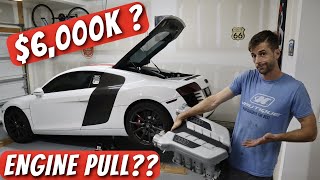
- Drive Hub Failure (V10 Models): On the 5.2L V10 engine shared by the R8 and later Gallardos, the factory cast aluminum drive hub that connects the driveshaft to the compressor can be a weak point and is known to break. At least one aftermarket company manufactures a stronger, steel billet replacement to address 🎬 Watch: Replacing the compressor and drive hub on a V10. this specific issue.
- Internal Failure ("Black Death"): When a compressor fails catastrophically, it can send metal shavings throughout the entire A/C system. This contamination, often called "black death," can clog the condenser, expansion valve, and refrigerant lines. If this occurs, simply replacing the compressor is not enough; the entire system must be thoroughly flushed, and the receiver/drier and expansion valve must be replaced to prevent the new compressor from failing immediately.
Pro Tip: An Audi Technical Service Bulletin (TSB) exists regarding the replacement of faulty A/C compressors, instructing technicians to carefully document the amount of refrigerant and oil recovered from the system. This highlights the importance of ensuring the correct oil balance when installing a new or used unit.
Buying a Used A/C Compressor: What to Inspect

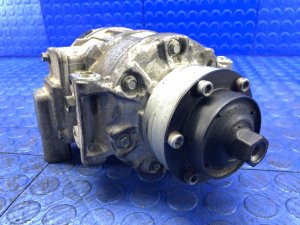
Given the high cost of a new OEM compressor, a quality used OEM unit is a smart choice for many owners. An original Denso compressor is built to a higher standard than many cheap aftermarket alternatives. However, you must inspect a used part carefully before installation.
- Verify Part Numbers: Ensure the part number on the used compressor matches your original part. Common OEM part numbers include 420260805A and 4E0260805AS.
- Check the Ports: The inlet and outlet ports should be capped to prevent moisture and debris from entering. Remove the caps and look inside with a flashlight. Any sign of metallic debris or black, gritty oil is a major red flag. This indicates a catastrophic internal failure, and the compressor is junk. The oil inside should be clean.
- Inspect the Body: Look for cracks in the housing or broken mounting tabs. Check for excessive oily residue that would indicate a major leak.
- Turn the Pulley and Clutch: The outer pulley should spin freely by hand. The inner hub (the clutch) should also turn, though it will have some resistance as it's moving the compressor's internals. If it is completely seized and will not turn at all, the compressor has failed.
- Examine the Electrical Connector: Make sure the electrical connector and any wiring are not cracked, corroded, or damaged.
Replacement Difficulty & Procedure
Replacing the A/C compressor on a 2008-2015 Audi R8 or 2004-2014 Lamborghini Gallardo is a highly advanced and labor-intensive job.
- Difficulty Rating: 5 out of 5.
- DIY Feasible: Not recommended for most DIY mechanics. This job requires specialized A/C evacuation and recharging equipment, extensive disassembly, and working in extremely tight spaces.
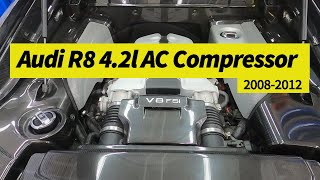
While Audi's official procedure may call for engine removal, especially on the V8 models, it is possible to perform the replacement with the engine in 🎬 See how to replace a Gallardo compressor without engine removal. the car. The process is complex and involves:
- Properly and legally evacuating the R134a refrigerant from the system.
- Draining engine oil and coolant.
- Removing numerous components to gain access, which may include the intake manifold, coolant pipes, thermostat housing, and oil cooler lines.
- Disconnecting the small driveshaft that powers the compressor from the engine. This often requires long extensions and universal joints to access the bolts on the back of the compressor.
- Maneuvering the old compressor out of a very tight space and installing the new one.
- Crucially, replacing the A/C receiver/drier (also called an accumulator). This part absorbs moisture from the system and must be replaced any time the system is opened to the atmosphere.
- Flushing the system if the old compressor failed internally, and replacing the expansion valve.
- Refilling the system with the correct type and amount of PAG oil and R134a refrigerant.
Warning: On the V8 R8, the job is particularly difficult. On V10 🎬 Watch: Step-by-step guide for replacing the V8 R8 compressor. models, access is slightly better, but it remains a very involved process. Failure to properly flush a contaminated system or replace the receiver/drier will lead to repeat failure of the new compressor.
Cost of A/C Compressor Replacement
The cost to replace the A/C compressor on these vehicles is significant, primarily due to the high labor time involved.
| Part/Service | Estimated Cost |
|---|---|
| New OEM Compressor (Audi/Lamborghini) | $1,500 - $2,200 |
| New Aftermarket Compressor (Denso/Nissens) | $350 - $650 |
| Used OEM Compressor | $100 - $300 |
| Shop Labor | $1,000 - $2,000+ |
| Total Professional Replacement | $2,000 - $4,000+ |
Note: Prices are estimates and will vary based on location, the specific parts used, and the extent of repairs needed (e.g., system flush).
Frequently Asked Questions (FAQ)
Do I have to replace the receiver/drier when I replace the compressor?
Yes, absolutely. The receiver/drier contains a desiccant material that absorbs moisture. Once the A/C system is opened, this material becomes saturated and can no longer do its job. Failure to replace it will lead to corrosion and potential failure of the new compressor.
Can I just replace the A/C compressor clutch?
While possible on some vehicles, it is generally not recommended for the R8 and Gallardo. The most common failure mode is internal seizure, not just a bad clutch. Given the extreme labor required to access the compressor, it is far more cost-effective to replace the entire unit rather than risk having to do the job twice.
Is the V8 R8 compressor the same as the V10 R8 and Gallardo compressor?
Yes, the core compressor unit, typically a Denso model like the 7SEU17C, is shared across the V8 and V10 R8 and the Gallardo. Part numbers like 4E0260805AS are listed for all models, confirming they are interchangeable.
What kind of refrigerant and oil do I need?
These vehicles use R134a refrigerant and PAG 46 compressor oil. It is critical to add the correct amount of oil to the new compressor and system to ensure proper lubrication.
Technical Specifications & Part Numbers
This information helps verify compatibility when sourcing a replacement part.
| Specification | Value |
|---|---|
| Compressor Type | Denso 7SEU17C / Sanden PXE16 (Verify by part number) |
| Refrigerant | R134a |
| Compressor Oil | PAG 46 |
| Oil Capacity | ~160-200 ml (total system, verify specific application) |
| Known OEM Part Numbers | 420260805A, 4E0260805AS, 400260805, 400260805A, 400260805B |
| Common Aftermarket Part Numbers | Denso 471-1505, Nissens 89418, UAC CO 11021C |
Helpful Videos

Technical Specifications
OEM Part Numbers: 420260805A 4E0260805AS 400260805 400260805A 400260805B 4E0260805AM 4E0260805Q
Compressor Type: Denso 7SEU17C or similar. Refrigerant: R134a. Oil: PAG 46.
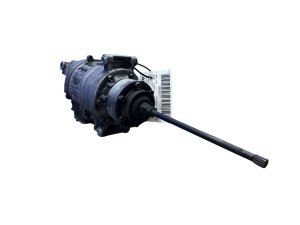
We Have This Part in Stock

The information in this article is provided for general reference and educational purposes only. Vehicle specifications, procedures, and part compatibility can vary by production date, trim level, and region. Always consult your vehicle's factory service manual and verify part numbers before purchasing or performing repairs. Safety-critical components such as airbags, seat belts, and braking systems should be installed by a qualified professional.
- Audi R8:
- Lamborghini Gallardo:
- 🎬 Helpful Videos
- 🛍️ Shop This Part
- Symptoms of a Failing A/C Compressor
- Known Issues for the Audi R8 & Lamborghini Gallardo
- Buying a Used A/C Compressor: What to Inspect
- Replacement Difficulty & Procedure
- Cost of A/C Compressor Replacement
- Frequently Asked Questions (FAQ)
- Technical Specifications & Part Numbers
- 🎟️ Get 5% Off