

2011-2015 Volt & 2014-2015 ELR A/C Compressor: More Than Just Cabin Cooling
This guide explains why a failing A/C compressor in your Chevrolet Volt or Cadillac ELR can cause battery cooling and charging problems, not just a warm cabin.
- This A/C compressor is critical for cooling the high-voltage battery; a failure can prevent the car from charging or driving.
- When replacing, you MUST use non-conductive POE oil. Using standard PAG oil will destroy the compressor.
- Replacement is a high-voltage procedure and should only be performed by qualified technicians.
- A used OEM compressor is a cost-effective alternative to a very expensive new unit, but inspect the high-voltage connector carefully before buying.
Why This A/C Compressor is Different
Unlike a conventional car where a broken A/C is just an inconvenience, a faulty A/C compressor in a Chevrolet Volt or Cadillac ELR can be a much more serious problem. These vehicles rely on the A/C system to actively cool the main high-voltage battery pack. Without this cooling function, the battery can overheat, leading to reduced performance, a shorter lifespan, and even an inability to charge the vehicle. The compressor is a sophisticated, high-voltage electric component integrated into the vehicle's main power systems, not a simple belt-driven accessory.
Symptoms of a Failing A/C Compressor
Because this compressor serves two different systems, you may notice a variety of symptoms. Some are obvious, while others can be misleading.
Obvious Symptoms
- No Cold Air in Cabin: The most common symptom is warm or hot air blowing from the vents when the A/C is turned on.
- Strange Noises: While less common in electric compressors than belt-driven ones, grinding, whining, or clicking sounds can indicate an internal failure.
- Visible Leaks: The A/C system contains a special fluorescent dye mixed with the oil. A leak may appear as a bright green, oily substance on or around the compressor body.
Less Obvious (But More Serious) Symptoms
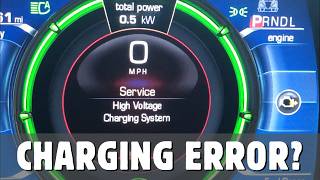
- "Service High Voltage Charging System" Warning: If the car detects it cannot cool the battery, it may trigger this warning message and prevent operation. 🎬 Watch: How to reset the High Voltage Charging System error
- Inability to Charge: The battery management system may prevent charging, especially Level 2 or DC fast charging, if it cannot keep temperatures within a safe range.
- Reduced Electric Range: The vehicle may run the gasoline engine more frequently to help manage battery temperatures or because the battery cannot operate at full capacity when hot.
- Check Engine Light: Various Diagnostic Trouble Codes (DTCs) related to the A/C compressor control module or loss of refrigerant pressure can trigger the check engine light. 🎬 Watch: Understanding hybrid codes P1E00 and P0AA6 on high-mileage Volts
Known Issues, TSBs, and Recalls
While there are no widespread recalls for this specific compressor, General Motors did issue internal documents for technicians. Preliminary Information (PI) bulletin PI0605A (later superseded) placed the A/C compressor for the Chevrolet Volt (part number 22753244) on a restriction program shortly after the vehicle's launch. This meant dealers had to contact GM's Technical Assistance Center (TAC) to review diagnostic data before a replacement compressor would be shipped. This level of monitoring suggests GM was closely tracking early failures to understand the root cause, highlighting the component's importance and sensitivity.
Warning: This is a high-voltage component. Replacement requires de-energizing the vehicle's main battery system. This procedure is extremely dangerous and can result in severe injury or death if not performed correctly. This repair should only be attempted by qualified professionals or individuals with specific training in high-voltage vehicle systems.
Buying a Used A/C Compressor: What to Check
Due to the high cost of a new OEM compressor, a quality used OEM unit is an excellent value. Here’s what to look for when buying a recycled part:
- Verify Part Numbers: Match your original part number to the replacement. Common part numbers include 22753244, 19353337, 22799205, and 22878686. While they are often interchangeable for these models, an exact match is always best.
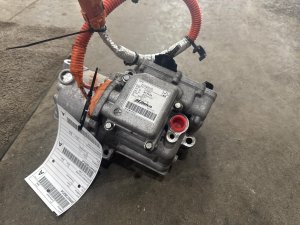
- Inspect the High-Voltage Connector: The large orange electrical connector is the most important area to inspect. Look for any signs of corrosion, melting, or damage to the pins. Do not buy a compressor with a damaged connector.
- Check for Physical Damage: Inspect the aluminum body for cracks, deep gouges, or signs of being dropped.
- Ensure Ports are Capped: A reputable seller will have capped or plugged the inlet and outlet ports to prevent moisture and debris from entering the compressor. Moisture is the enemy of an A/C system and can lead to premature failure.
- Ask About the Donor Vehicle: Ask the seller for the mileage of the vehicle it came from. Lower mileage is generally better. Also, ask if the A/C was functional before the vehicle was dismantled.
Replacement Overview & Critical Steps
Professional installation is strongly recommended. The difficulty is high due to the specialized procedures and tools required.
- High-Voltage System Deactivation: This is the first and most critical safety step.
- Refrigerant Recovery: A certified technician must use an EPA-approved machine to recover any remaining R-134a refrigerant from the system.
- Component Removal: The compressor is unbolted, and the A/C lines and electrical connector are detached.
- Add the Correct Oil: This is the most critical step of the installation. The system requires a specific non-conductive POE (Polyolester) oil. DO NOT use PAG oil. PAG oil is electrically conductive and will short out the high-voltage windings inside the compressor, destroying the new part and potentially causing other system faults.
- Installation and Vacuum: The new compressor is installed, and the system is placed under a deep vacuum for at least 30-45 minutes to boil off any residual moisture.
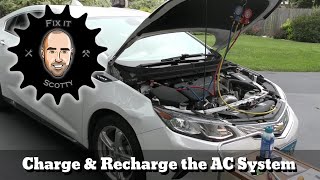
- Refrigerant Recharge: The system is recharged with the precise amount of R-134a refrigerant specified on the under-hood sticker. 🎬 See this walkthrough for recharging the A/C and clearing codes
- High-Voltage System Reactivation: The system is safely re-energized, and the vehicle is tested.
Replacement Cost Breakdown
Prices can vary significantly by location and shop. These are estimates to help you understand the potential costs.
| Item | Estimated Cost |
|---|---|
| New OEM A/C Compressor | $1,500 - $2,000 |
| New Aftermarket A/C Compressor | $400 - $700 |
| Remanufactured A/C Compressor | $300 - $600 |
| Used OEM A/C Compressor | $150 - $450 |
| Shop Labor (including refrigerant service) | $600 - $1,000 |
Frequently Asked Questions
Can I drive my Volt or ELR with a bad A/C compressor?
It is not recommended. While the car may drive for a short time, the inability to cool the battery will eventually cause the vehicle to limit power, stop charging, and potentially shut down to protect the battery from damage. Driving in this condition, especially in warm weather, risks expensive damage to the high-voltage battery.
Why is using POE oil so important instead of regular PAG oil?
This is an electric compressor powered by the high-voltage battery. POE oil is non-conductive (a dielectric), which prevents electricity from shorting through the oil to the compressor housing. Standard PAG oil is conductive and will cause an immediate electrical failure within the compressor, destroying it.
My A/C is just leaking. Do I have to replace the whole compressor?
Not always, but often, yes. Leaks can occur from seals or lines connected to the compressor. However, a common failure point is the seals on the compressor body itself. If the leak is from the compressor housing, replacement is the only reliable repair.
Does a replacement A/C compressor need to be programmed?
No, the compressor itself does not typically require programming. It is a component that receives commands from the Hybrid Powertrain Control Module. However, after replacement, it is a good practice to have a technician clear any related fault codes from the system's various modules.
Helpful Videos

Technical Specifications
OEM Part Numbers: 22753244 19353337 22799205 22878686
Refrigerant Type: R-134a, Required Oil Type: POE (Polyolester) Oil - Non-Conductive/Dielectric
We Have This Part in Stock

The information in this article is provided for general reference and educational purposes only. Vehicle specifications, procedures, and part compatibility can vary by production date, trim level, and region. Always consult your vehicle's factory service manual and verify part numbers before purchasing or performing repairs. Safety-critical components such as airbags, seat belts, and braking systems should be installed by a qualified professional.
- Cadillac ELR:
- Chevrolet Volt:
- 🎬 Helpful Videos
- 🛍️ Shop This Part
- Why This A/C Compressor is Different
- Symptoms of a Failing A/C Compressor
- Obvious Symptoms
- Less Obvious (But More Serious) Symptoms
- Known Issues, TSBs, and Recalls
- Buying a Used A/C Compressor: What to Check
- Replacement Overview & Critical Steps
- Replacement Cost Breakdown
- Frequently Asked Questions
- 🎟️ Get 5% Off