

2012-2019 Fiat 500 A/C Compressor: Clutch Failures, Leaks, and Replacement Costs
This guide covers common failure symptoms, replacement costs, and how to inspect a used A/C compressor for your 2-door Fiat 500 with the 1.4L engine.
- This compressor only fits the 2-door Fiat 500 with the 1.4L engine, not the 500L, 500X, or 500e.
- A TSB exists for defective clutches on models built before October 2015; later models have an improved design.
- Replacement is not DIY-friendly as it requires a special machine to legally and safely recover and recharge the refrigerant.
- When replacing the compressor, you MUST also replace the receiver/drier and system O-rings to prevent premature failure.
A/C Compressor Failure Symptoms in the Fiat 500

When the A/C compressor in a 2012-2019 Fiat 500 begins to fail, the signs can range from subtle to obvious. Paying attention to these symptoms can help you diagnose the problem before it causes more extensive damage to the A/C system.
1. No Cold Air or Intermittent Cooling
The most common symptom is a complete lack of cold air from the vents. You might also notice the air is cool but not cold, or that it cycles between cool and warm. This can happen when the compressor is too weak to build adequate pressure or when the clutch fails to engage.
2. Grinding, Squealing, or Clicking Noises
Unusual noises that start when you turn on the A/C are a major red flag.
- Grinding or Squealing: This often points to a failing internal bearing or a seized compressor. In some cases, a seized compressor pulley can cause the serpentine belt to snap, which will make the car undriveable.
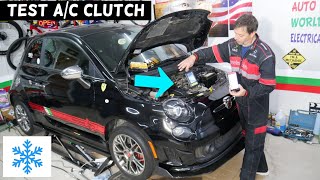
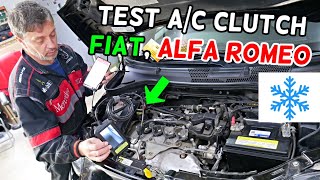
- Clicking: A rapid clicking sound can indicate the A/C clutch is trying to engage but failing. 🎬 See how to test if your A/C clutch is engaging. This could be an electrical issue, a problem with the clutch itself, or low refrigerant pressure preventing engagement.
- Melted Connector: In severe cases of bearing failure, extreme heat can melt the electrical connector on the compressor.
3. Visible Refrigerant Oil Leaks
The A/C system uses a special oil (PAG 46 for this model) that circulates with the refrigerant. If you see a greasy, often greenish substance on the body of the A/C compressor, around the hose connections, or near the front shaft seal, it's a clear sign of a leak. The compressor's internal seals can wear out over time, causing these leaks.
Compatibility Warning: This A/C compressor is only for the 2-door Fiat 500 models (Pop, Lounge, Abarth, etc.) with the 1.4L gasoline engine. It will NOT fit the 4-door Fiat 500L, the 500X crossover, or the all-electric 500e. These models use entirely different A/C systems and compressors. Always verify the part number for your specific vehicle.
Known Issues, TSBs, and Recalls

While there are no specific NHTSA recalls for the A/C compressor on the 2012-2019 Fiat 500, there is an important Technical Service Bulletin (TSB) to be aware of.
TSB for Defective A/C Compressor Clutch
A known issue involves a defective compressor clutch on earlier models. According to TSB MC-10140504-9999, Fiat updated the clutch design to improve durability. Compressors manufactured before October 1, 2015, may have the older, more failure-prone clutch. Assemblies with a serial number beginning with 51001***** or higher are equipped with the improved clutch design. When purchasing a used part, it is wise to look for a unit from a later model year if possible.
Buying a Used A/C Compressor: What to Check

A used OEM compressor can be a reliable and cost-effective alternative to expensive new parts, especially when compared to cheap aftermarket units with questionable quality. Here’s what to inspect before you buy.
- Check the Pulley and Clutch: Spin the outer pulley by hand. It should spin smoothly and quietly. A rough or noisy pulley bearing is a deal-breaker. Next, try to spin the center plate of the clutch. It should also turn, though with more resistance as you are turning the compressor's internal parts. If the pulley is seized or the clutch plate won't turn, reject the part.
- Inspect for Leaks: Look for any oily residue, especially around the seams where the compressor halves meet and where the refrigerant lines connect. A clean, dry compressor is a good sign.
- Ensure Ports are Capped: A reputable seller will cap the inlet and outlet ports to prevent moisture and debris from entering the compressor. A compressor that has been stored with open ports is likely contaminated and should be avoided. Moisture is the enemy of an A/C system.
- Examine the Body and Connector: Check the aluminum housing for any cracks or significant damage from impact. Ensure the electrical connector is intact and not melted or broken.
- Verify Part Numbers: The most current Mopar part number is 68225320AA. This number replaces older versions like 55111319AA, R5111319AA, and RL111319AA. Matching the part number is the best way to ensure compatibility.
Replacement Overview & Difficulty
Replacing the A/C compressor on a Fiat 500 is a moderately difficult job, primarily because of tight access and the need for specialized equipment.
- Difficulty Rating: 4 out of 5
- DIY Feasibility: Not recommended for beginners. The law requires the use of a special machine to safely recover refrigerant from the system before starting work. Releasing it into the air is illegal and harmful to the environment.
High-Level Replacement Steps:
- Have a professional shop evacuate all refrigerant from the A/C system.
- Disconnect the battery.
- Loosen the serpentine belt tensioner and remove the belt from the compressor pulley.
- From underneath or through the passenger side wheel well, unbolt the two refrigerant lines from the compressor (10mm bolts). Be prepared to replace the O-ring seals.
- Disconnect the single electrical connector.
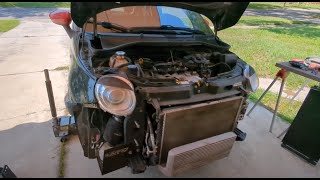
- Remove the three mounting bolts (13mm) that hold the compressor to the engine block. The compressor can then be maneuvered out of the engine bay. 🎬 Watch this step-by-step guide to replacing the compressor.
- CRITICAL: Install a new receiver/drier (also called an accumulator). Skipping this step will void the warranty on most new/reman compressors and will likely cause premature failure of the replacement part.
- Install the new compressor, ensuring it is filled with the correct amount of PAG 46 oil.
- Take the vehicle back to a shop to have the system put under a deep vacuum to boil off any moisture, and then professionally recharged with the exact weight of R134a refrigerant specified for the vehicle.
Pro Tip: If the old compressor failed internally (a "black death" failure), it has likely sent metal debris throughout the entire A/C system. In this case, you must also replace the condenser and expansion valve, and thoroughly flush the evaporator and lines before installing the new compressor. Failure to do so will cause the new compressor to fail almost immediately.
Cost to Replace a Fiat 500 A/C Compressor
The cost can vary significantly based on the parts you choose and local labor rates.
| Part Type | Estimated Cost |
|---|---|
| New OEM (Mopar) | $785 - $1,205 |
| New Aftermarket | $130 - $355 |
| Used OEM | $80 - $150 |
| Shop Labor | $200 - $700 |
Frequently Asked Questions (FAQ)
Can I just replace the A/C compressor clutch?
While clutch kits are sometimes available, replacing just the clutch is a difficult job that requires special tools. Given the TSB regarding defective clutches on early models and the affordable cost of complete used or aftermarket compressors, it is often more practical and reliable to replace the entire compressor assembly.
Do I need to add oil to the new compressor?
Maybe. New and remanufactured compressors often come pre-filled with oil, but you must verify the amount is correct for your vehicle's system. It's critical to drain the oil from the new compressor and the old one to measure how much was in the old part. Then, add the correct total system amount of fresh PAG 46 oil, distributing it between the compressor, condenser, and receiver/drier as per the service manual.
Why is my A/C blowing hot after a recharge?
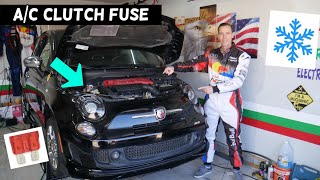
If the system doesn't hold a charge for long, you have a leak. Common leak points on the Fiat 500 are the condenser (which looks like a small radiator in front of the main radiator) and the compressor shaft seal. If the system is fully charged but the compressor clutch doesn't engage, the problem could be electrical, such as the A/C pressure switch or the clutch fuse (Fuse F19 in the under-hood fuse box 🎬 Watch: How to find and replace the A/C clutch fuse.).
What other parts should I replace with the compressor?
You MUST replace the receiver/drier (accumulator) and the O-rings for the refrigerant lines anytime the system is opened. If the old compressor failed catastrophically, you should also replace the condenser and expansion valve to prevent contamination from destroying the new compressor.
Helpful Videos
Technical Specifications
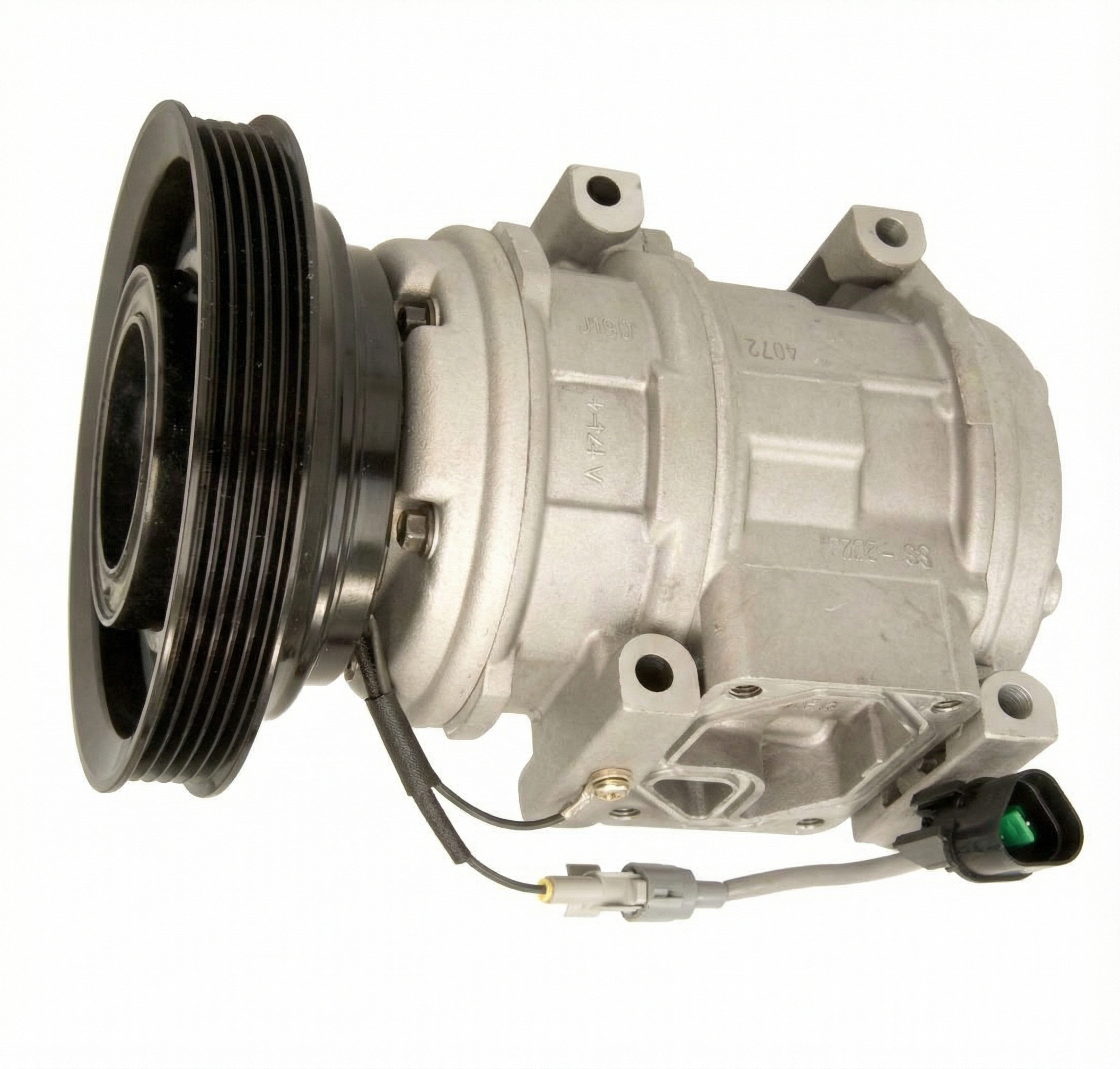
OEM Part Numbers: 68225320AA 55111319AA R5111319AA RL111319AA
Refrigerant Type: R134a, Oil Type: PAG 46, Pulley Grooves: 5
We Have This Part in Stock

The information in this article is provided for general reference and educational purposes only. Vehicle specifications, procedures, and part compatibility can vary by production date, trim level, and region. Always consult your vehicle's factory service manual and verify part numbers before purchasing or performing repairs. Safety-critical components such as airbags, seat belts, and braking systems should be installed by a qualified professional.
- Fiat 500:
- 🎬 Helpful Videos
- 🛍️ Shop This Part
- A/C Compressor Failure Symptoms in the Fiat 500
- 1. No Cold Air or Intermittent Cooling
- 2. Grinding, Squealing, or Clicking Noises
- 3. Visible Refrigerant Oil Leaks
- Known Issues, TSBs, and Recalls
- TSB for Defective A/C Compressor Clutch
- Buying a Used A/C Compressor: What to Check
- Replacement Overview & Difficulty
- Cost to Replace a Fiat 500 A/C Compressor
- Frequently Asked Questions (FAQ)
- 🎟️ Get 5% Off