

2008-2012 Ford Taurus, Flex, MKS, MKT & More A/C Compressor Failure Guide
Diagnosing warm A/C, grinding noises, and clutch problems on the Ford/Lincoln D3 platform and what to look for when buying a used compressor.
- A failing compressor often makes grinding/rattling noises or causes the A/C to blow warm. However, electrical issues like a bad relay or sensor can also prevent it from working.
- If the compressor failed internally (seized or made noise), you MUST replace the receiver/drier and expansion valve and flush the system to prevent debris from destroying the new part.
- These vehicles use R134a refrigerant and PAG 46 viscosity compressor oil. Using the wrong oil will cause premature failure.
- A used OEM compressor is often a more reliable and affordable option than a cheap new aftermarket unit. Inspect it for signs of seizure or leaks before buying.
Symptoms of a Failing A/C Compressor
A bad A/C compressor on these Ford, Lincoln, and Mercury models will provide several clear warning signs. Catching them early can sometimes prevent more expensive damage to other A/C components.
1. A/C Blows Warm or Cool, Not Cold Air
This is the most common symptom of a failing compressor. The compressor may be too weak to properly pressurize the refrigerant, or it may not be engaging at all. You might notice the air is only slightly cooler than the outside air, or it may blow completely warm. While low refrigerant is also a common cause of warm A/C, it often points to a leak somewhere in the system, and the compressor seals are a frequent culprit.
2. Loud Grinding, Rattling, or Squealing Noises
Unusual noises from the engine bay that start when you turn on the A/C are a major red flag.
- Grinding or Rattling: This often points to failing internal bearings inside the compressor. If the compressor seizes, it can make a loud grinding sound and may shred the serpentine belt, which would also cause you to lose power steering and the alternator.
- Squealing: A loud squeal can be caused by a slipping serpentine belt if the compressor pulley is seizing. It can also indicate a failing clutch bearing.
3. The A/C Clutch Does Not Engage
The A/C clutch is the front part of the compressor pulley that clicks on and starts spinning when you turn on the A/C. You can visually inspect this with the engine running. If the center plate of the pulley never spins, but the outer pulley does, the clutch is not engaging. This can be caused by several issues:
- A failed clutch coil (the electromagnet that pulls the clutch plate in).
- An excessive air gap between the clutch plate and the pulley.
- A bad A/C relay or blown fuse.
- Low refrigerant pressure (a safety switch prevents engagement to protect the compressor).
- A faulty pressure switch or evaporator temperature sensor.
4. Visible Refrigerant Leaks
The compressor contains seals that can wear out and leak over time. Since refrigerant oil circulates with the refrigerant, a leak will often look like a greasy or oily residue on the body of the compressor or on components nearby. You may also notice a sweet, chemical smell.
Known Issues, TSBs, and Recalls
While there are no major recalls specifically for the A/C compressor on these vehicles, some related issues and Technical Service Bulletins (TSBs) are worth noting.
- TSB 09-21-3 (2009 Ford Flex): For vehicles built on or before April 20, 2009, Ford issued a TSB for "inconsistent discharge air temperature." This could be related to the compressor or other control system components.
- Intermittent Operation (Ford Flex): Owners have reported intermittent A/C operation where the system blows warm and then starts working again. This is often traced to electrical issues, such as a faulty cooling fan controller or a bad evaporator temperature sensor, rather than the compressor itself.
- Heater Performance TSB (Flex/MKT): TSB 12-4-2 was issued for the 2009-2012 Flex and 2010-2012 MKT for reduced heater performance at idle in cold weather, which required a PCM reprogram. While not a compressor issue, it highlights that HVAC performance can be tied to software.
- Blend Door Actuator Failure: A common issue on this platform is a clicking or popping sound from the dashboard, often accompanied by air not blowing from the correct vents or at the right temperature. This is typically a failed blend door actuator, not a compressor problem. 🎬 Watch this guide on diagnosing blend door actuators
Buying a Used A/C Compressor: What to Check
A used OEM compressor can be a reliable and cost-effective alternative to expensive new parts, especially when cheap aftermarket units have a high failure rate. Here’s what to inspect before you buy.
Pro Tip: A failed compressor can contaminate the entire A/C system with metal shavings, a condition known as "black death." If the old compressor failed internally, you MUST replace the A/C receiver/drier and expansion valve, and thoroughly flush the lines, condenser, and evaporator to prevent the debris from destroying the replacement compressor.
1. Physical Inspection
- Turn the Pulley and Clutch: The outer pulley should spin freely by hand with a smooth, quiet bearing. The inner clutch hub (the center plate) should also turn by hand. If it is seized and will not turn, the compressor has failed internally. Do not buy it.
- Check for Leaks: Inspect the compressor body, especially around the seals where the two halves of the case meet and where the lines connect. Any heavy, oily residue indicates a leak.
- Inspect the Ports: Look inside the suction and discharge ports. If you see any metallic glitter or black, gummy sludge, the compressor has suffered an internal failure and contaminated the system it came from. Avoid it. The ports should be clean and capped to prevent moisture and debris from entering.
- Examine the Clutch: Check the clutch plate for signs of extreme heat, such as discoloration or melted rubber dampeners. Ensure the plate isn't warped and sits parallel to the pulley.
2. Verify Compatibility
This compressor is used across the 3.5L V6 (including EcoBoost) and 3.7L V6 engines in this platform. However, part numbers have been updated over the years.
- Original Part Number: 8G1Z-19703-AA
- Superseded Part Number: 9G1Z-19703-B
3. Mileage and Source Vehicle
Ask for the mileage of the donor vehicle. A compressor from a lower-mileage vehicle (under 100,000 miles) is always preferable. Also, confirm the reason the vehicle was taken off the road. A part from a collision-damaged vehicle is generally a safer bet than one from a car that was scrapped due to mechanical failure.
Cost of A/C Compressor Replacement
The cost can vary significantly based on whether you do the work yourself and what parts you choose. If the old compressor failed internally, the cost will be higher due to the need to replace other components and flush the system.
| Part/Service | Estimated Cost |
|---|---|
| New OEM Compressor | $540 - $770 |
| New Aftermarket Compressor | $250 - $550 |
| Used OEM Compressor | $75 - $150 |
| Shop Labor (Compressor Only) | $195 - $300 |
| Shop Labor (Full System Job) | $400 - $700+ |
| A/C Drier & Expansion Valve | $50 - $100 |
| Evacuate & Recharge Service | $150 - $250 |
| Total Professional Job (Full System) | $900 - $1,500+ |
Replacement Overview & Difficulty
Replacing the A/C compressor is a moderately difficult job that requires special tools. Access on these vehicles can be tight, particularly for the lower mounting bolts.
- Difficulty: 4 out of 5
- Estimated Time: 2.5 - 4 hours (plus time for evacuation and recharge)
- DIY Feasible: For experienced mechanics only. 🎬 Watch this step-by-step compressor replacement walkthrough
Warning: The A/C system is under high pressure and contains refrigerant that is hazardous. It is illegal to vent it into the atmosphere. The system must be properly evacuated by a licensed professional with an EPA-certified recovery machine before any work begins.
Key Steps:
- Have the system professionally evacuated.
- Disconnect the battery.
- Remove the serpentine drive belt.
- Disconnect the electrical connector and the A/C line manifold from the back of the compressor.
- Remove the compressor mounting bolts. Access may require removing the cooling fans or other components.
- Install the new compressor, ensuring the correct amount of PAG 46 oil is added.
- Crucially, replace the receiver/drier and the thermal expansion valve(s). The Ford Flex and Lincoln MKT with rear A/C have two expansion valves.
- Reconnect all lines with new, lubricated O-rings.
- Have the system professionally vacuumed for at least 45 minutes to remove air and moisture, then recharged to the factory specification.
Frequently Asked Questions (FAQ)
Can I just replace the A/C clutch and not the whole compressor?
Sometimes. If the compressor itself is still good and only the clutch coil, bearing, or plate has failed, you can replace just the clutch assembly. However, if the compressor has seized or is noisy, replacing only the clutch will not solve the underlying problem. Labor for a clutch replacement is often similar to replacing the whole compressor, making a complete used unit a good value.
Do I have to replace the receiver/drier and expansion valve?
Yes. This is mandatory, especially when installing a used or new compressor. The receiver/drier contains a desiccant that absorbs moisture, and it can only hold so much. Opening the system exposes it to air and moisture. Failure to replace these parts will void the warranty on most new/remanufactured compressors and dramatically shorten the life of the replacement part.
How much oil do I need to add to the new compressor?
The total system oil capacity is 5.24 fl oz (155 ml) of PAG 46 oil. New compressors may come with a full or partial charge. It is best practice to drain the oil from the new/used compressor and the old one to measure how much came out. Then, add the correct amount of fresh PAG 46 oil back into the new compressor before installation. Distribute the total oil charge throughout the system components (e.g., half in the compressor, half in the drier/condenser).
Will this compressor fit my 3.5L EcoBoost engine?
Yes, this A/C compressor fits both the naturally aspirated 3.5L/3.7L engines and the turbocharged 3.5L EcoBoost engines in the specified vehicles. The mounting points and pulley are the same.
Helpful Videos
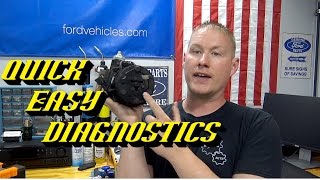

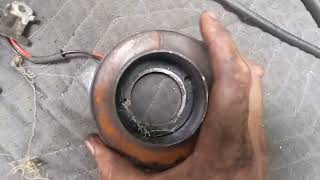
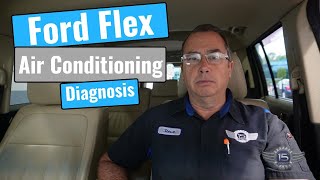

Technical Specifications
OEM Part Numbers: 8G13-19497-AA 8G13-19497-BA 8G1Z-19703-AA 9G1Z-19703-A 9G1Z-19703-B AU2Z-19V703-AB
Refrigerant Type: R134a Refrigerant Capacity: 1.43 lbs (0.65 kg) Compressor Oil Type: PAG 46 Total System Oil Capacity: 5.24 fl oz (155 ml)
We Have This Part in Stock
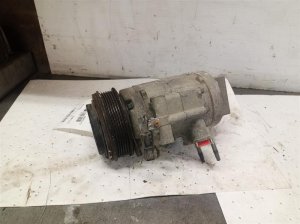

The information in this article is provided for general reference and educational purposes only. Vehicle specifications, procedures, and part compatibility can vary by production date, trim level, and region. Always consult your vehicle's factory service manual and verify part numbers before purchasing or performing repairs. Safety-critical components such as airbags, seat belts, and braking systems should be installed by a qualified professional.
- Ford Taurus:
- Lincoln MKT:
- Ford Flex:
- Lincoln MKS:
- Mercury Sable:
- Ford Taurus X:
- 🎬 Helpful Videos
- 🛍️ Shop This Part
- Symptoms of a Failing A/C Compressor
- 1. A/C Blows Warm or Cool, Not Cold Air
- 2. Loud Grinding, Rattling, or Squealing Noises
- 3. The A/C Clutch Does Not Engage
- 4. Visible Refrigerant Leaks
- Known Issues, TSBs, and Recalls
- Buying a Used A/C Compressor: What to Check
- 1. Physical Inspection
- 2. Verify Compatibility
- 3. Mileage and Source Vehicle
- Cost of A/C Compressor Replacement
- Replacement Overview & Difficulty
- Frequently Asked Questions (FAQ)
- 🎟️ Get 5% Off