

1996-2007 Ford & Mercury A/C Compressor Failure: Windstar, Explorer, Ranger & More
A complete guide to diagnosing, replacing, and buying a used A/C compressor for a wide range of Ford and Mercury vans, trucks, and SUVs.
- When replacing the A/C compressor, you MUST also replace the accumulator/drier and orifice tube/expansion valve to prevent immediate failure of the new compressor.
- A seized compressor can break the serpentine belt, disabling the power steering, alternator, and water pump, which can cause the engine to overheat.
- Before buying a used compressor, ensure its ports are capped and try to turn the center shaft by hand; it should have resistance but not be seized.
- DIY replacement is possible, but the law requires a professional shop to evacuate and recharge the refrigerant.
Symptoms of a Failing A/C Compressor
When an A/C compressor starts to fail, it usually gives off several warning signs. Ignoring them can lead to more expensive repairs, as a catastrophic failure can contaminate the entire A/C system with metal debris.
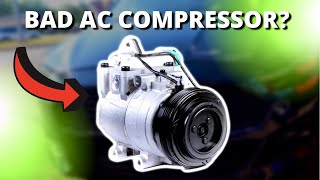
🎬 Watch: A guide to identifying common bad A/C compressor symptoms.- Lukewarm or Warm Air: This is the most obvious symptom. If the air from your vents isn't as cold as it used to be, or is just blowing warm, the compressor may not be effectively pressurizing the refrigerant.
- Strange Noises: A failing compressor can make several noises. You might hear a grinding or squealing sound when the A/C is turned on, which could indicate failing internal bearings or other components. A chattering or rattling sound can also point to a faulty clutch or a seizing compressor shaft.
- A/C Clutch Not Engaging: The compressor has a clutch on the front that is supposed to engage and spin when you turn on the A/C. You should hear a 'click' and see the center part of the pulley start to turn with the belt. If it doesn't engage, it could be a bad clutch, a bad clutch relay, or a safety system preventing it from turning on due to low refrigerant or other issues.
- Visible Refrigerant Leaks: The compressor has seals that can fail over time. You might see a greasy, oily residue on the body of the compressor or on components nearby. This is often a mix of refrigerant and PAG oil. Sometimes, UV dye is added to the system to make these leaks easier to spot with a blacklight.
Vehicle-Specific Issues & Replacement Notes
While these vehicles share a similar A/C compressor, accessing and replacing it can vary. Always verify compatibility based on your specific engine.
1996-2003 Ford Windstar & 2004-2007 Ford Freestar / Mercury Monterey
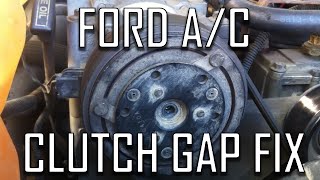
These minivans are known for having A/C issues. On the Windstar (3.8L V6) and Freestar/Monterey (3.9L/4.2L V6), the compressor can be difficult to access. On the Windstar, some mechanics find it necessary to remove the alternator bracket to get the compressor out. On the Freestar/Monterey, access is often easier from underneath the vehicle. A common issue on these vans is the clutch air gap becoming too large, causing the A/C to work intermittently or only at higher RPMs. Sometimes, removing a shim from the clutch can be a temporary fix.
🎬 See how to fix the A/C clutch air gap on your Ford.1996-2003 Ford Explorer & 2001-2005 Explorer Sport Trac
On the 4.0L V6 Explorer and Sport Trac, the A/C compressor is a common failure point. Symptoms often start with intermittent cooling or the clutch cycling on and off rapidly, which can be a sign of low refrigerant or a failing compressor. Replacement on these models often involves removing the air intake tube for better access. A complete replacement video for a Sport Trac shows the detailed steps, including the critical replacement of the orifice tube and receiver/drier.
1996-2001 Ford Ranger
The Ranger, especially with the 4.0L V6, shares its A/C system design with the Explorer of the same era. Failures are similar, often starting with poor cooling or noise. Access on the Ranger is generally considered more straightforward than on the larger SUVs and vans.
1996 Ford E-Series Econoline Vans
For the E-150, E-250, and E-350, a catastrophic compressor failure (known as "black death") is a significant concern. This is when the compressor internally disintegrates, sending metal shavings throughout the entire A/C system. If this happens, simply replacing the compressor is not enough. You must also replace the condenser, accumulator (or receiver/drier), and orifice tube, and thoroughly flush all the lines to prevent the new compressor from failing immediately.
Warning: A seized A/C compressor can sometimes cause the serpentine belt to break. This is a critical failure, as the serpentine belt also runs the alternator, power steering pump, and water pump. If the belt breaks, you will lose power steering and the engine will quickly overheat, leaving you stranded.
Buying a Used A/C Compressor: What to Look For
A quality used OEM compressor can be a great value, often outlasting a cheap new aftermarket part. Here’s what to inspect before you buy:
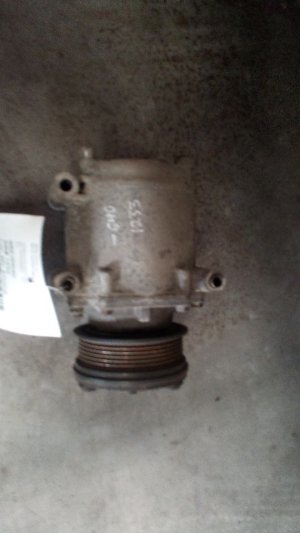
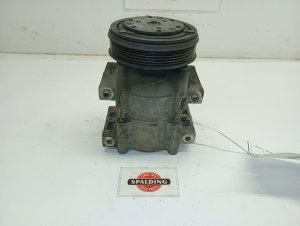
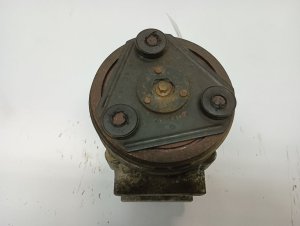
- Check the Clutch and Pulley: The pulley should spin freely and smoothly by hand with no grinding or wobble. The clutch face (the center part) should not be heavily rusted or damaged.
- Turn the Compressor Shaft: With the clutch disengaged, try to turn the center shaft by hand (you may need to use a tool on the center bolt). It should turn with some resistance, and you should feel the compression strokes. If it spins freely with no resistance, it's worn out internally. If it's completely seized and won't turn at all, it's bad.
- Inspect the Ports: The inlet and outlet ports should be capped or plugged. If they are open to the air, moisture and debris have entered the compressor, and it should be considered junk. The desiccant inside the A/C system can be ruined in hours when exposed to open air.
- Look for Leaks: Check the compressor body, especially around the seams where the case halves meet and where the seals for the lines are. Any heavy, oily residue is a sign of a leak.
- Source Vehicle Information: If possible, get the mileage from the vehicle the part came from. A compressor from a lower-mileage vehicle is always a better bet.
Cost Comparison
Replacing an A/C compressor involves more than just the part itself. The system must be professionally evacuated before work begins and recharged afterward. Prices can vary significantly based on your vehicle and location.
| Part/Service | Estimated Cost |
|---|---|
| New OEM Compressor | $840 - $991 |
| New Aftermarket Compressor | $150 - $350 |
| Remanufactured Compressor | $79 - $200 |
| Used OEM Compressor | $50 - $125 |
| Shop Labor (including evacuation & recharge) | $128 - $588 |
| Total Job (Professional) | $969 - $1,180+ |
Pro Tip: Whenever you replace the A/C compressor, you MUST also replace the accumulator (or receiver/drier) and the orifice tube (or expansion valve). Failure to do so will void the warranty on most new and remanufactured compressors and can cause your new compressor to fail prematurely. Debris from the old compressor gets trapped in these components.
Frequently Asked Questions
Do I have to replace the whole compressor if only the clutch is bad?
Sometimes you can replace just the clutch assembly. However, if the clutch failed because the compressor itself was starting to seize, a new clutch will fail again quickly. Often, the cost of a complete used or remanufactured compressor with a clutch is not much more than a new clutch assembly alone, making a full replacement a more reliable repair.
🎬 Watch: How to diagnose and replace the compressor coil and clutch.What is A/C compressor "black death"?
This is a term for a catastrophic internal failure of the compressor. The internal parts break apart, sending a mixture of oil and fine metal shavings (a grey or black sludge) throughout the entire A/C system. If this happens, you must flush all the lines and replace the compressor, condenser, accumulator/drier, and orifice tube/expansion valve to avoid immediate failure of the new parts.
Can I replace the A/C compressor myself?
The mechanical part of swapping the compressor is possible for a DIYer with moderate skills (Difficulty: 3/5). However, the A/C system is filled with refrigerant under pressure, which is illegal and harmful to release into the atmosphere. You must have the system professionally evacuated before starting the work and professionally vacuumed and recharged after the new parts are installed.
Do I need to add oil to the new compressor?
Yes, but the amount is critical. New and remanufactured compressors usually come pre-filled with a certain amount of PAG oil, but you must verify it's the correct amount for your specific vehicle's system. Used compressors will need to be drained and refilled with the correct amount of new PAG 46 oil. Refer to your vehicle's service manual for the total system oil capacity and how to distribute it among the new components.
Helpful Videos

Technical Specifications
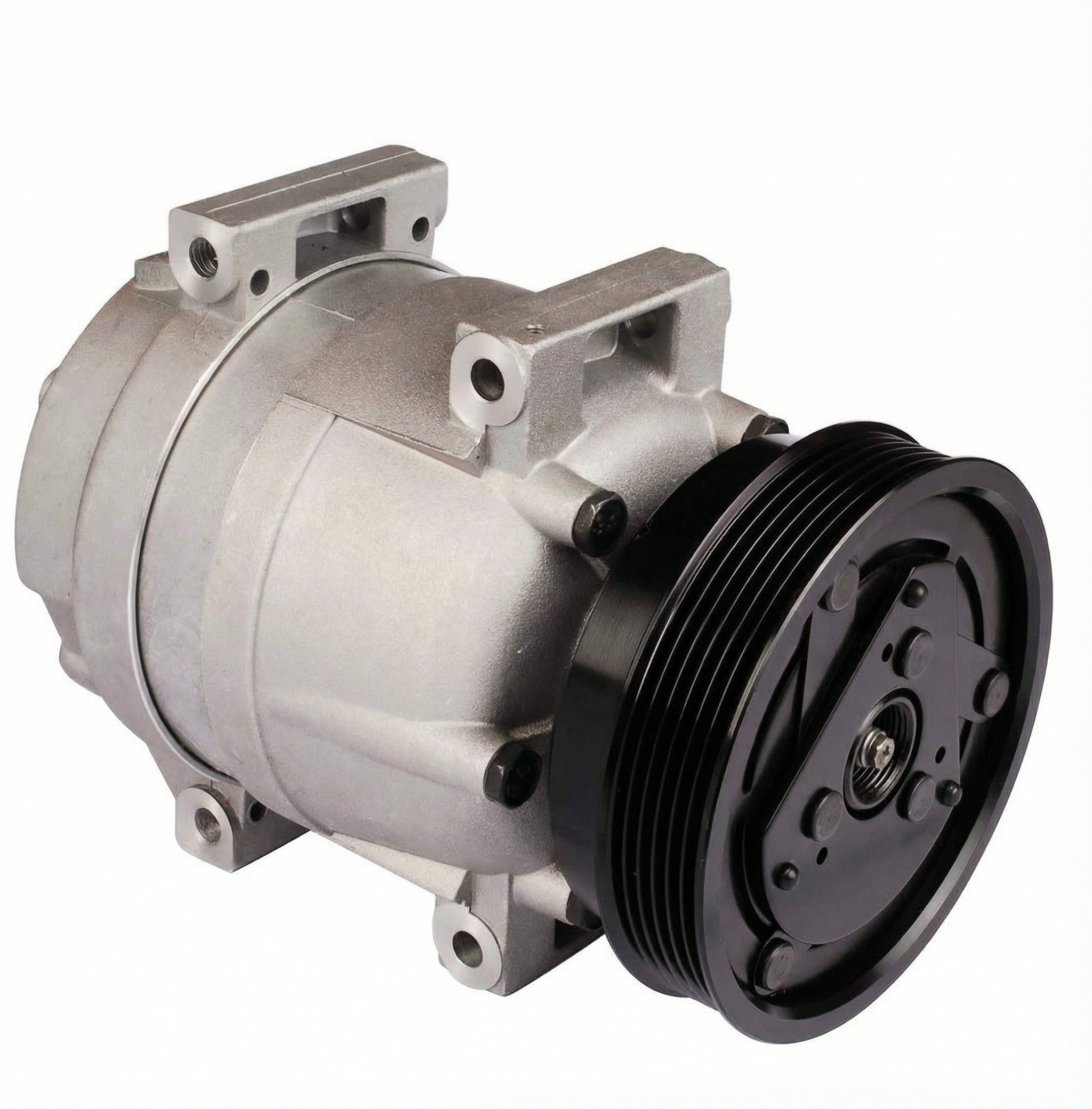
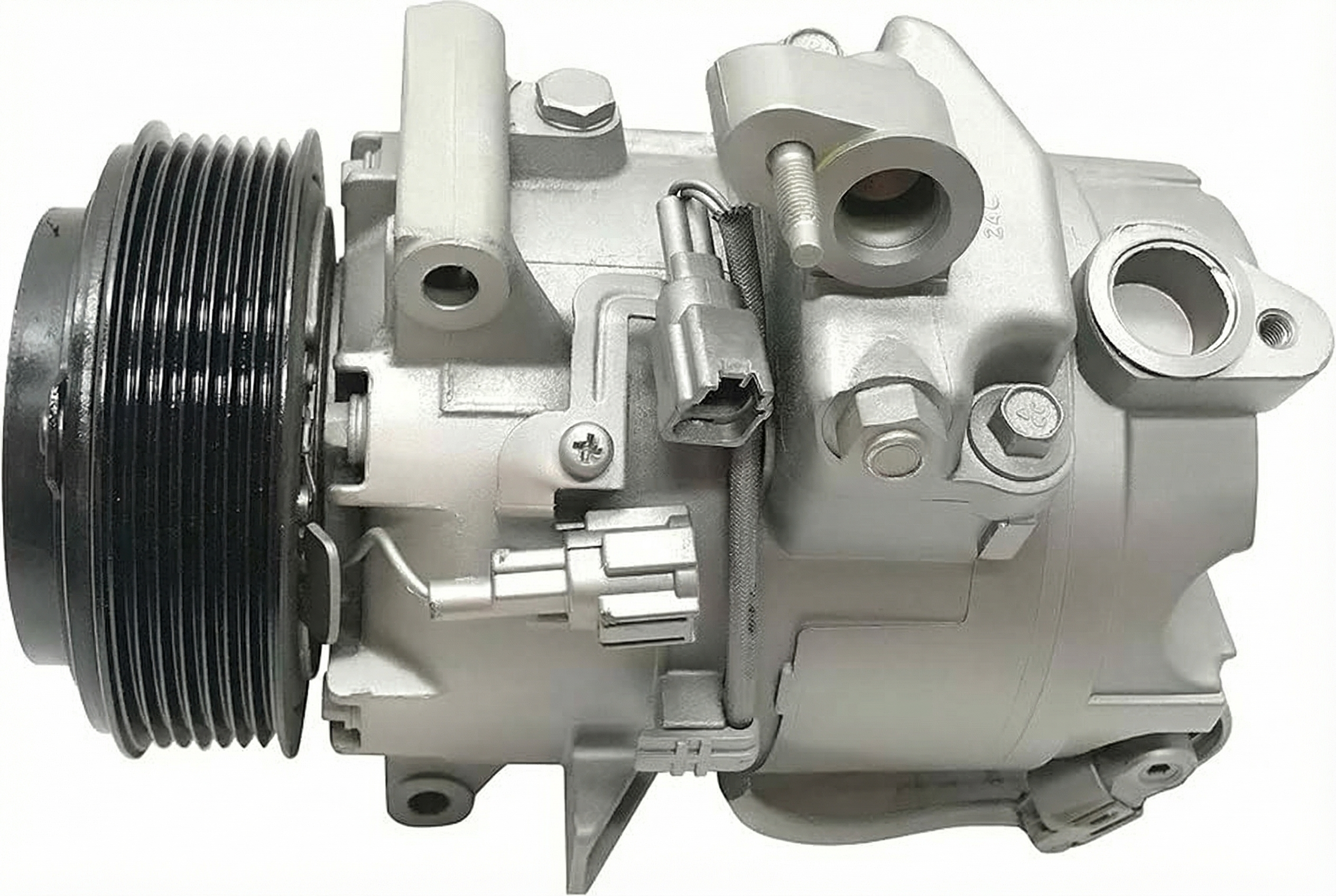
OEM Part Numbers: 4F2Z19703AB 4L2Z19V703AA 4R3Z19703A 6F3Z19D786BA 6F5Z19D786A 96GW19D623AA F10Y19D798A F20Y19D784A F5DH19D623AA F5VY19D784A F5VY19D798A F67H19D623AA
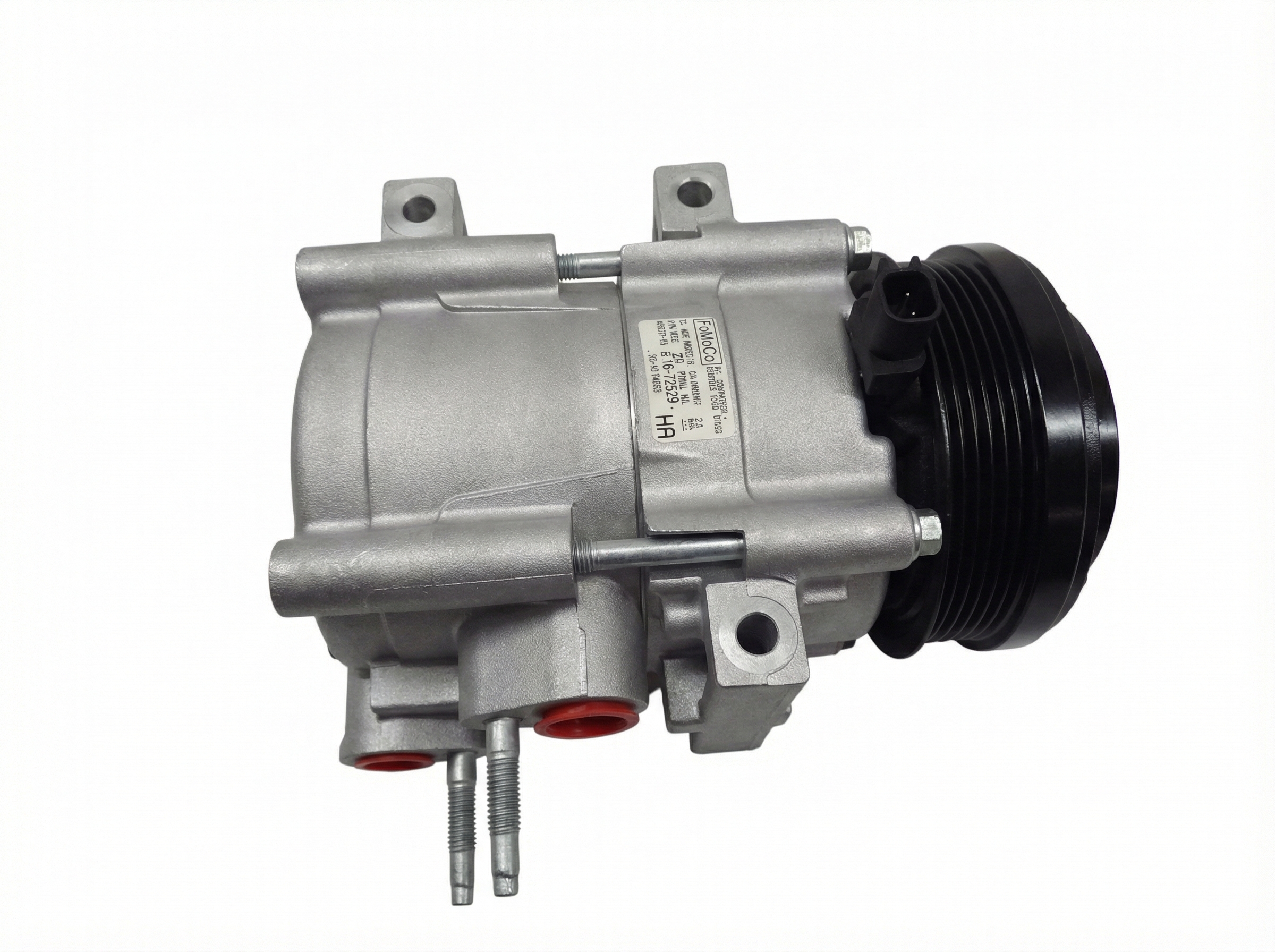
Compressor Type: Ford FS10 (or similar variant), Refrigerant: R-134a, Oil Type: PAG 46
We Have This Part in Stock

The information in this article is provided for general reference and educational purposes only. Vehicle specifications, procedures, and part compatibility can vary by production date, trim level, and region. Always consult your vehicle's factory service manual and verify part numbers before purchasing or performing repairs. Safety-critical components such as airbags, seat belts, and braking systems should be installed by a qualified professional.
- Ford Windstar:
- Ford Freestar:
- Mercury Monterey:
- Ford E-150 Econoline:
- Ford E-250 Econoline:
- Ford E-350 Econoline:
- Ford E-350 Super Duty:
- Ford Explorer:
- Ford Explorer Sport Trac:
- Ford Ranger:
- Ford Taurus:
- Mazda B3000:
- Mazda B4000:
- Mercury Mountaineer:
- Mercury Sable:
- 🎬 Helpful Videos
- 🛍️ Shop This Part
- Symptoms of a Failing A/C Compressor
- Vehicle-Specific Issues & Replacement Notes
- 1996-2003 Ford Windstar & 2004-2007 Ford Freestar / Mercury Monterey
- 1996-2003 Ford Explorer & 2001-2005 Explorer Sport Trac
- 1996-2001 Ford Ranger
- 1996 Ford E-Series Econoline Vans
- Buying a Used A/C Compressor: What to Look For
- Cost Comparison
- Frequently Asked Questions
- 🎟️ Get 5% Off