

2007-2012 Acadia, Enclave, Traverse & Outlook A/C Compressor: Leaking Lines vs. Bad Compressor
This guide covers diagnosing A/C compressor failure on the 2007-2012 GMC Acadia, 2008-2012 Buick Enclave, 2009-2012 Chevrolet Traverse, and 2007-2010 Saturn Outlook, and explains why a leaking hose is often the real problem.
- A leaking high-side A/C line is a very common failure on these vehicles and is often misdiagnosed as a bad compressor. Always check for leaks first.
- When replacing the compressor, you must also replace the accumulator/drier and orifice tube/expansion valve to prevent premature failure of the new part.
- A used OEM compressor is a viable option, but inspect it carefully for metal shavings in the ports, which indicates a catastrophic failure.
- While you can physically swap the compressor at home, the refrigerant must be legally evacuated and recharged by a certified shop with proper equipment.
Symptoms of a Failing A/C Compressor
When the A/C compressor on your GMC Acadia, Buick Enclave, Chevrolet Traverse, or Saturn Outlook is failing, you'll notice several distinct signs. It's important to pay attention to these symptoms to avoid further damage to the A/C system.
1. No Cold Air or Lukewarm Air
This is the most obvious symptom. If you turn on the A/C and only get warm or slightly cool air from the vents, the compressor may not be engaging or pressurizing the refrigerant effectively. This can be caused by an internal failure or a problem with the compressor's clutch.
2. Grinding, Squealing, or Rattling Noises
Unusual noises from the engine bay when the A/C is turned on are a major red flag.
- Grinding or Squealing: This often points to a failing bearing inside the compressor or a problem with the clutch. The noise may change or disappear when the A/C is turned off.
- Rattling: This could indicate that internal components of the compressor have broken loose.
3. A/C Compressor Clutch Not Engaging
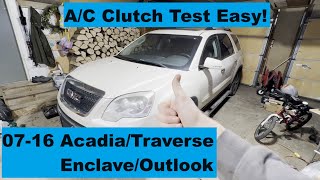
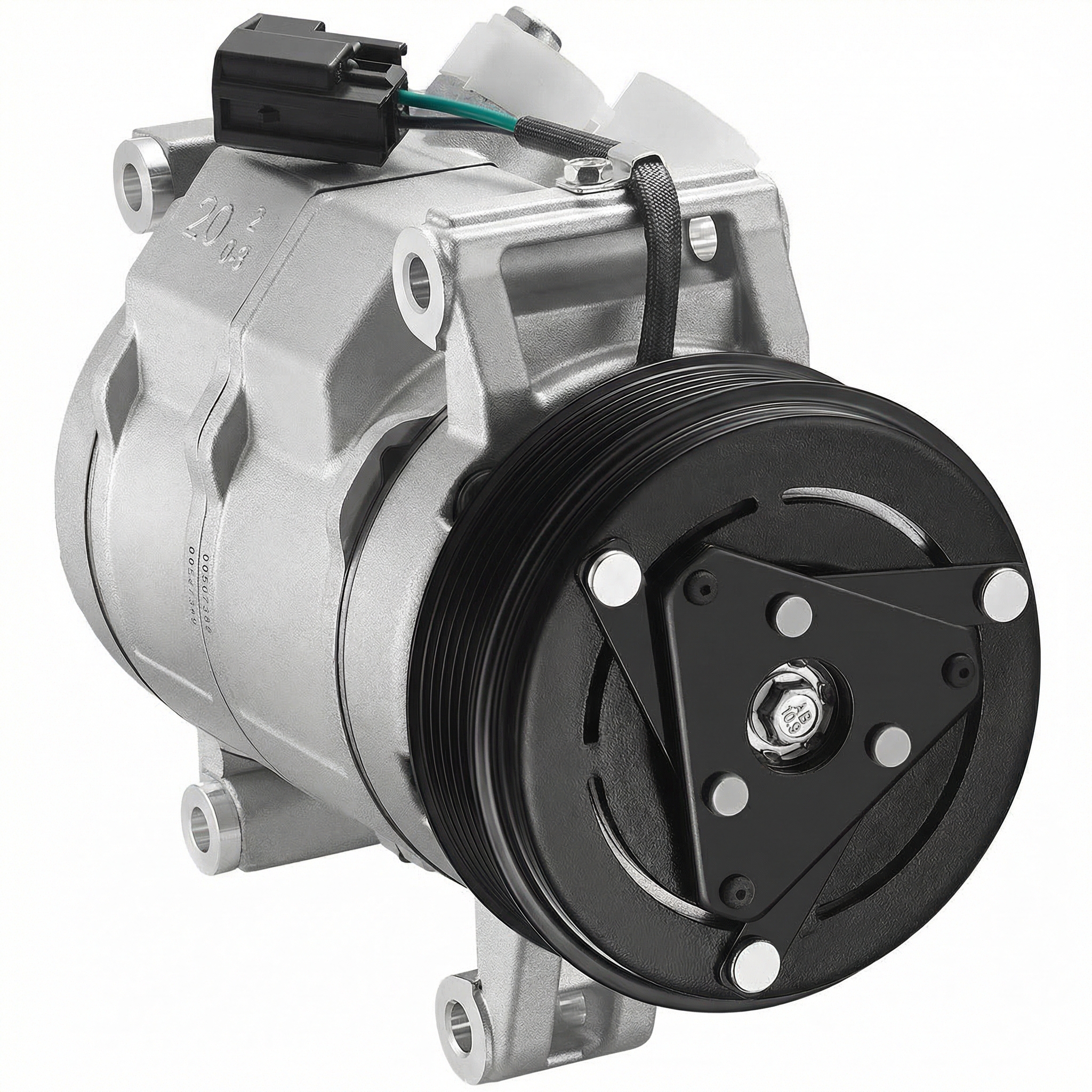
The A/C compressor has a clutch on the front of its pulley that engages to turn the compressor's internal pump. You should hear a distinct 'click' when you turn on the A/C, and the outer plate of the pulley should start spinning 🎬 Watch: How to test the compressor and clutch engagement. with the belt. If it doesn't engage, the problem could be the clutch itself, a blown fuse, a bad relay, or low refrigerant pressure preventing the system from turning on.
4. Refrigerant Leaks
The compressor has seals that can wear out over time, leading to refrigerant leaks. You might see a greasy, greenish residue on the body of the compressor or on components nearby. A significant leak will cause the A/C system to lose pressure and stop cooling.
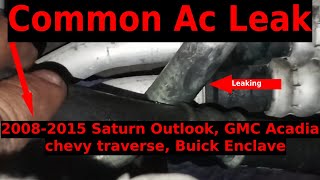
Important: A common issue on the GMC Acadia, Buick Enclave, Chevrolet Traverse, and Saturn Outlook is a leaking high-side A/C line, which runs from the compressor to the condenser. This can be easily misdiagnosed as a failed compressor. Before replacing the compressor, always have the system checked for leaks, paying close attention to this specific hose.
🎬 See how to find this common A/C leak point.Known Issues, TSBs, and Recalls
While there are no specific recalls for the A/C compressor on the 2007-2012 GMC Acadia, 2008-2012 Buick Enclave, 2009-2012 Chevrolet Traverse, or 2007-2010 Saturn Outlook, the A/C systems on these GM Lambda platform vehicles are known for certain weaknesses.
- Leaking High-Side A/C Lines: As mentioned above, this is the most prevalent issue. The line can develop hairline fractures, often near the condenser, causing a slow leak of refrigerant. A GM Technical Service Bulletin (TSB) for other trucks and SUVs with similar issues recommended replacing the line with an updated design and adding a support bracket to reduce vibration.
- Condenser Leaks: Some owners have also reported leaks from the A/C condenser itself. Class-action lawsuits filed against GM for later model year trucks and SUVs alleged that some condensers were prone to cracking.
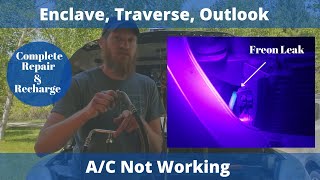
Because of these known issues, it is critical to perform a thorough leak test with UV dye before assuming the compressor is the sole cause of the problem.
Buying a Used A/C Compressor
A used OEM compressor can be a reliable and cost-effective alternative to an expensive new unit, especially when compared to cheap, new aftermarket parts that may not have the same durability. Here’s what to look for when buying a recycled part.
Physical Inspection
- Check for Damage: Inspect the compressor housing for any cracks, deep gouges, or broken mounting tabs.
- Examine the Clutch and Pulley: The pulley should spin freely and smoothly by hand. The clutch plate on the front should not be warped or show signs of extreme heat (discoloration).
- Inspect the Ports: Look inside the inlet and outlet ports. They should be clean. The presence of significant black grime or metal shavings is a sign of catastrophic internal failure (often called 'black death'). Do not buy a compressor with metal shavings, as it will contaminate your entire A/C system.
- Verify Connectors: Ensure the electrical connector is intact and not corroded or broken.
Verification and Questions for the Seller
- Confirm Part Numbers: Match the OEM part number to your original compressor. Known part numbers for these vehicles include 1521625, 15926085, 20844676, and 25891797.
- Ask About Mileage: Ask for the mileage of the vehicle the compressor was removed from. Lower mileage is always better.
- Check the Oil: If possible, tilt the compressor to see if a small amount of clean, clear, or slightly green PAG oil comes out. Dark, gritty, or milky oil indicates internal damage or moisture contamination.
Cost Comparison
Replacing the A/C compressor involves significant cost in both parts and labor. Prices can vary based on your location and the specific parts chosen.
| Part Type | Estimated Cost |
|---|---|
| New OEM (GM/ACDelco) | $400 - $810 |
| New Aftermarket | $175 - $430 |
| Remanufactured | $175 - $360 |
| Used OEM | $70 - $100 |
| Shop Labor (incl. evac/recharge) | $300 - $600 |
Pro Tip: When replacing the compressor, you MUST also replace the A/C accumulator/receiver-drier and the orifice tube or expansion valve. Failure to do so will void the warranty on most new or remanufactured compressors and can lead to premature failure of the new part. It is also highly recommended to flush the rest of the A/C system to remove any old oil and potential contaminants.
Frequently Asked Questions (FAQ)
Do I have to replace other parts with the compressor?
Yes. At a minimum, you must replace the accumulator (also called the receiver/drier) and the system's expansion device (orifice tube or expansion valve). The accumulator contains a desiccant that absorbs moisture, and it should be replaced any time the sealed system is opened. Failing to replace these parts can cause the new compressor to fail quickly.
Can I replace the A/C compressor myself?
The physical replacement is possible for an experienced DIY mechanic (rated 3 out of 5 for difficulty). However, handling refrigerant requires special equipment and certification. It is illegal to vent refrigerant into the atmosphere. You must have the system professionally evacuated before starting the work and professionally vacuumed and recharged after the new parts are installed.
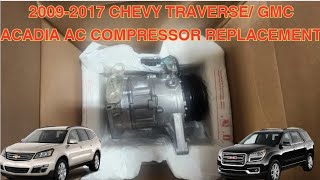
🎬 Watch this step-by-step A/C compressor replacement walkthrough.My A/C is blowing warm. Is it definitely the compressor?
Not necessarily. The most common cause of warm air is a low refrigerant level due to a leak. On the GMC Acadia, Buick Enclave, Chevrolet Traverse, and Saturn Outlook, the high-pressure A/C line is a very common failure point. Always perform a leak test before condemning the compressor.
What kind of refrigerant and oil do these vehicles use?
These vehicles use R-134a refrigerant and PAG 46 compressor oil. The system holds approximately 2.32 lbs of refrigerant and 6.5 ounces of oil. Always verify these specifications for your specific vehicle.
Helpful Videos
Technical Specifications
OEM Part Numbers: 1521625 15926085 20844676 25891797 19435632
Refrigerant Type: R-134a, Compressor Oil Type: PAG 46
We Have This Part in Stock

The information in this article is provided for general reference and educational purposes only. Vehicle specifications, procedures, and part compatibility can vary by production date, trim level, and region. Always consult your vehicle's factory service manual and verify part numbers before purchasing or performing repairs. Safety-critical components such as airbags, seat belts, and braking systems should be installed by a qualified professional.
- GMC Acadia:
- Buick Enclave:
- Chevrolet Traverse:
- Saturn Outlook:
- 🎬 Helpful Videos
- 🛍️ Shop This Part
- Symptoms of a Failing A/C Compressor
- 1. No Cold Air or Lukewarm Air
- 2. Grinding, Squealing, or Rattling Noises
- 3. A/C Compressor Clutch Not Engaging
- 4. Refrigerant Leaks
- Known Issues, TSBs, and Recalls
- Buying a Used A/C Compressor
- Physical Inspection
- Verification and Questions for the Seller
- Cost Comparison
- Frequently Asked Questions (FAQ)
- 🎟️ Get 5% Off