

Jeep Cherokee (2014-2023) & Chrysler 200 (2015-2017) A/C Compressor Guide
This guide covers the common A/C compressor issues, part number variations, and critical refrigerant differences for the 2.4L, 3.2L, and 3.6L engines in the Jeep Cherokee and Chrysler 200.
- You MUST verify your engine size (2.4L vs. V6) and refrigerant type (R134a vs. R1234yf) before buying a replacement.
- A/C system leaks, particularly from the condenser, are common and can mimic compressor failure. Always diagnose for leaks first.
- When replacing the compressor, you must also replace the receiver/drier and expansion valve to prevent premature failure of the new part.
- If the old compressor failed internally, the entire system must be flushed and the condenser replaced to remove metal debris.
Critical Compatibility Warnings

Warning: Before purchasing, you must verify three things: your vehicle's engine, the model year, and the refrigerant type. Using the wrong compressor or refrigerant will lead to system damage and improper cooling.
These vehicles were offered with multiple engines and underwent a refrigerant change during their production run. There is no single A/C compressor that fits all 2014-2023 Jeep Cherokees and 2015-2017 Chrysler 200s.
- Engine Size Matters: The A/C compressor for the 2.4L 4-cylinder engine is different from the one used on the 3.2L (Jeep) and 3.6L (Chrysler) V6 engines. They have different mounting points and part numbers.
- Refrigerant Type Changeover: Around the 2017 model year, many manufacturers, including Jeep and Chrysler, began transitioning from R134a refrigerant to R1234yf. These two systems are not compatible. The compressors, service ports, and lubricating oils are different. You must use the correct compressor for your vehicle's specific refrigerant type. Check the sticker under your vehicle's hood to confirm which refrigerant your system uses.
Symptoms of a Failing A/C Compressor

A failing A/C compressor can present several distinct symptoms. If you notice any of the following, it's time to inspect the system.
- No Cold Air: The most obvious symptom. If the air from your vents is warm or only slightly cool, the compressor may not be engaging or pressurizing the refrigerant.
- Grinding or Squealing Noises: Loud grinding or squealing sounds when the A/C is turned on often point to failing internal components or a bad clutch bearing. A high-pitched squeal can also be caused by a slipping serpentine belt due to a seizing compressor.
- Rattling Noise: A rattling sound from the engine area when the A/C is running can indicate a failing compressor clutch or loose mounting bolts.
- Visible Leaks: The compressor contains oil to lubricate its internal parts. If you see oily, grimy residue on the body of the compressor, it's a sign that the shaft seals are leaking.
- Clutch Not Engaging: When you turn on the A/C, you should hear a distinct 'click' as the electromagnetic clutch engages the compressor pulley. If you don't hear this, and the center plate of the pulley isn't spinning, the clutch may have failed, the system may be low on refrigerant, or there could be an electrical issue.
Known Issues, TSBs, and Recalls

While the compressor itself can fail, sometimes the problem lies elsewhere in the A/C system. Always diagnose the issue properly before replacing the compressor.
Chrysler 200 & Jeep Cherokee Condenser Leaks
A common issue causing the A/C to stop working is a refrigerant leak, not compressor failure. Technical Service Bulletins have been issued for leaks in other parts of the system.
- Chrysler 200 (2015-2016): TSB #9003968 indicates that the A/C compressor may not engage due to a refrigerant leak at the receiver/drier plug on the condenser. This slow leak depletes the system of refrigerant, and a low-pressure safety switch prevents the compressor from turning on to protect it from damage.
- Jeep Cherokee (2014): TSB #24-006-14 was released for poor A/C performance caused by leaking condensers.
Before assuming the compressor is bad, the system should be checked for leaks, especially around the condenser and its fittings.
🎬 Watch this guide on replacing a leaking Chrysler 200 condenser.Software Issues
On some FCA vehicles, software glitches in the Heating, Ventilation, and Air Conditioning (HVAC) control module can prevent the A/C compressor from functioning, even if all mechanical parts are working correctly. If the system has no leaks and the compressor clutch has power but still won't engage, a software update at the dealership might be the solution.
🎬 See why your A/C might blow warm even without leaks.Buying a Used A/C Compressor: What to Check

A used OEM compressor can be a reliable and cost-effective alternative to expensive new parts. Because they are built to the original factory standards, they often have better durability than cheap aftermarket units. Here’s what to inspect.
- Verify the Part Number: Match the part number from your old compressor to the used one. The most important distinction is between the 2.4L and V6 engine compressors. Part numbers like 68103197AE are for the 2.4L engine.
- Inspect the Clutch and Pulley: Spin the outer pulley by hand. It should spin freely and quietly. A rough, grinding feel indicates a bad pulley bearing. Grab the center clutch plate and try to wiggle it; there should be no excessive play. Check for signs of extreme heat (discoloration) or grease being flung from the bearing.
- Check for Leaks: Look for oily residue around the hose connections (ports) and the seam where the two halves of the compressor body meet. The unit should be clean and dry. Reputable sellers will cap the ports to prevent moisture and debris from entering.
- Confirm it Turns Freely: If possible, use a wrench on the center bolt of the clutch to slowly turn the compressor's internal mechanism (do this only if the clutch is engaged). It should turn smoothly with some resistance. If it's locked up or seized, it's junk.
- Check the Electrical Connector: Ensure the plastic connector isn't cracked, broken, or corroded.
Replacement Overview & Difficulty
Replacing the A/C compressor is a moderately difficult job that requires special tools for handling refrigerant.
- Difficulty Rating: 4 out of 5
- Estimated Time: 2-3 hours
- DIY Feasible: Not recommended for beginners. The mechanical replacement is straightforward, but handling refrigerant requires EPA certification and expensive equipment. It is illegal to vent refrigerant into the atmosphere.
Key Steps:
- Evacuate Refrigerant: A certified shop must use a recovery machine to remove all refrigerant from the system.
- Remove Serpentine Belt: Use a breaker bar or belt tool to release tension on the belt and slide it off the compressor pulley.
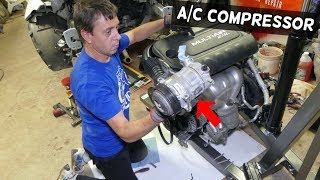
- Disconnect and Unbolt: Unplug the electrical connector, then unbolt the refrigerant lines. Be prepared for a small amount of residual oil to drip out. Remove the compressor mounting bolts and lift it out of the vehicle. 🎬 Watch: Step-by-step removal and replacement for the 2.4L engine.
- Replace Related Parts: It is mandatory to replace the A/C receiver-drier (also called an accumulator or desiccant bag) and the expansion valve whenever the compressor is replaced. Failure to do so will introduce moisture and contaminants into the new compressor, causing it to fail quickly.
- Install New Compressor: Add the correct amount and type of PAG oil to the new compressor. Bolt it in place, reconnect the lines with new O-rings, and plug in the connector.
- Vacuum and Recharge: Use a vacuum pump to remove all air and moisture from the system for at least 30-60 minutes. Then, use a manifold gauge set to charge the system with the exact weight and type of refrigerant specified on the under-hood sticker.
Pro Tip: If your old compressor failed internally (a 'black death' failure), it likely sent metal shavings throughout the entire A/C system. In this case, you must also replace the condenser and thoroughly flush the evaporator and all lines before installing a new compressor. Skipping this step will cause the replacement compressor to fail almost immediately.
Cost Comparison
The cost of replacing an A/C compressor can vary significantly based on the parts you choose and who does the labor.
| Part/Service | Estimated Cost |
|---|---|
| New OEM Compressor | $600 - $950 |
| New Aftermarket Compressor | $150 - $400 |
| Used OEM Compressor | $40 - $125 |
| Shop Labor (including evacuation & recharge) | $400 - $900 |
| Total Professional Installation (New OEM Part) | $1,000 - $1,850+ |
Frequently Asked Questions (FAQ)
Can I just replace the A/C compressor clutch?
Sometimes, but it's often not worth the effort. If the clutch failed due to a bad bearing, replacing it is possible. However, if it failed because the compressor itself was seizing, a new clutch will quickly be destroyed. Given the low cost of a complete used OEM compressor, it's usually more reliable and cost-effective to replace the entire unit.
What is the difference between R134a and R1234yf refrigerant?
R134a was the industry standard for many years. R1234yf is a newer refrigerant with a much lower Global Warming Potential (GWP), making it better for the environment. The two are not interchangeable. R1234yf systems operate at similar pressures but require different service equipment and are significantly more expensive to purchase. Always use the refrigerant specified for your vehicle.
Do I need to add oil to my replacement compressor?
Yes. New compressors often ship with a small amount of assembly oil, but you must drain it and add the correct amount of the specified PAG oil for your vehicle's system. Used compressors are typically shipped empty. Failing to add the correct oil charge will cause the compressor to seize.
Why did my A/C stop working right after I recharged it?
If your system was low on refrigerant, there is a leak. Simply adding more refrigerant is a temporary fix. The new refrigerant will leak out again. Common leak points on these vehicles are the condenser and the O-ring at the pressure sensor. A proper repair involves finding and fixing the leak before recharging the system.
Helpful Videos
Technical Specifications
OEM Part Numbers: 68103197AA 68103197AB 68103197AC 68103197AD 68103197AE 68103198AA 68103198AB 68103198AC 68103198AF 68245083AA
Compressor type varies by engine (2.4L, 3.2L/3.6L V6). Refrigerant type is either R134a or R1234yf depending on model year (transition around 2017). System uses PAG oil.
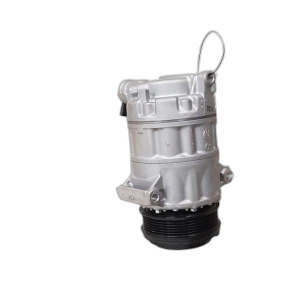
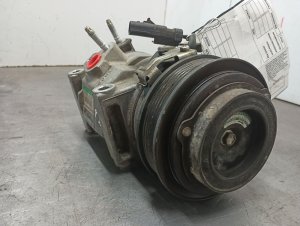
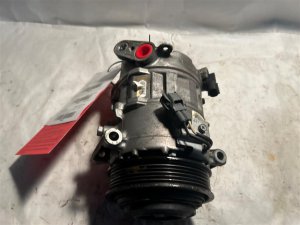
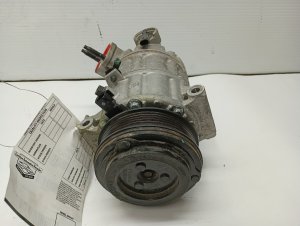
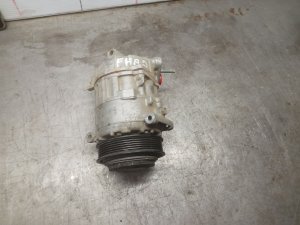
We Have This Part in Stock

The information in this article is provided for general reference and educational purposes only. Vehicle specifications, procedures, and part compatibility can vary by production date, trim level, and region. Always consult your vehicle's factory service manual and verify part numbers before purchasing or performing repairs. Safety-critical components such as airbags, seat belts, and braking systems should be installed by a qualified professional.
- Jeep Cherokee:
- Chrysler 200:
- 🎬 Helpful Videos
- 🛍️ Shop This Part
- Critical Compatibility Warnings
- Symptoms of a Failing A/C Compressor
- Known Issues, TSBs, and Recalls
- Chrysler 200 & Jeep Cherokee Condenser Leaks
- Software Issues
- Buying a Used A/C Compressor: What to Check
- Replacement Overview & Difficulty
- Key Steps:
- Cost Comparison
- Frequently Asked Questions (FAQ)
- 🎟️ Get 5% Off