

2003-2008 Mazda 6 2.3L A/C Compressor: Failure Symptoms, Replacement & Used Buying Guide
This guide covers common failure symptoms, replacement costs, and how to inspect a used A/C compressor for your 2003-2008 Mazda 6 with the 2.3L engine.
- This compressor only fits the 2003-2008 Mazda 6 with the 2.3L non-turbo engine; it will not fit the V6 or Mazdaspeed models.
- A grinding or rattling noise is a critical warning. A seized compressor can break the serpentine belt, disabling the power steering and alternator.
- When replacing the compressor, you MUST also replace the receiver/drier and expansion valve and flush the system to prevent immediate failure of the new part.
- Replacement requires professional A/C evacuation and recharge equipment; it is not a simple DIY job for most home mechanics.
Compatibility Warning: 2.3L Engine Only

Important: This A/C compressor is specifically for the 2003-2008 Mazda 6 equipped with the 2.3L naturally aspirated (non-turbo) 4-cylinder engine. It is not compatible with models that have the 3.0L V6 engine or the 2.3L turbocharged engine found in the Mazdaspeed6. Always verify your vehicle's engine before purchasing.
Symptoms of a Failing A/C Compressor

When the A/C compressor in your Mazda 6 begins to fail, it will usually provide several warning signs. Ignoring these can lead to more expensive repairs or a sudden loss of the serpentine belt, which can leave you stranded.
1. No Cold Air or Warm Air from Vents
This is the most obvious symptom. If the compressor is unable to pressurize the refrigerant, the system cannot cool the air. You might notice the air is just slightly cool or completely warm. While low refrigerant is a common cause, a weak or failed compressor can produce the same symptom.
2. Grinding, Squealing, or Clicking Noises
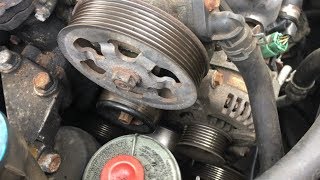
Unusual noises from the engine bay when the A/C is turned on are a major red flag. 🎬 Watch: How to identify grinding or squealing noises from your compressor.
- Grinding or Rumbling: Often indicates a failing internal bearing. If the compressor seizes, the pulley can stop turning, which will shred the serpentine belt and could cause you to lose power steering and alternator function.
- Squealing: Can be a sign of a slipping belt, but also a compressor that is about to seize.
- Rapid Clicking: The compressor clutch cycling on and off too frequently can point to a low refrigerant charge or an electrical issue within the clutch itself.
3. The A/C Clutch Does Not Engage
The front of the compressor has a clutch that engages to spin the compressor's internal components. When you turn on the A/C, you should hear a distinct 'click' and see the outer plate of the pulley start to spin with the belt. If it doesn't move, it could be a failed clutch, a bad electrical signal, or a system pressure issue that prevents engagement as a safety measure.
4. A/C Cuts Out at Idle
Some owners report the A/C works while driving but blows warm when stopped at a light. This can be caused by low refrigerant pressure, which drops too low at idle for the compressor to cycle properly. It can also be related to engine cooling fan issues, as the condenser (which sits in front of the radiator) needs airflow to dissipate heat.
Known Issues, Recalls, and TSBs
While there are no specific recalls or widespread Technical Service Bulletins (TSBs) from Mazda for the A/C compressor on this generation of Mazda 6, the most commonly reported failure point by owners is the compressor clutch or its bearing. The internal bearings can wear out, causing noise, and the electromagnetic clutch can fail, preventing the compressor from engaging. Searches for recalls on this vehicle will primarily show results for the extensive Takata airbag recalls, which do not pertain to the A/C system.
Buying a Used A/C Compressor: Inspection Guide

A recycled OEM compressor can be a cost-effective and reliable alternative to expensive new parts. OEM units are built to a higher standard than many aftermarket options. Here’s what to check before you buy.
1. Physical Inspection
Carefully examine the entire compressor body.
- Check for Damage: Look for cracks in the aluminum housing or broken mounting tabs. A compressor that was dropped or mishandled can have hidden damage.
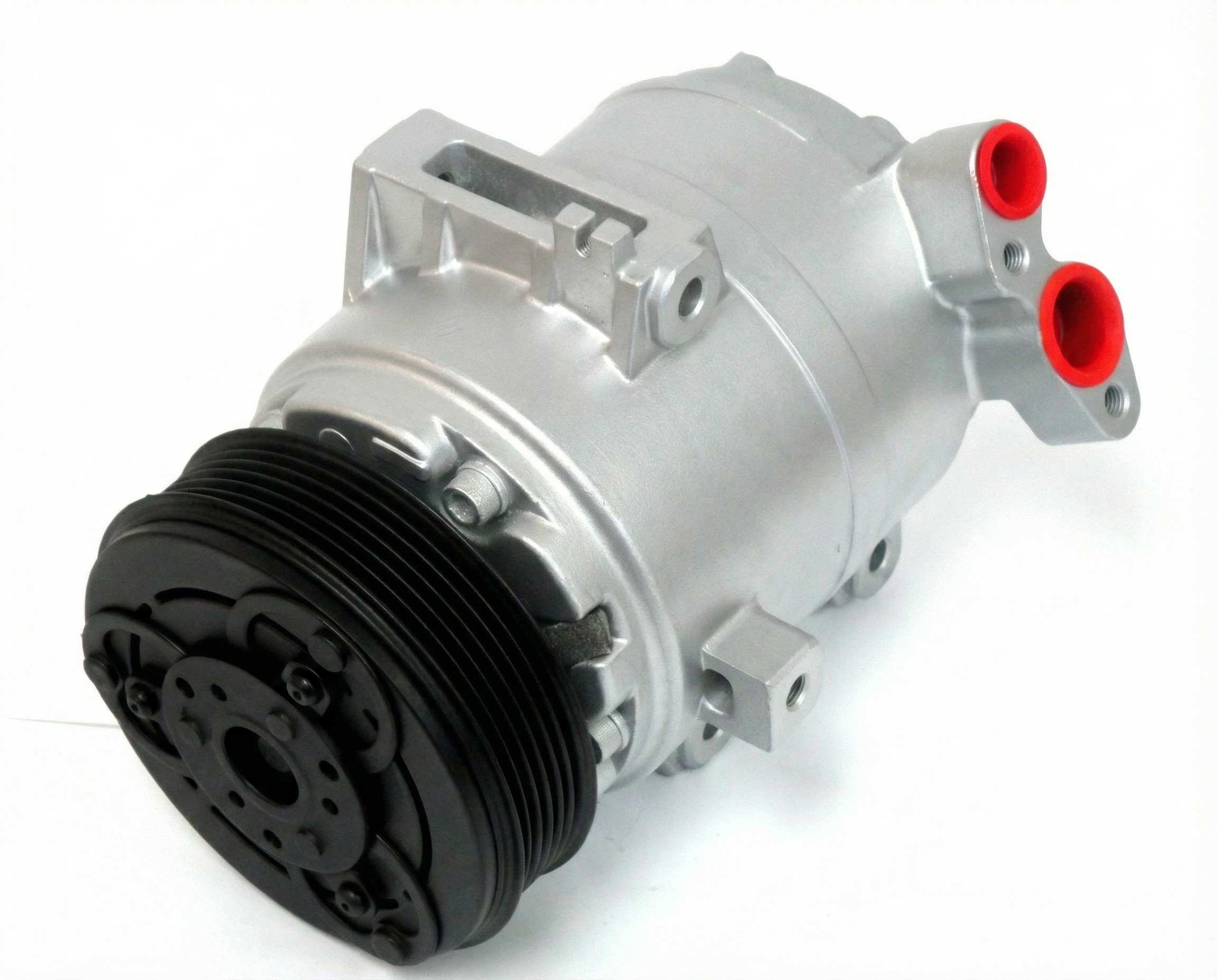
- Inspect the Ports: Ensure the refrigerant line ports are clean and the threads are not damaged. The unit should come with plastic caps in the ports to keep out moisture and debris.
- Look for Leaks: Check for oily, grimy residue around the seams of the compressor body or at the hose connections. This indicates a past refrigerant leak.
2. Pulley and Clutch Check
The pulley and clutch assembly is the most common failure point.
- Spin the Pulley: The pulley should spin freely and smoothly by hand with minimal drag. Listen for any grinding or scraping sounds, and feel for any roughness or wobble, which indicates a bad bearing.
- Check the Clutch Plate: The clutch plate on the front should be separate from the pulley. Try to turn it by hand; it should not turn freely.
- Inspect the Electrical Connector: Make sure the electrical connector for the clutch is intact, not cracked, and free of corrosion.
Pro Tip: If possible, you can test the clutch by carefully applying 12V power to the connector's pins. You should hear a solid 'click' as the clutch engages. A burnt smell or no movement indicates a bad clutch.
3. Sourcing and Mileage
Always try to source a part from a reputable recycler that provides the VIN and mileage of the donor vehicle. A compressor from a lower-mileage, accident-damaged vehicle is generally a better bet than one from a high-mileage car that was junked for mechanical failure.
Replacement Overview & Difficulty

Replacing the A/C compressor on a 2003-2008 Mazda 6 is a moderately difficult job, primarily due to component accessibility.
- Difficulty: 4/5
- DIY Feasible: For experienced mechanics only.
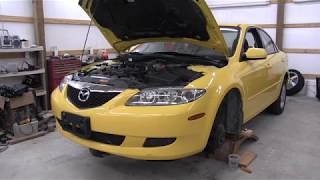
- Key Steps: The compressor is located at the bottom front of the engine on the passenger side. Access often requires removing the passenger-side wheel and fender liner, and sometimes the front bumper cover and radiator support must be loosened and shifted forward to create enough clearance to remove the compressor. 🎬 Watch this video to see the removal process step-by-step.
Warning: The A/C system is under high pressure, even when not running. It is illegal and dangerous to vent refrigerant into the atmosphere. The system MUST be professionally evacuated by a certified technician with proper equipment before you disconnect any lines. After installation, the system must be vacuumed and recharged to the correct specifications.
Cost Comparison
Prices can vary by location and supplier, but this provides a general cost expectation.
| Part Type | Estimated Cost |
|---|---|
| New OEM | $750 - $900 |
| New Aftermarket | $180 - $300 |
| Remanufactured | $150 - $250 |
| Used OEM | $75 - $150 |
| Shop Labor | $200 - $770 |
Note: Labor costs can vary significantly. The total job cost at a repair shop, including parts, labor, and A/C service, typically ranges from $800 to $1,400.
Frequently Asked Questions (FAQ)
Do I have to replace other parts with the compressor?
Yes. To ensure the longevity of the new compressor and to validate its warranty, you must replace the receiver/drier (also called an accumulator) and the expansion valve. You must also have the entire system flushed to remove any debris or contaminated oil from the old compressor's failure.
Can I just replace the A/C clutch and not the whole compressor?
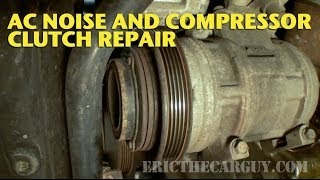
Sometimes. If only the clutch or its bearing has failed and the compressor itself is still good, it is possible to replace just the clutch assembly. However, this requires 🎬 See how to diagnose and repair a faulty A/C clutch. special tools and can be a difficult job. Often, given the cost of a complete used or remanufactured compressor, replacing the entire unit is more time- and cost-effective.
My A/C works but makes a rattling noise. What should I do?
A rattling or grinding noise often points to a failing bearing inside the compressor pulley. It is highly recommended to stop using the A/C immediately and have it inspected. If the bearing fails completely, it can seize the pulley, break the serpentine belt, and cause other engine accessories like the alternator and power steering to stop working, potentially leaving you stranded.
Why is my new compressor not covered under warranty?
Most compressor warranties are void if you do not provide proof of replacing the receiver/drier and expansion valve, and proof that the system was professionally flushed. A common cause of repeat failure is debris from the old compressor destroying the new one, which is why these steps are mandatory.
Helpful Videos
Technical Specifications
OEM Part Numbers: GK2G61450J GK2G61450L GK2G61450M GK2G61K00 GK2G61K00A GK2J61L10A
Compressor Type: DKS17D, Pulley Grooves: 6, Pulley Diameter: 123mm, Voltage: 12V
We Have This Part in Stock

The information in this article is provided for general reference and educational purposes only. Vehicle specifications, procedures, and part compatibility can vary by production date, trim level, and region. Always consult your vehicle's factory service manual and verify part numbers before purchasing or performing repairs. Safety-critical components such as airbags, seat belts, and braking systems should be installed by a qualified professional.
- Mazda Mazda 6:
- 🎬 Helpful Videos
- 🛍️ Shop This Part
- Compatibility Warning: 2.3L Engine Only
- Symptoms of a Failing A/C Compressor
- 1. No Cold Air or Warm Air from Vents
- 2. Grinding, Squealing, or Clicking Noises
- 3. The A/C Clutch Does Not Engage
- 4. A/C Cuts Out at Idle
- Known Issues, Recalls, and TSBs
- Buying a Used A/C Compressor: Inspection Guide
- 1. Physical Inspection
- 2. Pulley and Clutch Check
- 3. Sourcing and Mileage
- Replacement Overview & Difficulty
- Cost Comparison
- Frequently Asked Questions (FAQ)
- 🎟️ Get 5% Off