

Mazda Protege & Protege5 A/C Compressor (1999-2003): Guide to Fitment, Failures, and Replacement
This guide covers the common A/C compressor failures, complex compatibility issues, and known electrical faults for the 1999-2003 Mazda Protege and 2002-2003 Mazda Protege5.
- Compatibility for the 2000 Mazda Protege is complex due to a mid-year change; you must verify your engine (1.6L or 1.8L) and production date before buying.
- A flashing A/C light on 2001-2003 models is almost always a known electrical issue with the fan switch (TSB 07-005/03), not a bad compressor.
- When replacing the compressor, you MUST also replace the receiver/drier and expansion valve to prevent premature failure of the new unit.
- Driving with a noisy, seizing compressor is risky. It can destroy the serpentine belt, disabling the alternator and potentially leaving you stranded.
Symptoms of a Failing A/C Compressor
When the A/C compressor in your Mazda Protege or Protege5 begins to fail, it will usually provide several warning signs. Ignoring these can lead to more expensive repairs if the compressor seizes and damages the serpentine belt.
- No Cold Air: The most obvious symptom is a lack of cold air from the vents. If the compressor's internal components have failed or the clutch is not engaging, it cannot 🎬 Watch: Diagnosing A/C clutch engagement and engine stumble issues. circulate refrigerant.
- Unusual Noises: A variety of sounds can indicate compressor trouble. A grinding or squealing noise when the A/C is turned on suggests a failing bearing or internal mechanical failure. A loud buzzing or ticking noise at idle that changes with engine RPM is also a common complaint with these models.
- A/C Clutch Not Engaging: The outer part of the compressor pulley should spin with the engine belt at all times. When you turn on the A/C, the clutch plate at the very front of the pulley should magnetically engage and begin spinning with the pulley. If it doesn't move, it could be an issue with the clutch itself, a blown fuse, or a problem with the car's electrical system telling it to engage.
- Intermittent Cooling: The A/C may blow cold for a while and then switch to warm air. This can be caused by a clutch that is overheating and disengaging, or other system issues like a partial refrigerant clog.
- Visible Fluid Leaks: The compressor has seals that can fail over time, leading to leaks of refrigerant and oil. You may see a greasy, dirty residue on the body of the compressor or on components below it.
Vehicle and Part Compatibility: A Critical Guide
Finding the correct A/C compressor for these vehicles can be confusing, especially for the 2000 model year. There were several engine changes and a mid-year production split. Using the wrong compressor can result in mounting issues or incorrect hose connections.
Warning: The compatibility for the 2000 Mazda Protege is complex. There was a production change around March 2000 that affects which compressor and hoses are correct. You must verify your vehicle's engine and, if possible, its production date before ordering a part.
| Year | Model | Engine | Important Notes |
|---|---|---|---|
| 1999-2000 | Mazda Protege | 1.6L L4 | Fits vehicles built up to a production date of 03/01/2000. This corresponds to vehicles with a VIN ending at or before approximately 257501. |
| 2000 | Mazda Protege | 1.8L L4 | Fits vehicles built after a production date of 03/01/2000. This corresponds to vehicles with a VIN of approximately 257502 or higher. |
| 2001-2003 | Mazda Protege | 2.0L L4 | This is a straightforward fit. All 2.0L models in these years use the same compressor. |
| 2002-2003 | Mazda Protege5 | 2.0L L4 | Shares the same A/C compressor as the 2.0L Protege sedan. |
Verified OEM Part Numbers
The following OEM part numbers are associated with this range of vehicles. Part numbers can be superseded over time. Always verify fitment with the seller using your vehicle's VIN.
- B25F61450B
- B26K61450D (superseded by C100-61-K00)
- BJ0E-61-450
- BJ0E61450
- C10061450A
- C10061K00
Known Issues, Recalls, and Technical Service Bulletins (TSBs)
While there are no specific recalls for the A/C compressor, there are several well-documented issues and TSBs related to the A/C system in the Protege and Protege5.
A/C Light Flashing / Intermittent Operation (TSB 07-005/03)
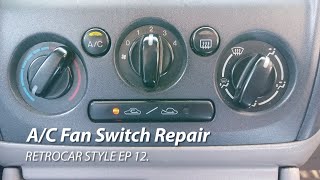
A very common complaint is that the A/C light on the dashboard control panel will flicker or turn off when the fan is set to speed 2 or 3, causing the compressor to cycle rapidly or stop working. This is not a fault with the compressor itself. It is a known electrical issue with the fan selector switch wiring. A technical service bulletin (TSB #07-005/03) was issued for this exact problem. The fix often involves soldering a resistor into the wiring 🎬 Watch: Step-by-step guide to fixing the A/C fan switch wiring. behind the HVAC control unit.
Ticking Noise from Compressor
Some owners report a persistent ticking or clicking noise from the compressor, especially at idle or low RPMs. Forum discussions indicate this is a known characteristic of the vane-type compressor used in these cars. While a TSB was reportedly issued, the procedure may not always eliminate the noise, and replacement is often the only way to resolve it if the sound becomes too loud.
Musty or Mildew Odor (TSB 07-002/19)
A musty smell from the vents when the A/C is first turned on is addressed by TSB #07-002/19. This is caused by mold and mildew growth on the A/C evaporator due to condensation. The fix involves cleaning the evaporator core and ensuring the drain tube is not clogged.
Buying a Used A/C Compressor for Your Mazda Protege
A used OEM compressor can be a reliable and cost-effective alternative to expensive new parts, especially since many aftermarket units have questionable long-term durability. However, you must inspect a recycled part carefully before installation.
- Verify Compatibility: First and foremost, use the table above to ensure the compressor comes from a compatible donor vehicle. For a 2000 Protege, this is absolutely critical.
- Check the Pulley and Clutch: Spin the outer pulley by hand. It should rotate smoothly with minimal resistance and no grinding or wobbling. Check the front clutch plate for any signs of extreme heat, such as discoloration or a burnt smell, which indicates it has been slipping.
- Inspect the Housing: Look for any cracks in the aluminum compressor body or broken mounting tabs. The part should be clean and free of heavy corrosion.
- Look for Leaks: Check around the hose connections and the seam where the two halves of the compressor body meet. Any oily, grimy residue is a clear sign of a refrigerant and oil leak. Do not buy a leaky compressor.
- Ensure it Turns Over: If possible, use a wrench on the center bolt of the clutch plate to gently turn the compressor's internal mechanism. It should turn smoothly, with some resistance, but it should not be seized or stuck.
- Check the Electrical Connector: Make sure the plastic electrical connector is not cracked, broken, or corroded.
Pro Tip: When buying a used compressor, try to get it from a vehicle with the lowest possible mileage. Ask the seller if the A/C system was working before the vehicle was dismantled. A part from a running-and-driving car is always a better bet.
A/C Compressor Replacement Overview
Replacing an A/C compressor is a job for an experienced DIYer or a professional shop. The refrigerant in the system is under pressure and legally must be recovered by a certified technician with proper equipment before any lines are disconnected.
- Refrigerant Recovery: A professional must use an A/C recovery machine to safely evacuate the refrigerant from the system.
- Component Removal: The serpentine belt is removed, the electrical connector is unplugged, and the refrigerant lines are disconnected. The compressor is then unbolted from the engine block. 🎬 See this walkthrough on how to remove the compressor.
- System Flush (Recommended): If the old compressor failed internally, metal debris may have contaminated the entire system. A system flush is recommended to remove this debris.
- Replace Related Parts: It is mandatory to replace the receiver/drier (also called an accumulator) and the expansion valve whenever the compressor is replaced. Failure to do so will cause the new compressor to fail quickly and will void most warranties. New O-rings for the refrigerant lines should also be used.
- Installation and Vacuum: The new compressor and other components are installed. Before recharging, the system must be put under a deep vacuum for at least 30-60 minutes to boil off any moisture. Moisture is the enemy of an A/C system.
- Recharging: The system is recharged with the correct type and amount of R-134a refrigerant and PAG oil.
Cost Comparison
The cost to replace an A/C compressor can vary significantly based on the parts you choose and local labor rates.
| Part Type | Estimated Cost |
|---|---|
| New OEM | $600 - $900+ |
| New Aftermarket | $150 - $250 |
| Used OEM | $75 - $125 |
| Shop Labor | $200 - $600 |
Frequently Asked Questions (FAQ)
Can I just replace the A/C clutch and not the whole compressor?
While sometimes possible, it is often not practical. The cost of a clutch kit plus the special tools and labor required to install it can be close to the price of a complete new aftermarket or used OEM compressor assembly. If the compressor has high mileage or the clutch failed due to internal compressor issues, replacing the entire unit is the safer bet.
Do I have to flush the A/C system when I replace the compressor?
If your old compressor failed internally (a "black death" failure), a system flush is absolutely necessary to remove metal shavings that will destroy the new compressor. If the failure was only a bad clutch or a seal leak on an otherwise functional compressor, a flush may not be required, but it is still good practice. Always replace the receiver/drier and expansion valve regardless.
My A/C light is flashing but it sometimes blows cold. Is my compressor bad?
Probably not. On the 2001-2003 Protege and Protege5, a flashing A/C light is a classic symptom of a known electrical fault in the fan speed selector switch, as described in TSB 07-005/03. The compressor is likely fine, and the issue is with the signal telling it to turn on.
Can I drive my car with a bad A/C compressor?
Yes, but with a major caution. If the compressor clutch has simply failed to engage, you can drive the car indefinitely with the A/C turned off. However, if the compressor's internal bearing is seizing, it will create a loud grinding noise and can cause the pulley to lock up. A seized pulley will destroy the serpentine belt, which often runs the alternator and power steering pump, leaving you stranded.
Helpful Videos
Technical Specifications
OEM Part Numbers: B25F61450B B26K61450D BJ0E-61-450 BJ0E61450 C10061450A C10061K00
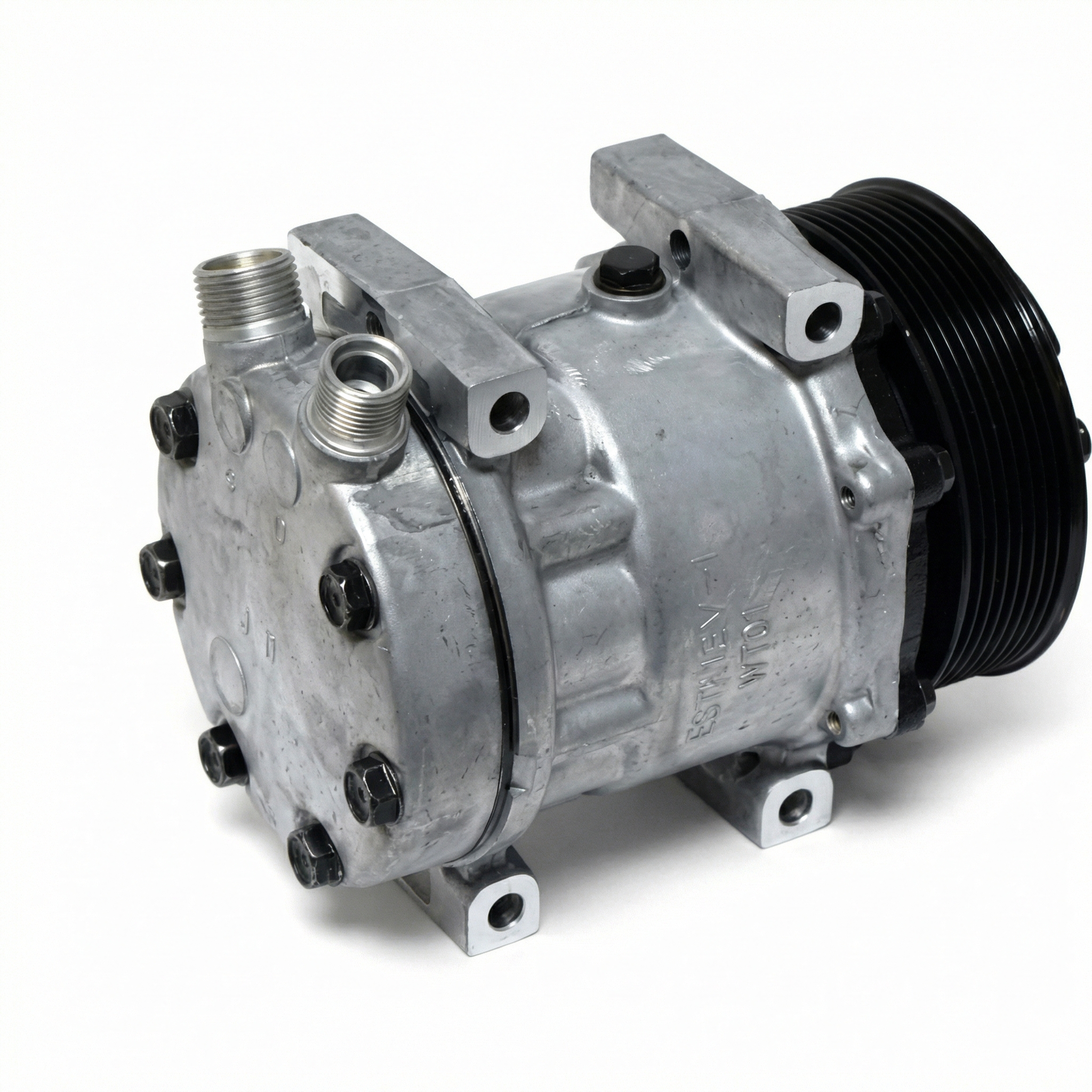
Compressor Type: Vane/Scroll (varies), Pulley Grooves: 5, Voltage: 12V, Refrigerant: R-134a, Oil: PAG 100
We Have This Part in Stock

The information in this article is provided for general reference and educational purposes only. Vehicle specifications, procedures, and part compatibility can vary by production date, trim level, and region. Always consult your vehicle's factory service manual and verify part numbers before purchasing or performing repairs. Safety-critical components such as airbags, seat belts, and braking systems should be installed by a qualified professional.
- Mazda Protege:
- Mazda Protege5:
- 🎬 Helpful Videos
- 🛍️ Shop This Part
- Symptoms of a Failing A/C Compressor
- Vehicle and Part Compatibility: A Critical Guide
- Verified OEM Part Numbers
- Known Issues, Recalls, and Technical Service Bulletins (TSBs)
- A/C Light Flashing / Intermittent Operation (TSB 07-005/03)
- Ticking Noise from Compressor
- Musty or Mildew Odor (TSB 07-002/19)
- Buying a Used A/C Compressor for Your Mazda Protege
- A/C Compressor Replacement Overview
- Cost Comparison
- Frequently Asked Questions (FAQ)
- 🎟️ Get 5% Off