

2011-2014 Nissan Juke A/C Compressor: Decoding the Critical Mid-2011 Part Change
This guide covers common failure symptoms and explains the crucial production date split you must verify before buying a replacement A/C compressor for your Juke.
- The single most critical factor is the mid-2011 production date split; Jukes built up to June 2011 use a different compressor than those built from July 2011 onward.
- If your old compressor failed internally ('black death'), you MUST replace the receiver/drier and expansion valve and flush the entire system to avoid immediate failure of the new part.
- Replacement is a difficult job (4/5) that requires specialized A/C service equipment to recover, vacuum, and recharge the system, making it unsuitable for most DIY mechanics.
- Common failure symptoms include no cold air, grinding/squealing noises when the A/C is on, and the clutch on the front of the compressor not spinning.
The Most Important Thing: The 2011 Production Date Split
Warning: Nissan used two different A/C compressors during the 2011 model year. The changeover point happened in July 2011. The parts are not interchangeable. You MUST verify your vehicle's production date before ordering a replacement.
- For Jukes built FROM July 2011 through 2014: You need the later-style compressor, OEM part number 92600-1KC7B (or one of its superseded numbers like 92600-1KC1C, 92600-1KC2A, 92600-1KC3A).
- For Jukes built UP TO June 2011: You need the early-style compressor. The most common OEM part numbers are 92600-1KC1A and 92600-1KC0A.
You can find your vehicle's production date on the sticker inside the driver's side door jamb. It will be listed as MM/YY (e.g., 05/11).
Symptoms of a Failing Nissan Juke A/C Compressor
A failing A/C compressor can show several signs. Some indicate a problem with the compressor itself, while others point to the clutch that engages it.
1. No Cold Air
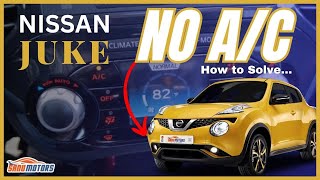
This is the most obvious symptom. If the compressor has failed internally or the clutch is not engaging, the refrigerant won't circulate, and the air from your vents will be warm 🎬 Watch: Ultimate guide to Nissan Juke air con problems or ambient temperature. This can also be caused by low refrigerant, so a full system diagnosis is important.
2. Grinding, Squealing, or Rattling Noises
Loud noises from the engine bay that start when you turn on the A/C and stop when you turn it off often point to a failing compressor. A grinding or squealing sound can mean the internal bearings are worn out or the compressor is seizing. A rattling noise could indicate a failing clutch.
3. A/C Clutch Not Engaging
When you turn on the A/C, you should hear a distinct 'click' from the engine bay as the compressor clutch engages. The outer plate of the compressor pulley should start spinning with the belt. If you look at the compressor and the outer plate is stationary while the engine is running and the A/C is on, the clutch is not engaging. This could be a bad clutch, a blown fuse, or an electrical issue.
4. Intermittent Cooling
If your A/C blows cold, then warm, then cold again, it could be a sign of a failing A/C compressor clutch that is struggling to stay engaged. It can also be a symptom of the system being low on refrigerant, which causes the compressor to cycle on and off rapidly.
Buying a Used 2011-2014 Juke A/C Compressor
A used OEM compressor can be a smart, cost-effective alternative to expensive new parts, especially when new OEM units can cost over $700. However, you need to inspect a used part carefully before buying.
Inspection Checklist:
- Confirm Compatibility: First and foremost, verify the production date of the donor vehicle to ensure it matches the part you need (pre- or post-July 2011).
- Check for Leaks: Look for oily, greasy residue around the compressor body, especially near the seals and line connections. This indicates a refrigerant leak.
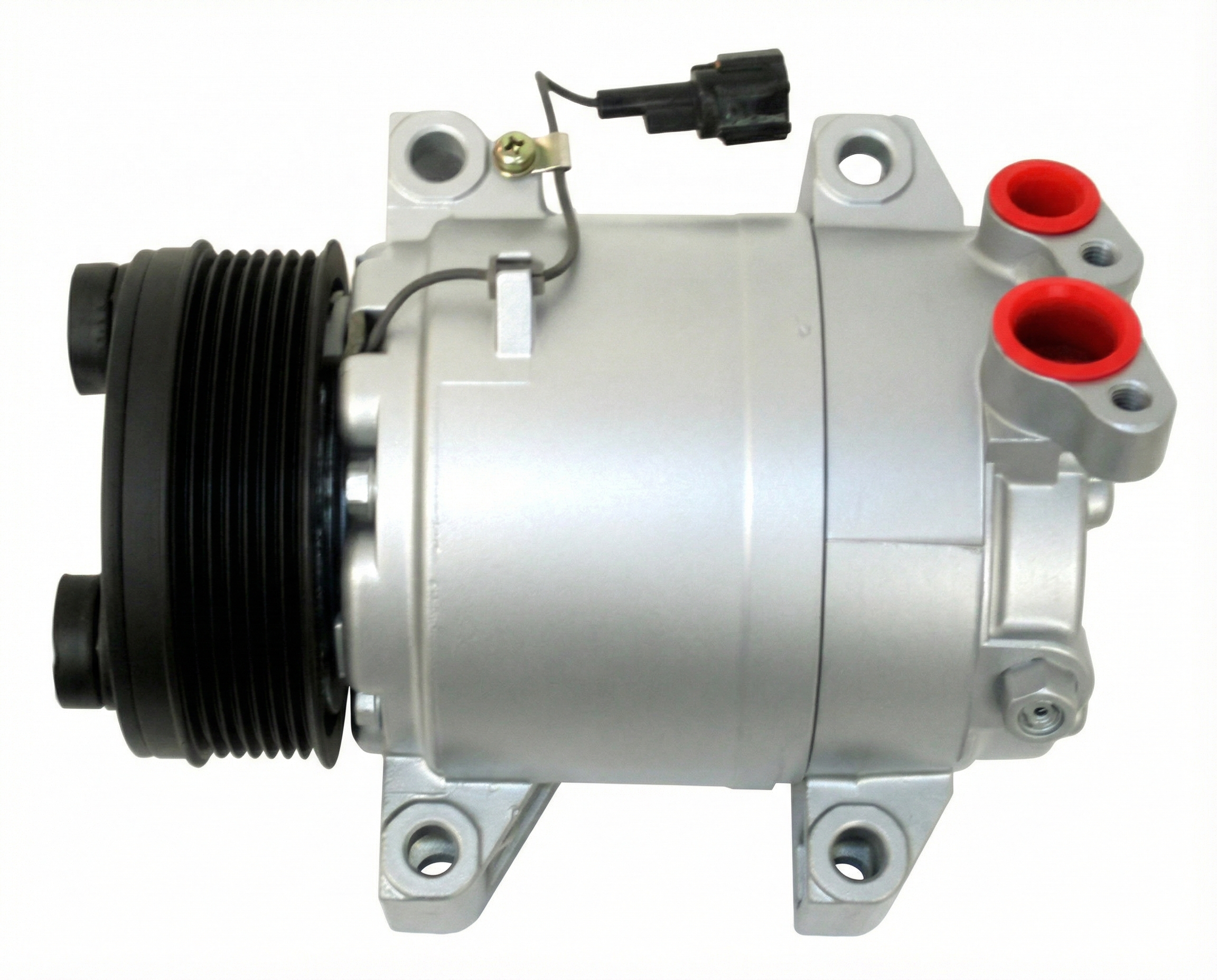
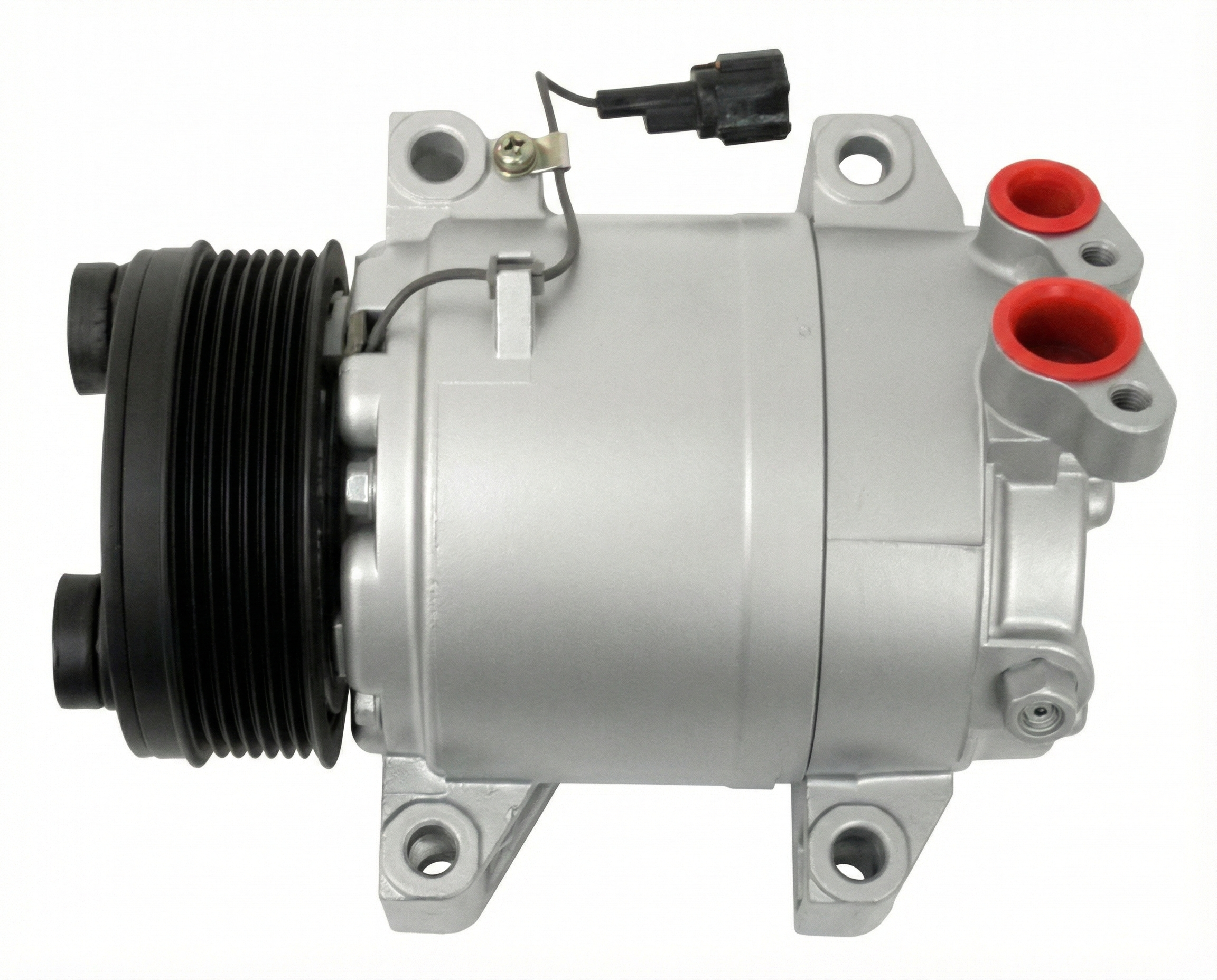
- Spin the Pulley and Clutch: The inner clutch plate should spin freely by hand, separate from the pulley. The outer pulley should also spin smoothly and quietly by hand; any grinding or roughness indicates a bad bearing.
- Inspect the Connector: Make sure the electrical connector is not cracked, corroded, or damaged.
- Ask About "Black Death": If a compressor fails internally, it can send metal shavings throughout the entire A/C system. This is known as "black death." If possible, ask if the donor vehicle's A/C was working before it was dismantled. If you drain the oil from the used compressor and it's black or gray instead of clean and green, the compressor is bad. Installing a contaminated compressor will destroy your entire A/C system.
Pro Tip: For a part like an A/C compressor, a quality-tested used OEM unit is often a better choice than a cheap, new aftermarket part. OEM units are built to Nissan's exact specifications for durability and performance, while some aftermarket parts can have lower quality internal components that may fail prematurely.
Known Issues, TSBs, and Recalls
As of early 2026, there are no specific recalls or Technical Service Bulletins (TSBs) from Nissan or the NHTSA that directly address widespread failure of the A/C compressor on the 2011-2014 Juke. While other recalls exist for this vehicle, such as for a fuel pressure sensor and timing chain, they do not pertain to the A/C compressor itself. The lack of a specific recall suggests that while failures occur, they are not considered a universal manufacturing or safety defect.
Replacement Overview & Difficulty
Replacing the A/C compressor on a Nissan Juke is a difficult job for a DIY mechanic and is best left to a professional unless you have the right tools and experience.
- Difficulty Rating: 4 out of 5
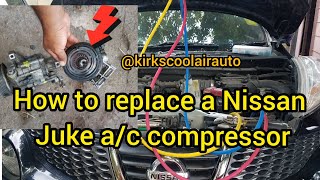
- Key Steps: The process involves having the refrigerant professionally recovered, removing the serpentine belt, disconnecting the A/C lines and electrical connector, and unbolting the compressor from the engine. Access is tight, and some mechanics find it necessary to remove the front bumper or loosen the subframe to get the compressor out. 🎬 See this walkthrough of the compressor replacement process
- Specialized Tools Required: You cannot legally or safely perform this repair without an A/C refrigerant recovery machine and a vacuum pump. After installation, a vacuum must be pulled on the system to remove air and moisture before it is recharged with the correct amount of refrigerant and oil.
Cost Comparison (2011-2014 Nissan Juke A/C Compressor)
| Part Type | Estimated Cost |
|---|---|
| New OEM | $700 - $1,062 |
| New Aftermarket | $190 - $470 |
| Used OEM | $85 - $150 |
| Remanufactured | $250 - $400 |
| Shop Labor | $200 - $620 |
Frequently Asked Questions (FAQ)
Can I just replace the A/C compressor clutch?
While it is sometimes possible to replace only the clutch assembly, it is often not cost-effective. The labor involved can be significant, and if the rest of the compressor is old, it may fail soon after. In many cases, replacing the entire compressor assembly with a quality used or remanufactured unit is a more reliable long-term repair.
What is A/C "black death" and how do I prevent it?
"Black death" refers to the catastrophic internal failure of a compressor, which spreads metal debris and contaminated oil throughout the entire A/C system. If this happens, you must replace not only the compressor but also the receiver/drier and expansion valve, and thoroughly flush the condenser, evaporator, and all lines. Failure to do so will cause the new compressor to fail immediately. The best prevention is to ensure the system always has the correct amount of refrigerant and lubricating oil.
Do I have to flush the A/C system when I replace the compressor?
Yes, it is highly recommended. Even if the old compressor did not suffer a catastrophic failure, flushing the system removes old oil and any potential contaminants. If the old compressor did fail internally, flushing is mandatory to prevent the debris from destroying the new compressor.
My A/C isn't working. How do I know it's the compressor?
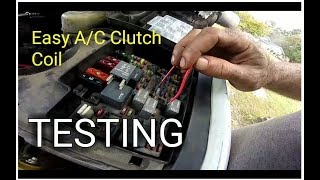
While the compressor is a common culprit, other issues can cause the A/C to fail. The most common cause is a refrigerant leak. Other possibilities include a bad A/C pressure switch, a blown fuse, or a faulty relay. A proper diagnosis, which includes checking system pressure and verifying power to the compressor clutch 🎬 Watch: How to test your A/C clutch coil easily, is needed to confirm the compressor is the problem.
OEM Part Numbers
| Production Date | Common OEM Part Numbers |
|---|---|
| July 2011 - 2014 | 92600-1KC7B, 92600-1KC1C, 92600-1KC2A, 92600-1KC3A, 92600-1KC5B, 92600-3VB1C |
| Up to June 2011 | 92600-1KC1A, 92600-1KC0A |
Helpful Videos

Technical Specifications
OEM Part Numbers: 92600-1KC7B 92600-1KC1C 92600-1KC2A 92600-1KC3A 92600-1KC5B 92600-3VB1C 92600-1KC1A 92600-1KC0A
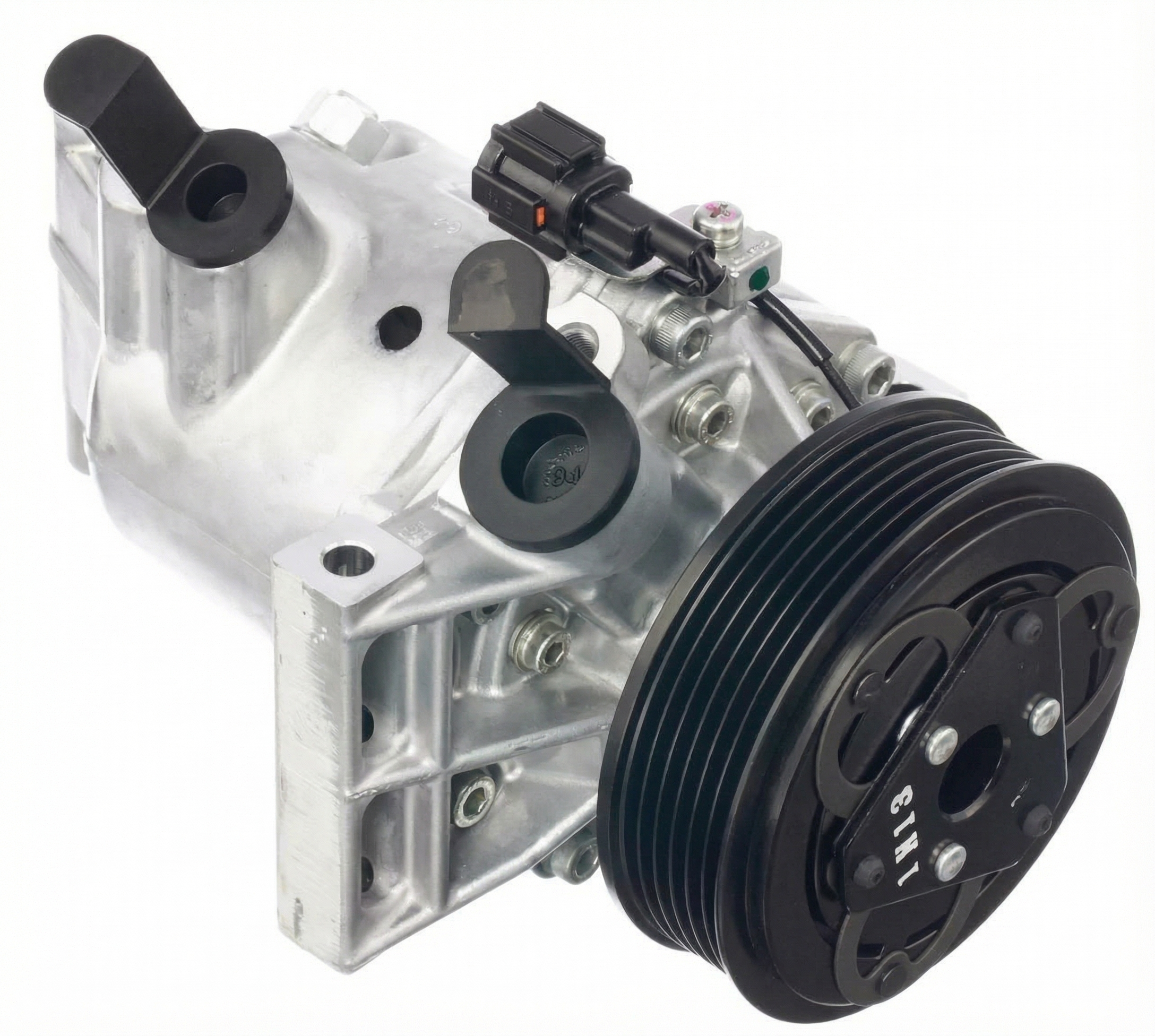
Compressor Type: Calsonic CR08, Pulley Grooves: 6, Oil Type: PAG 100, Voltage: 12V
We Have This Part in Stock

The information in this article is provided for general reference and educational purposes only. Vehicle specifications, procedures, and part compatibility can vary by production date, trim level, and region. Always consult your vehicle's factory service manual and verify part numbers before purchasing or performing repairs. Safety-critical components such as airbags, seat belts, and braking systems should be installed by a qualified professional.
- Nissan Juke:
- 🎬 Helpful Videos
- 🛍️ Shop This Part
- The Most Important Thing: The 2011 Production Date Split
- Symptoms of a Failing Nissan Juke A/C Compressor
- 1. No Cold Air
- 2. Grinding, Squealing, or Rattling Noises
- 3. A/C Clutch Not Engaging
- 4. Intermittent Cooling
- Buying a Used 2011-2014 Juke A/C Compressor
- Inspection Checklist:
- Known Issues, TSBs, and Recalls
- Replacement Overview & Difficulty
- Cost Comparison (2011-2014 Nissan Juke A/C Compressor)
- Frequently Asked Questions (FAQ)
- OEM Part Numbers
- 🎟️ Get 5% Off