

2005-2012 Subaru Legacy & Outback A/C Compressor: Failure Symptoms and Replacement Guide
This guide covers common A/C compressor problems, symptoms, and replacement considerations for the 2005-2012 Subaru Legacy and Subaru Outback.
- Intermittent cooling that gets worse when hot is a classic sign of a worn A/C clutch, a common failure on these models.
- If the old compressor failed internally, you MUST flush the system and replace the receiver/drier to prevent immediate failure of the new part.
- Replacement is not a simple DIY job because it requires specialized equipment to safely and legally recover, vacuum, and recharge the refrigerant.
- A faulty A/C relay can mimic compressor failure and is a cheap, easy part to check first.
Symptoms of a Failing A/C Compressor


A bad A/C compressor on a 2005-2012 Subaru Legacy or Outback will usually provide several warning signs. Identifying these early can help you diagnose the problem accurately.
- No Cold Air: The most obvious symptom is warm or ambient temperature air coming from the vents when the A/C is turned on. This happens when the compressor can no longer pressurize the refrigerant.
- Loud Noises: A high-pitched squealing or grinding sound when the A/C is activated often points to failing internal bearings. If the compressor's pulley bearing seizes, it can cause a loud squeal from the serpentine belt and may even shred the belt, leading to a loss of power steering and alternator function.
- Intermittent Cooling: The A/C may work for a few minutes and then start blowing warm air, especially when the engine bay is hot. This can be caused by an aging A/C clutch that develops an excessive air gap, preventing it from engaging reliably when hot. Some owners also report this as frequent cycling between cold and ambient air.
- Visible Clutch Malfunction: With the engine running, you can observe the front of the A/C compressor. The center plate (the clutch) should engage and spin with the pulley when the A/C is on. If it doesn't engage, wobbles, or is visibly burnt, the clutch has failed.
- Leaking Refrigerant: You may notice an oily, grimy residue on the body of the A/C compressor. This is refrigerant oil leaking from failing seals. A significant leak will lead to a loss of refrigerant and cooling performance.
Known Issues, TSBs, and Recalls

While there are no specific recalls for the A/C compressor on the 2005-2012 Legacy and Outback, Subarus of this era are known for a few common A/C system vulnerabilities.
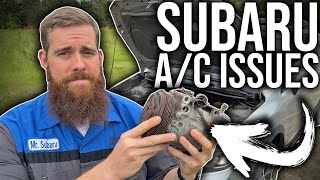
- A/C Relay Failure: Some owners of Legacy models have experienced intermittent A/C operation that was traced back to a faulty A/C relay, not the compressor itself. This is a simple and inexpensive part to replace and should be considered during diagnosis. 🎬 Watch: Common Subaru A/C issues and expert repair tips.
- Clutch Air Gap: As these compressors age, the electromagnetic clutch can wear, increasing the 'air gap'. When the gap becomes too large, the electromagnet isn't strong enough to engage the clutch, especially when hot. This leads to the common intermittent cooling symptom.
- Catastrophic Failure ('Black Death'): In a worst-case scenario, the compressor can fail internally and send metal shavings and debris throughout the entire A/C system. If this happens, simply replacing the compressor is not enough. The new compressor will quickly be destroyed by the circulating contaminants. A complete system flush, along with replacement of the condenser and receiver/drier, is required.
There have been no safety recalls issued by the NHTSA specifically for the A/C compressor on these models. Recalls for this generation typically involve airbags, brake line corrosion in certain states, and ignition switches.
Warning: Before replacing a compressor, the cause of the original failure must be identified. If the old compressor suffered a catastrophic internal failure, you MUST flush the entire A/C system and replace the receiver/drier and expansion valve to avoid immediate failure of the new unit.
Buying a Used A/C Compressor
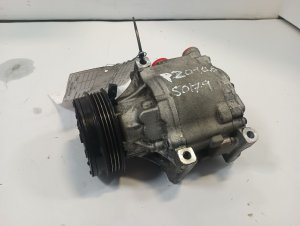
A used OEM compressor can be a smart, cost-effective choice over expensive new parts or lower-quality aftermarket units. However, careful inspection is crucial.
What to Inspect:
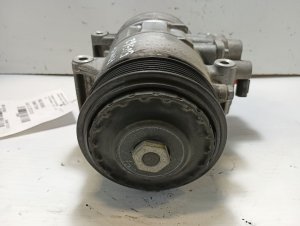
- Pulley and Clutch: Spin the outer pulley by hand. It should rotate smoothly and quietly. Any grinding or roughness indicates a bad pulley bearing. The center clutch plate should not spin with the pulley.
- Clutch Face: Look for discoloration, a burnt smell, or melted plastic on the clutch face. This is a sign of overheating and slippage.
- Ports and Internals: Look inside the inlet and outlet ports with a flashlight. If you see any metallic glitter or black, sludgy debris, do not buy the compressor. It has suffered an internal failure and will contaminate your A/C system.
- Physical Condition: Check the compressor body for cracks, heavy corrosion, or signs of leaking oil. Ensure the electrical connector and its pins are clean and undamaged.
- Source Vehicle Information: If possible, get the mileage from the donor vehicle. Lower mileage is always better. A compressor from a low-mileage, front-end collision vehicle is often a good bet.
Replacement Overview & Difficulty
Replacing the A/C compressor is an advanced DIY job, primarily because it involves handling refrigerant, which requires specialized equipment and certification in many areas.
- Difficulty: 4 out of 5
- Key Steps:
- Refrigerant Recovery: The system must be professionally evacuated using an A/C recovery machine. It is illegal and harmful to the environment to vent refrigerant into the atmosphere.
- Component Access: Remove the serpentine drive belt and disconnect the electrical connector from the compressor.
- Disconnect Lines: Remove the high and low-side A/C lines from the compressor. Be prepared for a small amount of residual oil to drip out. Immediately cap the open lines and ports to prevent moisture and debris from entering.
- Unbolt Compressor: Remove the mounting bolts that hold the compressor to the engine bracket.
- Install New Unit: Before installing the new compressor, drain and measure the oil from the old unit to determine how much new PAG 46 oil to add to the replacement. Transfer the correct amount of oil, install new O-rings on the A/C lines, and bolt the new compressor in place.
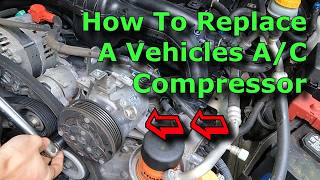
- Vacuum and Recharge: This is the most critical step. A vacuum pump must be used to pull the system into a deep vacuum for at least 30-60 minutes to boil off any moisture. The system is then recharged with the precise weight of R134a refrigerant specified on the under-hood sticker. 🎬 Watch this comprehensive walkthrough of the compressor replacement process.
Pro Tip: Any time the A/C system is opened, you must replace the receiver/drier (also called an accumulator or desiccant bag). This component absorbs moisture from the refrigerant. The old one will be saturated with moisture and will not protect your new compressor.
Cost Comparison
Prices can vary significantly based on brand and location. The following is an estimated breakdown:
| Part/Service | Estimated Cost |
|---|---|
| New OEM | $410 - $610 |
| New Aftermarket | $150 - $320 |
| Used OEM | $75 - $150 |
| Remanufactured | $200 - $400 |
| Shop Labor (Replacement & Recharge) | $570 - $900 |
Frequently Asked Questions (FAQ)
Can I just replace the A/C clutch and not the whole compressor?
While it is sometimes possible, it is often not practical. The cost of a clutch kit and the specialized tools and labor required can approach the cost of a complete used or remanufactured compressor. Given that many failures are related to internal wear or the clutch coil, replacing the entire assembly is usually the more reliable, long-term repair.
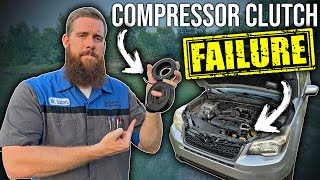
🎬 See if you can save money by replacing the clutch.Do I need to add oil to the new compressor?
Yes, but the amount is critical. Most new and remanufactured compressors come pre-filled with a generic amount of oil. You must drain this shipping oil and add back the correct type (PAG 46) and amount of oil specified for your vehicle's system. A common procedure is to drain the oil from the old compressor, measure it, and put an equal amount of new oil into the replacement compressor. This accounts for the oil distributed throughout the rest of the A/C system.
My A/C works for a while then blows warm. Is the compressor bad?
This is a very common symptom and it strongly points to a problem with the A/C clutch. As the clutch wears, the air gap between the pulley and the clutch plate increases. When the engine bay gets hot, the electromagnet that engages the clutch becomes weaker and can no longer pull the plate across the wide gap. Letting the system cool down allows it to work again temporarily. While adjusting the clutch shims is a possible fix, it's often a sign that the compressor is near the end of its life.
Why did my replacement A/C compressor fail after only a few months?
The most common reason for a rapid failure of a new compressor is contamination from the old one. If the original compressor failed internally, it likely sent metal debris through the system. If the system was not thoroughly flushed and the receiver/drier and expansion valve were not replaced, that debris will destroy the new compressor. Another cause could be an incorrect refrigerant or oil charge.
Helpful Videos

Technical Specifications
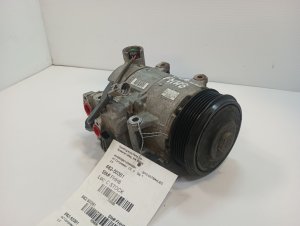
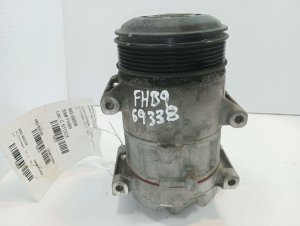
OEM Part Numbers: 73111AG000 73111AG001 73111AG010 73111AG011 73111AG012 73111AJ00A
Refrigerant Type: R134a. Compressor Oil: PAG 46. Pulley Grooves: 6.
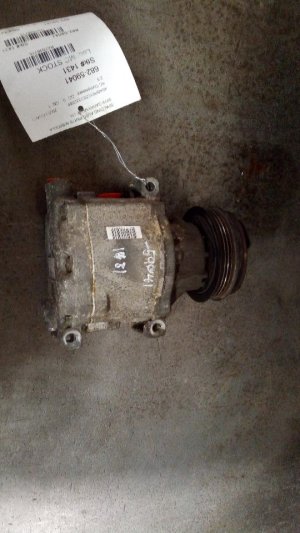
We Have This Part in Stock

The information in this article is provided for general reference and educational purposes only. Vehicle specifications, procedures, and part compatibility can vary by production date, trim level, and region. Always consult your vehicle's factory service manual and verify part numbers before purchasing or performing repairs. Safety-critical components such as airbags, seat belts, and braking systems should be installed by a qualified professional.
- Subaru Legacy:
- Subaru Outback: