

2016-2020 Buick Envision A/C Condenser: Leaks, Failures, and Replacement Guide
Diagnose a failing A/C condenser in your Buick Envision, understand why leaks happen, and learn how to choose a quality used replacement.
- The most common failure is a refrigerant leak caused by road debris impact or corrosion.
- Symptoms include warm air from the vents, visible oily leaks on the condenser, and sometimes a burning smell.
- Replacement is not a DIY-friendly job as it requires specialized equipment to handle high-pressure refrigerant legally and safely.
- When replacing the condenser, it is essential to also replace the A/C receiver/drier to protect the system from moisture.
Symptoms of a Failing A/C Condenser
When the A/C condenser in a 2016-2020 Buick Envision starts to fail, the signs are usually straightforward. Because its main job is to release heat, most symptoms are related to poor cooling performance.
1. Warm Air from Vents
The most common and immediate symptom of a bad condenser is warm or lukewarm air blowing from the A/C vents, even when the system is set to its coldest temperature. This happens because a damaged or clogged condenser cannot effectively cool the refrigerant, which prevents the system from producing cold air. The reduction in cooling might happen gradually over time or all at once.
2. Visible Refrigerant Leaks
The condenser is made of aluminum tubes and fins that can be damaged by rocks and road debris. Over time, corrosion or physical impacts can cause small cracks or holes, leading to refrigerant leaks. You might notice a greasy or oily residue on the condenser itself. If a UV dye has been added to the A/C system during a previous service, the leak will appear as a bright green or yellow stain under ultraviolet light.
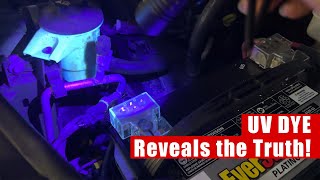
🎬 Watch: How to find your AC leak using UV dye3. Burning Smell from Vents
In some cases, a failing condenser can't dissipate heat correctly, causing other A/C components to overheat. This can produce a distinct burning smell from the vents when the A/C is running. If you notice this smell, you should turn off the A/C system immediately to prevent further damage to other components like the compressor.
4. Engine Overheating at Idle
Because the condenser sits directly in front of the engine's radiator, a severely clogged or blocked condenser can restrict airflow to the radiator. This can cause the engine to run hotter than normal, especially when the vehicle is stationary or moving at low speeds, as there is less natural airflow.
Warning: The A/C system is under high pressure. Releasing refrigerant into the atmosphere is illegal and can cause chemical burns. This repair should only be attempted by those with the proper equipment and training.
Buying a Used A/C Condenser
A used OEM condenser can be a cost-effective and reliable alternative to an expensive new part. However, careful inspection is key to ensure you are getting a quality component.
What to Inspect Before You Buy
- Check for Physical Damage: Carefully examine the entire surface of the condenser. Look for bent or crushed cooling fins. While a few bent fins are normal and can be straightened with a fin comb, large areas of damage will reduce the condenser's efficiency.
- Inspect for Leaks: Look for any oily residue or signs of UV dye, which indicate a past or present leak. Pay close attention to the welds where the lines connect and along the tubes.
- Verify Connections: Ensure the inlet and outlet ports are clean, undamaged, and not stripped. The mounting brackets should be straight and intact to ensure proper alignment during installation.
- Ask About Mileage: Inquire about the mileage of the donor vehicle. A condenser from a lower-mileage vehicle is generally preferable, though condition is more important than mileage alone.
Why Used OEM is Often Better Than New Aftermarket
Original Equipment Manufacturer (OEM) parts are built by the same company that supplied them to Buick for the factory assembly line. This means a used OEM condenser will have the correct fit, form, and function, ensuring that mounting points and line connections are precise. Cheaper aftermarket condensers may use lower-quality materials or have slight variations in design that can lead to installation problems or reduced cooling performance.
Known Issues, TSBs, and Recalls
As of early 2026, there are no specific recalls or widespread Technical Service Bulletins (TSBs) from Buick or the NHTSA that target the A/C condenser on the 2016-2020 Envision. Most failures are due to common causes like road debris impact or age-related corrosion rather than a specific manufacturing defect. The most common A/C issue reported for this vehicle is a refrigerant leak, which can originate from the condenser, hoses, or compressor seals.
Cost to Replace the A/C Condenser
The cost of replacing an A/C condenser in a 2016-2020 Buick Envision can vary significantly based on the parts used and labor rates.
| Part Type | Estimated Cost |
|---|---|
| New OEM | $360 - $555 |
| New Aftermarket | $70 - $160 |
| Used OEM | $75 - $150 |
| Shop Labor | $397 - $582 |
| Total Professional Replacement | $1,013 - $1,198 |
Pro Tip: Whenever the A/C system is opened for a major repair like a condenser replacement, it is highly recommended to also replace the A/C receiver/drier (also called an accumulator or dehydrator). This component absorbs moisture from the refrigerant, and a new one costs very little but is crucial for the long-term health of the A/C system.
Frequently Asked Questions (FAQ)
Can I replace the Buick Envision A/C condenser myself?
This is not a recommended DIY job for beginners. The process requires specialized equipment to safely recover the old refrigerant and then pull a vacuum on the system to remove moisture before recharging it. Venting refrigerant into the air is illegal. While the physical replacement is straightforward for someone with mechanical experience, the handling of refrigerant must be done by a certified professional.
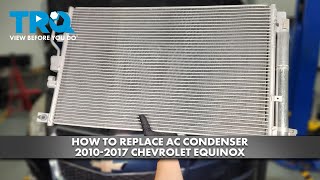
🎬 Watch this walkthrough of the condenser replacement processWhy did my A/C condenser fail?
The most common cause of failure is physical damage from rocks or road debris hitting the front of the car. The second most common cause is corrosion, where exposure to road salt and moisture over time creates small holes in the aluminum tubing, allowing refrigerant to leak out.
Do I need to add oil when installing a new condenser?
Yes, but the amount is critical. When a condenser is replaced, a specific amount of PAG (Polyalkylene Glycol) oil, which lubricates the A/C compressor, must be added to the system. The exact amount will be listed in the vehicle's service manual. Too much or too little oil can damage the compressor.
Is a small leak in the condenser a big deal?
Yes. Even a small leak will eventually allow all the refrigerant to escape, causing the A/C to stop working. More importantly, a leak allows moisture and air to enter the A/C system, which can lead to corrosion and damage to more expensive components like the A/C compressor. It's best to address any leak as soon as it's discovered.
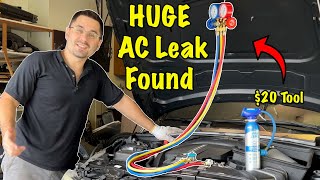
🎬 See how to find AC leaks even in an empty systemHelpful Videos

Technical Specifications
OEM Part Numbers: 23322260 84268017 84690761
Brazed and mechanically bonded aluminum construction.

The information in this article is provided for general reference and educational purposes only. Vehicle specifications, procedures, and part compatibility can vary by production date, trim level, and region. Always consult your vehicle's factory service manual and verify part numbers before purchasing or performing repairs. Safety-critical components such as airbags, seat belts, and braking systems should be installed by a qualified professional.
- Buick Envision:
- 🎬 Helpful Videos
- Symptoms of a Failing A/C Condenser
- 1. Warm Air from Vents
- 2. Visible Refrigerant Leaks
- 3. Burning Smell from Vents
- 4. Engine Overheating at Idle
- Buying a Used A/C Condenser
- What to Inspect Before You Buy
- Why Used OEM is Often Better Than New Aftermarket
- Known Issues, TSBs, and Recalls
- Cost to Replace the A/C Condenser
- Frequently Asked Questions (FAQ)
- 🎟️ Get 5% Off