

2016-2017 Equinox & Terrain A/C Condenser: Diagnosing Leaks and Replacement
This guide covers the common failure points, symptoms, and replacement procedure for the A/C condenser in the 2016-2017 Chevrolet Equinox and GMC Terrain.
- The most common failure symptom is warm air from the vents, often caused by a leak showing as an oily, grimy spot on the condenser.
- This part is shared between the 2016-2017 Chevrolet Equinox and GMC Terrain and fits all engines for those years.
- Replacement requires removing the front bumper and having the A/C system professionally evacuated and recharged.
- When buying used, carefully inspect for leaks (oily residue) and heavy fin damage. A clean used OEM part is often better than a cheap new aftermarket one.
- OEM part number 23400197 is the updated replacement for the original 23288135.
Symptoms of a Failing A/C Condenser
A bad A/C condenser will quickly make itself known, especially on a hot day. Because it sits at the very front of the vehicle, it's vulnerable to damage. Here are the most common signs that your condenser is failing:
- Warm or Lukewarm Air from Vents: This is the most common symptom. If the condenser is clogged, damaged, or leaking, it can't cool the refrigerant effectively, resulting in poor A/C performance. You'll notice the air isn't as cold as it used to be, even with the A/C on full blast. 🎬 See why your GMC Terrain A/C might be blowing warm air.
- Visible Refrigerant Leak: The A/C system uses refrigerant oil to lubricate the compressor. When refrigerant leaks from the condenser, this oil leaks with it. The oil attracts dirt and grime, creating a tell-tale greasy, dirty patch on the condenser fins. This is a clear sign of a leak.
- A/C System Works Intermittently: A faulty condenser can cause system pressures to get too high. The vehicle's computer will shut down the A/C compressor to prevent damage, causing the system to cut in and out. This is most noticeable when the vehicle is idling or in stop-and-go traffic.
- Visible Damage: Since the condenser is mounted right behind the grille, it's easily damaged by rocks, road debris, or minor front-end impacts. Bent or crushed cooling fins can block airflow and reduce performance.
- Engine Overheating at Idle: The A/C condenser sits in front of the engine's radiator. A clogged or blocked condenser can restrict airflow to the radiator, potentially causing the engine to run hotter than normal, especially when stationary.
Known Issues, TSBs, and Recalls
While there are no specific recalls for the A/C condenser on the 2016-2017 Chevrolet Equinox or GMC Terrain, there are a couple of relevant Technical Service Bulletins (TSBs) for the A/C system that owners should be aware of.
TSB 25-NA-058: A/C Line Rubbing on Heat Shield
Some vehicles may experience warm A/C operation or a hissing noise from under the hood. This can be caused by an A/C evaporator line rubbing against an exhaust heat shield, eventually wearing a hole in the line and causing a refrigerant leak. While not a condenser failure, the symptom (leaking refrigerant and warm air) is identical and should be investigated.
TSB 17-NA-237: HVAC Drain Hose Clogging
Owners of 2010-2017 Equinox and Terrain models may experience a wet floor on the passenger side. This is often caused by an HVAC drain hose with a small diameter that is prone to clogging. Water that would normally drain outside backs up and leaks into the cabin. While this won't affect A/C cooling performance, it's a common A/C system-related issue for these vehicles.
Pro Tip: Before assuming your condenser is bad, check for the issues mentioned in these TSBs. A rubbing A/C line or a simple clogged drain can mimic more serious problems.
Buying a Used A/C Condenser
A used OEM condenser can be a great value, but a careful inspection is essential. Since this part is prone to damage, you must check it thoroughly before buying.
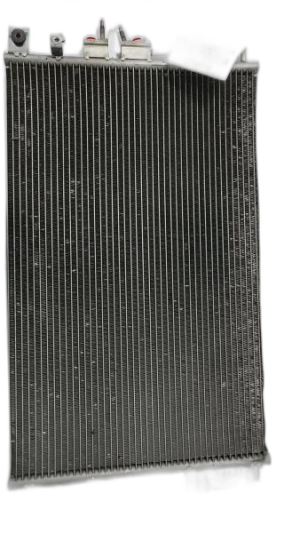
- Inspect the Fins: Look at the cooling fins across the entire surface. A few bent fins are acceptable and can be gently straightened with a fin comb, but avoid condensers with large areas of crushed or damaged fins, as this will reduce cooling efficiency.
- Check for Leaks: Look for dark, oily, or grimy patches. This is a dead giveaway of a past leak. A good, used condenser should be clean and dry.
- Examine Mounting Points and Connections: Ensure all mounting brackets are intact and not cracked or bent. Check the threaded connections for the A/C lines to make sure they are not stripped or damaged.
- Verify Part Numbers: Ensure the part is a genuine GM component. The correct part numbers for this application are 23288135 and 23400197. Part number 23400197 is a later version that supersedes 23288135.
- Why Used OEM is a Good Choice: A genuine GM condenser that is clean and undamaged is often a better choice than a cheap, new aftermarket part. OEM parts are designed for a perfect fit and are made with high-quality materials that resist corrosion. Many aftermarket condensers may use lower-grade materials or have slight fitment issues that can complicate installation.
Replacement Overview
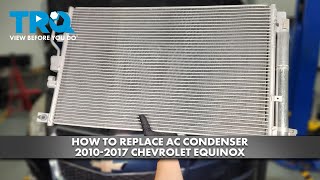
Replacing the A/C condenser on a 2016-2017 Equinox or Terrain is a moderately difficult job that a skilled DIYer can perform. The key challenge is the need to have the A/C system professionally evacuated before starting and recharged after installation.
Warning: It is illegal and dangerous to release A/C refrigerant into the atmosphere. The system must be evacuated by a certified mechanic with the proper equipment before you begin work.
- Evacuate the A/C System: Take the vehicle to a repair shop to have the refrigerant professionally recovered.
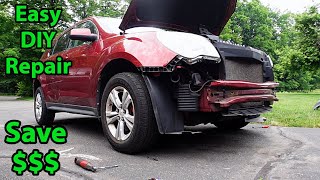
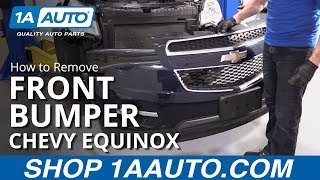
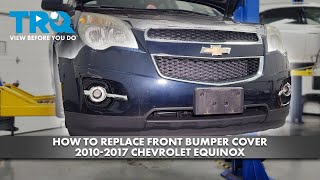
- Remove the Front Bumper Cover: This involves removing a series of plastic clips, 7mm screws, and T20 Torx screws in the wheel wells and under the bumper.
- Access the Condenser: With the bumper cover off, you will have clear access to the condenser, which is mounted to the radiator.
- Disconnect A/C Lines: Unbolt the two A/C lines from the condenser. Be prepared for a small amount of residual oil to drip out. Always use new O-rings on the lines during reassembly.
- Unbolt and Remove Condenser: The condenser is typically held to the radiator with a few 13mm bolts or nuts. Once unbolted, it can be carefully lifted out.
- Install New Condenser: Installation is the reverse of removal. If your new condenser doesn't come with new studs for the line connections, you may need to transfer them from the old unit using an inverted Torx socket. It's recommended to add a small amount of PAG oil to the new condenser to replenish what was lost.
- Recharge the System: After reassembly, take the vehicle back to a shop to have the system vacuum tested for leaks and properly recharged with the correct amount of refrigerant.
Cost Comparison
Prices can vary based on location and supplier, but here is a general breakdown of costs:
| Part Type | Estimated Cost |
|---|---|
| New OEM | $225 - $340 |
| New Aftermarket | $75 - $150 |
| Used OEM | $50 - $125 |
| Shop Labor | $250 - $400 |
Frequently Asked Questions (FAQ)
Can I replace the A/C condenser myself?
Yes, if you are comfortable with removing the front bumper cover and have the right tools. However, the law requires that the refrigerant be evacuated and recharged by a certified professional, so you will need to factor in the cost of visiting a shop for those steps.
Do I have to replace the receiver/drier when I replace the condenser?
It is highly recommended. The receiver/drier (or accumulator) contains a desiccant that absorbs moisture from the A/C system. Any time the system is opened to the atmosphere, it should be replaced to prevent moisture from damaging other components like the compressor. On these vehicles, the receiver/drier is integrated into the condenser, so a new one is included with the new part.
My A/C is blowing warm, but I don't see a leak. Is it the condenser?
It could be, but not necessarily. A lack of cooling can also be caused by an electrical issue, a faulty compressor, or an internal blockage in the system. A common cause of blockage is when a failing compressor sends metallic debris through the system, which can clog the condenser. A professional diagnosis with pressure gauges is the best way to identify the exact cause.
Why is my cooling fan running for a long time after I shut the car off?
This can be related to the A/C system. If the condenser is not dissipating heat properly, system pressures and temperatures rise. The vehicle's computer may keep the cooling fan running after shutdown to try and cool things down. While GM vehicles do have a feature for this, if it's happening along with poor A/C performance, it points towards a problem in the A/C system.
Helpful Videos
Technical Specifications
OEM Part Numbers: 23288135 23400197
Material: Aluminum. The receiver/drier is integrated into the condenser assembly.
We Have This Part in Stock

The information in this article is provided for general reference and educational purposes only. Vehicle specifications, procedures, and part compatibility can vary by production date, trim level, and region. Always consult your vehicle's factory service manual and verify part numbers before purchasing or performing repairs. Safety-critical components such as airbags, seat belts, and braking systems should be installed by a qualified professional.
- Chevrolet Equinox:
- GMC Terrain:
- 🎬 Helpful Videos
- 🛍️ Shop This Part
- Symptoms of a Failing A/C Condenser
- Known Issues, TSBs, and Recalls
- TSB 25-NA-058: A/C Line Rubbing on Heat Shield
- TSB 17-NA-237: HVAC Drain Hose Clogging
- Buying a Used A/C Condenser
- Replacement Overview
- Cost Comparison
- Frequently Asked Questions (FAQ)
- 🎟️ Get 5% Off