

BMW Radiator Fan Failure (2004-2010 5, 6, & 7 Series): Overheating, Diagnosis, and Replacement
Diagnose and understand the common 600-watt A/C condenser and radiator cooling fan failure on E60, E63, and E65 platform BMWs, causing engine overheating and A/C issues.
- The most critical symptom of failure is engine overheating when stopped or in slow traffic.
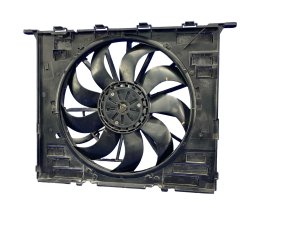
- Verify your car requires the 600-watt version (part #17427543282); using a lower-wattage fan will cause problems.
- A simple test is to turn on the A/C; the fan should start spinning. If it doesn't, the assembly is likely faulty.
- A quality used OEM part is often a more reliable and cost-effective solution than a cheap new aftermarket fan.
Is This Guide for Your Vehicle?
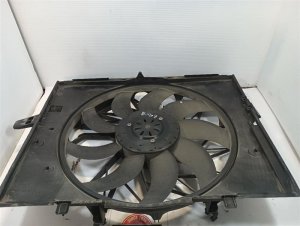
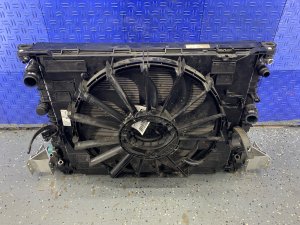
This in-depth guide covers the 600-watt radiator cooling fan assembly, primarily known by BMW part number 17427543282. This part is shared across several BMW 5 Series, 6 Series, and 7 Series models built on related platforms. Please verify your vehicle is on this list:
- 2006-2007 BMW 525i
- 2008-2010 BMW 528i (E60 chassis)
- 2008 BMW 528xi
- 2006-2007 BMW 530i
- 2004-2005 BMW 545i
- 2004-2005 BMW 645Ci
- 2006-2008 BMW 750i
- 2006-2008 BMW 750Li
Compatibility Warning: This guide is NOT for the 2011 and newer 5 Series (F10 chassis) or 2012-2016 528i models, which use a different cooling fan assembly (such as part number 17418642161). This guide specifically covers the E60, E63, and E65/E66 chassis vehicles listed above that use the 600-watt fan. Some vehicles were equipped with a lower-power 400-watt fan, particularly those not optioned with the 'Hot-climate version' (S823A). Always verify the wattage of your original fan before purchasing a replacement.
Symptoms of a Failing Radiator Fan
A failing radiator fan assembly often gives clear warning signs. The most common failure is a burned-out motor or a faulty integrated control module. Here’s what to look for:
- Engine Overheating at Low Speeds or Idle: This is the most critical symptom. The temperature gauge will climb towards the red when you're in traffic or stopped, but may return to normal when you're moving at highway speeds. 🎬 Watch: Understanding why your BMW E60 is overheating This happens because airflow from driving is enough to cool the radiator, but without that airflow, the non-working fan can't pull air through.
- A/C Blows Warm Air at a Stop: The cooling fan is also responsible for pulling air across the A/C condenser. If the fan fails, the A/C system can't shed heat effectively, causing it to blow warm air when the car is stationary. The A/C may get cold again once you start moving.
- Loud or Unusual Noises: A grinding or rattling sound from the front of the engine bay can indicate worn-out bearings in the fan motor. A loud roaring that changes with engine speed is not typical for this electric fan but can be a sign of a problem.
- Fan Doesn't Turn On With A/C: This is a simple check. With the engine running, turn the A/C on to its coldest setting. The radiator fan should start spinning within a minute. If it doesn't, it points to a problem with the fan assembly or its control circuit.
- Check Engine Light or Other Warnings: A severe overheat condition will trigger temperature warnings on the dashboard. In some cases, a fault in the fan's electrical circuit can store a trouble code like P0480 (Cooling Fan 1 Control Circuit Malfunction) in the engine computer.
Diagnosing the Problem
Before buying a new part, a few diagnostic steps can confirm the fan is the issue.
- Visual Inspection: Check for obvious damage to the fan blades or the surrounding plastic shroud. Ensure nothing is physically obstructing the fan from spinning.
- Check Fuses: A blown fuse is a simple and cheap fix. The fan motor is on a high-amperage circuit, so check your vehicle's fuse diagram for the main cooling fan fuse. If a replacement fuse blows immediately, it indicates a short circuit, likely in the fan motor itself.
- The A/C Test: As mentioned above, turn on the A/C and see if the fan engages. This is the easiest functional test.
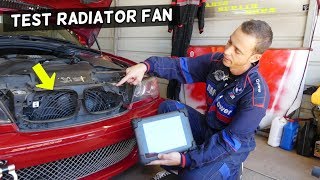
- Scan Tool Activation: A BMW-compatible diagnostic scanner can be used to command the fan to turn on. This 'active test' bypasses sensors and relays, directly testing the fan motor and its integrated controller. 🎬 See this guide on how to test your radiator fan If the fan doesn't run during this test, the assembly is almost certainly faulty.
- Coolant Temp Sensor Test: On some BMWs, disconnecting the engine coolant temperature sensor can trigger a 'fail-safe' mode, forcing the fan to run at high speed. This can be a quick way to verify if the fan motor itself is capable of running.
Pro Tip: The fan's control module is built into the fan assembly itself. Problems like a bad relay or temperature sensor can prevent the fan from turning on, but the most common point of failure on these models is the fan assembly as a whole (motor or integrated controller).
Buying a Used A/C Condenser Fan Motor
Given that a new OEM fan assembly costs nearly $1,000, a high-quality, low-mileage used OEM part is an excellent value. However, you must inspect it carefully before purchasing.
- Verify the Part Number and Wattage: The most critical step. Ensure the used part is a 600-watt assembly and the part number is 17427543282 or a superseded number that fits your vehicle. Do not buy a 400-watt fan if your car came with the 600-watt version.
- Physical Inspection: Check the plastic shroud for any cracks, especially around the mounting points. Inspect every fan blade to ensure none are cracked, chipped, or bent.
- Spin the Fan by Hand: With the fan unplugged, gently spin the blades by hand. It should spin smoothly with minimal resistance and no grinding or gritty feeling. Any roughness indicates bad motor bearings.
- Check the Electrical Connector: Inspect the main electrical plug. The pins should be clean and straight, with no signs of corrosion, melting, or heat damage. A melted connector is a red flag for a motor that was drawing too much current before it failed.
- Ask About the Donor Vehicle: If possible, find out the mileage and history of the vehicle the part came from. A fan from a lower-mileage, front-end collision vehicle is often a better bet than one from a high-mileage car with an unknown history.
Cost Breakdown
Prices can vary based on location and supplier, but this gives a general idea of the cost for the complete fan assembly.
| Part Type | Price Range |
|---|---|
| New OEM | $770 - $1,035 |
| New Aftermarket | $230 - $600 |
| Used OEM | $150 - $400 |
| Shop Labor for Replacement | $195 - $300 |
Replacement Overview
Replacing the fan assembly is a manageable DIY job for someone with basic mechanical skills. The difficulty is around a 2 out of 5.
The general steps involve:
- Disconnecting the battery.
- Removing the upper air intake ducts and any plastic covers above the radiator.
- Disconnecting the fan's electrical connector.
- Removing a few retaining clips or Torx screws that hold the fan shroud to the radiator.
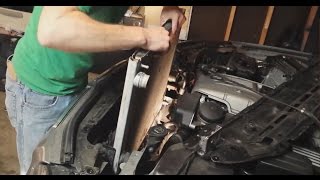
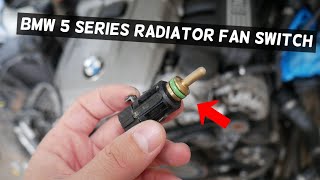
- Carefully lifting the fan assembly straight up and out of the engine bay. On some models, you may need to temporarily move a coolant hose for clearance. 🎬 Watch: How to replace the radiator fan switch
Installation is the reverse of removal. No special programming is required after installation.
Frequently Asked Questions (FAQ)
Can I drive my BMW with a broken radiator fan?
It is not recommended. While you might be safe at highway speeds where air is forced through the radiator, you risk severe engine damage from overheating if you get stuck in traffic or drive at low speeds. If your temperature gauge starts to rise, pull over and let the engine cool down immediately.
Why is my new fan always running on high speed?
If the fan runs at maximum speed constantly, even when the engine is cold, it could be a fail-safe response. This can be caused by a faulty engine coolant temperature sensor, a problem in the wiring, or sometimes air in the cooling system that needs to be bled out.
Is a cheap aftermarket fan a good idea?
While significantly cheaper, aftermarket fans can be a gamble. Issues can include incorrect fitment, lower-quality motors that fail prematurely, and control modules that don't communicate properly with the car's computer. A good-quality used OEM fan is often a more reliable choice than a new, cheap aftermarket unit.
What is the difference between the 400W and 600W fans?
The 600-watt fan is a more powerful, heavy-duty version designed for cars with higher cooling demands. This often includes cars with larger engines, automatic transmissions, or those designated for 'hot climates'. Using a 400W fan in a car that requires a 600W version will lead to inadequate cooling and potential overheating.
Helpful Videos
Technical Specifications
OEM Part Numbers: 17427543282 17427514181
Rated Power: 600W, Voltage: 12V, Configuration: Single Fan with integrated control module, 3-pin connector.
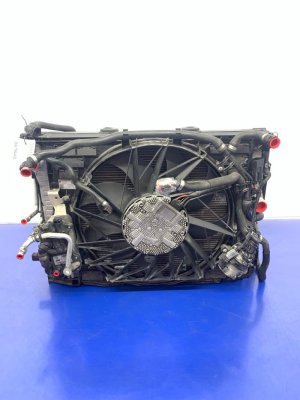
We Have This Part in Stock

The information in this article is provided for general reference and educational purposes only. Vehicle specifications, procedures, and part compatibility can vary by production date, trim level, and region. Always consult your vehicle's factory service manual and verify part numbers before purchasing or performing repairs. Safety-critical components such as airbags, seat belts, and braking systems should be installed by a qualified professional.
- BMW 528i:
- BMW 525i:
- BMW 528i xDrive:
- BMW 530i:
- BMW 545i:
- BMW 645Ci:
- BMW 750i:
- BMW 750Li: