

2014-2017 CT200h & 2012-2018 Prius V A/C Condenser Fan: Solving Overheating and Warm A/C
This guide covers the common failure symptoms, replacement costs, and critical compatibility details for the A/C condenser fan motor in the Lexus CT200h and Toyota Prius V.
- The most common symptom of failure is A/C that blows warm at idle but gets cold when driving.
- For the 2012-2018 Toyota Prius V, you MUST verify the 7th and 8th digits of your VIN are 'EU' before buying this part.
- This is a DIY-friendly repair, rated 2 out of 5 for difficulty, and can be completed in under 2 hours with basic tools.
- A good used OEM assembly is often a better value and more reliable than a cheap new aftermarket part.
Is Your A/C Blowing Warm at Stoplights?
One of the most common signs of a failing A/C condenser fan motor in a 2014-2017 Lexus CT200h or a 2012-2018 Toyota Prius V is an air conditioning system that only blows cold while the car is moving. When you come to a stop, the air from the vents gets progressively warmer. This happens because the fan is no longer pulling air over the condenser to cool the refrigerant. The airflow from driving at speed is enough to make the system work, but without that airflow at idle, the system can't dissipate heat effectively.
Symptoms of a Failing A/C Condenser Fan Motor
Beyond warm A/C at idle, there are several other key symptoms that point to a bad fan motor:
- A/C works intermittently: The cooling may cut in and out, especially on hot days, as the system's high-pressure switch shuts off the compressor to prevent damage from overheating.
- Loud or unusual noises: A whirring, grinding, or rattling sound from the front of the car that starts when you turn on the A/C is a classic sign of worn-out motor bearings. A humming noise without the fan spinning can also indicate a seized motor.
- Visible fan not spinning: The most direct symptom. 🎬 See how to fix a condenser fan that isn't spinning With the car on and the A/C running, you should be able to see the fan spinning behind the grille. If it's not moving, the motor has likely failed.
- Burning smell: In severe cases, a failing motor can overheat and produce a burning smell from the electrical components.
Simple Diagnostic Test
- Start the vehicle and let it warm up for a few minutes.
- Turn the A/C on to the coldest setting and the highest fan speed.
- Look through the front grille at the condenser fan (it's the fan mounted to the radiator assembly). It should be spinning rapidly and smoothly.
- If the fan is not spinning, the first thing to check is the corresponding fuse or relay 🎬 Watch: How to test if your condenser fan is working in the vehicle's fuse box. A blown fuse is a simple fix, but it may also indicate an underlying problem causing the motor to draw too much current.
- If the fuse is good, the motor itself is the most likely culprit.
Compatibility Warning for Toyota Prius V Owners: This part only fits 2012-2018 Toyota Prius V models where the 7th and 8th digits of the Vehicle Identification Number (VIN) are 'EU'. Please verify your VIN before ordering a replacement part. Using the wrong fan assembly may result in improper fitment or electrical incompatibility.
Buying a Used A/C Condenser Fan Motor
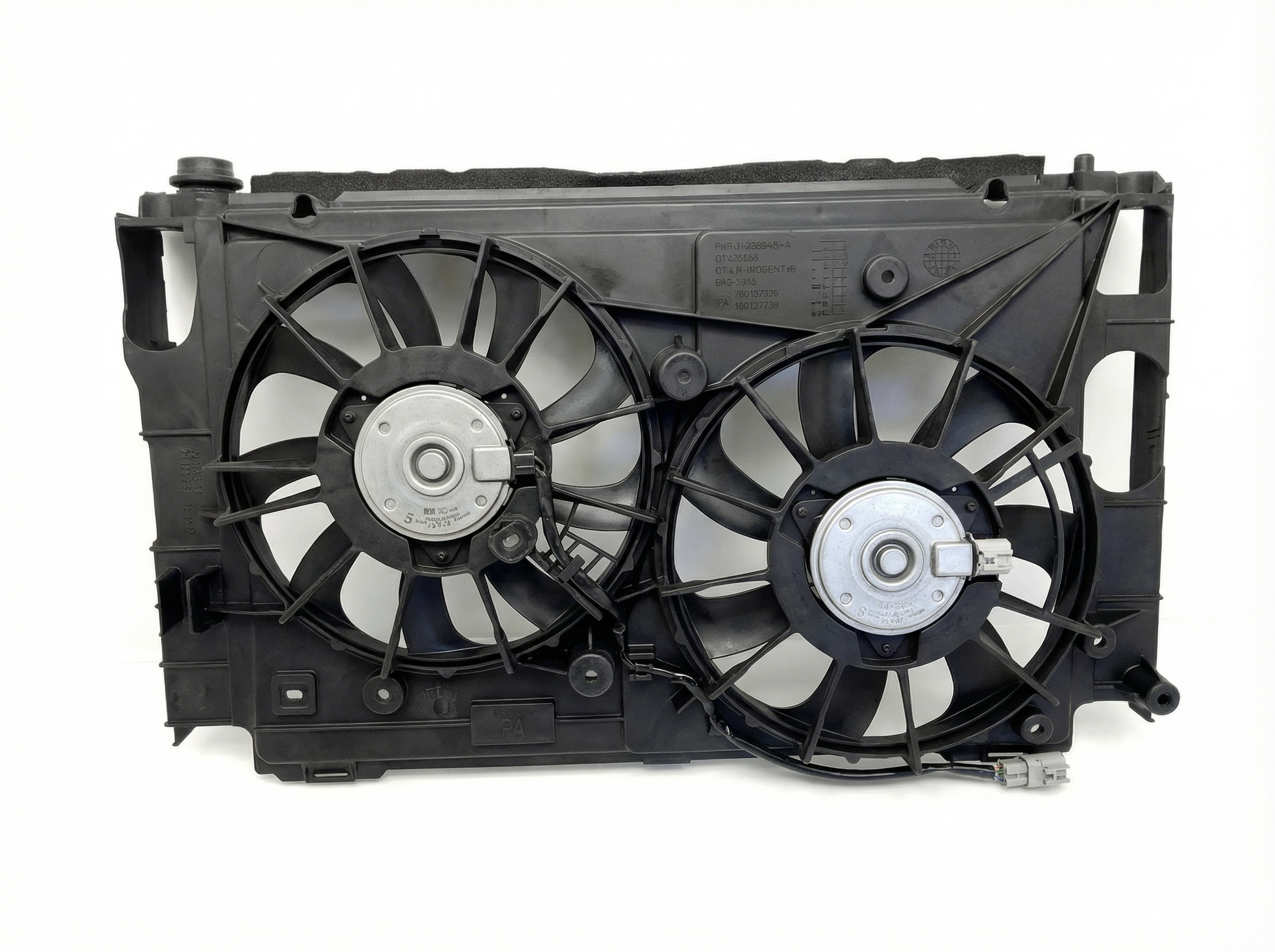
A used OEM fan assembly is an excellent, cost-effective alternative to expensive new parts. Since these vehicles share a platform, the fan assembly from a Lexus CT200h is interchangeable with one from a Toyota Prius V, provided the Prius V meets the VIN criteria. Here’s what to look for when buying used:
- Verify Part Numbers: The entire assembly is often sold as a single unit (shroud, motor, and fan blade). The most common OEM part number for the complete assembly is 16711-37040. The motor itself may be marked with a number like 16363-37050. It's almost always better to buy the complete assembly.
- Physical Inspection: Check the plastic shroud for any cracks or broken mounting tabs. Ensure the electrical connector and wiring are intact with no corrosion or cut wires.
- The Spin Test: This is the most important check. Spin the fan blade by hand. It should rotate smoothly and quietly with minimal resistance. If you hear any grinding, feel any notchiness, or if the blade wobbles excessively, the motor bearings are bad. Avoid it.
- Mileage and Source: Look for a part from a lower-mileage vehicle if possible (under 100,000 miles is ideal). A part from a vehicle in a dry climate is less likely to have corrosion on its electrical components.
- Why Used OEM is a Good Choice: The original Toyota/Lexus fan motors are built to a high standard. A used OEM part that passes inspection is often more reliable and better balanced than a cheap, new aftermarket alternative, which can suffer from premature bearing failure or create vibrations and noise.
Cost of Replacement
Replacing the A/C condenser fan assembly is a relatively affordable repair. The labor is straightforward for a professional mechanic.
| Part Type | Estimated Cost |
|---|---|
| New OEM Assembly | $140 - $180 |
| New Aftermarket Assembly | $75 - $150 |
| Used OEM Assembly | $65 - $120 |
| Shop Labor | $100 - $225 (1-1.5 hours) |
Frequently Asked Questions (FAQ)
Can I replace just the motor instead of the whole fan assembly?
While it is technically possible to replace only the motor (OEM part number 16363-37050), it is almost always easier and more cost-effective to replace the entire assembly (shroud, motor, and blade). Used parts are typically sold as a complete unit, and it ensures all components are matched correctly.
Is this a difficult DIY job?
For a DIY mechanic with basic tools, this is a relatively easy job. It involves removing the upper plastic radiator covers, disconnecting one electrical plug, and removing a few bolts that hold the fan assembly to the radiator. The difficulty is about a 2 out of 5. 🎬 Watch this DIY video to install your new fan assembly No special tools are required.
What does 'EU' in the Prius V VIN mean?
While the exact engineering reason isn't widely published, the 'EU' in the 7th and 8th position of the VIN on a Toyota Prius V designates a specific vehicle configuration. Parts catalogs and salvage yards use this to differentiate between incompatible cooling system components. It is critical to match this to ensure the part fits and functions correctly.
Will a bad condenser fan cause my car to overheat?
While its primary job is for the A/C, the condenser fan does contribute to overall cooling at low speeds. On a hot day in stop-and-go traffic, a failed fan could contribute to the engine and hybrid system running hotter than normal, though the main radiator fan is primarily responsible for engine cooling.
Helpful Videos
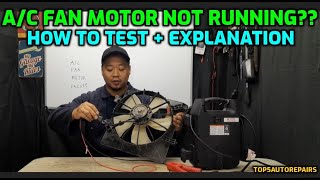
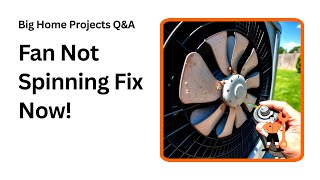
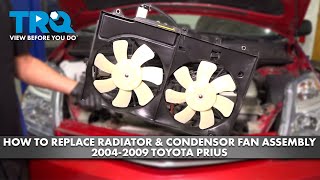
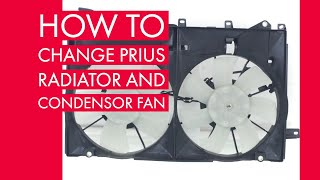
Technical Specifications
OEM Part Numbers: 16711-37040 (Fan Assembly/Shroud) 16363-37050 (Motor Only) 16363-37020 (Motor Only) 16361-37010 (Fan Blade) 16361-37020 (Fan Blade)
12V Electric Motor, part of the radiator/condenser cooling assembly.
We Have This Part in Stock

The information in this article is provided for general reference and educational purposes only. Vehicle specifications, procedures, and part compatibility can vary by production date, trim level, and region. Always consult your vehicle's factory service manual and verify part numbers before purchasing or performing repairs. Safety-critical components such as airbags, seat belts, and braking systems should be installed by a qualified professional.
- Lexus CT200h:
- Toyota Prius V: