

2011-2013 Mazda 6 A/C Condenser: Leak Symptoms and Replacement Costs
This guide covers the most common signs of a failing A/C condenser on the 2011-2013 Mazda 6, what to check on a used part, and a full cost breakdown for replacement.
- The most common failure is a leak, identified by poor cooling and an oily residue on the condenser's surface.
- Replacement is not a DIY job as it requires specialized equipment to legally recover, vacuum, and recharge the refrigerant.
- The receiver/drier is integrated into the condenser and must be replaced as a single unit.
- Check for the unrelated but critical front cross member corrosion recall (NHTSA 19V-323) before purchasing this vehicle.
Symptoms of a Failing A/C Condenser
A bad A/C condenser on a 2011-2013 Mazda 6 will make itself known quickly, especially on a hot day. Because it's located at the front of the car, it is vulnerable to damage from road debris. Here are the most common signs of failure:
- A/C Blows Warm or Lukewarm Air: This is the most obvious symptom. If the condenser is leaking refrigerant, clogged, or has damaged fins, it cannot effectively cool the refrigerant. As a result, the air coming from your vents will be lukewarm at best, even with the fan on high.
- Visible Leaks and Oily Residue: The refrigerant in your A/C system is mixed with a special lubricant oil. When the condenser develops a leak from a rock impact or corrosion, this oil will escape along with the refrigerant gas. You may see a greasy, oily film on the condenser's surface, which will attract dirt and grime. If a technician has added UV dye to the system, a leak may appear as a bright green substance.
- A/C System Shuts Off Unexpectedly: Modern A/C systems have high-pressure switches that protect the components. If the condenser is blocked or its cooling fan fails, it can't release heat, causing system pressure to rise to unsafe levels. This switch will shut down the A/C compressor to prevent damage. 🎬 Watch: How to check your Mazda 6 AC fuses and system
- Overheating While Idling: The A/C condenser releases a significant amount of heat. If it's clogged with debris or the cooling fan isn't working, this heat can build up at the front of the car, especially when you're stopped in traffic. This can cause your engine temperature to rise, as the radiator's effectiveness is also reduced.
- Burning Smell From Vents: In cases of a severe blockage, system pressure can get so high that other components overheat, potentially emitting a burning smell. If you notice this, turn off the A/C immediately to prevent further, more expensive damage.
Known Issues, Recalls, and TSBs for 2011-2013 Mazda 6
While there are no specific recalls or Technical Service Bulletins (TSBs) for the A/C condenser on the 2011-2013 Mazda 6, owners should be aware of a major vehicle-specific issue and related A/C problems on other Mazda models.
Safety Recall: Front Cross Member Corrosion
Important: Mazda issued a major safety recall (NHTSA 19V-323, Mazda recall 2818I) for 2009-2013 Mazda 6 vehicles originally sold or registered in "salt belt" states. The front cross member can corrode due to insufficient paint coating, potentially leading to breakage and a loss of steering control. Before purchasing this vehicle or any major parts for it, it is critical to check if this recall has been performed. A corroded cross member can complicate repairs in the front of the vehicle, including A/C condenser replacement.
Related A/C System TSBs
Mazda has issued TSBs for A/C refrigerant leaks on the next generation of Mazda 6 (2014-2016) due to issues with the evaporator and cracked A/C pipes. While not directly applicable to the 2011-2013 models, this indicates a history of various A/C system components being prone to leaks in the Mazda 6 lineup.
Buying a Used A/C Condenser: What to Check
A used OEM condenser can be a great value, but a thorough inspection is key. Since this part is delicate, damage during the vehicle's life or the dismantling process is common. Here’s what to look for:
- Check for Oily Residue: The number one sign of a leak is an oily film on the fins or connections. Run your fingers over the surface; it should be dry. Any greasy feeling is a major red flag that the condenser is leaking.
- Inspect the Fins: Look for large areas of bent or flattened fins. While a few bent fins from bugs or small pebbles are normal, large patches of damage will block airflow and reduce cooling performance.
- Examine the Connections: Ensure the inlet and outlet ports where the A/C lines connect are clean, undamaged, and not stripped. The lines should have been capped on the donor vehicle to prevent moisture and debris from entering.
- Look for Cracks and Corrosion: Carefully inspect the welds and where the tubes connect to the end tanks. Look for any cracks or signs of heavy white or gray corrosion, which can cause pinhole leaks.
- Verify Part Number: Confirm the part is a genuine Mazda part. The OEM part number is GEG1-61-480. This ensures correct fitment and performance.
Pro Tip: Ask the seller about the donor vehicle. A condenser from a low-mileage, front-end collision vehicle might be a bad choice, as the impact could have caused hidden stress fractures. A part from a vehicle with rear-end damage is often a safer bet.
Cost Comparison for a 2011-2013 Mazda 6 A/C Condenser
Prices can vary based on your location and choice of repair shop. The labor for this job includes the legally required evacuation and recharge of the A/C system.
| Part Type | Estimated Part Cost | Notes |
|---|---|---|
| New OEM | $250 - $375 | Purchased from a Mazda dealership or online OEM supplier. |
| New Aftermarket | $150 - $380 | Wide range of quality and price from brands like Spectra, APDI, or TruGrade. |
| Used OEM | $75 - $125 | From a recycled vehicle. Price depends on condition and seller. |
| Shop Labor | $375 - $550 | Includes front bumper removal, condenser replacement, and full A/C system service. |
| Total Professional Replacement | $835 - $1,010 | Typical all-in cost using a new part at an independent repair shop. |
Replacement Overview & Difficulty
- Difficulty: 4 out of 5
- DIY Feasible: No
- Estimated Time: 3-4 hours
Replacing the A/C condenser is not a typical DIY job. Federal law requires the use of specialized, expensive equipment to recover the old refrigerant from the system before opening any lines. Failure to do so is illegal and harmful to the environment.
The process involves:
- Professionally evacuating the A/C system's refrigerant.
- Removing the front bumper cover and various 🎬 See this step-by-step guide to safely removing the front bumper splash shields.
- Disconnecting the hood latch support and other core support components.
- Disconnecting the A/C lines from the condenser. New O-rings should be used on reassembly.
- Unbolting and removing the condenser from the radiator.
- Installing the new condenser, which includes an integrated receiver/drier. 🎬 Watch: How to replace a leaking AC condenser
- Reassembling all components.
- Using a vacuum pump to remove all air and moisture from the A/C system.
- Recharging the system with the precise, manufacturer-specified amount of refrigerant and oil.
Warning: This condenser includes a built-in receiver/drier (also called a desiccant bag). This component absorbs moisture from the refrigerant. Whenever the A/C system is opened to the atmosphere, the drier must be replaced to prevent corrosion and future component failure. Do not install a condenser that does not have a new, integrated drier.
Frequently Asked Questions (FAQ)
Can I just add more refrigerant if my A/C is blowing warm?
No. If your system is low on refrigerant, it has a leak. Simply adding more is a temporary fix at best and releases harmful chemicals into the atmosphere. Using "stop leak" products is not recommended, as they can clog sensitive components like the expansion valve and cause more expensive damage down the road. The only correct repair is to find the leak, replace the faulty part, and then properly recharge the system.
Does the receiver/drier need to be replaced with the condenser?
Yes. On the 2011-2013 Mazda 6, the receiver/drier is integrated into the condenser as a single unit. You cannot buy it separately. Any quality replacement condenser will come with a new drier already installed.
Why does the A/C system need to be vacuumed after the repair?
The A/C system is designed to be a closed loop containing only refrigerant and oil. When it's opened for repair, air and moisture from the atmosphere get inside. Moisture can mix with refrigerant to form corrosive acids that destroy components from the inside out. A vacuum pump boils away this moisture at room temperature and removes all the air, ensuring the system is clean before new refrigerant is added.
My A/C only works when the car is moving. Is that the condenser?
This is a classic symptom of a failing condenser cooling fan or a condenser that is severely clogged with debris. When the car is moving, air is forced through the condenser, allowing it to cool the refrigerant. When you stop, there is no airflow, so the system can't release heat and pressures rise, causing the A/C to stop cooling. Check that your cooling fans turn on when you activate the A/C.
Helpful Videos
Technical Specifications
OEM Part Numbers: GEG1-61-480 GEG161480
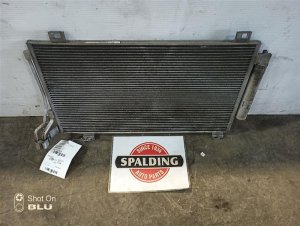
The condenser assembly for this model includes an integrated receiver/drier.
We Have This Part in Stock

The information in this article is provided for general reference and educational purposes only. Vehicle specifications, procedures, and part compatibility can vary by production date, trim level, and region. Always consult your vehicle's factory service manual and verify part numbers before purchasing or performing repairs. Safety-critical components such as airbags, seat belts, and braking systems should be installed by a qualified professional.
- Mazda 6:
- 🎬 Helpful Videos
- 🛍️ Shop This Part
- Symptoms of a Failing A/C Condenser
- Known Issues, Recalls, and TSBs for 2011-2013 Mazda 6
- Safety Recall: Front Cross Member Corrosion
- Related A/C System TSBs
- Buying a Used A/C Condenser: What to Check
- Cost Comparison for a 2011-2013 Mazda 6 A/C Condenser
- Replacement Overview & Difficulty
- Frequently Asked Questions (FAQ)
- 🎟️ Get 5% Off