

2016 Buick Cascada A/C Evaporator Core: Leaks, Diagnosis, and a Labor-Intensive Repair
This guide covers the symptoms of a failing A/C evaporator in the 2016 Buick Cascada, why the repair is so expensive, and how to find a compatible used part from other GM vehicles.
- Evaporator replacement is a major repair requiring complete dashboard removal, with labor costs often exceeding $1,000.
- The most common failure symptoms are weak/warm A/C performance and a sweet or musty smell inside the cabin.
- This part is shared with many other GM vehicles, including the Chevy Cruze, Volt, Blazer, and GMC Acadia, making used parts easier to find.
- When replacing the evaporator, it is mandatory to also replace the A/C receiver/drier and all associated O-rings to ensure a lasting repair.
Symptoms of a Failing A/C Evaporator Core
A failing evaporator core in a 2016 Buick Cascada will present several distinct symptoms. Because the part is buried inside the dashboard, the signs are often related to A/C performance and smells inside the cabin.
- Weak or Warm Airflow: This is the most common sign. Even with the fan on high, the air from the vents isn't cold. This happens when a refrigerant leak prevents the evaporator from getting cold enough to cool the air passing through it.
- Musty or Moldy Smell: A damp, mildew-like odor coming from the vents when the A/C is turned on points to moisture not draining correctly from the evaporator case, allowing mold and bacteria to grow.
- Sweet or Chemical Smell: A distinct, sweet chemical odor inside the cabin is a strong indicator of a refrigerant leak. You are smelling the refrigerant and the special PAG oil that circulates with it.
- A/C Compressor Won't Turn On: The A/C system has pressure sensors that protect the compressor. If a leak in the evaporator causes the refrigerant pressure to drop too low, the system will prevent the compressor from engaging 🎬 Watch: How a misdiagnosed evaporator core can stop your A/C to avoid damage.
- Foggy Windows: If your windows fog up easily and the A/C system struggles to clear them, it can be a sign that the evaporator is not properly dehumidifying the air.
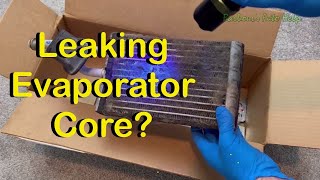
- Visible Leak at the A/C Drain: A technician can often confirm an evaporator leak by finding oily residue or UV dye at the HVAC drain tube outlet on the vehicle's firewall. 🎬 Watch: How to diagnose a leaking evaporator core This residue is the A/C oil that has escaped with the refrigerant.
Replacement Difficulty & Cost
Replacing the A/C evaporator core is one of the most labor-intensive repairs on a 2016 Buick Cascada. The part itself is not exceptionally expensive, but its location deep within the dashboard makes accessing it a major job.
- Difficulty Rating: 5 out of 5
- DIY Feasibility: Not recommended for beginners or DIY mechanics without extensive experience.
- Labor Time: Professional shops typically quote between 8 and 12 hours for this job.
Warning: The entire dashboard assembly must be removed to access the HVAC (Heating, Ventilation, and Air Conditioning) unit that houses the evaporator core. This involves disconnecting the battery, removing trim panels, the instrument cluster, center console, steering column components, and the main dash structure itself. 🎬 See this dashboard removal and evaporator replacement walkthrough Furthermore, the A/C system must be legally and safely evacuated of refrigerant before starting and professionally recharged after the repair is complete.
Cost Breakdown
The total cost is dominated by labor. Using a recycled OEM part can provide significant savings over a new dealer part.
| Part Type | Estimated Cost |
|---|---|
| New OEM (GM/ACDelco) | $450 - $550 |
| New Aftermarket | $45 - $80 |
| Used OEM | $75 - $150 |
| Shop Labor | $800 - $1,200+ |
| Total Estimated Cost | $900 - $1,700+ |
Note: Prices are estimates and can vary based on location and supplier. Total cost will also include A/C system evacuation and recharge service, plus replacement of related seals and the A/C receiver/drier.
Buying a Used 2016 Cascada A/C Evaporator Core
For a vehicle like the Cascada, a used OEM evaporator can be a smart choice. It offers the exact fitment of a new OEM part at a price competitive with new aftermarket options. Proper fitment is critical, as the evaporator must seal perfectly inside the HVAC housing for the system to work correctly.
Important Compatibility Information
The A/C evaporator for the 2016 Buick Cascada is shared with a wide range of other General Motors vehicles. This significantly increases your chances of finding a good used part.
Look for this part in these donor vehicles:
- 2016-2019 Buick Cascada
- 2018-2024 Buick Enclave (Front Unit)
- 2019-2025 Chevrolet Blazer
- 2016-2019 Chevrolet Cruze
- 2018-2023 Chevrolet Traverse (Front Unit)
- 2017-2019 Chevrolet Volt
- 2017-2024 Cadillac XT5 (Front Unit)
- 2020-2022 Cadillac XT6 (Front Unit)
- 2017-2023 GMC Acadia (Front Unit)
Pro Tip: Always verify the OEM part number from your original part if possible. Known part numbers for the 2016 Cascada include 15-63914 (ACDelco), 13411578 (GM), 13480793 (GM), and the latest superseding number, 39151298 (GM).
Inspection Checklist for a Used Part
- Check for Leaks: Thoroughly inspect the entire core for any oily residue. This indicates a refrigerant leak. A part that has been cleaned may hide this, so be cautious.
- Inspect the Fins: Look for any significant damage or corrosion on the cooling fins. While a few bent fins are acceptable, large areas of crushed or corroded fins will reduce cooling performance.
- Examine Inlet/Outlet Pipes: Ensure the connection pipes are not bent, cracked, or stressed, especially where they enter the core. This is a common failure point if a part was removed carelessly.
- Confirm Part Number: If possible, match the part number on the used unit to one of the known OEM numbers to guarantee compatibility.
Known Issues, TSBs, and Recalls
As of mid-2026, there are no specific recalls, technical service bulletins (TSBs), or widespread documented defects from GM or the NHTSA related to the A/C evaporator core on the 2016 Buick Cascada. Failures are typically due to age-related corrosion leading to leaks or, less commonly, internal clogs. The only recalls for this vehicle concern the convertible roof control module.
Frequently Asked Questions (FAQ)
Why is the replacement so expensive if the part is cheap?
The cost is almost entirely due to labor. The evaporator is located inside the HVAC module, which requires removing the entire dashboard for access. This is a complex, time-consuming job that takes a professional technician 8-12 hours.
Can I just use an A/C "stop leak" product?
Using stop leak products is not recommended. They are a temporary fix at best and can cause permanent damage by clogging other expensive A/C components like the expansion valve, condenser, or compressor, leading to much costlier repairs down the road.
Do I need to replace any other parts at the same time?
Yes. Any time the A/C system is opened for a major repair like this, you MUST replace the A/C receiver/drier (or desiccant bag). It is also mandatory to replace all O-rings and seals that were disconnected. It is also wise to inspect the heater core, which is often located in the same HVAC box, and replace it if it shows any signs of leaking to avoid paying for the same dashboard removal labor again in the future.
Is the evaporator for a 2016 Cascada the same as a Chevy Cruze?
Yes, the 2016-2019 Buick Cascada shares its A/C evaporator core with the 2016-2019 Chevrolet Cruze, as well as several other GM SUVs and cars. This makes finding a compatible used part much easier.
Helpful Videos
Technical Specifications
OEM Part Numbers: 15-63914 13411578 13480793 39141354 39141364 39151298
Parallel Flow Design

The information in this article is provided for general reference and educational purposes only. Vehicle specifications, procedures, and part compatibility can vary by production date, trim level, and region. Always consult your vehicle's factory service manual and verify part numbers before purchasing or performing repairs. Safety-critical components such as airbags, seat belts, and braking systems should be installed by a qualified professional.
- Buick Cascada:
- 🎬 Helpful Videos
- Symptoms of a Failing A/C Evaporator Core
- Replacement Difficulty & Cost
- Cost Breakdown
- Buying a Used 2016 Cascada A/C Evaporator Core
- Important Compatibility Information
- Inspection Checklist for a Used Part
- Known Issues, TSBs, and Recalls
- Frequently Asked Questions (FAQ)
- 🎟️ Get 5% Off