

1983-1994 Ranger, Explorer & Bronco II A/C Evaporator Housing: Diagnosing Leaks, Blend Door Faults & Vacuum Issues
This guide covers the common failures of the A/C evaporator housing and its related components for the Ford Ranger, Explorer, Bronco II, and Mazda Navajo/B-Series trucks.
- The most common failures are not the housing itself, but the blend door inside it or vacuum leaks controlling it.
- A classic symptom is airflow switching to the defrost vents during acceleration, which points to a vacuum leak.
- Clicking from the dash means the blend door or its actuator has failed, a very common issue on these trucks.
- Replacement is a labor-intensive job (4-7 hours) but does not require removing the entire dashboard as the housing is in the engine bay.
Understanding the A/C Evaporator Housing vs. The Evaporator Core
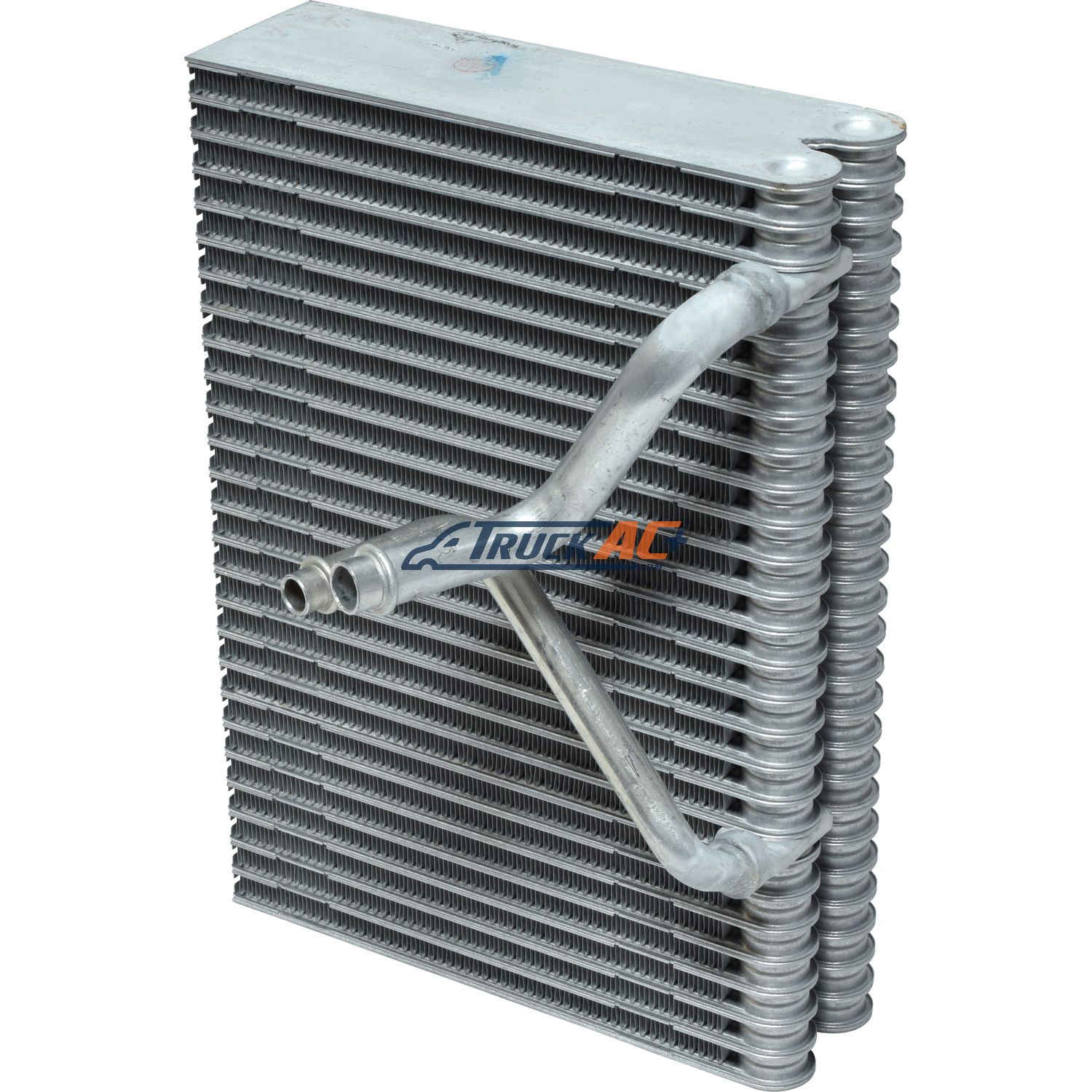
It's important to know the difference between two parts with similar names. The A/C Evaporator Housing (also called the HVAC box or plenum) is the black plastic case you see in the engine compartment. The A/C Evaporator Core is a small, radiator-like component that sits inside the housing. Refrigerant flows through the core to get cold, and air blows across it to cool your cabin. Most A/C problems are caused by a leaking evaporator core or failing parts inside the housing, not the housing itself. However, to replace any of these internal parts, the entire housing must be removed, making it a labor-intensive job.
Symptoms of Failure
Problems related to this assembly can be divided into three categories: issues with the housing itself, failure of parts inside the housing, and failure of the control systems connected to it.
1. Symptoms of a Cracked or Damaged Housing
- Air hissing from the engine bay: A crack or poor seal in the housing can allow blower motor air to escape into the engine compartment instead of flowing into the cabin.
- Reduced airflow from vents: If air is leaking out under the hood, you'll notice weaker airflow inside the vehicle, even with the fan on high.
- Water leaks into the passenger footwell: The evaporator core produces condensation (water) during normal operation. This water is supposed to exit through a drain tube at the bottom of the housing. If the housing is cracked or the drain is clogged, water can leak onto the passenger-side floor.
2. Symptoms of Internal Component Failure (Evaporator Core or Blend Door)
- A/C blows warm air: This is the most common sign of a leaking evaporator core. The system loses refrigerant and can no longer cool the air.
- Sweet or musty smell in the cabin: Leaking refrigerant can have a distinct sweet smell. A musty or moldy odor points to moisture and mildew buildup on a dirty evaporator core.
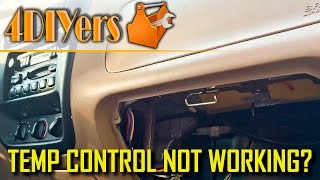
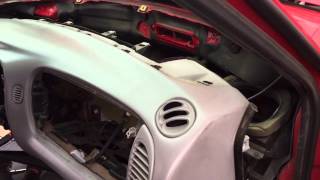
- Clicking or popping sounds from the dashboard: On these vehicles, this is a classic symptom of a broken temperature blend door or a failing blend door actuator motor. The plastic gears strip or the door hinge breaks, causing the motor to click 🎬 See this guide on diagnosing a clicking blend door actuator. as it tries to move a stuck door.
- Temperature stuck on hot or cold: If the blend door breaks, it can get stuck in one position, preventing you from adjusting the temperature.
- Oily residue around A/C lines: Refrigerant contains oil. A leak in the evaporator core can sometimes leave an oily residue where the A/C lines connect to the housing at the firewall.
3. Symptoms of Related Control System Failure (Vacuum Leaks)
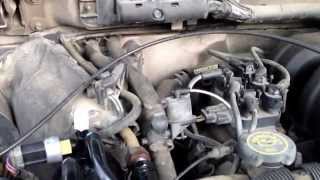
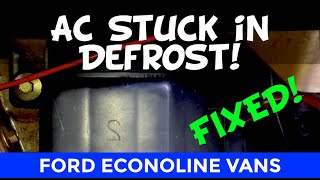
- Airflow switches to defrost vents during acceleration: This is a very common issue on these Ford and Mazda models. The system that directs airflow to the dash vents is controlled by engine vacuum. When you accelerate, engine vacuum drops. A small leak in a vacuum line or reservoir will cause the system to lose vacuum and default to the defrost setting. 🎬 Watch: How to fix A/C stuck in defrost during acceleration.
- Inability to change vent modes: If the vacuum leak is severe, you may be unable to switch between face, floor, and defrost vents at all. The system will be stuck in the default defrost position.
Pro Tip: If your air blows from the defrost vents when you accelerate, the first thing to check is the small, brittle vacuum lines in the engine bay, especially near the exhaust manifold where heat can cause them to crack.
Buying a Used A/C Evaporator Housing: What to Inspect
Since replacing this assembly is labor-intensive, choosing a good-quality used OEM part is critical to avoid doing the job twice. New housings are often discontinued, making a recycled part the only practical option.
- Inspect for Cracks: Carefully check the entire plastic housing for cracks, especially around the mounting studs and the seams where the two halves join. Stress from heat and vibration can cause the plastic to become brittle.
- Check the Blend Door and Actuator Mount: This is the most important inspection. On many Ford models of this era, the socket on the blend door that connects to the actuator motor is a known weak point and often breaks. If possible, look inside the housing to see the door. Ask the seller to confirm the blend door moves freely and that the mounting point for the actuator is intact. A housing with a broken blend door is useless unless you plan to repair it, which is difficult.
- Verify Seals and Gaskets: Check the condition of the foam or rubber seals where the housing meets the firewall and where the heater core and evaporator core pipes pass through. Good seals are essential to prevent leaks.
- Confirm Compatibility: The initial warning is correct: this part fits many models, but there can be subtle differences. Visually compare photos of the used part to your original, paying close attention to the mounting locations and the configuration of the vacuum and electrical connections. Ensure it's from a vehicle with the same type of A/C system (factory vs. dealer-installed, if applicable).
- Buy a Complete Assembly: Whenever possible, purchase a housing that still includes the evaporator core, blend door, and any actuators. This can save you from having to transfer old components, and you get a complete, factory-assembled unit.
Known Issues, TSBs, and Recalls
While no recalls directly target the A/C evaporator housing for these vehicles, several related issues are well-documented by owners:
- Broken Blend Door: The most common issue is the failure of the temperature blend door or its actuator, as discussed in the symptoms section. This is a well-known problem on 1990s Ford trucks and SUVs.
- Vacuum System Leaks: The vacuum lines that control the vent doors become brittle and crack over time, causing the common "defrost-only" issue.
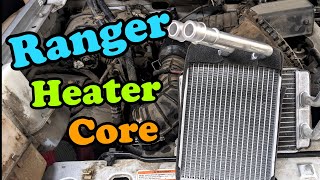
- Heater Core Leaks: The heater core, which also lives inside the HVAC housing, is prone to leaking on 1991-1994 Explorers. If you are removing the housing to fix the A/C, it is highly recommended to replace the heater core at the same time.
- Blower Motor Fires (Explorer): NHTSA has past investigations into blower motor assembly fires on Ford Explorers. While not a recall for this specific part, it highlights a potential issue within the greater HVAC system.
Replacement Difficulty & Cost
Replacing the A/C evaporator housing is a challenging job for a DIY mechanic but is achievable without specialized tools beyond an A/C manifold gauge set and a vacuum pump.
- Installation Difficulty: 4 out of 5.
- Estimated Time: 4-7 hours.
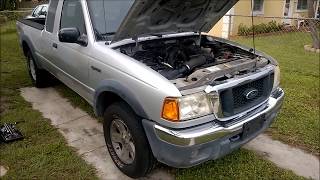
- Process: The A/C system must be professionally evacuated first. The housing is removed from the engine bay. This requires removing the air intake assembly, coolant overflow tank, washer fluid reservoir, and A/C accumulator/drier. After unbolting the housing from the firewall (including one or two nuts from inside the passenger footwell), the entire case can be pulled out. 🎬 Watch: Step-by-step A/C evaporator and housing replacement walkthrough. The system must be recharged with the correct type and amount of refrigerant and oil after installation.
Warning: It is illegal and harmful to the environment to release refrigerant into the atmosphere. The system must be evacuated by a certified technician with proper recovery equipment before you begin work.
Cost Comparison
The high cost of this repair is dominated by labor. This makes sourcing a good used assembly and doing the work yourself a very cost-effective option.
| Part/Service | Estimated Cost | Notes |
|---|---|---|
| New OEM Housing | null | Generally discontinued and no longer available. |
| New Aftermarket Housing | null | Not commonly available; focus is on internal components. |
| Used OEM Housing Assembly | $150 - $350 | Price for a complete, inspected assembly. A single eBay listing showed a core and case for $299. |
| Shop Labor to Replace | $525 - $800+ | Based on 5-8 hours of labor. This is the cost for labor only. |
| Complete Professional Job (New Core) | $900 - $1,400+ | Includes a new evaporator core, accumulator, and labor. |
Frequently Asked Questions (FAQ)
Why does my A/C only blow out of the defrost vents when I accelerate?
This is the classic symptom of a vacuum leak. The vent doors are held in position by engine vacuum. When you accelerate, vacuum drops, and a leak in the system causes the doors to move to their default position, which is defrost. Check all the small plastic vacuum lines in the engine bay for cracks.
Can I replace just the blend door without removing the whole housing?
No, unfortunately on these models the housing must be removed from the vehicle and split open to access and replace the internal temperature blend door. This is why inspecting a used housing's blend door is so important.
Do I have to replace the evaporator core if I'm just fixing a cracked housing?
You don't have to, but it is highly recommended. The evaporator core and heater core are the main reasons for this difficult repair. Since you have already done 95% of the labor, replacing these wear-and-tear items with new ones is cheap insurance against having to do the job again in the near future.
What vehicles use this exact same A/C evaporator housing?
This housing is shared across the Ford Ranger platform of this era. This includes the 1983-1994 Ford Ranger, 1984-1990 Ford Bronco II, 1991-1994 Ford Explorer, 1991-1994 Mazda Navajo, and 1994 Mazda B-Series trucks (B2300, B3000, B4000). The Mazda Navajo is a rebadged two-door Explorer, and the 1994 Mazda trucks are rebadged Rangers.
Helpful Videos
Technical Specifications
OEM Part Numbers: E3TZ19860C ZZL061J10
The housing is located on the passenger-side firewall in the engine compartment. It contains the A/C evaporator core, temperature blend door, and mode doors. It is controlled by a combination of electrical actuators and a vacuum system.
We Have This Part in Stock

The information in this article is provided for general reference and educational purposes only. Vehicle specifications, procedures, and part compatibility can vary by production date, trim level, and region. Always consult your vehicle's factory service manual and verify part numbers before purchasing or performing repairs. Safety-critical components such as airbags, seat belts, and braking systems should be installed by a qualified professional.
- Ford Explorer:
- Ford Bronco II:
- Ford Ranger:
- Mazda B2300:
- Mazda B3000:
- Mazda B4000:
- Mazda Navajo:
- 🎬 Helpful Videos
- 🛍️ Shop This Part
- Understanding the A/C Evaporator Housing vs. The Evaporator Core
- Symptoms of Failure
- 1. Symptoms of a Cracked or Damaged Housing
- 2. Symptoms of Internal Component Failure (Evaporator Core or Blend Door)
- 3. Symptoms of Related Control System Failure (Vacuum Leaks)
- Buying a Used A/C Evaporator Housing: What to Inspect
- Known Issues, TSBs, and Recalls
- Replacement Difficulty & Cost
- Cost Comparison
- Frequently Asked Questions (FAQ)
- 🎟️ Get 5% Off