

2014-2017 Audi A4, S4, A5 & S5 ABS Module Failure: Component Protection and Replacement Guide
This guide details the common failure symptoms, diagnostic codes, and critical programming requirements for the ABS control module in 2014-2017 Audi A4, S4, A5, and S5 models.
- Programming is mandatory due to Audi's 'Component Protection' anti-theft system; a dealer or specialist with online access is required.
- This part is specific to Quattro (AWD) models with Electronic Stability Program (option code 1AT); verify your vehicle's options.
- A failed module disables ABS, traction control, and stability control, making the vehicle less safe in emergency situations.
- Buying a used OEM module with the exact same part number is a cost-effective option, but you must budget for professional programming.
Symptoms of a Failing ABS Module

A failing ABS module in a 2014-2016 Audi A4, 2014-2016 Audi S4, 2014-2017 Audi A5, or 2014-2017 Audi S5 will typically make its presence known with a cascade of dashboard warnings. Because the module is integrated with multiple safety systems, a single internal fault can disable them all.
- Dashboard Warning Lights: The most common sign is the illumination of the ABS, Electronic Stability Control (ESC/ESP), and the red BRAKE warning lights on your instrument cluster.
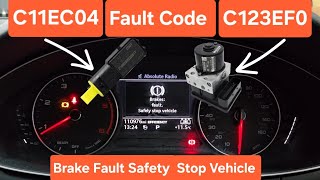
- "Brake System Fault" Message: You will likely see an urgent message on the driver information display that reads "Brake system fault, stop carefully" or something similar.
- Locking Wheels: During hard braking, especially on wet or loose surfaces, the wheels may lock up and skid. This indicates the anti-lock function is not working.
- Unresponsive or Hard Brake Pedal: The brake pedal may feel unusually stiff or unresponsive to pressure.
- Inaccurate Speedometer: Since the ABS module processes wheel speed data, a failure can sometimes cause the speedometer to read incorrectly or stop working altogether.
Common Diagnostic Trouble Codes (DTCs)
A professional scan tool will often reveal specific fault codes stored in the brake electronics module. The following codes are strong indicators of an internal module failure:
- C123EF0 - Hydraulic Brake Booster Limit Value Reached: 🎬 Watch a diagnostic breakdown of this specific Audi fault code. This is a very common and specific code for this generation of Audi, pointing directly to a fault within the ABS unit.
- 01130 - ABS Operation Implausible Signal: A general code that indicates the module is not functioning correctly.
- 16352 - Control Module Faulty: This code explicitly points to an electrical failure inside the control module.
Pro Tip: A rattling or clicking noise from the front of the vehicle around 25 mph after starting your drive is usually normal. This is the sound of the ABS system performing a routine self-check and is not a sign of failure, as noted in Audi TSB 2047919/2.
Known Issues, Recalls, and TSBs

As of early 2026, there are no specific safety recalls issued by the NHTSA for the ABS control module on these 2014-2017 A4, S4, A5, and S5 models. The most relevant technical document is an informational TSB explaining that a rattling noise during the system's self-test is normal and does not require repair.
Replacement and Programming: The Component Protection Problem

Replacing the ABS module in these vehicles is not a simple plug-and-play job. The most critical part of the process is dealing with Audi's anti-theft system, known as Component Protection (CP).
What is Component Protection?
Component Protection is a security feature that links major electronic modules, including the ABS controller, to the car's unique Vehicle Identification Number (VIN) in a central Audi database. If you install a module from another vehicle (i.e., a used part), the system detects the VIN mismatch and activates Component Protection, severely limiting the module's function until it is officially adapted to your car.
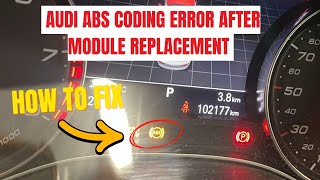
Warning: A replacement ABS module—whether new or used—must be programmed to your vehicle. This process requires a dealer or a qualified independent specialist with an online connection to Audi's servers using a factory tool like ODIS 🎬 Watch how a pro uses ODIS to fix coding errors. (Offboard Diagnostic Information System). This step is not optional; the module will not work correctly without it.
Replacement Steps & Feasibility
A skilled DIY mechanic can physically replace the module, but the final, mandatory programming must be done by a professional.
- Save Original Coding: Before disconnecting the old module, use a tool like Ross-Tech's VCDS to perform a full system scan and save the original coding value from the ABS module. This string of numbers tells the module which features your car has.
- Access the Module: The ABS unit is located in the engine bay, typically between the coolant and windshield washer fluid reservoirs. Access is tight.
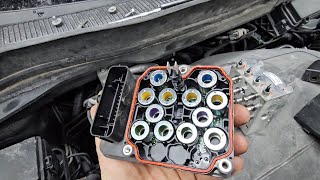
- Separate the Module: It is often possible to unbolt and remove only the electronic control module from the hydraulic pump assembly without disconnecting any brake lines. This involves removing several T20 or E5 Torx screws. This method avoids the need to bleed the entire brake system. 🎬 See this time-saving trick to replace the module without bleeding.
- Install New/Used Module: Bolt the replacement module onto the hydraulic pump and reconnect the main electrical connector.
- Professional Programming: The vehicle must then be taken to a shop capable of performing the Component Protection adaptation online. They will also need to input the original coding you saved and perform any necessary calibrations, such as for the steering angle sensor.
Buying a Used ABS Control Module: A Buyer's Guide

Given the high cost of a new OEM module, a used part is a very popular and cost-effective solution. However, you must buy the correct part and be prepared for the required programming.
1. Verify Compatibility by Part Number
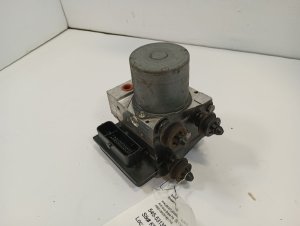
This is the most important step. The part number on the replacement module MUST exactly match the one on your original unit. The ABS assembly consists of a hydraulic pump (e.g., 8K0614517HA) and an electronic controller (e.g., 8K0907379CP). Always verify the numbers on your car's specific part before ordering.
2. Check Vehicle Options
These modules are specifically for All-Wheel Drive (Quattro) models equipped with Electronic Stability Program (ESP). On your vehicle's option code sticker (found in the trunk or service booklet), this corresponds to code 1AT. Do not use a module from a Front-Wheel Drive vehicle.
3. Production Date Cutoffs
For 2014 Audi A5 and S5 models, be aware that these parts are specified for vehicles built from production date 10/01/2013 onwards. If your vehicle was built before this date, you may need a different part number. Always confirm fitment with the seller using your VIN.
4. Physical Inspection
When you receive the used part, inspect it carefully. Look for any signs of corrosion on the aluminum housing, damage to the electrical connector pins, or evidence that the unit has been opened or tampered with.
5. Factor in Programming Costs
Remember that the price of the used part is not your final cost. You must budget for professional installation and, most importantly, the Component Protection removal and coding, which can add several hundred dollars to the total repair cost.
Cost Comparison
Prices can vary significantly based on location and supplier. The following are estimates to help you understand the potential savings of buying a used part.
| Part Type | Estimated Cost |
|---|---|
| New OEM | $2,300 - $2,800 |
| Remanufactured / Repaired | $200 - $600 |
| Used OEM | $80 - $400 |
| Shop Labor (Installation & Programming) | $300 - $600 |
Frequently Asked Questions (FAQ)
Can I drive my Audi with a bad ABS module?
Yes, but it is not recommended as key safety features are disabled. Your standard hydraulic brakes will still function, but you will not have anti-lock brakes (ABS), traction control (TCS), or stability control (ESC). This means your wheels can lock up and cause a skid in an emergency stop, significantly increasing the risk of an accident, especially on slippery roads.
Does a used Audi ABS module need to be programmed?
Yes, absolutely. Due to Audi's Component Protection anti-theft system, any replacement module (new or used) must be electronically adapted to your vehicle's VIN by a dealer or a specialized shop with an online connection to Audi's servers. Failure to do this will leave the module in a restricted mode, and your warning lights will remain on.
Can an independent mechanic replace and program this module?
Yes, provided they have the correct diagnostic equipment and an active subscription to Audi's online system (ODIS). Many independent European auto repair specialists have this capability. However, a general mechanic or a DIYer with a basic scan tool cannot perform the final programming.
What is the difference between the ABS module and the ABS pump?
The ABS pump (or hydraulic unit) is the mechanical part with valves and a motor that controls brake fluid pressure. The ABS module is the electronic computer that controls the pump. In these Audi models, they are bolted together into a single assembly. It is often possible to replace just the failed electronic module while leaving the original hydraulic pump in place.
Helpful Videos
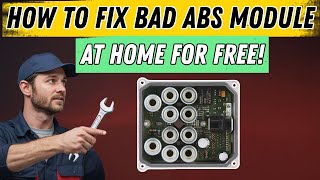
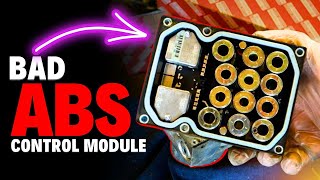
Technical Specifications
OEM Part Numbers: 8K0614517HA 8K0614517HC 8K0907379CP
Vehicle Options Required: All-Wheel Drive (Quattro), Electronic Stability Program (ESP) - Option Code 1AT.
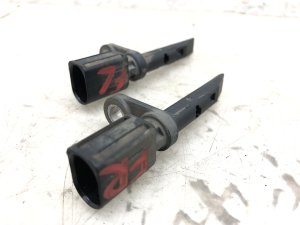
We Have This Part in Stock

The information in this article is provided for general reference and educational purposes only. Vehicle specifications, procedures, and part compatibility can vary by production date, trim level, and region. Always consult your vehicle's factory service manual and verify part numbers before purchasing or performing repairs. Safety-critical components such as airbags, seat belts, and braking systems should be installed by a qualified professional.
- Audi A4:
- Audi S4:
- Audi A5:
- Audi S5:
- 🎬 Helpful Videos
- 🛍️ Shop This Part
- Symptoms of a Failing ABS Module
- Common Diagnostic Trouble Codes (DTCs)
- Known Issues, Recalls, and TSBs
- Replacement and Programming: The Component Protection Problem
- What is Component Protection?
- Replacement Steps & Feasibility
- Buying a Used ABS Control Module: A Buyer's Guide
- 1. Verify Compatibility by Part Number
- 2. Check Vehicle Options
- 3. Production Date Cutoffs
- 4. Physical Inspection
- 5. Factor in Programming Costs
- Cost Comparison
- Frequently Asked Questions (FAQ)
- 🎟️ Get 5% Off