

Audi A4, A5, Q7 & More ABS Module Failure: 2017-2024 Diagnosis & Replacement
This guide covers the common failures, programming requirements, and replacement costs for the ABS control module in many 2017-2024 Audi models, focusing on the critical differences between systems.
- This module requires advanced programming. It is protected by Audi's 'Component Protection' anti-theft system, which must be removed by a dealer or specialist with online access.
- Compatibility is critical. The modules for vehicles WITH and WITHOUT Adaptive Cruise Control (ACC) are different and not interchangeable. You must match the OEM part number exactly.
- A failed module disables key safety features. You will lose ABS, traction control, and stability control, making the vehicle much less safe in emergency situations.
- A used OEM module is a viable option, but you must factor in the cost of professional programming and calibration, which is not optional.
Symptoms of a Failing ABS Control Module


A failing ABS module will almost always trigger one or more warning lights on your dashboard. Because it's tied into multiple vehicle systems, you may experience a cascade of warnings and functional losses.
- ABS, ESC/TCS, and Brake Warning Lights: The most common symptom is the illumination of the ABS, Electronic Stability Control (ESC or ESP), and traction control (TCS) lights. Often, the main red "BRAKE" warning light will also appear on the instrument cluster.
- "Brake system fault, stop carefully" Message: Many Audi models will display this specific, alarming message on the driver information screen. This indicates a serious fault has been detected.
- Unresponsive or Spongy Brake Pedal: The brake pedal may feel different, requiring more effort to press, or feeling soft and unresponsive.
- Wheels Locking Up: In a panic stop, the primary function of the ABS—preventing wheel lock-up—will be disabled. This can cause the vehicle to skid and lose steering control, especially on wet or slippery surfaces.
- Inaccurate Speedometer: In some cases, a faulty ABS module can interfere with the speedometer, causing it to show incorrect readings or fail completely.
Common Diagnostic Trouble Codes (DTCs)
A diagnostic scan tool is essential for an accurate diagnosis. The following codes often point to an internal failure of the ABS module:
- 01130 - ABS Operation Implausible Signal: A very common code indicating a general internal fault.
- 16352 - Control Module Faulty: This code points directly to an electrical failure within the module itself.
- 01276 - ABS Hydraulic Pump (V64): Indicates a problem with the hydraulic pump motor, which is part of the ABS assembly.
- C123EF0 - Hydraulic Brake Booster Limit Value Reached: A specific code seen on many modern Audis that points to a failure within the ABS unit.
- 01435 - Brake Pressure Sensor 1 (G201): While this sensor can fail on its own, it is often integrated inside the ABS module, requiring the replacement of the entire unit.
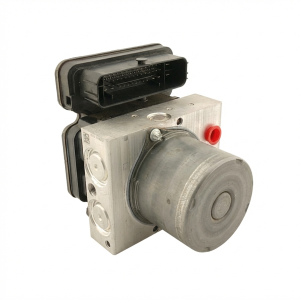
Warning: The compatibility of this ABS control module is dependent on your vehicle's options. These modules are for vehicles WITHOUT Adaptive Cruise Control (ACC). Installing the wrong module will result in system malfunctions and warning lights. Always verify your vehicle's features and match the OEM part number from your original unit before purchasing.
Known Issues, TSBs, and Recalls

While no widespread recalls specifically target the ABS control module for these exact model years, several related safety recalls and known issues exist. For example, some 2017-2019 Audi Q7 and 2019 Q8 vehicles were recalled for a steering shaft bolt that could loosen, leading to a loss of steering control. A separate recall for some 2017 Q7s involved a software issue in the airbag control module. While not directly related to the ABS module itself, these highlight the complexity of the vehicle's safety systems. A common failure mode for these ABS modules is internal electronic faults, which can be caused by factors like water intrusion or vibrations over time.
Programming, Coding, and Component Protection

Replacing the ABS module in these Audi models is not a simple plug-and-play task. This is a critical point for any DIY mechanic or independent shop.
Component Protection
Most importantly, these ABS modules are subject to Component Protection (CP). CP is an anti-theft system used by Audi/VW that locks a control module to a specific vehicle's VIN. If you install a new or used ABS module, it will have limited functionality until the Component Protection is removed and the module is adapted to your car. This process requires special diagnostic tools (like ODIS, the official dealer software) that can connect to Audi's online servers to authorize the new part.
Coding and Calibration
After Component Protection is addressed, the module must be 'coded' and calibrated.
- Coding: This involves programming the module with the correct software configuration for your vehicle's specific features (e.g., engine, transmission, brake size). The coding from the old module should be copied and transferred to the new one if possible.
- Basic Settings (Calibration): After coding, several sensors must be calibrated. This teaches the new module the baseline parameters for the Steering Angle Sensor (G85), Brake Pressure Sensor (G201), and others.
An independent shop with advanced VAG-specific tools (like VCDS by Ross-Tech or Autel/Snap-on tools with online capabilities) may be able to perform the coding and calibration. However, removing Component Protection almost always requires a dealer or a highly specialized independent shop with an ODIS subscription.
Buying a Used ABS Control Module
A used OEM ABS module can be a cost-effective solution, but careful purchasing is key to avoiding headaches.
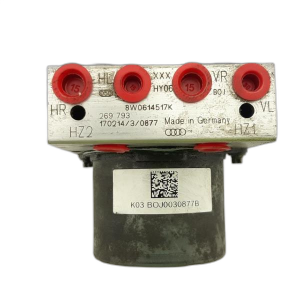
- Verify the Part Number: This is the most important step. The part number on the replacement module MUST exactly match the one on your original unit. There are many variations, especially concerning the Adaptive Cruise Control feature.
- Check for ACC Compatibility: Double-check that the donor vehicle and the part itself are for a car WITHOUT Adaptive Cruise Control. A module from a car with ACC will not work properly.
- Physical Inspection: When you receive the part, inspect it for any signs of damage. Look for corrosion on the aluminum block, damage to the plastic electrical connectors, or any indication that the unit has been previously opened or tampered with.
- Plan for Programming: Understand that you cannot simply install the used module and drive. You MUST have a plan for removing Component Protection and performing the necessary coding and calibration. Factor the cost of this service (from a dealer or specialist) into your total repair cost.
- Why Used OEM is a Good Choice: Unlike some cheap aftermarket alternatives, a used OEM module is guaranteed to have the correct hardware and firmware designed by Audi for your vehicle. Aftermarket units can have compatibility and quality issues, making the complex programming process even more difficult.
Pro Tip: Before removing your old ABS module, use a diagnostic tool like VCDS to scan it and save the existing coding information. This long coding string can be invaluable when programming the replacement unit, especially if it's a used part that arrives with no coding.
Cost Breakdown
The cost to replace an Audi ABS module can vary significantly depending on the source of the part and the labor involved.
| Part/Service | Estimated Cost |
|---|---|
| New OEM Module (Dealer) | $2,300 - $2,800+ |
| Remanufactured Module | $200 - $500 |
| Used OEM Module | $150 - $600 |
| Shop Labor (Replacement & Bleeding) | $270 - $400 |
| Shop Labor (Programming & Calibration) | $150 - $300 |
| Total Estimated Cost (with Used OEM Part) | $570 - $1,300 |
| Total Estimated Cost (with New OEM Part) | $2,720 - $3,500+ |
Note: Prices are estimates and can vary based on location, vehicle model, and specific shop rates.
Frequently Asked Questions (FAQ)
Can I drive my Audi with a bad ABS module?
Yes, but with significant risk. Your vehicle will still have its conventional hydraulic brakes, but you will not have anti-lock functionality, traction control, or stability control. This means your wheels can lock up during a hard stop, causing a skid, and the car will be less stable in emergency maneuvers or on slippery roads. It is strongly recommended to get the issue repaired as soon as possible.
What is the difference between the ABS module and the ABS pump?
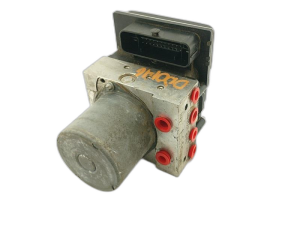
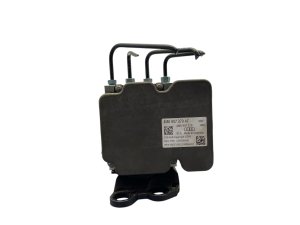
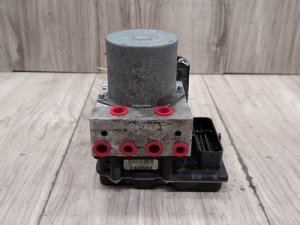
The ABS module and pump are typically integrated into a single assembly. The pump is the hydraulic block with valves and a motor that physically modulates brake pressure. The module is the electronic control unit (ECU) bolted to the pump. It's the 'brain' that controls the 'muscle' of the pump. When people refer to a failed ABS module, they are usually talking about a fault in this electronic part, though sometimes the entire assembly needs to be replaced.
How do I know if my Audi has Adaptive Cruise Control (ACC)?
The easiest way to check is by looking at your cruise control stalk or buttons. Vehicles with ACC will have controls for setting the following distance to the car ahead, usually depicted by lines or bars. You can also look at the lower front grilles of your car; ACC-equipped vehicles have radar sensors located there. Finally, you can check your vehicle's original window sticker or use a VIN decoder to see its factory-installed options.
Can an independent mechanic replace and program this module?
Yes, but only if they have the right tools and expertise. A standard OBD-II code reader is not sufficient. The shop must have advanced diagnostic software like Audi's ODIS (for Component Protection) or a professional-grade tool like VCDS by Ross-Tech to perform the necessary coding and sensor calibrations. Always confirm with the shop beforehand that they have experience with VAG Component Protection and ABS module replacement.
Technical Specifications
OEM Part Numbers: 4M0927803B 4M0927803C 8W0614517AJ 8W0614517AKBEF 8W0614517T 8W0907379 8W0907379AF 8W0907379AK 8W0907379AT 8W0907379BH 8W0907379G 8W0907379J 8W0907379Q
This module is part of the Bosch ABS/ESP system. It controls the hydraulic pump and valves to modulate brake pressure. It communicates with the engine, transmission, and steering angle sensors over the CAN bus network. Replacement requires coding and removal of Component Protection.
We Have This Part in Stock

The information in this article is provided for general reference and educational purposes only. Vehicle specifications, procedures, and part compatibility can vary by production date, trim level, and region. Always consult your vehicle's factory service manual and verify part numbers before purchasing or performing repairs. Safety-critical components such as airbags, seat belts, and braking systems should be installed by a qualified professional.
- Audi A5:
- Audi A4:
- Audi S5:
- Audi A4 allroad:
- Audi S4:
- Audi allroad:
- Audi Q7:
- Audi Q8:
- Audi RS4:
- Audi RS5:
- Audi SQ5:
- Bentley Bentayga:
- Lamborghini Urus:
- 🛍️ Shop This Part
- Symptoms of a Failing ABS Control Module
- Common Diagnostic Trouble Codes (DTCs)
- Known Issues, TSBs, and Recalls
- Programming, Coding, and Component Protection
- Component Protection
- Coding and Calibration
- Buying a Used ABS Control Module
- Cost Breakdown
- Frequently Asked Questions (FAQ)
- 🎟️ Get 5% Off