

Audi Q7, Q8, A4/A5 & More ABS Module Failure: A Guide to Component Protection, Programming, and Costs
This guide covers the critical details of diagnosing and replacing the ABS control module in modern Audi, Bentley, and Lamborghini vehicles, focusing on the mandatory programming and 'Component Protection' system that every owner must know about.
- Programming is mandatory due to Audi's 'Component Protection' anti-theft system. A dealer or VAG specialist with online access is required to make a replacement module work.
- Compatibility is critical. The part number must be an exact match, and you must get the correct version for your vehicle's options, especially with or without Adaptive Cruise Control (ACC).
- A failed module disables ABS, traction control, and stability control, making the vehicle unsafe to drive in emergency situations.
- Sending your original module for repair (remanufacturing) is a cost-effective option that can often bypass the need for dealer programming.
Critical Warning: This Module REQUIRES Professional Programming

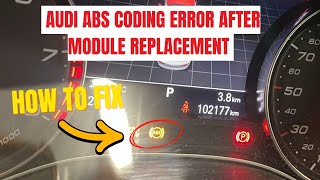
Mandatory Dealer or Specialist Programming: Replacing the ABS control module on any of these vehicles is not a simple plug-and-play repair. All replacement modules—whether new or used—are subject to Volkswagen/Audi's Component Protection (CP) system. This is an anti-theft measure that electronically locks the module to the original car's Vehicle Identification Number (VIN). After installation, the module will have limited or no function, and a "Component Protection Active" fault will be present until it is adapted to your vehicle by a dealer or a qualified independent shop with the specific factory tools.
This process requires an online connection to Audi's servers using their proprietary ODIS diagnostic software. It cannot be bypassed with standard diagnostic tools. You must factor in the cost of this programming service when considering a replacement.
Symptoms of a Failing ABS Control Module


A failing ABS module typically announces itself with a cluster of dashboard warning lights, as it is central to multiple safety systems.
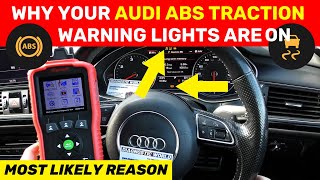
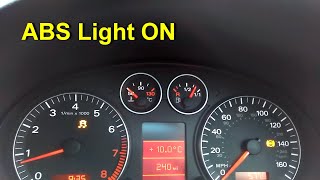
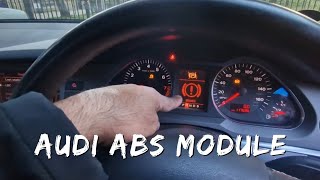
🎬 Watch: Why your Audi ABS and traction lights are on- ABS, ESC/Traction Control, and Brake Warning Lights: The most common symptom is having the ABS, Electronic Stability Control (ESC/ESP), and sometimes the red brake warning light all illuminated on the instrument cluster.
- Unresponsive or Stiff Brake Pedal: The brake pedal may feel hard to press or require more effort than usual to slow the vehicle down.
- Wheels Locking Up: During a hard stop, the wheels may lock and skid, which is a clear sign the anti-lock function is not working.
- Inaccurate or Dead Speedometer: In some vehicles, the ABS module processes wheel speed data for the speedometer. A faulty module can cause the speedometer to read incorrectly or drop to zero.
- ABS Pump Constantly Running: You may hear a buzzing or electric motor sound from the engine bay that doesn't turn off, indicating the module is incorrectly telling the ABS pump to run.
Common Diagnostic Trouble Codes (DTCs)
Using an OBD-II scanner that can read ABS codes is the best way to start your diagnosis. Codes pointing to an internal module failure include:
- 01130 - ABS Operation Implausible Signal
- 16352 - Control Module Faulty / Defective
- 01276 - ABS Hydraulic Pump (V64)
- U0121 - Lost Communication With ABS Control Module
Is It the Module or Just a Sensor?

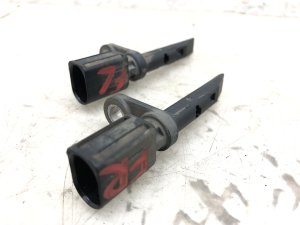
Before condemning the expensive ABS module, it's crucial to rule out a much cheaper and more common failure: a wheel speed sensor. A bad wheel speed sensor can trigger the same ABS and ESC warning lights. The initial data for this guide included part numbers 4M0927803B and 4M0927803C, which are in fact front wheel speed sensors, not the control module. A diagnostic scan can often isolate a fault to a specific wheel speed sensor (e.g., "Right Front Wheel Speed Sensor Implausible Signal"). Replacing a single sensor is far less expensive than replacing the entire ABS module.
Buying a Used ABS Control Module
Given the high cost of a new OEM module, a used unit from a reputable recycler is a very cost-effective option. However, you must be extremely careful about compatibility.
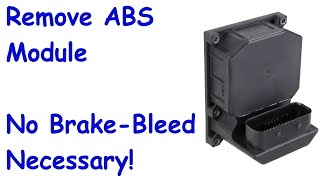
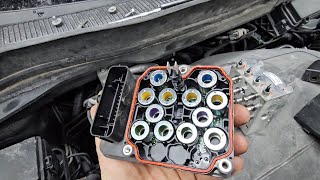
Pro Tip: You can often replace just the electronic control module without opening the hydraulic brake lines. The module is typically held onto the aluminum hydraulic block with several Torx screws. Carefully unplugging the electrical connector and removing these screws allows you to swap the electronic part, avoiding the need to bleed 🎬 See how to swap the module without bleeding the brakes the entire brake system. This makes the physical installation much easier for a DIYer before taking the car for programming.
- Match the Part Number EXACTLY: The part number on the replacement module must be an exact match or a verified superseded number for your original unit. Part numbers like 4M0907379Q or 4M6907379N are examples of what you might find on the module itself.
- Verify Adaptive Cruise Control (ACC) Compatibility: There are different modules for vehicles with and without Adaptive Cruise Control. A module from a non-ACC car will not work correctly in a car equipped with it, and vice-versa. Verify the features of the donor vehicle or match the part number precisely.
- Physical Inspection: When you receive the used part, inspect the electrical connector pins for any signs of corrosion or damage. Check the casing for cracks or evidence of water intrusion.
- Consider Remanufacturing Your Original Module: An excellent alternative is to send your original module to a specialist for repair. Because the module's original identity and programming are retained, this can often bypass the need for Component Protection removal, saving you a trip to the dealer. This is a great option if the vehicle can be down for a few days while the part is shipped and repaired.
Known Issues, Recalls, and TSBs
While searches for these specific models and years did not reveal any widespread recalls for the ABS control module itself, several recalls exist for related systems. For example, the 2017 Q7 had recalls for the airbag control module software and a steering bolt issue. Always check the NHTSA database or with an authorized dealer using your VIN to see if any open recalls apply to your specific vehicle.
Vehicle-Specific Information
The ABS module is located in the engine compartment on all listed vehicles, typically on the driver's side, attached to the hydraulic pump with brake lines running into it.
- Audi A4/A5 (B9): On the B9 platform A4, the module is located behind the driver-side headlamp. Access may require removing the front wheel and the plastic wheel well liner to reach the assembly.
- Audi Q7/Q8, Bentley Bentayga, Lamborghini Urus: On these larger SUVs, the ABS pump and module assembly is also in the engine bay, typically accessible from the top. The replacement and programming procedure is identical across these models due to the shared MLB Evo platform architecture.
Programming and Calibration After Installation
After the physical installation, the vehicle must be taken to a dealer or specialist for programming. The process involves several steps:
- Component Protection Removal: The technician will use the ODIS factory tool with an online connection (GEKO access) to register the "new" used module to your car's VIN in the central VAG database. This removes the anti-theft lock.
- Module Coding: The module must then be coded with the correct software configuration for your vehicle's specific options (engine, transmission, ACC, tire size, etc.). This can be done with ODIS or other advanced tools like VCDS. 🎬 Watch: How to fix coding errors using ODIS and GEKO
- Basic Settings & Calibration: Finally, several sensors must be calibrated. This includes the Steering Angle Sensor (G85), Brake Pressure Sensor (G201), and Lateral/Longitudinal Acceleration Sensors. This step is critical for the ESC and other stability systems to function correctly.
Cost Comparison for ABS Module Replacement
| Item | Estimated Cost |
|---|---|
| New OEM Part | $950 - $2,400+ |
| Used OEM Part | $250 - $950 |
| Remanufacture/Repair (Your Unit) | $150 - $400 |
| Shop Labor (Physical Swap) | $160 - $400 (1.5-2.5 hours) |
| Shop Labor (Programming & Calibration) | $200 - $500+ |
| Total Dealer Replacement (New OEM) | $1,500 - $4,200+ |
Frequently Asked Questions (FAQ)
Do I absolutely have to program a replacement ABS module?
Yes, programming is not optional for these vehicles. Due to the Component Protection system, any replacement module (new or used) will not function correctly until it is electronically matched to your car by a dealer or a specialist with online factory access.
Can an independent mechanic replace and program this module?
An independent mechanic can perform the physical replacement. However, only shops that have invested in the official Audi ODIS diagnostic tool and maintain an active online subscription for security functions (GEKO) can perform the mandatory Component Protection removal. Many advanced independent shops specializing in German vehicles have this capability. Standard repair shops will not be able to complete the job.
Can I install a module from a car with Adaptive Cruise Control (ACC) into my car without it?
No, this is not recommended. The hardware and software are different for vehicles with and without ACC. You must install a module that matches your vehicle's exact equipment to ensure the braking and stability systems function safely. Mismatched coding will lead to fault codes and disabled safety systems.
Is it safe to drive with a bad ABS module?
While the vehicle may be drivable, it is not safe. A failed module disables the anti-lock brakes, traction control, and electronic stability control. This means your wheels can lock up during a panic stop, dramatically increasing the risk of skidding and losing steering control, especially on wet or slippery surfaces.
Helpful Videos
Technical Specifications
OEM Part Numbers: 4M0614517ADBEF 4M0614517AH 4M0907379 4M6-907-379-AF-REP 4M6614517AD 4M6614517BA 4M6614517BABEF 4M6614517BB 4M6614517BBBEF 4M6907379 4M6907379AF 4M6907379J 4M6907379N 4M0907379Q 4M0907379T 36A907379B
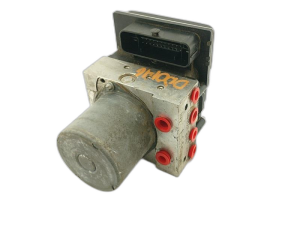
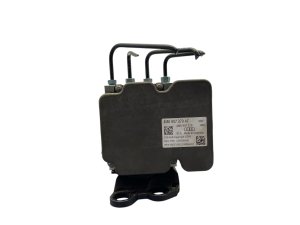
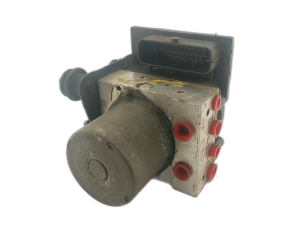
The electronic module is typically a Bosch unit integrated with a hydraulic pump. It communicates over the vehicle's CAN bus network. Compatibility is dependent on vehicle options, most notably the presence of Adaptive Cruise Control (ACC).
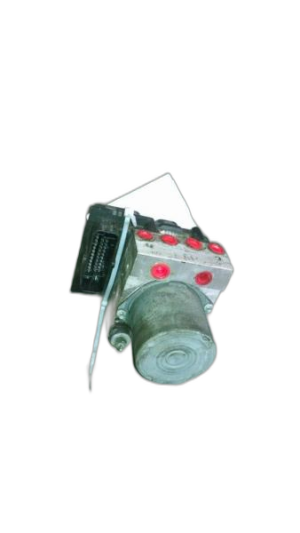
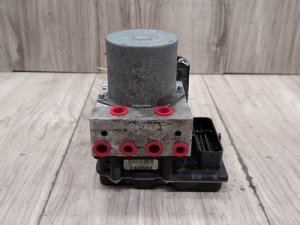
We Have This Part in Stock

The information in this article is provided for general reference and educational purposes only. Vehicle specifications, procedures, and part compatibility can vary by production date, trim level, and region. Always consult your vehicle's factory service manual and verify part numbers before purchasing or performing repairs. Safety-critical components such as airbags, seat belts, and braking systems should be installed by a qualified professional.
- Audi Q8:
- Audi Q7:
- Audi SQ8:
- Audi A4:
- Audi A5:
- Audi SQ7:
- Bentley Bentayga:
- Lamborghini Urus:
- 🎬 Helpful Videos
- 🛍️ Shop This Part
- Critical Warning: This Module REQUIRES Professional Programming
- Symptoms of a Failing ABS Control Module
- Common Diagnostic Trouble Codes (DTCs)
- Is It the Module or Just a Sensor?
- Buying a Used ABS Control Module
- Known Issues, Recalls, and TSBs
- Vehicle-Specific Information
- Programming and Calibration After Installation
- Cost Comparison for ABS Module Replacement
- Frequently Asked Questions (FAQ)
- 🎟️ Get 5% Off