

2014-2019 BMW S 1000 RR ABS Module Failure: Fault Codes, Diagnosis, and Replacement Warnings
This guide covers common ABS and DTC failures on the S 1000 RR, explaining fault codes, replacement costs, and the critical programming required after installation.
- A replacement ABS module (new or used) is NOT plug-and-play; it MUST be electronically coded to your bike's VIN by a dealer or specialist.
- Having your original module repaired by a specialist service is often the best option, as it avoids the difficult and costly VIN programming step.
- Properly bleeding the brakes after replacement requires a diagnostic tool (like a GS-911) to cycle the ABS pump.
- Before assuming the module is bad, check the battery, terminals, and wheel speed sensors, as these simpler issues can cause identical warning lights.
Symptoms of a Failing ABS Control Module


A problem with the ABS module on a 2014-2019 S 1000 RR will almost always announce itself through the instrument cluster. However, not every warning light means the expensive module itself has failed. Here are the most common symptoms, from most to least likely.
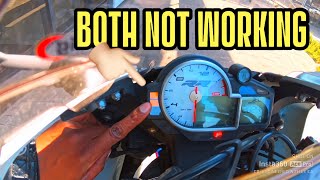
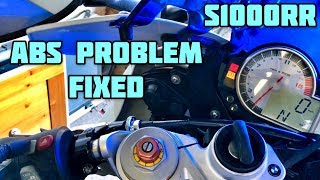
🎬 Watch: Troubleshooting common ABS and traction control fault codes.- ABS and/or DTC Warning Lights On: The most common symptom is the ABS and/or DTC warning light remaining illuminated on the dashboard after you start riding. Normally, these lights illuminate during the bike's initial self-check and turn off once you start moving. If they stay on, the system has detected a fault and has disabled itself.
- Inaccurate or Dead Speedometer: The speedometer relies on data from the wheel speed sensors, which are part of the ABS system. A critical ABS fault can sometimes cause the speedometer to read incorrectly or stop working entirely, often showing dashes "- - -".
- ABS Activates Incorrectly: In some rare cases, a failing module might cause the ABS to trigger at low speeds or under normal braking when it's not needed. This can feel like a pulsing or grinding sensation through the brake lever or pedal.
- Changes in Brake Lever Feel: While the standard hydraulic brakes should still work, some failures within the module's hydraulic unit can cause the brake lever to feel unusually hard or spongy.
- Multiple Warning Lights (Christmas Tree Effect): In some instances, a failing ABS module or a related electrical issue can cause multiple, seemingly unrelated warning lights to appear on the dash.
Common Fault Codes
A diagnostic tool like a GS-911 or dealer-level software is required to read BMW-specific fault codes. Common codes associated with ABS module issues include:
- 5DF0 / 5DF1: These codes are very common on BMWs and typically point to a fault with the hydraulic unit pump motor. This is often an internal failure of the module.
- 480905 / 480911: Faults related to the front or rear wheel speed sensors. While this could be a module issue, it's more often a problem with the sensor itself, the wiring, or the sensor ring.
- CD9422: A CAN bus communication error, indicating the instrument cluster is not receiving a vehicle speed message from the ABS module.
- General Codes: Other codes may point to valve relay faults, pump motor faults, or general internal control unit defects.
- Under-Voltage Faults: It's very common to see codes related to low battery voltage. Always ensure your battery and charging system are healthy before assuming the ABS module is bad, as low voltage can mimic module failure.
Pro Tip: Before condemning the module, always check the simple things first. Inspect the front and rear wheel speed sensors and the slotted rings on the wheels for damage or debris. Tire changes are a common time for these to get damaged or for the sensor gap to be knocked out 🎬 Watch: Fixing a common ABS sensor gap issue. of alignment. Also, confirm your battery terminals are tight and the battery is fully charged.
Known Issues, TSBs, and Recalls

While BMW has issued several recalls for the S 1000 RR in this generation, none specifically target the ABS control module for widespread failure. Recalls for these years were related to issues like suspension bolts (NHTSA 16V948000), brake light programming, and internal engine components. The absence of a recall means that if your module fails outside of the warranty period, the repair will be at your own expense.
Replacement and Programming: The Critical Step

Replacing the ABS module is a complex task, not just because of the physical labor but due to the electronic requirements that follow.
Physical Installation
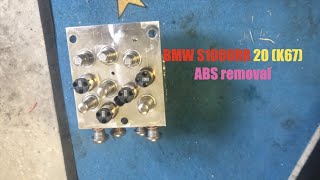
The module is located under the fuel tank. Access requires removing the seat, side fairings, and the fuel tank itself. Once accessed, the module is disconnected electronically and the brake lines are unbolted. The entire assembly (hydraulic pump and electronic controller) is then removed.
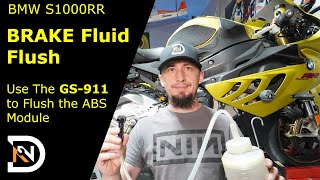
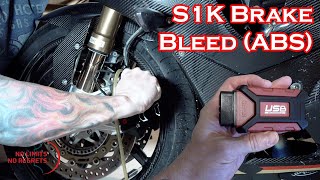
Warning: After replacing the ABS module, the entire brake system must be bled. On an ABS-equipped bike like the S 1000 RR, this is not a simple manual bleed. A diagnostic tool (like the GS-911 or BMW's ISTA software) is required to cycle the ABS pump and valves to ensure all air is purged from the new 🎬 See how to use a GS-911 for a proper ABS bleed. module's internal passages. Failure to do this correctly can leave air trapped in the system, leading to a spongy feel or complete brake failure.
VIN Coding and Programming
This is the most important consideration. An ABS module is not a plug-and-play part. The module is electronically tied to the motorcycle's Vehicle Identification Number (VIN).
- New Modules: A new, blank module purchased from BMW must be electronically installed and coded to the bike's VIN using dealer-level diagnostic software (ISTA).
- Used Modules: A used module is already coded to the VIN of the motorcycle it came from. Installing it in a different bike will result in a VIN mismatch error, and safety systems like ABS and DTC will not function.
It is extremely difficult, and sometimes impossible, to re-code a used module. While some specialists with advanced tools like WinKFP have reported success, it is not a straightforward process. Most independent shops and even some dealers may be unable or unwilling to attempt it. The GS-911 tool, while excellent for diagnostics and service functions, cannot re-code the VIN on a used ABS module.
Buying a Used ABS Control Module
Purchasing a used ABS module for the S 1000 RR is risky and requires careful consideration. Given the programming challenges, it is often not the most cost-effective solution.
- The Programming Problem: Before buying a used module, you MUST have a plan for programming it. Confirm with a BMW dealer or a specialist motorcycle electronics technician that they are both willing and able to attempt to re-code a used module for your bike. Be prepared for them to say no. The cost of this programming service can be several hundred dollars and is not guaranteed to work.
- Repairing Your Original Module: A safer and often better alternative is to have your original module repaired. Companies like Module Master specialize in rebuilding BMW motorcycle ABS units. Since the repaired module is original to your bike, it retains its VIN programming. This means no coding is required upon reinstallation, saving significant cost and hassle. This is the most recommended path for an out-of-warranty failure.
- Physical Inspection: If you do buy a used module, inspect it carefully. Check for any cracks in the black plastic electronic housing or the aluminum hydraulic block. Ensure the electrical connector pins are straight and free of corrosion. Avoid any units that show signs of being dropped or having brake fluid leak from the seals.
- Part Number Verification: Match the part number exactly. The primary OEM part number for this generation is 34328549514. While other numbers may exist, matching them is critical to ensure compatibility.
Cost Breakdown
The cost to resolve a faulty ABS module can vary dramatically based on the solution you choose. Prices are estimates and can change based on location and supplier.
| Solution | Estimated Part Cost | Estimated Labor / Service Cost | Total Estimated Cost |
|---|---|---|---|
| New OEM Module | $400 - $550 | $250 - $500 (Install, Bleed & Program) | $650 - $1,050+ |
| Used OEM Module | $150 - $350 | $350 - $700+ (Install, Bleed & Risky Programming) | $500 - $1,050+ |
| Remanufactured/Repaired Original Module | $250 - $600 (Repair Service) | $150 - $300 (Removal & Reinstall) | $400 - $900 |
Frequently Asked Questions (FAQ)
Does a used ABS module have to be programmed?
Yes, absolutely. A used module is locked to the VIN of its original motorcycle. It must be re-coded to your bike's VIN by a dealer or a specialist with advanced diagnostic tools. This process can be difficult and is not always successful. For most owners, having their original module repaired is a much safer option.
Can I ride my S 1000 RR if the ABS light is on?
You can, but it is not recommended. When the ABS light is on, both the anti-lock braking and traction control systems are disabled. You will still have conventional braking, but the wheels can lock up under hard braking, and the rear wheel can spin easily under acceleration. On a high-horsepower motorcycle like the S 1000 RR, this significantly increases the risk of a crash, especially in wet or emergency situations.
Can I replace the ABS module myself?
The physical replacement is possible for an experienced DIY mechanic, as it involves removing bodywork and the fuel tank. However, the two biggest challenges are the brake bleeding and the programming. You will need a diagnostic tool like a GS-911 to properly bleed the brakes by cycling the ABS pump. You will still need to take the bike to a specialist for the mandatory VIN programming if you install a new or used unit.
Is it cheaper to repair my ABS module than to buy a used one?
Often, yes. While the initial cost of a used module might be less than a repair service, the high cost and uncertainty of programming the used module can make it more expensive in the end. Repairing your original module eliminates the need for VIN programming, making it a simpler and more predictable process.
Helpful Videos
Technical Specifications
OEM Part Numbers: 34328549514 8549514
Integrates ABS and Dynamic Traction Control (DTC). Requires VIN coding upon replacement.
We Have This Part in Stock

The information in this article is provided for general reference and educational purposes only. Vehicle specifications, procedures, and part compatibility can vary by production date, trim level, and region. Always consult your vehicle's factory service manual and verify part numbers before purchasing or performing repairs. Safety-critical components such as airbags, seat belts, and braking systems should be installed by a qualified professional.
- BMW S 1000 RR:
- 🎬 Helpful Videos
- 🛍️ Shop This Part
- Symptoms of a Failing ABS Control Module
- Common Fault Codes
- Known Issues, TSBs, and Recalls
- Replacement and Programming: The Critical Step
- Physical Installation
- VIN Coding and Programming
- Buying a Used ABS Control Module
- Cost Breakdown
- Frequently Asked Questions (FAQ)
- 🎟️ Get 5% Off