

2012-2016 Chevrolet Sonic ABS Module: Programming, Failure Symptoms, and Replacement Costs
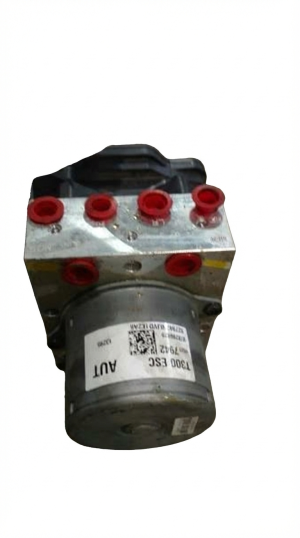
This guide covers the essential information you need before buying and replacing the ABS control module in your 2012-2016 Chevrolet Sonic, with a focus on the mandatory programming requirements.
- Programming is mandatory. Any replacement ABS module, new or used, must be programmed to your car's VIN by a dealer or a properly equipped independent shop.
- You can drive with a failed module, but safety is compromised. Your standard brakes will work, but the ABS, traction control, and stability control systems will be disabled.
- Always match the OEM part number exactly when purchasing a used module to ensure compatibility.
- A complete brake system bleed, including an automated ABS bleed procedure with a scan tool, is required after installation.
Symptoms of a Failing ABS Control Module
When the ABS control module in a Chevrolet Sonic begins to fail, it will typically provide clear warnings. Ignoring these can compromise the vehicle's safety systems.
- ABS Warning Light: The most common symptom is the illumination of the ABS warning light on your dashboard.
- Traction Control/Stability Control Light: Since the ABS module controls these systems, their respective warning lights will often come on as well.
- Unusual Brake Pedal Behavior: The brake pedal may feel different, or you might notice the ABS engaging unnecessarily at low speeds.
- Error Codes: A diagnostic scan may reveal specific trouble codes. Common codes related to ABS module failure include those indicating issues with the pump motor circuit (C0110), module performance (C0121), or communication errors. Some owners have also reported a "Code 84" (Engine Power Reduced) appearing alongside ABS warnings.
Known Issues, TSBs, and Recalls
While there are no widespread recalls specifically for the ABS control module on the 2012-2016 Sonic, it's important to be aware of related service information. GM has issued Technical Service Bulletins (TSBs) for various brake and electronic system issues. For example, TSB PIC5704H discusses the diagnostic trouble code C0131 setting after work on the Brake Pressure Modulator Valve. Additionally, a recall in September 2012 for some 2013 Sonics required dealers to reprogram the Body Control Module (BCM), which could in some cases cause ABS and Stabilitrak indicators to illuminate until the procedure was fully completed. Always check for the latest TSBs, as they provide dealer technicians with updated diagnostic and repair procedures.
Important: A recall (NHTSA 14V315) was issued for certain 2012 Sonics with the 1.8L engine and automatic transmission for a potential transmission turbine shaft fracture. While not directly an ABS issue, it is a significant safety recall for this vehicle generation.
Programming and Calibration: The Critical Step
This is the most important thing to understand before replacement: a new or used ABS control module MUST be programmed to your vehicle's specific Vehicle Identification Number (VIN). This is not an optional step. The module's software is calibrated for your car's specific features, and without programming, it will not communicate correctly with the other computers in the vehicle, rendering the ABS and stability systems inoperative.
Who Can Program the Module?
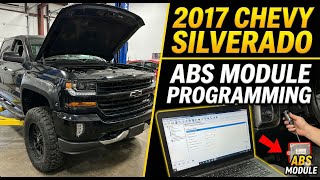
- GM Dealerships: They have the required tools and software (GM MDI/MDI2 and the GDS2/SPS software subscription) to perform the programming.
- Qualified Independent Shops: Many independent repair shops that specialize in diagnostics or work on GM vehicles invest in the same J2534 pass-thru tools and software subscriptions needed for programming.
A standard DIY mechanic or a shop without this specific equipment cannot program the module. Do not install a replacement module without first securing a plan for who will program it.
🎬 Watch: A DIY setup for programming GM ABS modulesBuying a Used ABS Control Module
A used OEM module is a cost-effective and reliable alternative to an expensive new part. However, you must be a careful shopper.
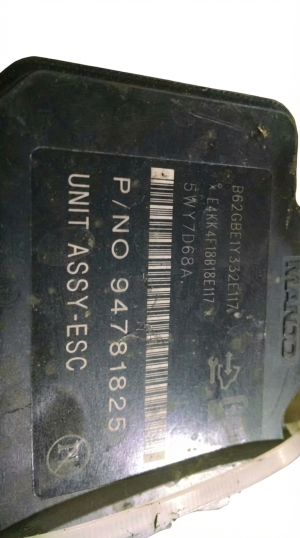
- Match Part Numbers Exactly: The most critical step is to match the OEM part number from your original module to the one you are buying. There are several part numbers for this generation of Sonic, and they are not all interchangeable.
- Inspect for Damage: Check the electrical connector pins for any signs of corrosion or damage. Ensure the housing is not cracked or broken.
- Factor in Programming Costs: Remember that the price of the used part is not your final cost. You must budget for professional programming, which can range from one to two hours of shop labor.
- Buy from Reputable Sellers: Purchase from an auto recycler that offers a warranty. This protects you in case the part is faulty.
- Beware of "Pre-Programmed" Claims: Be skeptical of sellers claiming to offer pre-programmed modules. True programming requires the module to be installed in the vehicle to sync with the VIN and other systems.
Cost Breakdown
Prices can vary based on your location and the supplier. The following table provides an estimated cost comparison.
| Part Type | Estimated Cost |
|---|---|
| New OEM | $165 - $375 |
| Used OEM | $50 - $150 |
| Remanufactured | $150 - $300 |
| Shop Labor (Installation & Programming) | $207 - $304 |
Frequently Asked Questions (FAQ)
Can I install the ABS module myself and drive it to a shop for programming?
Yes, you can physically install the module yourself. However, the ABS and traction control warning lights will remain on, and the systems will be inactive until it is programmed. The vehicle's standard brakes will still function.
Does a used ABS module from the exact same year and model Sonic still need programming?
Yes. The module is coded to the specific VIN of the donor car. It must be reprogrammed to your car's VIN to function correctly.
🎬 See how a used module is programmed for Global A vehiclesWhat tools are needed for the physical replacement?
You will need basic hand tools to unbolt the module and a flare nut wrench for the brake lines to avoid stripping them. After replacement, you will need to bleed the brake system. This often requires a diagnostic scan tool to perform an "automated bleed" or "ABS bleed" procedure, which cycles the internal pump and valves to purge all air from the new unit.
Is it better to repair my original module?
Repairing your original module can be a good option. The main advantage is that a repaired original module typically does not require reprogramming, which saves a significant cost and hassle. However, not all failure types are repairable.
Helpful Videos
Technical Specifications
OEM Part Numbers: 42353833 94552161 95176124 95230592 95230593 95317942 95936274 95400500
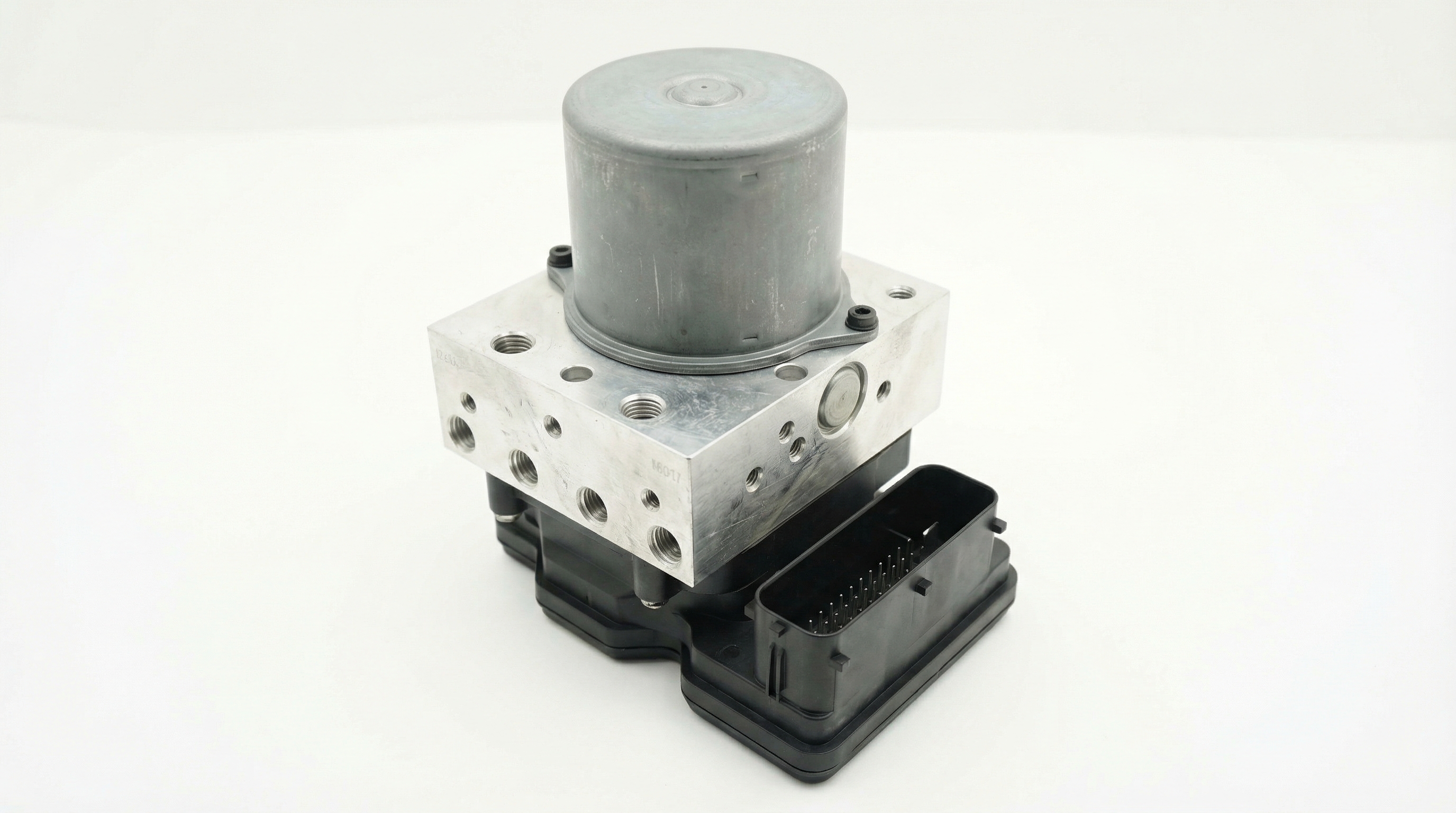
This part requires programming and special setup procedures using GM Service Information tools to ensure proper operation in the vehicle.
We Have This Part in Stock

The information in this article is provided for general reference and educational purposes only. Vehicle specifications, procedures, and part compatibility can vary by production date, trim level, and region. Always consult your vehicle's factory service manual and verify part numbers before purchasing or performing repairs. Safety-critical components such as airbags, seat belts, and braking systems should be installed by a qualified professional.
- Chevrolet Sonic: