

2021-2024 Trailblazer & Encore GX ABS Module: Recall, Programming, and FWD Facts
This guide covers the integrated ABS assembly for the Chevrolet Trailblazer and Buick Encore GX, including a critical safety recall and mandatory programming requirements.
- A critical safety recall (NHTSA #20V588000) may entitle you to a free replacement from a GM dealer. Check your VIN first.
- This part is a complete assembly including the module, pump, booster, and master cylinder, and it only fits Front-Wheel Drive (FWD) models.
- Programming is NOT optional. Any replacement module, new or used, MUST be electronically programmed to your vehicle's VIN by a dealer or properly equipped shop.
- The most dangerous symptom is a sudden loss of power brake assist, making the vehicle very difficult to stop.
Major Safety Recall Alert: NHTSA Recall 20V588000
Important: Before purchasing a replacement part, check if your vehicle is affected by NHTSA recall 20V588000 (GM recall number: A202307260). This recall applies to certain 2021 Chevrolet Trailblazer and 2020-2021 Buick Encore GX vehicles.
The defect involves potential contamination in a sensor connection within the electronic brake boost system. This can cause a loss of communication, leading to the failure of the electronic brake boost assist. If this happens, the brake pedal will become significantly harder to press, requiring much more force to stop the vehicle and increasing the risk of a crash. The official remedy from GM is for dealers to replace the entire electronic brake boost module assembly free of charge. Contact a GM dealer with your VIN to verify if this recall applies to your vehicle and if the repair has been completed.
Symptoms of Failure
A failing ABS module assembly on your Trailblazer or Encore GX can manifest in several ways:
- ABS Warning Light: The most common symptom is an illuminated ABS warning light on your dashboard. This often appears alongside the traction control or stability control lights.
- Hard or Unresponsive Brake Pedal: As described in the recall, a sudden loss of power assist can make the brake pedal feel extremely firm and difficult to push. In other failure scenarios, the pedal might feel unresponsive or spongy.
- Wheels Locking Up: The primary job of ABS is to prevent wheels from skidding. If the module fails, your wheels may lock up during hard braking, especially on slippery surfaces, leading to a loss of control.
- Unusual Noises: Some drivers may hear grinding or other unusual noises when applying the brakes as the system malfunctions.
- Owner Complaints: Some owners have reported that the ABS and stability control systems can crash without warning, causing a temporary loss of effective braking that resolves after restarting the vehicle.
Common OBD-II Trouble Codes
While a professional-grade scanner is needed for deep diagnostics, common codes associated with ABS module failure include:
- U0121: Lost Communication With Anti-Lock Brake System (ABS) Control Module.
- C0110: ABS Pump Motor Circuit Failure.
- C0265: ABS Module Relay Circuit Malfunction.
- Codes related to specific wheel speed sensors (e.g., C1233) may also point to an internal module fault if the sensor itself tests good.
Important Compatibility Notes
An Integrated Assembly
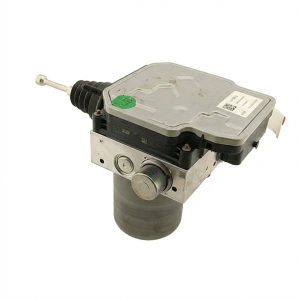
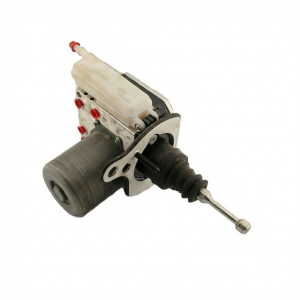
It is crucial to understand that this part is a complete assembly. It includes the electronic ABS control module, the hydraulic pump, the brake booster, and the master cylinder all in one unit. You are not just replacing a small electronic module. This complexity is a major factor in the part's cost and the labor required for replacement.
Front-Wheel Drive (FWD) Models Only
This specific ABS module assembly is designed for Front-Wheel Drive (FWD) versions of the Chevrolet Trailblazer and Buick Encore GX. It is not compatible with All-Wheel Drive (AWD) models, which use a different braking setup. Always verify your vehicle's drivetrain before purchasing.
Programming and Calibration are REQUIRED
This is the most critical step of the replacement process. A new or used ABS module assembly CANNOT be simply installed and expected to work. The module must be programmed to your vehicle’s specific Vehicle Identification Number (VIN) and configuration.
- Why is programming needed? The ABS module communicates with the engine control module, transmission, and other systems. Without programming, the vehicle won't recognize the new part, and the ABS, traction control, and Stabilitrak warning lights will remain on.
- Who can program it? This procedure requires a J2534 Pass-Thru interface tool and a paid subscription to GM's online Service Programming System (SPS). This means the programming must be done by a GM dealership or a well-equipped independent repair shop. Most DIY mechanics and smaller shops will not have this capability.
- What about 'pre-programmed' modules? Be wary of sellers claiming to provide a 'pre-programmed' module. Most modern ABS modules are VIN-specific and must be programmed while installed in the vehicle.
Pro Tip: After the module is installed and programmed, a full brake system bleed is required to remove any air from the hydraulic lines. Some systems may also require a steering angle sensor calibration.
Buying a Used ABS Control Module Assembly
A used OEM assembly can be a cost-effective alternative to a brand-new part, but careful purchasing is key.
- Check the Recall Status First: Before you spend any money, contact a GM dealer with the vehicle's VIN to see if it's eligible for the free recall replacement.
- Verify Drivetrain Compatibility: Double-check that the donor vehicle was Front-Wheel Drive (FWD) to match your own.
- Factor in Programming Costs: A used module is not plug-and-play. You MUST budget for professional programming, which can cost one or more hours of shop labor. Call local dealers or qualified shops for a quote beforehand.
- Physical Inspection: When you receive the part, inspect it for any signs of damage. Check that all electrical connectors are clean and intact. Ensure there are no cracks in the plastic housing or the master cylinder reservoir.
- Why Used OEM is a Good Choice: A used original equipment (OEM) part is identical to the one your vehicle came with from the factory. This ensures proper fitment and communication with your vehicle's other systems once it has been correctly programmed.
Cost Breakdown
The cost to replace the ABS module assembly can be significant due to the price of the part and the specialized labor involved.
| Item | Estimated Cost | Notes |
|---|---|---|
| New OEM Part | $700 - $1000+ | Price for the complete assembly from a GM dealer. |
| Used OEM Part | $250 - $500 | Varies based on supplier, condition, and mileage. |
| Shop Labor (Installation) | $350 - $550 | Includes physical removal/installation and bleeding the brake system. |
| Shop Labor (Programming) | $125 - $250 | Typically 1-2 hours of labor at a dealership or specialty shop. |
| Total Professional Replacement (New) | $1,175 - $1,800+ | Combines new OEM part cost, installation, and programming. |
| Total Professional Replacement (Used) | $725 - $1,300+ | Combines used OEM part cost, installation, and programming. |
Frequently Asked Questions (FAQ)
Can I replace this ABS module myself?
This is not recommended for most DIY mechanics. The replacement requires opening the hydraulic brake system, which necessitates a proper brake bleeding procedure. More importantly, the mandatory electronic programming requires expensive, specialized tools and software subscriptions that are typically only available to dealerships and professional shops.
Will a used ABS module from the exact same car work without programming?
No. Even if the module comes from an identical year, make, and model, it is programmed to the VIN of the original vehicle. It must be reprogrammed to your car's VIN to function correctly and communicate with other onboard computers.
What happens if I don't program the new module?
The vehicle's computer will not recognize the part. Your ABS, traction control, and stability control systems will remain disabled, and the warning lights on your dashboard will stay on. The part will not function as intended.
Is it safe to drive with a bad ABS module?
You can, but with significant risks. Your standard hydraulic brakes will still function, but you will not have anti-lock brakes, traction control, or stability control. In a panic stop, your wheels can lock up, causing a skid. If the failure is related to the brake booster, you may need to apply significantly more force to the pedal to stop. It is recommended to have the issue repaired as soon as possible.
Helpful Videos
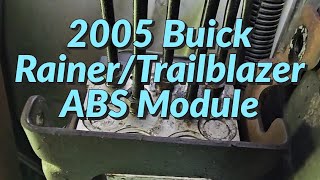
Technical Specifications
OEM Part Numbers: 42708212 42742904 42790149 60005988 84762289 84857009
Integrated assembly including ABS control module, hydraulic pump, electronic brake booster, and master cylinder. For use on Front-Wheel Drive (FWD) models only.
We Have This Part in Stock

The information in this article is provided for general reference and educational purposes only. Vehicle specifications, procedures, and part compatibility can vary by production date, trim level, and region. Always consult your vehicle's factory service manual and verify part numbers before purchasing or performing repairs. Safety-critical components such as airbags, seat belts, and braking systems should be installed by a qualified professional.
- Chevrolet Trailblazer:
- Buick Encore GX:
- 🎬 Helpful Videos
- 🛍️ Shop This Part
- Major Safety Recall Alert: NHTSA Recall 20V588000
- Symptoms of Failure
- Common OBD-II Trouble Codes
- Important Compatibility Notes
- An Integrated Assembly
- Front-Wheel Drive (FWD) Models Only
- Programming and Calibration are REQUIRED
- Buying a Used ABS Control Module Assembly
- Cost Breakdown
- Frequently Asked Questions (FAQ)
- 🎟️ Get 5% Off