

2013-2025 Trax, Encore & Envista ABS Module: JL4 Code, Programming & Replacement
This guide covers common failures, part number compatibility, and the critical programming requirements for the ABS control module on the Chevrolet Trax, Buick Encore, and Buick Envista.
- A replacement ABS module MUST be programmed to your vehicle's VIN to function; this is not a plug-and-play part.
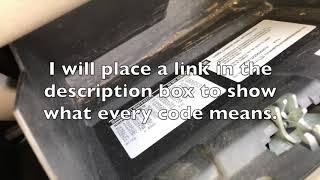
- Verify if your vehicle has the 'JL4' Active Brake Control option by checking the sticker in the glove box and ensure the replacement part matches.
- There is a distinct part generation split: 2013-2022 Trax/Encore parts are not compatible with 2024+ Trax/Envista parts.
- Driving with a failed module is possible but disables ABS, traction, and stability control. If the brake pedal becomes hard to press, the vehicle is unsafe to drive.
Platform and Generation Splits
It's important to understand that while these vehicles share parts, they do so across two distinct platforms and generations:
- First Generation (2013-2022): The 2013-2022 Chevrolet Trax and the 2014-2022 Buick Encore are built on the same platform and share many components, including the ABS control module.
- Second Generation (2024-Present): The 2024-2025 Chevrolet Trax and the 2024-2025 Buick Envista are new models built on a different, more modern platform. They also share their ABS module design, which is a more integrated assembly.
This guide will note the differences between these two groups where they exist.
Symptoms of a Failing ABS Control Module
A problem with the ABS module will make itself known through dashboard warnings and changes in braking behavior. Since the module is tied to other safety systems, you may see multiple warnings.
- ABS Warning Light: This is the most common symptom. An amber ABS light indicates the system has detected a fault and has disabled anti-lock braking.
- Traction Control/StabiliTrak Lights: A fault in the ABS module will almost always disable the traction and stability control systems, illuminating their warning lights. You may also see a "Service StabiliTrak" message.
- Brake System Warning: In more severe cases, especially on newer 2024+ models, you may see a "Brake System Failure" message. This can be accompanied by a loss of power brake assist, making the pedal very hard to press.
- Brakes Locking Up: Without ABS, your wheels can lock up and skid during a hard stop, particularly on wet or slippery surfaces.
- Inaccurate Speedometer: The ABS module often processes wheel speed sensor data for the speedometer. A faulty module can cause the speedometer to read incorrectly or stop working entirely.
Known Issues, Recalls, and Technical Service Bulletins (TSBs)
2013-2022 Chevrolet Trax & 2014-2022 Buick Encore
These models have been on the road longer, and common failure points are well-documented. While no specific recalls target the ABS module itself, general electronic and brake issues can occur. Failures are often due to internal electronic faults within the module or corrosion from moisture.
2024-2025 Chevrolet Trax & 2024-2025 Buick Envista
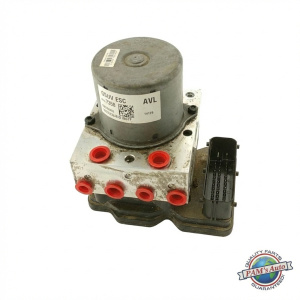
As these are newer models, long-term reliability data is still emerging. However, some early owners have reported premature failures of the entire brake module assembly, requiring replacement under warranty. These vehicles have an integrated design where the electronic module, hydraulic pump, brake booster, and master cylinder are one unit.
- NHTSA Recall 23V744000: While not a direct ABS module recall, it's important for owners to be aware of it. This recall addresses a software issue in the Virtual Cockpit Unit Module (VCU) that can cause the instrument panel to go blank, hiding critical safety warnings, including any from the ABS.
Compatibility Warning: The JL4 Option Code
One of the most critical factors when replacing this part is understanding GM's Regular Production Option (RPO) code JL4, which stands for "Active Brake Control." This system is another name for GM's StabiliTrak electronic stability control. Your vehicle either has it or it doesn't, and you must use the correct ABS module to match.
- Some part numbers are for vehicles WITH JL4.
- Other part numbers are for vehicles WITHOUT JL4.
Installing the wrong module will result in system incompatibility and warning lights. Always check the RPO code sticker 🎬 Watch: How to tell if your vehicle has Stabilitrak JL4 in your glove box to confirm if your vehicle has the JL4 option before purchasing a part.
Buying a Used ABS Control Module: A Buyer's Guide
A used OEM ABS module can be a cost-effective solution, but careful verification is key to avoiding problems.
Verifying Compatibility
- Match the Part Number: The surest way to ensure compatibility is to match the part number from your original module to the replacement. Do not rely on visual similarity alone.
- Confirm the JL4 Option: Double-check if the donor vehicle and your vehicle both have (or both do not have) the JL4 Active Brake Control option. A seller should be able to provide the VIN of the donor vehicle, which can be used to verify its options.
- Check Vehicle Generation: Ensure the part comes from the correct generation group (2013-2022 Trax/Encore or 2024+ Trax/Envista). Parts do not interchange between these generations.
Physical Inspection Checklist
- Connectors: Inspect all electrical connector pins. They should be straight, clean, and free of any green or white corrosion.
- Housing: Check the plastic and metal housing for any cracks, deep gouges, or signs of being pried open.
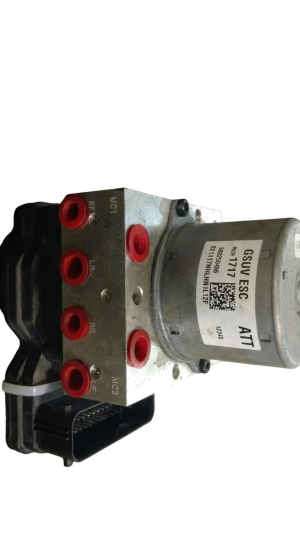
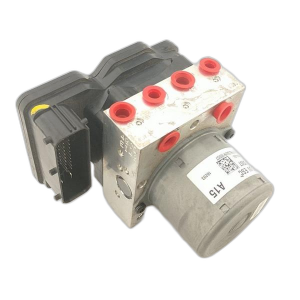
- Hydraulic Ports (if attached): Ensure the ports where brake lines connect are clean and the threads are not damaged. They should be capped to prevent internal contamination.
Why Used OEM is a Smart Choice
For a complex electronic part like an ABS module, a used OEM unit is often a better choice than a new, cheap aftermarket one. OEM modules are built to the manufacturer's strict standards for performance and durability. Aftermarket modules can sometimes have software incompatibilities or use lower-quality internal components that lead to premature failure. A recycled OEM part that has been tested and verified offers a balance of quality and value.
Pro Tip: Programming is Required!
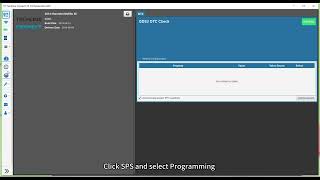
A replacement ABS module—whether it's new, used, or remanufactured—MUST be programmed to your vehicle's Vehicle Identification Number (VIN) after installation. This is not an optional step. 🎬 See how a technician programs a GM ABS module The module needs to be configured with the correct software and calibrated for your vehicle's specific options. Without programming, it will not function correctly, and the warning lights will remain on.
Cost Comparison
Prices can vary significantly based on the source of the part and local labor rates.
| Part Source / Service | Estimated Cost |
|---|---|
| New OEM Part | $230 - $670+ |
| New Aftermarket Part | $280 - $450+ |
| Used OEM Part | $75 - $200 |
| Remanufactured Part | $150 - $350 |
| Shop Labor (Installation & Programming) | $200 - $350 |
Frequently Asked Questions
Can I replace the ABS module myself?
For most DIY mechanics, this is not recommended. The replacement requires opening the hydraulic brake system, which must be properly bled afterward to remove all air. More importantly, the module requires electronic programming with specialized GM-specific software (like GDS2 and the SPS programming system) that most individuals do not have. This job is best left to a professional technician or a shop with the correct tools.
Does the module need to be programmed by a dealer?
Not necessarily, but it does require the right equipment. Many independent repair shops that specialize in GM vehicles or modern electronics have the necessary J2534 pass-through tools and a subscription to GM's Technical Information System (TIS) to perform the programming. 🎬 Watch: Programming a GM brake module using the SPS system However, a quick-lube or general repair shop may not. It's best to confirm with the shop beforehand that they can program a replacement GM ABS module.
What OBD-II codes are associated with a bad ABS module?
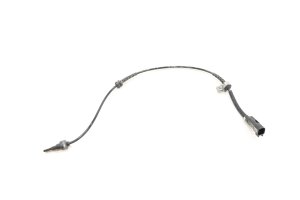
While many codes can point to an ABS issue, common ones include C0035, C0040, or C0050 (related to wheel speed sensor circuits) and C0121 (ABS Control Module fault). Codes related to the ABS pump motor (C0060) or its relay (C0110) also point to a problem with the ABS assembly. It's crucial to have the codes read by a scanner that can access the ABS system, not just the engine computer.
Will a used ABS module from a different car work?
Yes, provided it is the exact same part number and is for a vehicle with the same JL4 option code. However, it will still need to be cleared of the donor vehicle's data and reprogrammed to your car's VIN to function correctly.
Helpful Videos

Technical Specifications
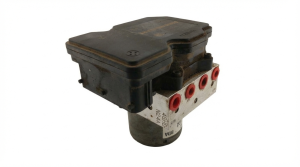
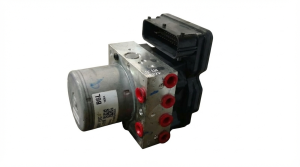
OEM Part Numbers: 42427071 42643519 95911076 42427072 42772597 42821490 42823688 42862787 94559626 95189662 95406022 95417439 42353081
Compatibility is determined by vehicle generation (2013-2022 vs. 2024+) and the presence of RPO code JL4 (Active Brake Control).
We Have This Part in Stock

The information in this article is provided for general reference and educational purposes only. Vehicle specifications, procedures, and part compatibility can vary by production date, trim level, and region. Always consult your vehicle's factory service manual and verify part numbers before purchasing or performing repairs. Safety-critical components such as airbags, seat belts, and braking systems should be installed by a qualified professional.
- Chevrolet Trax:
- Buick Encore:
- Buick Envista:
- 🎬 Helpful Videos
- 🛍️ Shop This Part
- Platform and Generation Splits
- Symptoms of a Failing ABS Control Module
- Known Issues, Recalls, and Technical Service Bulletins (TSBs)
- 2013-2022 Chevrolet Trax & 2014-2022 Buick Encore
- 2024-2025 Chevrolet Trax & 2024-2025 Buick Envista
- Buying a Used ABS Control Module: A Buyer's Guide
- Verifying Compatibility
- Physical Inspection Checklist
- Why Used OEM is a Smart Choice
- Cost Comparison
- Frequently Asked Questions
- 🎟️ Get 5% Off