

2014-2024 Honda Odyssey ABS Module: Programming, CMBS, and Replacement Guide
This guide covers the critical programming requirements, common failure symptoms, and how to choose the correct used ABS module for your 2014-2024 Odyssey.
- Programming is mandatory. A replacement ABS module, new or used, must be programmed to your vehicle's VIN to function.
- Compatibility is critical. You must match the module to your vehicle's options, especially the presence of the Collision Mitigation Braking System (CMBS).
- Failure disables key safety features. A bad module will turn off your ABS, Vehicle Stability Assist (VSA), and traction control.
- A used OEM module is a viable option. It offers significant cost savings over a new part, but you must confirm a local shop can program it before you buy.
Symptoms of a Failing ABS Control Module
When the ABS module in a Honda Odyssey begins to fail, it will typically disable the associated safety systems and alert the driver with multiple warning lights on the dashboard. You are unlikely to notice any difference in braking during normal, dry conditions, but the anti-lock and stability functions will not be available in an emergency.
- ABS Warning Light: This is the most common and direct indicator of a problem within the Anti-lock Braking System.
- VSA and/or Traction Control Light: Because the ABS module controls Vehicle Stability Assist (VSA) and traction control, a fault in the module will also illuminate these warning lights.
- Unresponsive or Spongy Brake Pedal: In some cases, a failing module can lead to a change in brake pedal feel, making it feel harder to press or softer and less responsive than usual.
- Wheels Locking Up: The primary purpose of ABS is to prevent wheels from locking during hard braking. If your wheels lock up and skid on a slippery surface, it's a clear sign the system is not working.
- Associated Diagnostic Trouble Codes (DTCs): A professional scan tool that can read ABS codes is necessary for proper diagnosis. A common code related to a software issue is VSA DTC 81-1 (modulator-control unit internal circuit malfunction) or 61-1 (low voltage). Low battery voltage can sometimes trigger these codes, and a software update may be required.
Known Issues, TSBs, and Recalls
While there are no widespread recalls specifically for the ABS control module on 2014-2024 Honda Odysseys, there are related technical service bulletins (TSBs) and recalls for the broader braking system that are important to be aware of.
Technical Service Bulletin 16-005
For 2011-2015 Odyssey models, Honda issued TSB 16-005. This bulletin addresses an issue where multiple warning lights (including ABS and VSA) illuminate and set DTCs 81-1 or 61-1. The cause is identified as the VSA software being overly sensitive to low battery voltage. The corrective action is for a dealer to update the VSA modulator-control unit software and perform a VSA sensor neutral position memorization. If you experience these symptoms, especially after a battery issue, it's crucial to investigate this TSB before replacing the module itself.
The #1 Question: Programming and Calibration
Warning: A replacement ABS control module, whether new or used, is NOT a plug-and-play part. It must be programmed to your vehicle's specific Vehicle Identification Number (VIN) to function correctly.
After physical installation, the module must be initialized and calibrated using a compatible diagnostic tool, such as the Honda Diagnostic System (HDS). This process writes your vehicle's VIN to the module and performs a neutral position memorization for the VSA sensors. Failure to program the module will result in the ABS and VSA systems remaining inoperative and warning lights staying on.
While a Honda dealership can perform this service, many well-equipped independent repair shops that specialize in Honda vehicles or diagnostics will have the necessary tools and expertise to program a used module. It is always best to confirm with the shop beforehand that they can program a used ABS module for your specific year of Odyssey.
Variant Differences: With vs. Without CMBS
A critical factor in selecting the correct ABS module is whether your Odyssey is equipped with the Collision Mitigation Braking System (CMBS). This is a pre-crash safety feature, part of the Honda Sensing suite, that uses a radar sensor in the front grille to detect potential frontal collisions. If a collision is deemed likely, the system provides warnings and can automatically apply the brakes to reduce impact severity.
The ABS control modules for vehicles with CMBS are different from those without it. They are not interchangeable. You must match the part number from your original module or verify compatibility based on your vehicle's features. The presence of a radar unit in the lower front grille is a key indicator that your vehicle has CMBS.
Buying a Used ABS Control Module
Purchasing a used OEM ABS module is a cost-effective alternative to a new unit from the dealer. However, careful selection is key to a successful repair.
How to Verify Compatibility
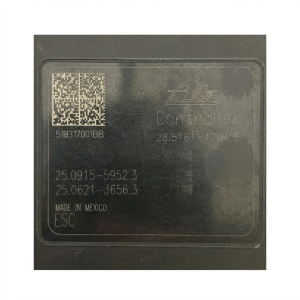
- Match the Part Number: The most reliable method is to match the OEM part number from your original module to the used part.
- Check for CMBS: Confirm if your vehicle has the Collision Mitigation Braking System and select a module from a donor vehicle with the same feature.
- Verify Trim and Options: Note any specific fitment information, such as compatibility with EX, EX-L, or LX trims, and whether your vehicle has features like Auto Stop-Start.
Physical Inspection
- Connectors: Inspect all electrical connectors for corrosion, bent pins, or damage to the plastic housing.
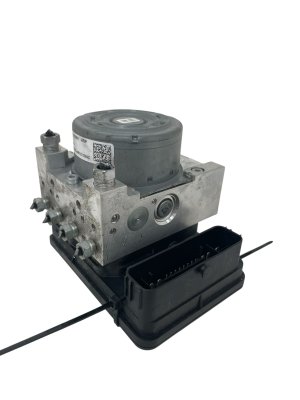
- Pump Body: Check the aluminum hydraulic pump portion of the assembly for any signs of corrosion, cracks, or leaking brake fluid.
- Casing: Ensure the plastic casing of the electronic module is not cracked or showing signs of water intrusion.
Pro Tip: Before purchasing a used module, have a plan for who will program it. Contact a local dealership or a trusted independent mechanic to confirm they are willing and able to program a customer-supplied used part.
Replacement Cost Breakdown
The cost to replace an ABS module can vary significantly based on the source of the part and labor rates.
| Part Source | Estimated Part Cost |
|---|---|
| New OEM (Dealer) | $800 - $1,700 |
| New Aftermarket | $100 - $1,100 |
| Used OEM | $70 - $300 |
| Remanufactured/Repair Service | $300 - $550 |
| Shop Labor (Installation & Programming) | $150 - $300 |
Frequently Asked Questions (FAQ)
Can I install a used ABS module myself and drive it to a shop for programming?
Yes. You can physically install the module and bleed the brake system. The vehicle will be safe to drive, but you will have no ABS, traction control, or VSA functionality, and the warning lights will remain on until the module is professionally programmed.
What happens if I don't program the replacement module?
If the module is not programmed, it will not communicate correctly with the other systems in your vehicle. The ABS, VSA, and traction control systems will remain disabled, and the corresponding warning lights on your dashboard will stay illuminated.
Is the ABS module the same as the VSA modulator?
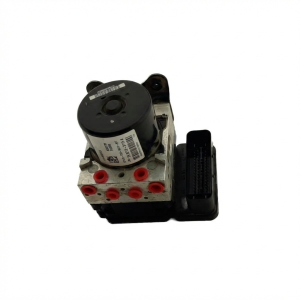
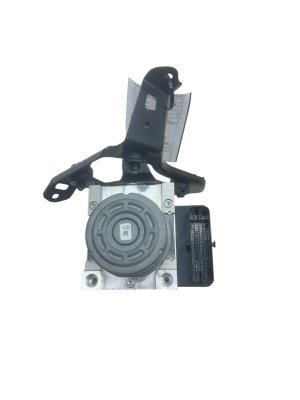
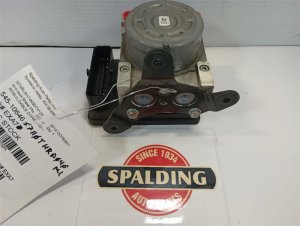
Yes. On the Honda Odyssey, the ABS control module and the Vehicle Stability Assist (VSA) modulator are integrated into a single unit, often referred to as the ABS/VSA Pump and Modulator Assembly.
How do I know if my Odyssey has the CMBS pre-crash system?
The easiest way to check is to look at your front grille. Odysseys equipped with CMBS will have a flat, solid panel, often with a radar emblem, located in the lower grille area. This panel houses the radar unit essential for the system's operation.
Technical Specifications
OEM Part Numbers: 57100-THR-A13 57100THRA03 57100THRA13 57100THRA81 57100THRA82 57100THRA83 57100THRB30 57110-THR-A041-M1 57110THRA04 57110THRA041M1 57110THRA110 57110TK8A630M1 57111TK8A60 57111TK8A61 57111TK8A62
The unit is an integrated assembly containing the electronic control module and the hydraulic pump/modulator.
We Have This Part in Stock

The information in this article is provided for general reference and educational purposes only. Vehicle specifications, procedures, and part compatibility can vary by production date, trim level, and region. Always consult your vehicle's factory service manual and verify part numbers before purchasing or performing repairs. Safety-critical components such as airbags, seat belts, and braking systems should be installed by a qualified professional.
- Honda Odyssey:
- 🛍️ Shop This Part
- Symptoms of a Failing ABS Control Module
- Known Issues, TSBs, and Recalls
- Technical Service Bulletin 16-005
- The #1 Question: Programming and Calibration
- Variant Differences: With vs. Without CMBS
- Buying a Used ABS Control Module
- How to Verify Compatibility
- Physical Inspection
- Replacement Cost Breakdown
- Frequently Asked Questions (FAQ)
- 🎟️ Get 5% Off