

2006-2017 Hyundai Sonata ABS Module: Fire Risk Recalls, Failures, and Replacement Guide
Understanding the critical fire-risk recalls, complex part matching, and programming needs for your Sonata's anti-lock brake system.
- A major fire risk recall affects many 2006-2017 Sonatas; the ABS module can short and cause a fire even when parked. Verify your VIN is not under an open recall.
- Part compatibility is extremely complex. You must match the OEM part number exactly, as it depends on the year, engine, and features like Electronic Stability Control (ESC).
- For most 2011 and newer Sonatas, a replacement ABS module (new or used) requires dealer-level programming or 'variant coding' to work with the vehicle's VIN.
- A faulty ABS module disables critical safety features like anti-lock brakes and stability control, increasing the risk of skidding and longer stopping distances.
Important Safety Recalls: Fire Risk

Warning: Park Outside. A massive recall was issued for millions of Hyundai vehicles, including many 2006-2017 Sonatas, due to a fire risk associated with the ABS module. The issue stems from the potential for brake fluid to leak internally into the ABS module's electronic components or for moisture to cause an electrical short. Because the module is always powered, even when the car is off, this short circuit can cause a fire in the engine compartment at any time, whether the vehicle is parked or being driven. Hyundai's remedy for this recall often involves installing a new relay or replacing the ABS multi-fuse to cut power to the module when the car is off. It is crucial to check with a Hyundai dealer or use the NHTSA recall website to see if your vehicle is affected and has had the recall service performed.
Symptoms of a Failing ABS Module

A failing ABS module can manifest in several ways, ranging from annoying lights to serious safety concerns.
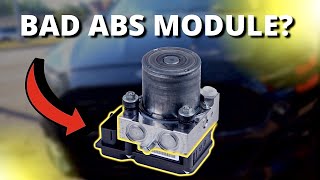
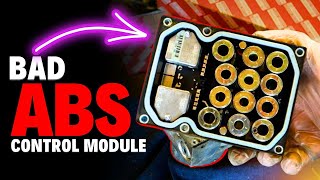
🎬 Watch: Common symptoms of a failing ABS module explained.- ABS, ESC, or Traction Control Warning Lights: The most common symptom is the illumination of the ABS, ESC (Electronic Stability Control), or TCS (Traction Control System) warning lights on your dashboard. A fault in the module will cause the system to disable itself as a precaution.
- Brakes Locking Up: The primary purpose of ABS is to prevent your wheels from locking during hard braking. If the module has failed, this function will be disabled, and your wheels may lock up and skid, increasing stopping distances and causing a loss of steering control.
- Unresponsive or Hard Brake Pedal: In some cases, a faulty module can lead to a brake pedal that feels hard to press or seems unresponsive.
- ABS Pump Constantly Running: You might hear a buzzing or humming sound from the ABS pump motor, located in the engine bay. A malfunctioning module can cause the pump to run continuously, even when the car is off, which can drain the battery.
- Associated OBD-II Codes: A proper diagnosis requires a scanner capable of reading ABS codes. Common codes include those related to wheel speed sensor circuits (C0035-C0050), the ABS pump motor (C0060), or the control module itself (C0121).
Compatibility and Part Numbers (2006-2017)

Replacing the ABS module on a Hyundai Sonata is not a one-size-fits-all repair. The correct part is highly specific to your vehicle's year, engine, and features. Using the wrong module can result in warning lights, non-functional safety systems, or a part that won't work at all. The 2006-2017 model years span three different Sonata generations (NF, YF, LF), each with its own set of parts.
Always match the OEM part number from your original module. Do not rely on visual appearance alone.
Generation-Specific Fitment Warnings:
- 2006-2010 (NF Generation): Early models had simpler systems. A key distinction is whether the vehicle is equipped with Electronic Stability Control (ESC). Many base models without ESC use a different module than higher trims that have it.
- 2011-2014 (YF Generation): Fitment becomes more complex. For example, some modules for 2011-2013 models fit non-hybrid Sonatas with either the 2.0L Turbo or specific 2.4L engines (where the 8th VIN digit is 'C') and sport suspension. Other modules are for the 2.4L engine with standard suspension. Part numbers like 58920-3Q500 and 58920-3Q650 are common for this era.
- 2015-2017 (LF Generation): These modules are specific to engine size (1.6L or 2.4L) and options. For instance, part number 58920-C2200 fits 2015-2017 models but is not compatible with Hybrid models or those with adaptive cruise control.
Pro Tip: Before ordering a replacement, take a clear photo of the part number on your original ABS module. This is the most reliable way to ensure you get a compatible part.
Programming and Calibration Requirements

This is one of the most critical aspects of replacing a Sonata ABS module.
For most Sonatas from 2011 and newer, a replacement ABS module—whether new or used—will require programming or 'variant coding' after installation. This procedure uses a dealer-level scan tool to configure the module to your car's specific Vehicle Identification Number (VIN) and options (like engine size, tire size, and stability control features). Without this step, the module will not communicate correctly with the rest of the car, leading to persistent warning lights and fault codes like C1702 (variant coding required).
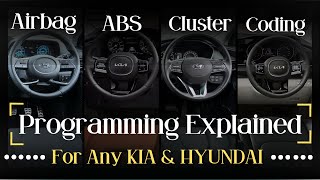
🎬 Watch: How Hyundai and Kia module programming works.While some older models (pre-2011) may be 'plug-and-play', it is safest to assume programming will be necessary. An independent shop with an advanced, professional scan tool can often perform this service, sometimes more successfully than a dealer who may be unfamiliar with programming used parts. Simply installing the part and bleeding the brakes is not enough for most of these vehicles.
Buying a Used ABS Control Module
Given the high cost of a new OEM module, a used, recycled part is an excellent value. However, you must be a careful shopper.
- Match the Part Number Exactly: This is the most important rule. A module from the same year Sonata but with a different engine or trim level will likely have a different part number and will not work correctly.
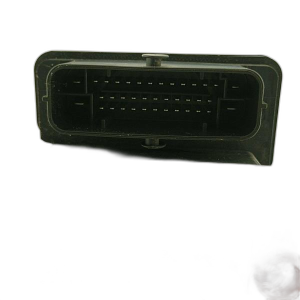
- Inspect the Connectors: Check for any signs of corrosion (green or white crust), bent pins, or damage to the plastic housing. Corrosion is a common failure point and a major red flag.
- Check for Fluid Leaks: The module is attached to the hydraulic pump. Inspect the entire assembly for any signs of brake fluid leaks or staining.
- Source from a Reputable Seller: Buy from a recycler that tests their parts and offers a warranty. This gives you protection in case the part is faulty.
- Budget for Programming: Remember to factor in the cost of having the used module programmed to your vehicle. It is not a plug-and-play part for most 2011+ models.
Cost Comparison
Prices can vary significantly based on the source and the specific part number required for your Sonata.
| Part Type | Estimated Cost |
|---|---|
| New OEM | $1,000 - $3,700+ |
| New Aftermarket | $400 - $800 |
| Remanufactured | $250 - $600 |
| Used OEM | $45 - $250 |
| Shop Labor (Replacement & Bleeding) | $100 - $250 |
| Shop Labor (Programming) | $100 - $200 |
Frequently Asked Questions (FAQ)
Can I drive my Sonata with a bad ABS module?
Yes, but with extreme caution. Your standard brakes will still function, but you will not have anti-lock braking, traction control, or stability control. This means your wheels can lock up during hard braking, significantly increasing the risk of skidding and losing control, especially on wet or slippery roads. It is highly recommended to get the system repaired as soon as possible.
Will a used ABS module need to be programmed?
Most likely, yes. For Sonatas made from 2011 onwards, the ABS module is coded to the original vehicle's VIN and options. A used module must be reprogrammed to your car using a professional scan tool to function correctly and clear dashboard warning lights.
What is the difference between the ABS module and the ABS pump?
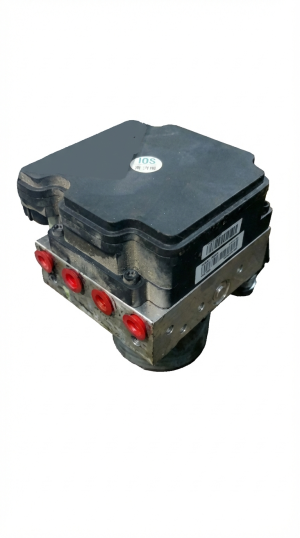
They are two parts of the same assembly, often called the ABS modulator or Hydraulic Electronic Control Unit (HECU). The pump is the mechanical part with valves and a motor that controls brake fluid pressure. The module is the electronic computer bolted to the pump that tells it what to do. They are typically replaced as a single unit.
Can I replace the ABS module myself?
Physically replacing the module is possible for an experienced DIY mechanic. It involves disconnecting the battery, unplugging the electrical connector, and unbolting the module from the hydraulic pump. However, the critical and difficult parts of the job are the brake bleeding procedure that follows and the electronic programming required. The brake system must be properly bled to remove all air, which may require a scan tool to cycle the ABS pump. Due to the need for special tools for bleeding and programming, this job is often best left to a professional shop.
Helpful Videos
Technical Specifications
OEM Part Numbers: 3Q58930650 58920-3Q500 589203K000 589203Q500 589203Q650 589203S400 58920C2200 58920C2201 58920C2500 C258930501 58920-4R000
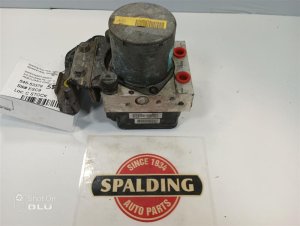
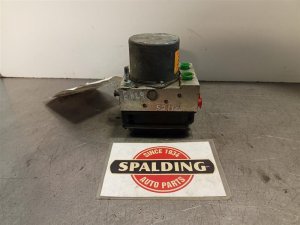
The ABS module is typically part of the Hydraulic Electronic Control Unit (HECU), located in the engine bay. It consists of an electronic control unit (the module) and a hydraulic pump/valve body assembly.
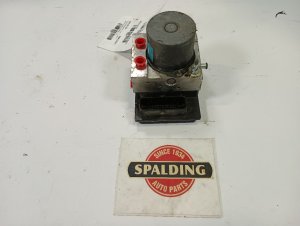
We Have This Part in Stock

The information in this article is provided for general reference and educational purposes only. Vehicle specifications, procedures, and part compatibility can vary by production date, trim level, and region. Always consult your vehicle's factory service manual and verify part numbers before purchasing or performing repairs. Safety-critical components such as airbags, seat belts, and braking systems should be installed by a qualified professional.
- Hyundai Sonata:
- 🎬 Helpful Videos
- 🛍️ Shop This Part
- Important Safety Recalls: Fire Risk
- Symptoms of a Failing ABS Module
- Compatibility and Part Numbers (2006-2017)
- Generation-Specific Fitment Warnings:
- Programming and Calibration Requirements
- Buying a Used ABS Control Module
- Cost Comparison
- Frequently Asked Questions (FAQ)
- 🎟️ Get 5% Off