

2013-2018 Kia Sorento ABS Module: Fire Risk, Recalls, and Replacement Guide
Learn about the critical fire-risk recall and how to choose the correct replacement ABS module for your Sorento's specific features.
- A critical fire risk recall (NHTSA 20V519) affects 2013-2015 Sorentos; the ABS module can short and cause a fire even when parked. Owners should park outside until the recall is performed.
- A replacement ABS module is NOT plug-and-play. It must be programmed ('variant coded') to the vehicle's VIN and specific options (AWD/FWD, etc.) using a dealer-level scan tool.
- Compatibility is extremely complex. You MUST match the part number from your original module exactly to ensure the replacement will work.
- After installation, a special brake bleeding procedure using a scan tool to cycle the ABS pump is required to remove all air from the system.
URGENT: Major Fire Risk Recalls for 2013-2015 Sorento

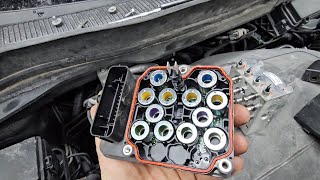
Park Outside Warning: Kia has issued major safety recalls for 2013-2015 Sorento models due to a fire risk originating from the ABS module. The Hydraulic Electronic Control Unit (HECU), which is the assembly containing the ABS module, can develop an internal brake fluid leak. This fluid can cause an electrical short on the circuit board, leading to a fire in the engine compartment. This can happen even when the vehicle is parked and turned off, as the module is constantly powered. Owners of affected vehicles are strongly advised to park outside and away from structures until the recall repair has been performed.
The primary recall is NHTSA Campaign Number 20V519 (Kia recall number SC197). This recall involves dealers inspecting the HECU for brake fluid leaks and replacing the entire unit if a leak is found. A subsequent enhanced remedy was developed, which may also involve replacing the ABS multi-fuse with a lower amperage version to mitigate fire risk from an electrical short. You can check if your specific vehicle is affected by entering your VIN on the NHTSA's recall website.
Symptoms of a Failing ABS Control Module

A failing ABS module will almost always make its presence known through dashboard warning lights. However, other symptoms can also point to a problem.
Dashboard Warning Lights
This is the most common sign of failure. Because the ABS module controls multiple systems, you will likely see a combination of these lights:
- ABS Light: The most direct indicator of a fault in the anti-lock braking system.
- Traction Control (ESC/TCS) Light: Since the ABS module manages traction and stability control, its failure will disable these systems and trigger their warning lights.
- Brake Warning Light: In some cases, the primary red brake system warning light may also illuminate.
Physical Symptoms
- Changes in Brake Pedal Feel: The pedal might feel spongy, require more effort, or behave unusually during braking.
- Wheels Locking Up: The most dangerous symptom is a complete loss of anti-lock functionality, which can cause one or more wheels to lock and skid during hard braking, especially on wet or loose surfaces.
- ABS Pump Motor Runs Constantly: You may hear a persistent buzzing or humming sound from the engine bay, which is the ABS pump motor failing to shut off.
- Burning Smell or Smoke: In severe cases related to the recall issue, you might notice a burning plastic or electrical smell, or even smoke, coming from the engine compartment.
Common Diagnostic Trouble Codes (DTCs)
A mechanic with a scanner capable of reading ABS codes can retrieve specific fault information. Codes that strongly suggest an internal module or pump failure include:
- C1203, C1206, C1209: These codes often point to issues with wheel speed sensor signals, but can also be triggered by a faulty module.
- C0110: ABS Pump Motor Malfunction.
- C0550 / C121: Internal failure of the ABS control unit.
- C0800 / C0899: Low or out-of-range supply voltage to the module.
- C1702: Variant Coding Error, which indicates a programming mismatch.
Pro Tip: Before condemning the expensive ABS module, always inspect the wheel speed sensors and their wiring first. A single faulty wheel speed sensor is a very common and much cheaper repair that will also cause the ABS and Traction Control lights to illuminate.
Buying a Used 2013-2018 Sorento ABS Module: A Buyer's Guide

Purchasing a used ABS module can save you a significant amount of money, but it requires careful attention to detail to ensure you get the right part. The compatibility of these modules is extremely complex.
Step 1: Match Your Part Number EXACTLY
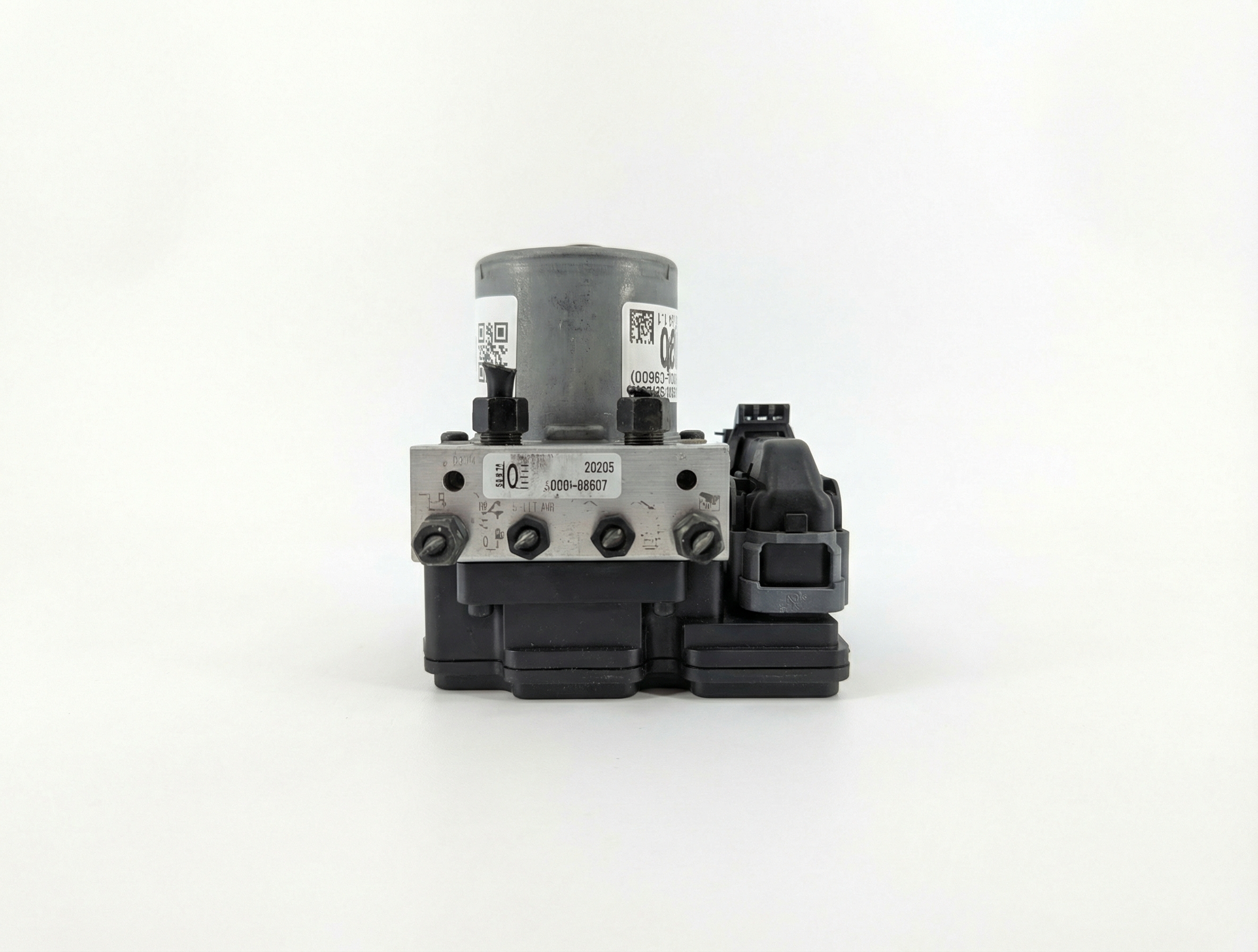
This is the most critical step. Do not buy a module based on vehicle year and model alone. Kia used many different ABS modules for this Sorento generation based on specific vehicle options. You must physically inspect your vehicle's original ABS module and find the part number printed on its label. The replacement part number must be an exact match.
Step 2: Verify Compatibility by Features
Even with a matching part number, it's wise to double-check its application. The primary features that determine which ABS module is correct for your Sorento are:
- Drivetrain: Modules are specific to either Front-Wheel Drive (FWD) or All-Wheel Drive (AWD) models.
- Engine: While many modules fit both the 2.4L and 3.3L engines, some may be specific. Always confirm with the seller.
- Driver-Assist Systems: The presence of features like Adaptive Cruise Control (ACC) or Automatic Emergency Braking (AEB) requires a specific module. A module for a car without these features will not work on a car with them, and vice-versa.
Warning: The initial information provided for this guide contained conflicting data on compatibility. After thorough research, the only reliable method is to match the OEM part number from your original module. Do not rely on visual similarity or descriptions alone.
Step 3: Physical Inspection Checklist for a Used Module
When you receive the used part, inspect it carefully before installation:
- Check the Connectors: Ensure the main electrical connector and the ports for the brake lines are clean, free of corrosion, and have no bent pins.
- Look for Damage: Inspect the plastic housing and the metal valve block for any cracks, deep gouges, or signs of being dropped.
- Verify Part Number: Confirm one last time that the part number on the unit you received matches your original part.
Programming and Calibration: Is It Plug-and-Play?

No, a replacement ABS module for a 2013-2018 Kia Sorento is NOT plug-and-play. It must be electronically configured to your specific vehicle after installation.
This process is often called "Variant Coding" or "Programming." The module's software needs to be told about the vehicle it's in, including its VIN, drivetrain (FWD/AWD), and other installed options. Without this step, the module will not communicate correctly with the car's other computers, and the ABS and ESC warning lights will remain on.
This programming typically requires a dealer-level diagnostic tool, like the Kia GDS (Global Diagnostic System). While some high-end independent shops may have tools capable of this function, you should confirm with them beforehand. A standard OBD-II code reader cannot perform this task. A dealer visit is often the most reliable path for programming.
Replacement Cost Comparison
The cost to replace the ABS module assembly can vary widely. Programming costs are separate from the labor to install the part.
| Part Source | Estimated Part Cost |
|---|---|
| New OEM | $1,400 - $2,200 |
| New Aftermarket | Not commonly available |
| Used OEM | $75 - $250 |
| Remanufactured | $200 - $500 |
| Shop Labor (Installation & Bleeding) 🎬 Watch: A pro tip for replacing the module without bleeding brakes. | $200 - $400 |
| Shop Labor (Programming) | $100 - $200 |
Frequently Asked Questions (FAQ)
Do I have to replace the whole ABS pump and module assembly?
Yes, the ABS module (the electronics) and the HECU (the hydraulic pump and valve block) are typically replaced as a single assembly. While some specialists may be able to repair just the electronic portion, the most common and reliable repair is to replace the entire unit. Given the internal leak issue causing the fire risk recall, replacing the complete assembly is the safest approach.
Can I drive my Sorento with a bad ABS module?
Yes, but with significant risks. Your standard hydraulic brakes will still function, but you will have no anti-lock brakes (ABS), traction control (TCS), or electronic stability control (ESC). This means your wheels can lock up and skid during a panic stop, and the vehicle will have no electronic assistance to prevent sliding in slippery conditions or emergency maneuvers. Driving should be limited, and extra caution is required, especially in bad weather.
What happens if I install the wrong ABS module?
If you install an incompatible module, it will not work. At best, the ABS and ESC lights will stay on, and the system will remain disabled. At worst, it could cause communication errors with other modules in the vehicle, potentially creating other issues. It will not pass the required programming and variant coding procedure.
Why is bleeding the brakes so important after this repair?
When the ABS module is replaced, air enters the hydraulic brake lines. This air must be completely removed for the brakes to function safely and effectively. A special procedure is required that uses a diagnostic scan tool to cycle the ABS pump and solenoids to push all trapped air out of the module's internal passages. A standard brake bleed is not sufficient and will leave the brake pedal feeling spongy and unsafe.
Helpful Videos
Technical Specifications
OEM Part Numbers: 58900C6840 589101U960 58910C6540 58910C6800 58910C6840 589201U000
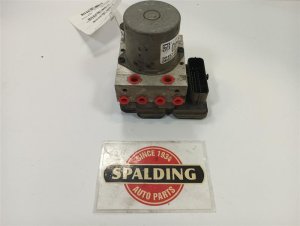
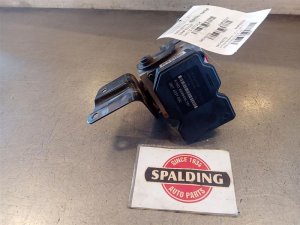
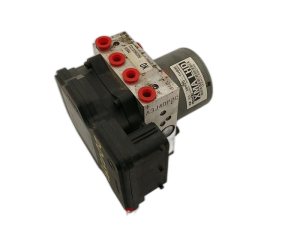
The complete assembly is often referred to as the Hydraulic Electronic Control Unit (HECU). It combines the electronic control module with the hydraulic pump and valve body.
We Have This Part in Stock

The information in this article is provided for general reference and educational purposes only. Vehicle specifications, procedures, and part compatibility can vary by production date, trim level, and region. Always consult your vehicle's factory service manual and verify part numbers before purchasing or performing repairs. Safety-critical components such as airbags, seat belts, and braking systems should be installed by a qualified professional.
- Kia Sorento:
- 🎬 Helpful Videos
- 🛍️ Shop This Part
- URGENT: Major Fire Risk Recalls for 2013-2015 Sorento
- Symptoms of a Failing ABS Control Module
- Dashboard Warning Lights
- Physical Symptoms
- Common Diagnostic Trouble Codes (DTCs)
- Buying a Used 2013-2018 Sorento ABS Module: A Buyer's Guide
- Step 1: Match Your Part Number EXACTLY
- Step 2: Verify Compatibility by Features
- Step 3: Physical Inspection Checklist for a Used Module
- Programming and Calibration: Is It Plug-and-Play?
- Replacement Cost Comparison
- Frequently Asked Questions (FAQ)
- 🎟️ Get 5% Off