

2018 Mazda CX-3 ABS Module: Programming, Compatibility, and Replacement Guide
This guide covers the essential compatibility warnings, programming requirements, and common failure symptoms for the 2018 Mazda CX-3 ABS control module.
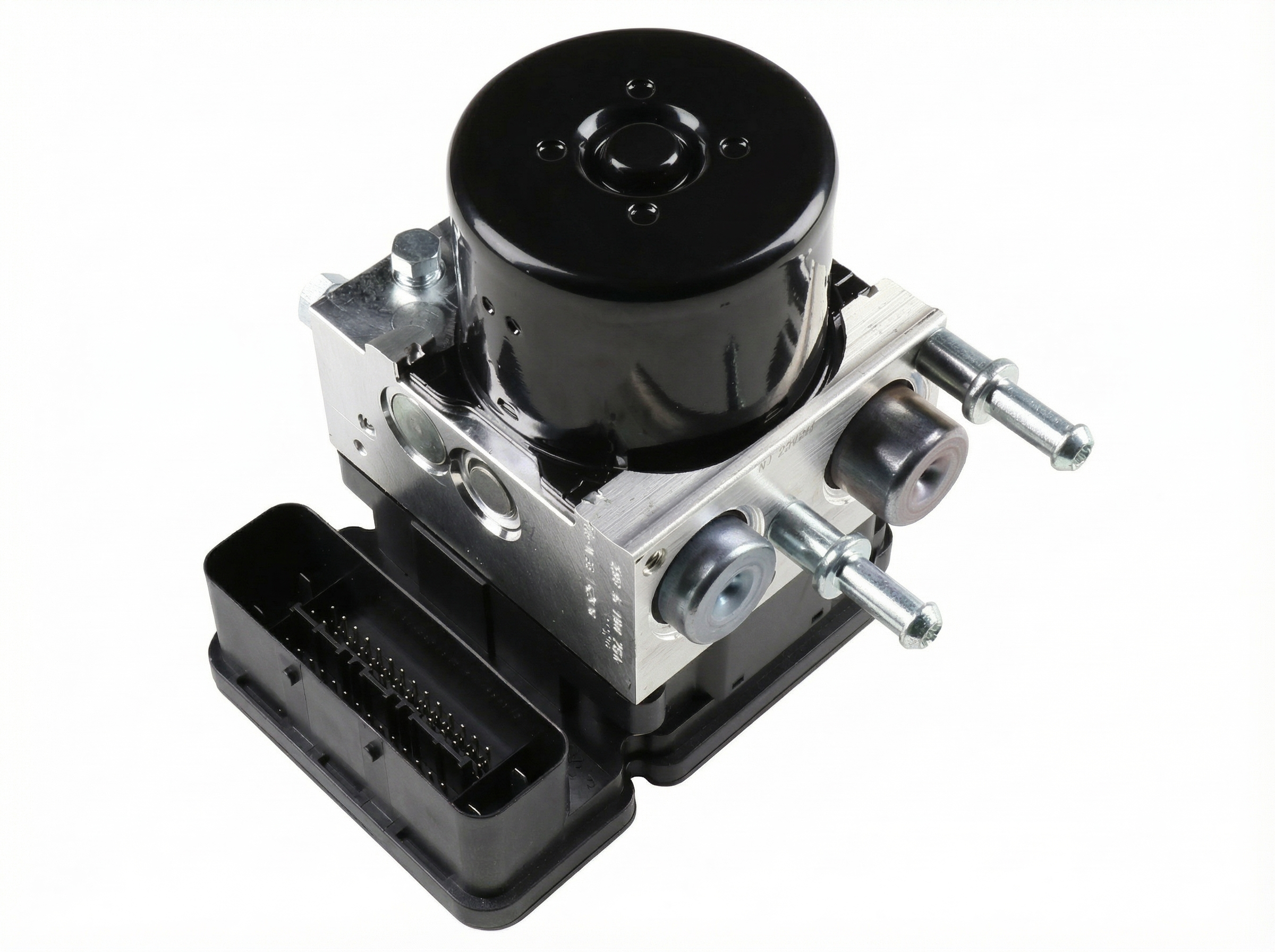
- This module is for 2018 CX-3 AWD models WITHOUT automatic/smart braking; part number DHY3437A0A must match.
- A replacement ABS module, new or used, MUST be programmed to the car's VIN to function.
- Failure often causes multiple lights (ABS, Traction Control, SCBS) to appear on the dash.
- DIY replacement of just the electronic module is possible without opening brake lines, avoiding the need for bleeding.
Critical Compatibility Warning: AWD Models Without Smart Brake Support
Warning: This specific ABS control module, identified by part number DHY3437A0A, is for 2018 Mazda CX-3 models that are All-Wheel Drive (AWD) and are NOT equipped with automatic emergency braking (also known as Smart Brake Support or adaptive cruise control). Installing the wrong module will result in system incompatibility, warning lights, and non-functional safety systems. Always verify your vehicle's specifications and match the part number exactly before purchasing a replacement.
Symptoms of a Failing ABS Module
When the ABS module fails, it typically disables the anti-lock, traction control, and stability control systems, reverting your vehicle to standard, unassisted braking.
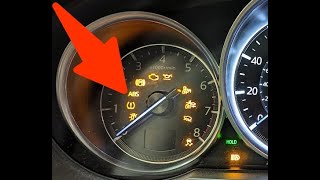
- ABS Warning Light: The most common symptom is a solid ABS warning light on the instrument cluster.
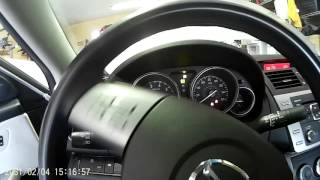
- Multiple Dashboard Lights: A failing module can cause a cascade of warning lights. A common scenario reported by owners includes the simultaneous illumination of the ABS, Traction Control (TCS/DSC), Smart City Brake Support (SCBS), and Tire Pressure Monitoring System (TPMS) lights.
- Wheels Locking Up: During hard braking, the wheels may lock up and skid, as the primary function of the ABS is disabled.
- Unresponsive or Hard Brake Pedal: The brake pedal may feel unusually stiff, hard to press, or unresponsive.
- Inaccurate Speedometer: In some cases, a faulty ABS module can interfere with the speedometer, causing it to show incorrect speeds or drop to zero, as it relies on data from the wheel speed sensors.
A basic OBD-II code reader will typically not be able to read ABS-specific fault codes (which start with 'C' for Chassis). A more advanced scan tool is required to communicate with the ABS module and retrieve codes like C1095 (pump motor failure) or U0121 (lost communication with ABS module).
Known Issues, Recalls, and TSBs
Recalls
As of early 2026, there are no specific safety recalls issued by the NHTSA for the ABS control module on the 2018 Mazda CX-3. A recall for this model year (NHTSA 23V-487) concerned the rearview camera, not the braking system.
Technical Service Bulletins (TSBs)
Mazda issued TSB 04-001/19, which applies to the 2016-2019 CX-3. It notes that a "slight clunk/bang/buzz noise or jolt" from the front of the vehicle during the first forward movement after starting the engine is normal. This is the ABS system performing a self-check and should not be mistaken for a fault. Technicians are advised not to perform repairs for this condition.
Pro Tip: Before condemning the ABS module, have a technician check for faults with individual wheel speed sensors. A faulty sensor is a much more common and less expensive repair, but it can trigger the same ABS and traction control warning lights.
Buying a Used ABS Control Module
A used OEM module is a cost-effective alternative to a new part, but careful purchasing is essential.
- Verify the Part Number: Ensure the used module's part number is an exact match. The primary number for this application is DHY3437A0A. The number DH1H437A0A is also associated with this part.
- Check Vehicle Options: Confirm the donor vehicle was a 2018 CX-3 with All-Wheel Drive and without Smart Brake Support/adaptive cruise.
- Inspect for Damage: Check the electrical connector pins for corrosion or damage. Look for any cracks or signs of physical impact on the module housing.
- Understand Programming Needs: A used module is not a plug-and-play part. It will be coded to the donor vehicle's VIN and must be reprogrammed to your vehicle after installation. Factor in the cost of programming when considering a used part.
Replacement and Programming
Replacing the ABS module can be done in two ways. The difficulty and tools required depend on whether you replace the entire hydraulic assembly or just the electronic module.
Method 1: Electronic Module Only (DIY Feasible, No Bleeding)
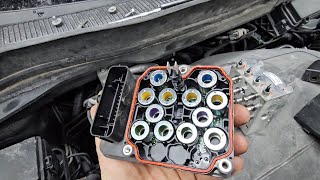
For experienced DIYers, it is often possible to replace only the electronic control unit without opening the hydraulic brake lines. This method saves significant time and avoids the need for brake bleeding.
- Disconnect the negative battery terminal.
- Locate the ABS assembly in the engine bay.
- Unplug the main electrical harness from the module.
- Carefully unbolt and move any components blocking access. It may be necessary to unbolt the entire ABS assembly bracket to gain clearance.
- Gently bend the hard brake lines just enough to access the Torx screws (usually T20 or T25) that secure the electronic module to the hydraulic pump. Do not kink the lines.
- Remove the screws and carefully separate the old module from the pump.
- Install the new module, ensuring the internal solenoid pins align correctly, and reinstall the screws.
- Reconnect everything in reverse order.
Method 2: Complete Assembly (Shop Recommended, Bleeding Required)
This method involves replacing the entire pump and module unit. It is more straightforward but requires opening the brake system.
- Disconnect the battery and electrical connector.
- Carefully disconnect all brake lines from the ABS unit. Be prepared for brake fluid spillage.
- Unbolt and remove the entire assembly.
- Install the new assembly and reconnect the brake lines.
- The entire brake system must be thoroughly bled using the manufacturer's recommended procedure. This may require a scan tool to cycle the ABS pump to purge all air.
Programming Requirements
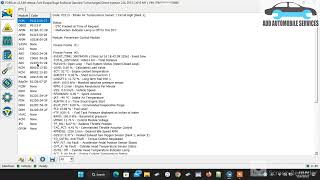
Warning: A replacement ABS module must be programmed to your vehicle's Vehicle Identification Number (VIN) and specific configuration. Without programming, the ABS, traction control, and other safety systems will not function, and warning lights will remain on. This can be done by a Mazda dealership or a qualified independent shop. Advanced DIYers with tools like FORScan can also perform this procedure by writing the vehicle's "As-Built" data to the new module and then performing an initialization routine.
🎬 Watch: How to program a used module using FORScan.Cost Comparison
| Part Type | Estimated Cost |
|---|---|
| New OEM | $550 - $800 |
| Used OEM | $100 - $250 |
| Remanufactured | Varies, limited availability |
| Shop Labor (Replacement & Programming) | $150 - $300 |
Frequently Asked Questions (FAQ)
Can I drive with the ABS light on?
You can, but it's not recommended for long. Your normal brakes will still work, but the anti-lock, traction control, and stability control safety features will be disabled. This means your wheels can lock up during a panic stop, increasing the risk of skidding and losing steering control, especially on wet or slippery roads.
Why does my CX-3 make a clunk or buzz noise from the front when I first drive it?
This is likely the normal ABS self-test. According to Mazda TSB 04-001/19, a clunk, bang, or buzz noise during the first forward movement after starting the engine is a normal part of the system's internal malfunction check. It is not a sign of a problem.
Do I have to take it to a dealer for programming?
Not necessarily. While a Mazda dealer can always perform the programming, many independent repair shops have the necessary scan tools. For advanced DIYers, software like FORScan combined with a compatible OBD-II adapter can be used to program the module by writing the vehicle's original 'As-Built' data to the replacement unit.
Why didn't my cheap code reader find any problems?
Standard, inexpensive OBD-II scanners are designed to read powertrain codes (P-codes) from the engine control unit. They cannot communicate with other vehicle systems like the ABS module. To diagnose ABS issues, you need a more advanced scan tool that can read chassis codes (C-codes).
Helpful Videos


Technical Specifications
OEM Part Numbers: DHY3437A0A DH1H437A0A
For All-Wheel Drive (AWD) vehicles without Smart Brake Support (automatic emergency braking).
We Have This Part in Stock

The information in this article is provided for general reference and educational purposes only. Vehicle specifications, procedures, and part compatibility can vary by production date, trim level, and region. Always consult your vehicle's factory service manual and verify part numbers before purchasing or performing repairs. Safety-critical components such as airbags, seat belts, and braking systems should be installed by a qualified professional.
- Mazda CX-3:
- 🎬 Helpful Videos
- 🛍️ Shop This Part
- Critical Compatibility Warning: AWD Models Without Smart Brake Support
- Symptoms of a Failing ABS Module
- Known Issues, Recalls, and TSBs
- Recalls
- Technical Service Bulletins (TSBs)
- Buying a Used ABS Control Module
- Replacement and Programming
- Method 1: Electronic Module Only (DIY Feasible, No Bleeding)
- Method 2: Complete Assembly (Shop Recommended, Bleeding Required)
- Programming Requirements
- Cost Comparison
- Frequently Asked Questions (FAQ)
- 🎟️ Get 5% Off