

2014-2023 Mazda3 ABS Module: SCBS, AWD, and Programming Explained
This guide covers the critical compatibility differences, programming requirements, and known safety recalls for the third and fourth-generation Mazda3 ABS control module.
- Compatibility is critical: You must match the module based on whether your car has Smart City Brake Support (SCBS) and All-Wheel Drive (AWD).
- Programming is mandatory: A replacement ABS module is not plug-and-play. It must be programmed to your vehicle's VIN by a dealer or qualified independent shop.
- Check for recalls: A major recall (NHTSA 19V907000) affects 2019-2020 models, causing the automatic emergency braking to activate unexpectedly. Ensure this has been addressed.
- Driving is risky: While the car will still brake without a functioning ABS module, key safety features like anti-lock, traction control, and stability control will be disabled.
Symptoms of a Failing ABS Control Module
When the ABS module begins to fail, it will typically disable related safety systems and trigger one or more warning lights on your dashboard. You will still have conventional braking, but the anti-lock and stability control features will not function.
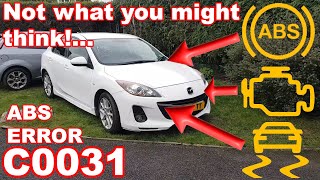
- ABS Warning Light: This is the most common and direct symptom. The amber ABS light will illuminate and stay on.
- Traction Control/Stability Control Light: Because the ABS module shares data with these systems, you will often see the traction control (a car with squiggly lines) or DSC light come on as well.
- Unresponsive or Hard Brake Pedal: In some cases, a failing module can affect the brake pedal feel, making it feel stiff, hard to press, or unresponsive.
- Wheels Locking Up: The primary purpose of ABS is to prevent your wheels from locking and skidding during a hard stop. If the module has failed, the system will not intervene, and your wheels may lock up, especially on wet or slippery surfaces.
- Inaccurate Speedometer: Many modern vehicles, including the Mazda3, use wheel speed sensor data (processed by the ABS module) for the speedometer. A faulty module can cause the speedometer to read incorrectly or stop working altogether.
- Associated OBD-II Codes: A professional scan tool can read codes from the ABS module. Common codes include U0121 (Lost Communication with ABS Module) or various C-prefix codes related to the pump motor or specific wheel speed sensors.
Known Issues, Recalls, and Technical Service Bulletins (TSBs)
NHTSA Recall 19V907000: Smart Brake System (SBS) Malfunction
A significant safety recall was issued for certain 2019-2020 Mazda3 vehicles. The Smart Brake System (SBS), which is an automatic emergency braking feature, could falsely detect an obstacle and apply the brakes unexpectedly. This could increase the risk of a rear-end collision. The cause was identified as incorrect programming in the control software.
- Affected Vehicles: Certain 2019-2020 Mazda3 models.
- Symptom: The vehicle may brake suddenly and sharply without any driver input, accompanied by a collision warning sound and message on the dashboard.
- Solution: Mazda dealers will reprogram the Vehicle Control Module (VCM) software free of charge. In some early production vehicles, the instrument cluster may also require replacement or a software update.
Pro Tip: You can check if your specific vehicle is affected by this or any other recall by entering your Vehicle Identification Number (VIN) on the NHTSA website (safercar.gov).
The Compatibility Minefield: Matching the Right Module
Simply matching the year of your Mazda3 is not enough to guarantee compatibility. There are critical hardware and software differences based on your vehicle's specific options. Ordering the wrong module will result in it not working, even after programming attempts.
Smart City Brake Support (SCBS) vs. Standard Brakes
The most important distinction is whether your vehicle is equipped with the pre-crash system, known as Smart City Brake Support (SCBS) or sometimes just Smart Brake Support (SBS). This system uses sensors to detect potential collisions and can apply the brakes automatically. Modules for vehicles with and without this feature are different and are not interchangeable.
- How to check: Look for a button near your left knee with an icon of a car and the word "OFF". This button allows you to disable the system. You can also check your vehicle's original window sticker or manual.
- Part Numbers: Many OEM part numbers explicitly state whether they are for vehicles with or without SCBS. For example, part number BHY1-43-7A0D is for models "Without smart city brake".
All-Wheel Drive (AWD) vs. Front-Wheel Drive (FWD)
Later models of the fourth-generation Mazda3 (2019+) were available with All-Wheel Drive. The ABS module for an AWD model is different from a FWD model due to the need to manage torque and traction at all four wheels. These modules are not interchangeable.
Warning: Always verify the part number and the features of the donor vehicle when purchasing a used ABS module. An incorrect module cannot be made to work through programming.
Buying a Used ABS Control Module
A used OEM ABS module can be a cost-effective solution, but careful purchasing is essential. Given the programming requirements and compatibility issues, a used unit is often a better choice than a new aftermarket part, which may have more profound software compatibility problems.
- Verify the Exact Part Number: Start by matching the OEM part number from your original module to the used part.
- Confirm Vehicle Options: Confirm that the donor vehicle had the same critical options as yours: SCBS (Pre-Crash System) and Drivetrain (AWD or FWD). If possible, get the VIN of the donor car to verify its equipment list.
- Inspect for Damage: Check the electrical connectors for any signs of corrosion, bent pins, or damage. Inspect the housing for cracks or signs of fluid leaks.
- Budget for Programming: A used module will need to be programmed to your vehicle's VIN. Factor in the cost of having this done by a qualified shop or dealer when comparing prices.
Programming and Installation
Warning: This part absolutely requires programming and configuration after installation. It is not a "plug-and-play" component.
A replacement ABS module, whether new or used, must be electronically configured to the specific VIN and options of the vehicle it is being installed in. This procedure ensures that the module can communicate correctly with the engine computer, transmission computer, and other systems.
- Who can program it? A Mazda dealership or a well-equipped independent repair shop with a professional-grade diagnostic scan tool can perform the programming. While some forum users have discussed self-initialization on much older models, the complexity of the 2014-2023 systems makes professional programming a necessity.
- Brake System Bleeding: After the physical installation, the entire brake system must be properly bled to remove any air from the lines. Modern ABS systems often require a scan tool to cycle the internal pump and valves to ensure all air is purged from the hydraulic unit.
- Sensor Calibration: In some cases, other sensors like the steering angle sensor may need to be recalibrated after the new module is installed.
Cost Comparison
The cost of replacing a Mazda3 ABS module can vary significantly depending on the type of part used. Programming and labor costs are additional.
| Part Type | Estimated Cost |
|---|---|
| New OEM | $560 - $850 |
| Used OEM | $75 - $250 |
| Remanufactured / Repaired Original | $300 - $450 |
| Shop Labor (Installation & Programming) | $200 - $350 |
Frequently Asked Questions (FAQ)
Does a used 2014-2023 Mazda3 ABS module need to be programmed?
Yes, absolutely. Any replacement module, new or used, must be programmed to your car's VIN and specific configuration (like SCBS and AWD). This is not an optional step. An unprogrammed module will not function correctly and will leave warning lights on.
How do I know if my Mazda3 has Smart City Brake Support (SCBS)?
The easiest way to check is to look at the dashboard to the left of the steering wheel. Vehicles with SCBS will have a button with an icon of a car colliding with another car and the word "OFF". This button allows the driver to disable the system. If you don't have this button, your car is likely not equipped with SCBS.
Can I drive my car with a bad ABS module?
You can, but with significant risks. Your standard hydraulic brakes will still function, but you will not have anti-lock brakes, traction control, or stability control. This means your wheels can lock up and skid during a panic stop, and the car will be less stable in emergency maneuvers or on slippery roads. Additionally, advanced safety features like Smart City Brake Support will be disabled.
Is the Smart Brake System (SBS) recall dangerous?
Yes. The recall for the 2019-2020 Mazda3 (NHTSA ID 19V907000) is a serious safety issue. The system can cause the vehicle to brake suddenly and unexpectedly, which could lead to another vehicle hitting you from behind. If your vehicle is part of this recall, you should have the free software update performed at a Mazda dealer immediately.
Helpful Videos
Technical Specifications
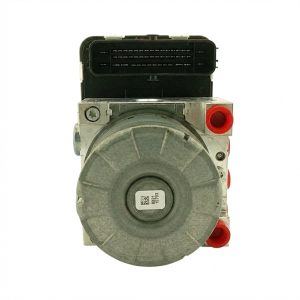
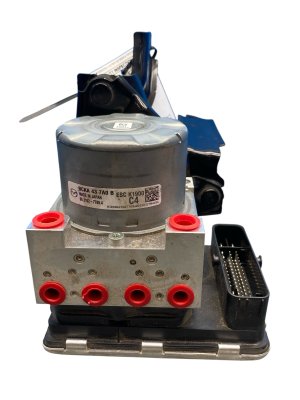
OEM Part Numbers: 06710955123 BCKA437A0B BCYA437A0B BDYS437A0 BDYT437A0 BEYC437A0B BHY1-43-7A0D BHY1437A0 BHY1437A0A BHY1437A0B BHY1437A0C BJY7437A0B
Specifications vary based on vehicle options (SCBS, AWD). The module is typically mounted to the ABS hydraulic pump assembly.
We Have This Part in Stock

The information in this article is provided for general reference and educational purposes only. Vehicle specifications, procedures, and part compatibility can vary by production date, trim level, and region. Always consult your vehicle's factory service manual and verify part numbers before purchasing or performing repairs. Safety-critical components such as airbags, seat belts, and braking systems should be installed by a qualified professional.
- Mazda MAZDA3:
- 🎬 Helpful Videos
- 🛍️ Shop This Part
- Symptoms of a Failing ABS Control Module
- Known Issues, Recalls, and Technical Service Bulletins (TSBs)
- NHTSA Recall 19V907000: Smart Brake System (SBS) Malfunction
- The Compatibility Minefield: Matching the Right Module
- Smart City Brake Support (SCBS) vs. Standard Brakes
- All-Wheel Drive (AWD) vs. Front-Wheel Drive (FWD)
- Buying a Used ABS Control Module
- Programming and Installation
- Cost Comparison
- Frequently Asked Questions (FAQ)
- 🎟️ Get 5% Off