

2012-2017 Nissan Juke ABS Module: AWD vs. FWD and Failure Symptoms
This guide covers the common failure symptoms, critical part number differences, and potential programming needs for the 2012-2017 Nissan Juke ABS control module.
- The ABS module for All-Wheel Drive (AWD) and Front-Wheel Drive (FWD) Juke models are NOT interchangeable. You must match the part to your vehicle's drivetrain.
- A replacement used ABS module will most likely require programming or initialization to your vehicle's VIN to function correctly.
- Driving with a failed ABS module is a safety risk; your anti-lock braking and traction control systems will be disabled.
- Common signs of failure include the ABS and traction control warning lights, and the potential for wheels to lock up during hard braking.
Symptoms of a Failing ABS Module
When the ABS module in a Nissan Juke begins to fail, it will typically provide clear warning signs. Ignoring these symptoms can compromise your vehicle's safety systems. Be aware of the following indicators:
- ABS Warning Light: The most common symptom is a constantly illuminated ABS warning light on your dashboard. This indicates the system has detected a fault and has likely disabled the anti-lock braking feature.
- Traction Control Light: Since the ABS module also controls the traction control system, you may see the traction control or Vehicle Dynamic Control (VDC) light turn on as well.
- Brakes Locking Up: Without a functioning ABS module, the primary safety feature of preventing wheel lock-up is lost. During hard braking, especially in adverse conditions, one or more wheels may lock up and skid.
- Unusual Brake Pedal Behavior: A failing module can sometimes cause the brake pedal to feel spongy, unresponsive, or require more effort to engage. In some cases, owners have reported a pulsing or vibrating pedal even during normal braking.
- Diagnostic Trouble Codes (DTCs): A scan tool can read specific codes stored in the module. Common codes associated with Nissan Juke ABS failures include C1111 (Pump Motor Fault) and U1000 (CAN Communication Circuit). Other related codes could be C1142 (Pressure Sensor Circuit) or C1130 (Engine Signal).
Known Issues, Recalls, and Technical Service Bulletins (TSBs)
While there are no widespread recalls specifically for the ABS control module on the 2012-2017 Nissan Juke, it's important to be aware of related service information.
- Recalls: A recall (NHTSA 18V-086) was issued for some 2015-2017 Juke Nismo RS models due to a potential brake fluid leak from the master cylinder into the brake booster, which could reduce braking performance. This does not directly involve the ABS module but affects the overall braking system.
- Technical Service Bulletins (TSBs): Nissan has issued TSBs related to the ABS system that can be helpful for diagnosis. For example, bulletin NTB10-145B provides diagnostic guidance for the common U1000 CAN communication code. TSB NTB16-116 gives information for diagnosing DTC C1130. These documents instruct technicians on proper diagnostic flow before replacing the ABS actuator control unit.
Warning: The most critical compatibility factor for this part is the vehicle's drivetrain. ABS modules for All-Wheel Drive (AWD) models are different from those for Front-Wheel Drive (FWD) models and are not interchangeable. Installing the wrong type will result in system malfunction.
Buying a Used ABS Control Module: What to Look For
Purchasing a used OEM ABS module can be a cost-effective solution, offering factory quality at a lower price. However, careful verification is essential to ensure you get a reliable and compatible part.
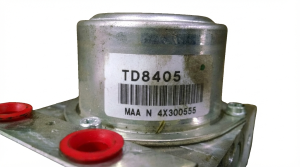
- Verify the Part Number: The most important step is to match the part number from your original module to the replacement. Part numbers are often superseded, so cross-referencing is key. For example, part number 47660-1KA4A may be replaced by 47660-1KF4A. Always confirm with the seller that the part fits your specific year, trim (S, SL, SV), and drivetrain (AWD or FWD).
- Inspect for Physical Damage: When you receive the part, check the electrical connectors for any signs of corrosion, bent pins, or damage. Inspect the plastic housing for cracks and the pump body for any signs of brake fluid leaks.
- Check the Donor Vehicle History: If possible, inquire about the mileage and history of the vehicle the part came from. Avoid parts from flood-damaged vehicles, as water intrusion is a common cause of electronic module failure.
- Warranty and Return Policy: Only buy from sellers who offer a warranty and a clear return policy. This protects you in case the part is defective or incompatible. A 6-month or 1-year warranty is a good sign of a seller's confidence in their parts.
Programming and Calibration Requirements
In many modern vehicles, a replacement ABS module must be programmed or initialized to the vehicle's specific VIN. This ensures it can communicate correctly with the Engine Control Module (ECM) and other vehicle systems. While some sources suggest that having the original module repaired can avoid the need for reprogramming, a used replacement module will almost certainly require this step. An independent shop with a high-level diagnostic scan tool (like an Autel or Snap-on) may be able to perform the initialization procedure, but in some cases, a trip to a Nissan dealership may be necessary. After installation, the brake system must also be thoroughly bled, which often requires a scan tool to cycle the ABS pump and solenoids to remove all air from the hydraulic unit.
Replacement Cost Comparison
The cost of replacing a Nissan Juke ABS module can vary significantly depending on the type of part you choose. Labor costs for diagnosis and replacement are additional.
| Part Type | Estimated Cost |
|---|---|
| New OEM | $1,000 - $1,300+ |
| New Aftermarket | $80 - $1,100 |
| Used OEM | $50 - $200 |
| Remanufactured | $250 - $500 |
| Shop Labor | $110 - $225 |
Frequently Asked Questions (FAQ)
Do I have to program a used ABS module to my Nissan Juke?
Yes, it is very likely that a used ABS module will need to be programmed or initialized to your vehicle's VIN. This procedure ensures the module communicates correctly with your car's other electronic systems. Failure to program the module can result in continued ABS warning lights and a non-functional system.
Can I drive my Juke with a bad ABS module?
You can, but it is not recommended for safety reasons. Your vehicle will still have its standard hydraulic brakes, but the anti-lock braking and traction control safety features will be disabled. This significantly increases the risk of skidding and losing control during emergency braking or on slippery roads.
Where is the ABS module located on a 2012-2017 Nissan Juke?
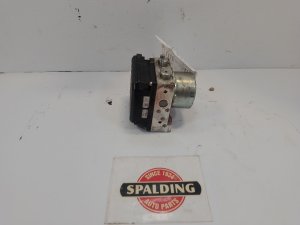
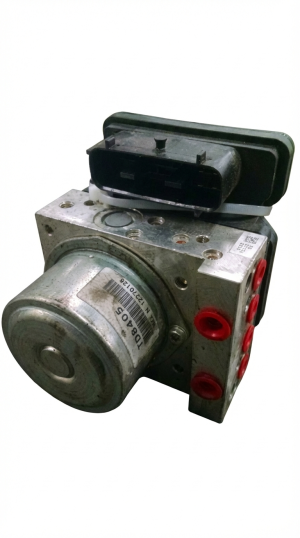
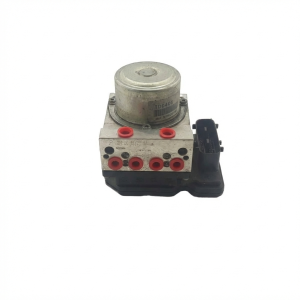
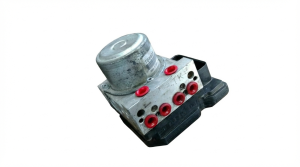
The ABS module and pump assembly is typically located in the engine bay, attached to the hydraulic control unit. You can identify it by the multiple metal brake lines running into it and a large electrical connector.
What's the difference between an AWD and FWD ABS module?
The modules for All-Wheel Drive (AWD) and Front-Wheel Drive (FWD) models are calibrated differently to account for the different drivetrain systems. They are not interchangeable. You must install a module that matches your vehicle's specific drivetrain configuration.
Technical Specifications
OEM Part Numbers: 47660-1KA4A 47660-1KA4B 47660-1KA4C 47660-3YM4C 476601KF4A 476601KF4B 476601KF4C 476603PU4B 476603PUOB
Compatibility is determined by vehicle drivetrain (AWD vs. FWD) and trim level (S, SL, SV). Not compatible with Nismo or Nismo RS trims.
We Have This Part in Stock

The information in this article is provided for general reference and educational purposes only. Vehicle specifications, procedures, and part compatibility can vary by production date, trim level, and region. Always consult your vehicle's factory service manual and verify part numbers before purchasing or performing repairs. Safety-critical components such as airbags, seat belts, and braking systems should be installed by a qualified professional.
- Nissan Juke: