

2005-2011 Murano ABS Module: Decoding Generations, Drivetrains, and Recalls
This guide clarifies the critical differences between first and second-generation Murano ABS modules, explains programming needs, and details important safety recalls.
- Compatibility is extremely complex. You must match the module to your Murano's generation (2005-2007 vs. 2009-2011), drivetrain (FWD/AWD), and options (VDC).
- A replacement module is NOT plug-and-play. It requires calibration for the Steering Angle Sensor and G-Sensor using a dealer-level scan tool.
- A 2009 Murano recall (18V-916) addresses a defect where brake fluid could gel and cause valves to stick, leading to a soft brake pedal. The fix involves flushing the system with DOT 4 fluid.
- The most common failure codes are C1110 (Controller Failure) and C1111 (Pump Motor Failure), which usually require module replacement or repair.
Critical Compatibility Warning: First (Z50) vs. Second (Z51) Generation

The most common mistake when buying this part is getting a module from the wrong generation. The 2005-2011 year range spans two completely different Murano designs, and their ABS modules are not interchangeable.
- First Generation (Z50): 2005-2007 Models
- Second Generation (Z51): 2009-2011 Models (There was no 2008 Murano in the US market)
Warning: You must buy a module from the correct generation and that matches your vehicle's specific options. Installing the wrong module will result in it not working and warning lights on your dash.
First Generation (2005-2007) Compatibility
For these early models, compatibility is complex. You must match three things:
- Model Year: Be aware that for 2005 models, some parts have a mid-year split. A common compatibility note is for vehicles manufactured from December 2004 onward.
- Drivetrain: There are separate modules for Front-Wheel Drive (FWD) and All-Wheel Drive (AWD) models.
- VDC System: There are different modules for vehicles with and without Vehicle Dynamic Control (VDC), Nissan's stability control system.
Second Generation (2009-2011) Compatibility
Compatibility for the second generation is slightly simpler but still critical. The main factor is the drivetrain.
- Drivetrain: You must match the module to your vehicle's FWD or AWD system.
Symptoms of a Failing ABS Module

A bad ABS module will make its presence known, primarily through dashboard warning lights.
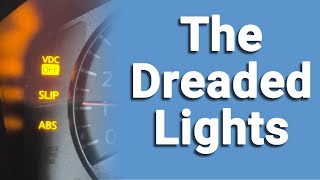
- ABS, VDC, and SLIP Lights: The most common symptom is having these three warning lights illuminated on your instrument cluster.
- Spongy or Long Brake Pedal: Some failures, particularly those related to internal valve issues, can cause the brake pedal to feel soft or travel further to the floor than normal.
- Pump Motor Runs Continuously: You may hear a buzzing or humming noise from the ABS pump (located in the engine bay) that continues to run even when the car is turned off. 🎬 Watch: How to fix an ABS pump that runs constantly This can drain the battery.
- ABS Activates Incorrectly: The ABS may engage unnecessarily at low speeds on dry pavement.
Common Diagnostic Trouble Codes (DTCs)
A professional scan tool can pull codes from the ABS module. The most common codes pointing to a failed module are:
- C1110: Controller Failure
- C1111: ABS Pump Motor Failure
Often, these two codes will appear together, indicating a fatal internal fault in the ABS pump and module assembly. For 2009 models, TSBs also address codes C1161 and C1162, which require a software update.
Known Issues, Recalls, and Service Bulletins

Several official campaigns and recalls affect the 2005-2011 Murano ABS system.
- NHTSA Recall 18V-916 (2009 Murano): A safety recall was issued for 2009 Murano models. A zinc coating inside the ABS unit could react with DOT 3 brake fluid, creating a gel-like substance that causes valves to stick open. This could lead to increased brake pedal travel and a higher risk of a crash. The fix involves flushing the system, refilling with DOT 4 brake fluid, and potentially replacing the ABS actuator assembly.
- Voluntary Service Campaign P0A08 (2010-2014 Murano): Nissan issued a service campaign for later models to flush the original DOT 3 brake fluid and replace it with DOT 4 fluid, as well as inspect the ABS actuator. This was likely done to prevent the issues seen in the 2009 models.
- Fire Risk in Later Models: While outside this specific year range, it's important to know that 2015-2018 Muranos were recalled because the ABS actuator pump seal could leak brake fluid onto the internal circuit board, creating a fire risk. If you see any signs of brake fluid leakage on or around the ABS module you are inspecting, do not buy it.
Buying a Used 2005-2011 Murano ABS Module

Given the high cost of a new module, a used OEM unit is a smart choice. Here’s what to look for.
1. Match the Part Number EXACTLY
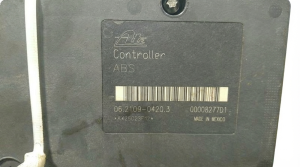
This is the most important rule. Due to the many variations, the only way to ensure compatibility is to match the OEM part number from your original module to the one you are buying. Do not rely on visual similarity alone.
2. Verify Generation, Drivetrain, and Options
Double-check that the donor vehicle matches your car's year range (Z50 or Z51), drivetrain (FWD or AWD), and, for 2005-2007 models, whether it has VDC.
3. Inspect for Leaks and Corrosion
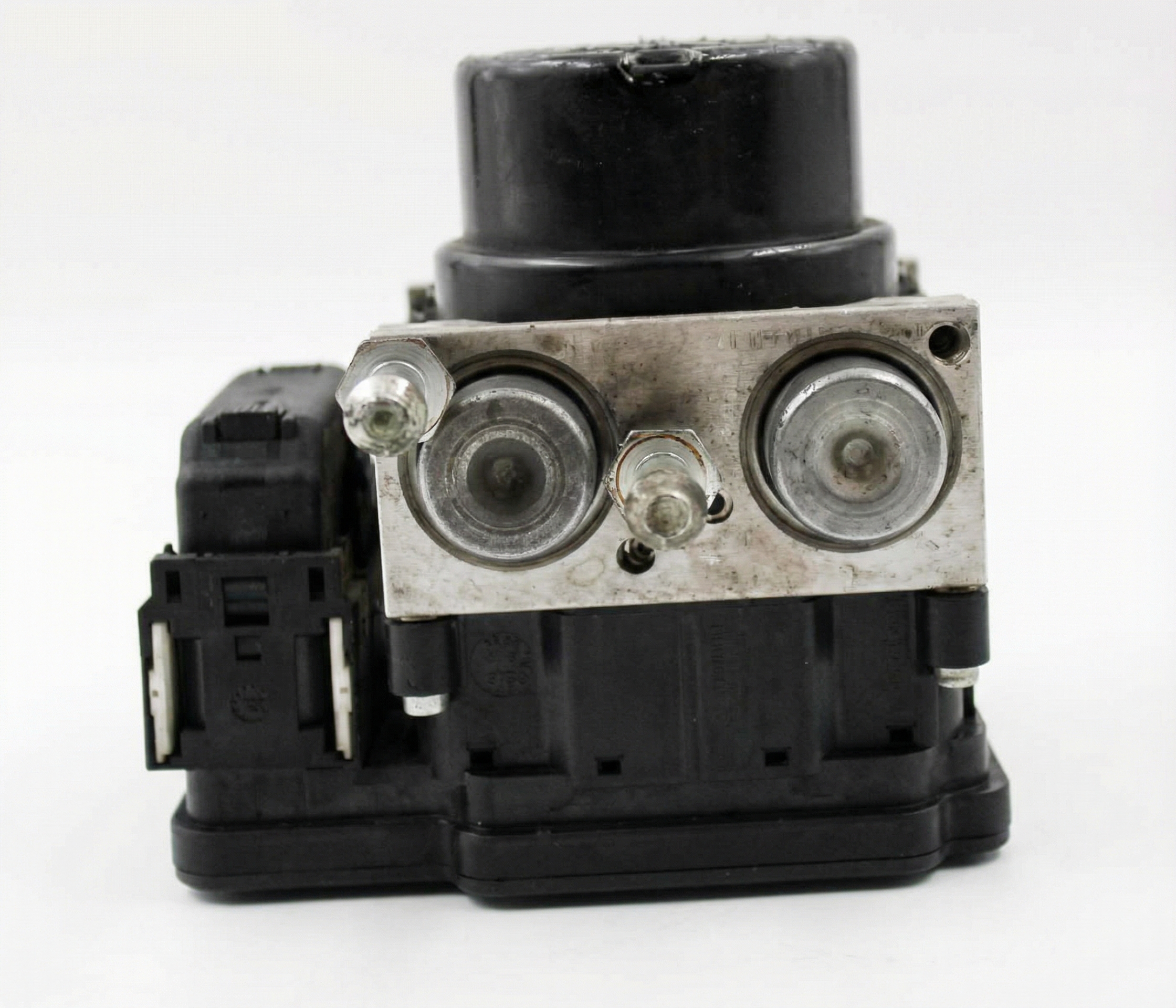
Physically inspect the used module. Look for any signs of brake fluid stains, especially around the seams and electrical connector. A leaky module is a fire risk and should be avoided. Check the electrical connector pins for any green or white corrosion.
4. Why Used OEM is a Good Choice
Used OEM modules were made to Nissan's original quality standards. As long as you get a non-leaking unit with a matching part number, it offers excellent value compared to the extremely high price of a new dealer part.
Programming and Calibration: Is a Dealer Visit Required?
This is not a simple plug-and-play part. Some configuration is required after installation.
Pro Tip: The easiest way to avoid programming is to have your original module repaired by a specialist service. Since the module is returned to the same car, it retains its original coding and is truly plug-and-play.
If you install a replacement module (new or used), you will need access to a Nissan CONSULT diagnostic tool or a high-end professional scan tool to perform calibration procedures. According to Nissan Technical Service Bulletin NTB10-113a for the 2009 Murano, the following procedures are required after working on the ABS unit:
- Steering Angle Sensor Neutral Position Adjustment
- DECEL G Sensor Calibration
Without performing these calibrations, the VDC and traction control systems may not function correctly, and you may still have warning lights on the dash. While some independent shops can perform this, a Nissan dealer is guaranteed to have the correct tools.
Replacement Cost Comparison
Prices can vary significantly based on the source.
| Part Source | Estimated Cost |
|---|---|
| New OEM (Dealer) | $1,000 - $2,000+ |
| Used OEM (Recycled) | $75 - $250 |
| Remanufactured / Repair Service | $350 - $500 |
| Shop Labor for Installation & Calibration | $250 - $500 |
Frequently Asked Questions (FAQ)
Can I drive my Murano with the ABS light on?
You can, but with extreme caution. When the ABS light is on, your anti-lock brakes, traction control, and stability control are disabled. Your brakes will function like those on an older car without ABS, meaning the wheels can lock up and skid during a panic stop, especially on wet or slippery surfaces. If the recall for leaking fluid applies to your vehicle or you see a leak, Nissan recommends parking the vehicle outdoors and having it towed to a dealer.
Do I need to bleed the brakes after replacing the ABS module?
Yes, absolutely. Replacing the ABS module involves opening the hydraulic brake lines. The entire brake system must be thoroughly bled to remove all air. This process often requires a scan tool to cycle the ABS pump and valves to ensure all trapped air is purged from the module itself.
What's the difference between VDC, TCS, and ABS?
They are all controlled by the same module. ABS (Anti-lock Braking System) prevents wheels from locking during braking. TCS (Traction Control System) prevents wheels from spinning during acceleration. VDC (Vehicle Dynamic Control) is a stability system that can apply brakes to individual wheels to prevent the car from spinning out or sliding sideways in a turn.
Could my ABS light just be a bad wheel speed sensor?
Yes. A faulty wheel speed sensor is a common and much cheaper problem that can also trigger the ABS, VDC, and SLIP lights. Before replacing the entire ABS module, it is essential to have the vehicle scanned for codes to see if the fault is with a specific sensor 🎬 Watch: How to diagnose SLIP, VDC, and ABS warning lights or with the module itself. Replacing a wheel speed sensor is a much simpler and less expensive repair.
Helpful Videos
Technical Specifications
OEM Part Numbers: 47660-CA166 47660-CB670 47660-CB676 47660-CB845 476601AA6B 476601AA6C 476601SW0C 47660-CA100 47660-CB840 47660-1AA5B 47660-1SW0B 476601AA0B
The system was originally designed for DOT 3 brake fluid, but recalls and service campaigns recommend upgrading to DOT 4 brake fluid to prevent internal component degradation.
We Have This Part in Stock

The information in this article is provided for general reference and educational purposes only. Vehicle specifications, procedures, and part compatibility can vary by production date, trim level, and region. Always consult your vehicle's factory service manual and verify part numbers before purchasing or performing repairs. Safety-critical components such as airbags, seat belts, and braking systems should be installed by a qualified professional.
- Nissan Murano:
- 🎬 Helpful Videos
- 🛍️ Shop This Part
- Critical Compatibility Warning: First (Z50) vs. Second (Z51) Generation
- First Generation (2005-2007) Compatibility
- Second Generation (2009-2011) Compatibility
- Symptoms of a Failing ABS Module
- Common Diagnostic Trouble Codes (DTCs)
- Known Issues, Recalls, and Service Bulletins
- Buying a Used 2005-2011 Murano ABS Module
- 1. Match the Part Number EXACTLY
- 2. Verify Generation, Drivetrain, and Options
- 3. Inspect for Leaks and Corrosion
- 4. Why Used OEM is a Good Choice
- Programming and Calibration: Is a Dealer Visit Required?
- Replacement Cost Comparison
- Frequently Asked Questions (FAQ)
- 🎟️ Get 5% Off