

2008-2016 Nissan Rogue & Rogue Select ABS Module: AWD/FWD Mismatches and Programming
This guide covers the common failures, critical compatibility warnings, and mandatory programming steps for the ABS control module in the 2008-2016 Nissan Rogue and 2014-2015 Rogue Select.
- A replacement ABS module MUST be programmed to your vehicle's VIN by a dealer or qualified shop; it is not a plug-and-play part.
- Compatibility is critical: you must match the part number AND verify if it's for an All-Wheel Drive (AWD) or Front-Wheel Drive (FWD) model.
- For 2014-2015 models, check if the part is for a Japan-built (VIN starts with 'J') or North American-built vehicle.
- Before replacing the expensive module, always diagnose simpler issues first, like faulty wheel speed sensors, which cause similar symptoms.
Known Issues, Recalls, and Technical Service Bulletins (TSBs)
While there are no widespread recalls specifically for ABS module failure on the 2008-2016 Nissan Rogue and 2014-2015 Rogue Select, these vehicles have been subject to braking system-related service campaigns and investigations. It's important to distinguish between a faulty ABS module and other related issues.
- Technical Service Bulletin NTB14-115c: This TSB applies to the 2014-2015 Nissan Rogue (T32 platform) but explicitly excludes the Rogue Select (S35 platform). It states that whenever the ABS actuator and electric unit (the module) is replaced, it must be manually configured using the Nissan CONSULT diagnostic tool. Failure to perform this configuration will result in Diagnostic Trouble Code (DTC) C1170 (VARIANT CODING) and the ABS system will not function.
- Technical Service Bulletin NTB10-145B: This general bulletin applies to most Nissan vehicles from 2005-2023 and provides a diagnostic flow chart for the common U1000 (CAN COMM CIRCUIT) code. It advises technicians not to replace the ABS module based solely on this code without further diagnosis.
- NHTSA AEB Investigation (2017-2018 Models): While this investigation targeted newer models, it highlights potential issues with Nissan's braking software. The investigation looked into complaints of the Automatic Emergency Braking (AEB) system engaging unexpectedly. This underscores the complexity of modern braking systems and the importance of accurate diagnosis.
Symptoms of a Failing ABS Control Module
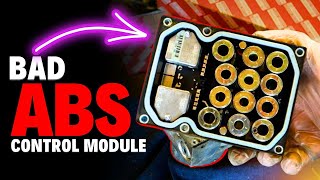
A bad ABS module can manifest in several ways, but the most common sign is the illumination of dashboard warning lights. 🎬 Watch: 6 common symptoms of a failing ABS control module However, it's crucial to diagnose the problem properly, as many symptoms can also be caused by less expensive components like a faulty wheel speed sensor.
- ABS Warning Light On: This is the most direct indicator of a problem within the anti-lock braking system.
- Traction Control/VDC/Slip Light On: Since the ABS module controls traction and stability systems, a fault will usually disable these features and trigger their respective warning lights.
- Brake Warning Light On: In some cases, the general brake warning light may illuminate alongside the ABS light, potentially indicating a more serious issue or low brake fluid.
- Wheels Locking Up: The primary purpose of ABS is to prevent wheels from locking during hard braking. If your wheels lock and skid, the ABS system is not working.
- Unresponsive or Hard Brake Pedal: A failing module can sometimes affect the brake pedal feel, making it require more effort to press.
- Associated OBD-II Codes: A proper diagnosis requires a scanner capable of reading ABS codes. Common codes pointing to module failure include:
- C1110: ABS Actuator and Electric Unit Failure
- C1111: ABS Pump Motor Failure
- C1170: VARIANT CODING (indicates the module is not configured to the vehicle)
- U0121 / U1000: Lost Communication With ABS Control Module
Pro Tip: Before condemning the ABS module, always check for simpler issues first. Low brake fluid, blown fuses, and faulty wheel speed sensors can all trigger the ABS light and are much cheaper and easier to fix.
Buying a Used ABS Control Module
Purchasing a used OEM ABS module can save you a significant amount of money, but careful verification is essential to avoid buying an incompatible or non-functional part. For the Nissan Rogue and Rogue Select, compatibility is complex.
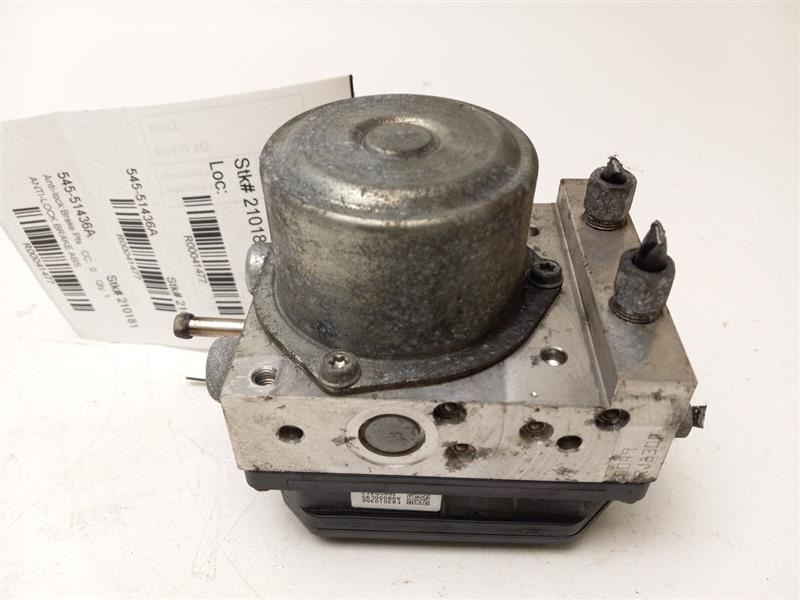
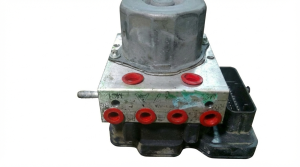
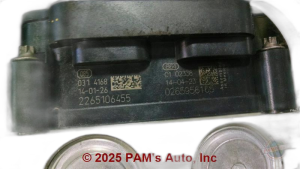
- Match Part Numbers Exactly: This is the most critical step. The part number is printed on a sticker on the module. Do not rely on visual similarity. Part numbers can have small variations (e.g., ending in A, B, C) that denote different software or hardware revisions.
- Verify Drivetrain: All-Wheel Drive (AWD) vs. Front-Wheel Drive (FWD): The ABS modules for AWD and FWD models are not interchangeable. The module for an AWD vehicle is programmed to work with the AWD control unit. Installing the wrong one will cause system failures and warning lights. The provided buyer warnings confirm this is a major point of confusion.
- Check VIN-Specific Details (2014-2015 Models): For 2014-2015 models, some parts are specific to the vehicle's country of origin. As noted in the provided warnings, modules for Japan-built vehicles (VIN starting with 'J') can be different from those built in North America (VIN starting with '5'). Always verify this detail.
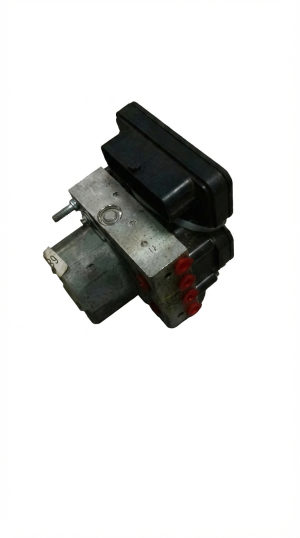
- Inspect for Physical Damage: Check the electrical connector pins for any signs of corrosion, bending, or damage. Inspect the hydraulic block for cracks or evidence of leaking brake fluid.
- Why Used OEM is Often a Good Choice: A used, tested OEM module is designed specifically for your vehicle's software and hardware. Cheap aftermarket units may not have the same quality control and can cause communication errors with other vehicle systems. Given the mandatory programming for these models, starting with a genuine OEM part is the safest bet.
Warning: A used ABS module will always require programming to your vehicle's VIN. Claims of "pre-programmed" or "plug-and-play" used modules are generally misleading, as programming must be done with the module installed in the target car.
Programming and Calibration Requirements
A replacement ABS control module for the 2008-2016 Rogue and 2014-2015 Rogue Select MUST be programmed and configured to the vehicle. This is not an optional step.
An unprogrammed module will not communicate with the vehicle's other computers, leaving the ABS, traction control, and stability control systems disabled and the warning lights illuminated. The vehicle stores a DTC C1170 if configuration is not performed.
- Who can program it?
- Nissan Dealership: They have the proprietary Nissan CONSULT diagnostic tool and are the most reliable, albeit often most expensive, option.
- Independent Repair Shops: Many professional shops now have J2534 Pass-Thru devices that allow them to use the official Nissan software to program modules. It is crucial to ask specifically if they have the capability to program a Nissan ABS module before having them perform the work.
- DIY: This is not a feasible DIY task for the average home mechanic due to the need for expensive, specialized diagnostic tools and software subscriptions.
Cost Breakdown for Replacement
Prices can vary based on location and the specific part number required. The following are estimates to help you understand the potential costs.
| Part Type | Estimated Cost |
|---|---|
| New OEM | $1,000 - $1,500+ |
| New Aftermarket | $400 - $800 |
| Used OEM | $75 - $300 |
| Remanufactured (Repair Service) | $250 - $600 |
| Shop Labor (Installation & Programming) | $200 - $400 |
Frequently Asked Questions (FAQ)
Can I drive my Rogue with a bad ABS module?
Yes, but with significant risks. Your normal hydraulic brakes will still work, but the anti-lock, traction control, and stability control features will be disabled. This means your wheels can lock up during a hard stop, increasing the risk of skidding and losing control, especially on wet or slippery roads. It is strongly recommended to get the issue repaired as soon as possible.
Do I have to bleed the brakes after replacing the ABS module?
Yes. The ABS module is a hydraulic component. When you replace the entire assembly (pump and module), you are opening the sealed brake fluid system. The system must be properly bled to remove all air bubbles. This often requires a specialized procedure using a scan tool to cycle the ABS pump and ensure all air is purged from the new unit.
The seller says their used module is "plug and play." Is that true?
No. For these Nissan models, this is false. The module is tied to the original vehicle's VIN and specific options (like AWD/FWD). A used module must be installed in your vehicle and then electronically configured by a technician with the proper tools to recognize your car's VIN.
My ABS light is on. Does that automatically mean I need a new module?
No, not at all. The most common cause of an ABS light is a faulty wheel speed sensor, which is much cheaper and easier to replace. Other potential causes include low brake fluid or a blown fuse. A proper diagnostic scan to read the specific trouble codes is the essential first step before replacing any parts.
Helpful Videos
Technical Specifications
OEM Part Numbers: 47660-9TB1A 47660-9TB1C 47660-9TB1D 47660-JM11C 47660-4BA6A 47660-4BF0A 47660-4BF6A 47660-5HA0A 47660-5HA0B 47660-5HA1A 47660-5HA1B 47660-6F42A 47660-6FK4B 47660-9TB0B 47660-9TB0D 47660-JM13A 47660-JM14A
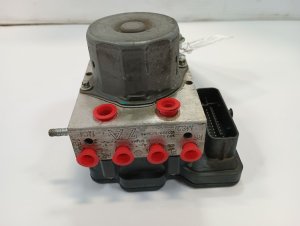
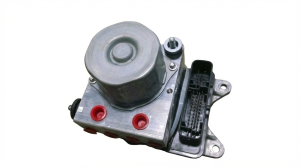
The ABS module consists of an electronic control unit (ECU) mated to a hydraulic pump and valve body assembly. It operates on the vehicle's 12V electrical system and communicates with other vehicle modules over the CAN bus network.
We Have This Part in Stock

The information in this article is provided for general reference and educational purposes only. Vehicle specifications, procedures, and part compatibility can vary by production date, trim level, and region. Always consult your vehicle's factory service manual and verify part numbers before purchasing or performing repairs. Safety-critical components such as airbags, seat belts, and braking systems should be installed by a qualified professional.
- Nissan Rogue:
- Nissan Rogue Select: