

2005-2012 Xterra & 2005-2011 Frontier ABS Module: Failure Symptoms and Replacement Guide
This guide covers the common failures, diagnostic codes, and critical compatibility details for the ABS control module in the Nissan Xterra and Frontier.
- Compatibility is critical: This specific module only fits 2-wheel drive, manual transmission models without VDC (Xterra) or ABLS (Frontier).
- A constantly running ABS pump is a definitive sign of module failure and will drain your battery.
- Programming is generally not required if you replace the module with a used unit that has the exact same OEM part number.
- A special scan tool is required to perform an 'ABS service bleed' to properly remove all air from the system after installation.
Symptoms of a Failing ABS Control Module


When the ABS module in a 2005-2012 Nissan Xterra or 2005-2011 Nissan Frontier begins to fail, you'll notice several distinct warning signs. Ignoring them can compromise your vehicle's safety systems.
🎬 Watch: 6 common symptoms and causes of module failure- ABS Warning Light: The most common symptom is an illuminated ABS warning light on your dashboard. The system performs a self-check every time you start the vehicle; if it detects a fault in the module or its related components, the light will stay on.
- ABS Pump Runs Constantly: You may hear a buzzing or humming sound from the engine bay that doesn't turn off, even when the vehicle is parked. This is often the ABS pump motor running continuously due to a failed relay or internal short inside the control module. This can drain your battery and burn out the pump motor. 🎬 See how to troubleshoot a constantly running ABS pump
- Brake Pedal Issues: The brake pedal may feel unusually hard to press or, conversely, feel spongy and unresponsive. This happens when the module fails to correctly manage the hydraulic pressure in the brake lines.
- Wheels Locking Up: During hard braking, especially on wet or loose surfaces, you may notice one or more wheels locking up and skidding. This indicates the anti-lock function is not working at all, and your vehicle has reverted to standard, non-ABS braking.
- Associated Warning Lights: Because the ABS module shares data with other systems, a failure can also trigger the traction control (TCS), stability control (VDC), or slip indicator lights.
Common Diagnostic Trouble Codes (DTCs)
A professional scan tool that can read ABS codes is necessary for proper diagnosis. Common codes pointing to a module or related system failure include:
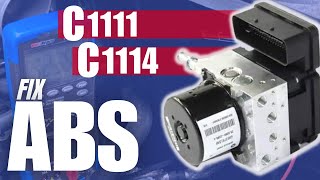
- C1111: ABS Pump Motor Failure. This is a very common code for this issue, often indicating an internal failure within the module assembly. 🎬 Watch this Nissan-specific diagnosis for ABS pump and relay faults
- C1109: Abnormal Battery Voltage. This code can be set if there's a power supply issue to the module, which could be caused by a bad fuse, wiring problem, or an internal fault in the module itself.
- C1101-C1108: These codes typically point to issues with the individual wheel speed sensors or their circuits. While not a direct module failure, a faulty sensor can mimic module problems, so it's important to diagnose them first.
Known Issues, Recalls, and Technical Service Bulletins (TSBs)

While there are no widespread recalls specifically for the ABS control module on these models, there are related issues to be aware of:
- IPDM Relay Failure (Recall): Some 2005-2006 Xterra and Frontier models were part of a recall for the Intelligent Power Distribution Module (IPDM). A faulty relay within this module could cause the engine to stall, which, while not an ABS issue, involves a critical electronic control unit on the vehicle.
- Front Crash Sensor Corrosion (Recall): A recall was issued for 2005-2009 models due to corrosion of the front airbag crash sensor, particularly in cold-weather states. This could cause the airbag warning light to illuminate.
- Lower Steering Column Joint Corrosion (Recall): Affecting some 2001-2005 Frontier and Xterra models, this recall addressed corrosion in the steering shaft that could lead to cracking.
No specific TSBs directly address the replacement of this particular ABS module, but general diagnostic procedures for ABS codes like C1111 are well-documented in Nissan service literature.
Buying a Used ABS Control Module
Purchasing a used OEM ABS module is a cost-effective way to restore your vehicle's braking system. However, careful verification is essential to ensure you get the right part.
Warning: Compatibility is extremely specific. This module assembly is designed for 2-wheel drive (4x2) models with a manual transmission only. It will not work on 4x4 or automatic transmission vehicles. You must also verify your vehicle's specific options.
Verification Checklist:
- Match the Part Number: The most reliable way to ensure compatibility is to match the OEM part number from your original module to the replacement. Known part numbers for this specific application include 47660-9CD3D, 476609CD3D, 47660EA005, and 47660ZP34C.
- Check Vehicle Options:
- For a 2005-2011 Nissan Frontier, this part fits V6 models WITHOUT Active Brake Limited Slip (ABLS).
- For a 2005-2012 Nissan Xterra, this part fits models WITHOUT Vehicle Dynamic Control (VDC). It is typically found on the base 'X' trim level.
- Physical Inspection: When you receive the used module, inspect it for any signs of physical damage, such as cracks in the plastic housing or corrosion on the electrical connector pins. Ensure the pump and valve body are intact and show no signs of leaking brake fluid.
- Why Used OEM is a Good Choice: For a complex electronic and hydraulic part like an ABS module, a used OEM unit that has been tested is often more reliable than a new, unproven aftermarket part. OEM units were designed and validated by Nissan for your specific vehicle, ensuring proper fit and function.
Replacement & Programming

Does this module need to be programmed?
For this generation of Nissan trucks, a direct replacement with a used module of the exact same part number generally does not require programming or flashing. The vehicle's configuration data is not stored in a way that prevents a swap with an identical unit. However, after installation, it is critical to properly bleed the entire brake system, including the ABS hydraulic unit. A professional-grade scan tool is often required to cycle the ABS pump and valves to purge all air from the system.
Pro Tip: While VIN programming isn't typically required, some advanced scan tools have an "initialization" or "calibration" procedure that should be performed after replacement to ensure the system recognizes the new hardware correctly.
Replacement Overview
Replacing the ABS module assembly is a moderately difficult job, primarily because it involves opening the hydraulic brake system.
- Disconnect the Battery: Always disconnect the negative battery terminal before working on any electronic components.
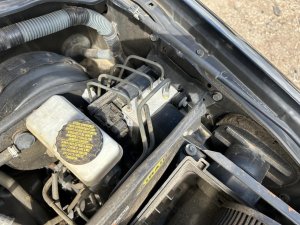
- Location: The ABS module assembly is located in the engine compartment, typically on the passenger side frame rail.
- Disconnect and Remove: Disconnect the main electrical harness. Carefully disconnect the multiple hard brake lines going into the hydraulic unit. Be prepared for brake fluid to spill; use rags to protect painted surfaces. Unbolt the assembly from its mounting bracket and remove it from the vehicle.
- Installation: Install the new module, reconnect the brake lines (start the threads by hand to avoid cross-threading), and plug in the electrical connector.
- Brake Bleeding: This is the most critical step. The system must be thoroughly bled to remove all air. This usually involves a standard bleeding procedure at all four wheels, followed by an "automated bleed" or "service bleed" procedure using a compatible scan tool to activate the internal solenoids and pump.
Cost of Replacement
The cost to replace the ABS module can vary significantly depending on the type of part used and labor rates.
| Part/Service | Estimated Cost |
|---|---|
| New OEM (Dealer) | $1000+ (many are discontinued) |
| New Aftermarket | $400 - $700 |
| Used OEM | $75 - $250 |
| Remanufactured | $200 - $400 |
| Shop Labor | $200 - $400 |
Frequently Asked Questions (FAQ)
Can I drive my Xterra or Frontier with a bad ABS module?
Yes, but with significant limitations. Your standard brakes will still function, but you will not have anti-lock capabilities. This means your wheels can lock up during a panic stop, increasing the risk of skidding and losing steering control, especially on slippery surfaces. The ABS, traction control, and stability control systems will be disabled.
Why is my ABS pump running all the time and draining my battery?
This is a classic sign of a failed ABS module. An internal electronic component, often a relay, gets stuck in the 'on' position, causing the pump to run continuously. The only way to stop it temporarily is to pull the main ABS fuse in the fuse box. The module will need to be repaired or replaced.
Do I need a special tool to bleed the brakes after replacing the module?
Yes, in most cases. To properly remove all air from the new ABS hydraulic unit, you need a bidirectional scan tool that can perform an "ABS Service Bleed" or "Automated Bleed" function. This electronically cycles the pump and valves to push trapped air out to the calipers, where it can be bled out normally. Failing to do this can result in a spongy or ineffective brake pedal.
Will a module from a 4x4 model work on my 4x2 truck?
No. The ABS modules are programmed differently for 4x2 and 4x4 applications, as well as for different options like VDC and ABLS. You must install a module that matches your vehicle's exact configuration and part number to ensure it functions correctly and safely.
Helpful Videos
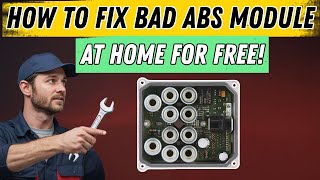
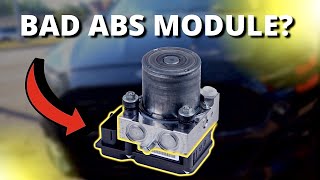
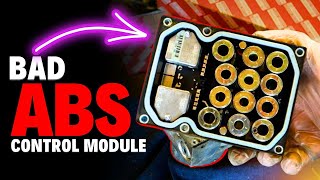
Technical Specifications
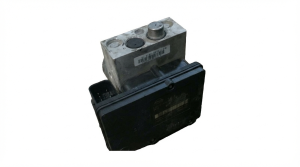
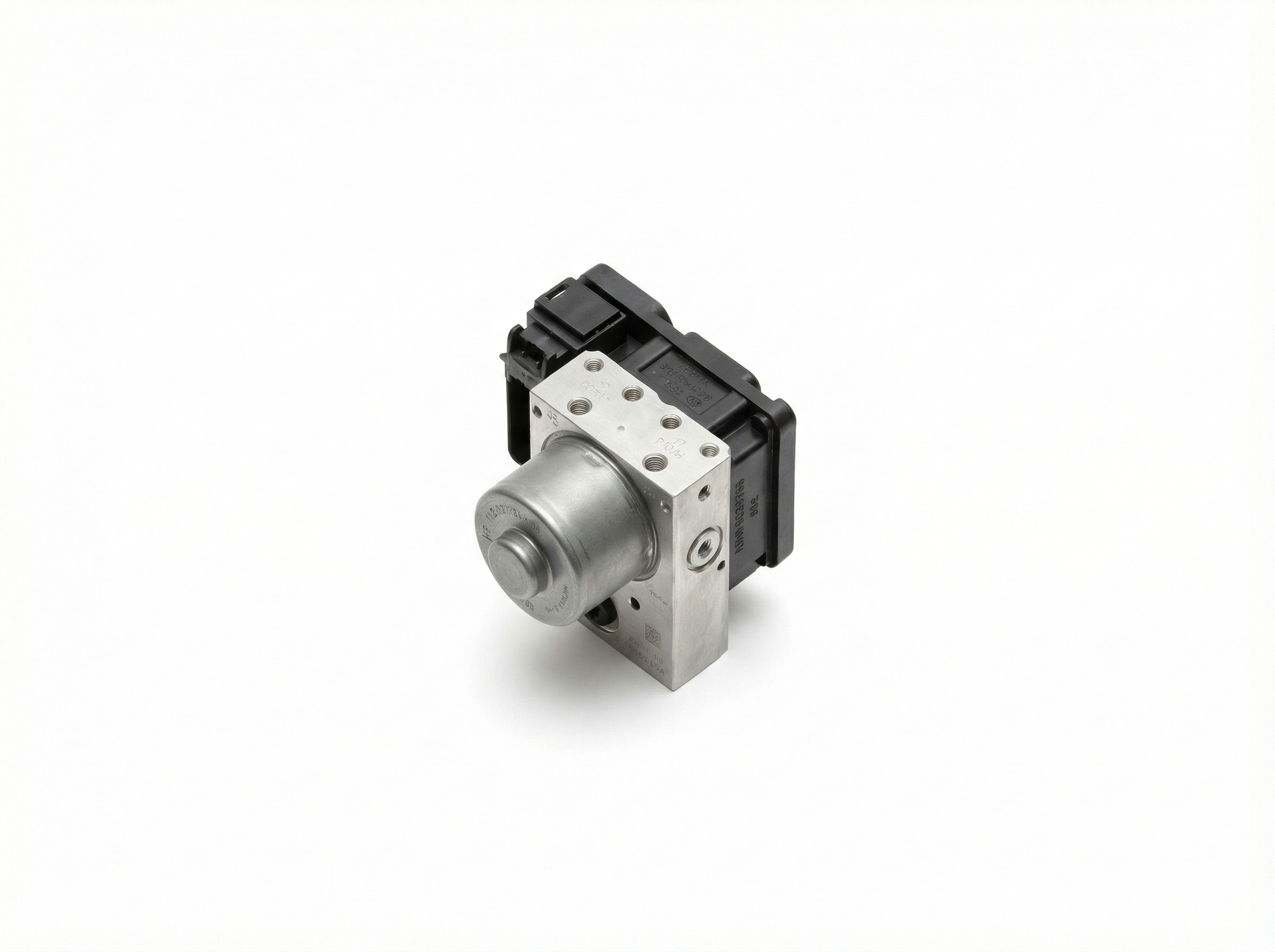
OEM Part Numbers: 47660-9CD3D 476609CD3D 47660EA005 47660ZP34C
Fits 2-wheel drive (4x2) models with manual transmission. Xterra: without Vehicle Dynamic Control (VDC). Frontier: V6 models without Active Brake Limited Slip (ABLS).
We Have This Part in Stock

The information in this article is provided for general reference and educational purposes only. Vehicle specifications, procedures, and part compatibility can vary by production date, trim level, and region. Always consult your vehicle's factory service manual and verify part numbers before purchasing or performing repairs. Safety-critical components such as airbags, seat belts, and braking systems should be installed by a qualified professional.
- Nissan Xterra:
- Nissan Frontier:
- 🎬 Helpful Videos
- 🛍️ Shop This Part
- Symptoms of a Failing ABS Control Module
- Common Diagnostic Trouble Codes (DTCs)
- Known Issues, Recalls, and Technical Service Bulletins (TSBs)
- Buying a Used ABS Control Module
- Verification Checklist:
- Replacement & Programming
- Does this module need to be programmed?
- Replacement Overview
- Cost of Replacement
- Frequently Asked Questions (FAQ)
- 🎟️ Get 5% Off