

2011-2018 Subaru Forester ABS Module: Decoding VDC Lights, EyeSight, and Programming
This guide explains the common failures, complex compatibility issues with EyeSight, and essential programming steps for your Forester's ABS module.
- A replacement ABS module MUST be programmed to the vehicle's VIN and calibrated by a dealer or properly equipped independent shop.
- Compatibility is critical and complex; you must match the part number AND the vehicle's configuration (e.g., EyeSight vs. non-EyeSight).
- The common ABS, VDC, and Hill Assist warning lights are often caused by a cheaper, simpler failure like a bad wheel speed sensor or brake light switch, not the module itself.
- Driving with a faulty ABS module is possible, but you will not have anti-lock brakes or stability control, significantly reducing safety in emergency maneuvers or slippery conditions.
Symptoms of a Failing ABS Module

A problem with the ABS module in a 2011-2018 Subaru Forester rarely goes unnoticed. The most common sign is a combination of warning lights appearing on the dashboard.
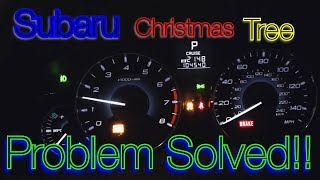
- ABS, VDC, and Hill Start Assist Lights On: This is the most frequently reported symptom. When the ABS module fails or can't communicate, it typically disables the Vehicle Dynamics Control (VDC) and Hill Start Assist systems, causing all three lights to illuminate simultaneously.
- Wheels Locking Up: The primary job of ABS is to prevent your wheels from locking during a hard stop. If the module has failed, this function will be disabled, and your wheels may lock and skid under heavy braking, especially on wet or slippery surfaces.
- Unresponsive or Stiff Brake Pedal: In some cases, a faulty module can affect the feel of the brake pedal, making it feel hard to press or unresponsive.
- ABS Pump Runs Constantly: You might hear the ABS pump motor running continuously, even when you are not braking. This can happen if the module is sending incorrect signals.
- Inaccurate Speedometer: Since the ABS module processes wheel speed sensor data, a failure can sometimes lead to an erratic or non-functional speedometer.
Is It Really the ABS Module? First, Check These Common Issues.
Before you condemn the expensive ABS module, it's critical to rule out more common and much cheaper problems that cause the exact same warning lights.
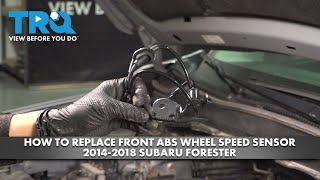
- Faulty Wheel Speed Sensor: A single bad wheel speed sensor is a very common cause for the ABS/VDC lights. A diagnostic scan tool that can read ABS codes can usually pinpoint exactly which sensor has failed. 🎬 See this walkthrough for replacing front wheel speed sensors.
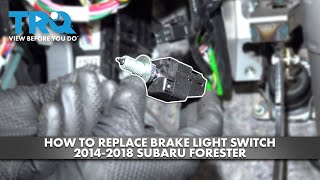
- Bad Brake Light Switch: A faulty brake light switch at the top of the brake pedal can also 🎬 Watch: How to replace the brake light switch yourself. trigger this trio of warning lights. This is a well-documented issue on many Subaru models.
- Low Battery Voltage: Subarus are known to be sensitive to battery voltage. A weak or dying battery can cause a host of random electrical issues, including setting communication fault codes in the ABS module like C0042 (Power Supply Voltage Failure) and C0057 (Communication Error). Always ensure your battery and charging system are healthy before diagnosing control modules.
Known Issues, Recalls, and Technical Service Bulletins (TSBs)

While there have been no major recalls specifically for the ABS control module on the 2011-2018 Forester in the North American market, it's always wise to check the NHTSA website with your vehicle's VIN for any open recalls.
A relevant Technical Service Bulletin (TSB) indicates that Subaru made the ABS control module available for replacement separately from the much more expensive hydraulic control unit, which it is bolted to. Previously, they were often sold only as a complete and costly assembly.
Common Diagnostic Trouble Codes (DTCs)
To properly diagnose the system, you need a scan tool capable of reading Chassis ("C") codes. Common codes associated with these issues include:
- C0042: Power Supply Voltage Failure - Often indicates a past or present battery issue.
- C0057: VDC Control Interruption / CAN Communication Error - A generic code indicating the ABS module lost communication with another system, like the engine computer. Can be caused by a low battery.
- C0071: Steering Angle Sensor Malfunction - The steering angle sensor is a key input for the VDC system. A fault here will disable VDC.
- Codes for specific sensors: You may also see codes pointing to a specific wheel speed sensor (e.g., C0024 for Front Left) or a solenoid within the ABS hydraulic unit.
Buying a Used 2011-2018 Forester ABS Module: What You Must Know

Purchasing a used ABS module can save you a significant amount of money, but it requires careful attention to detail. Incompatibility is a major risk.
Warning: Compatibility for this part is extremely complex. Do not purchase a module based on vehicle year alone. You must verify the part number and system configuration.
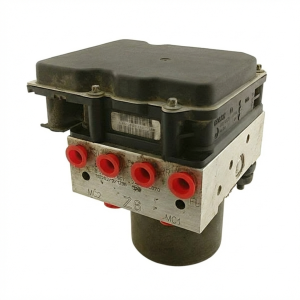
- Match the Part Number EXACTLY: The single most important step is to match the OEM part number from your original module to the used one you are buying. The part number is printed on a sticker on the module. Even a one-digit difference can mean the part is for a different trim level or system and will not work.
- EyeSight vs. Non-EyeSight: Modules for Foresters equipped with the EyeSight driver-assist system are different from those without it. They have different programming and hardware to integrate with the pre-collision braking system. Ensure the donor vehicle's options match your own.
- Transmission and Engine: Compatibility can also depend on the engine (2.0L Turbo vs. 2.5L) and transmission (Manual vs. Automatic/CVT). Always cross-reference the part number.
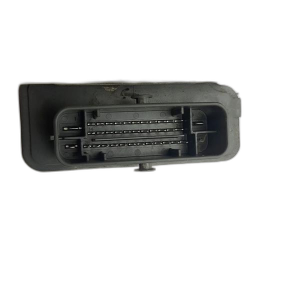
- Physical Inspection: When you receive the part, inspect it for any signs of damage. Check for corrosion on the aluminum housing, bent or corroded connector pins, and cracks in the plastic electrical connector.
- Why Used OEM is a Good Choice: A used OEM module was designed and programmed by Subaru specifically for your vehicle's systems. While new aftermarket modules exist, they can sometimes have communication or quality issues. A tested, warrantied used OEM module is often a more reliable and cost-effective choice than a cheap new alternative.
Programming and Calibration Requirements

Pro Tip: This module is NOT plug-and-play. A replacement module, whether new or used, must be programmed to your vehicle's VIN and calibrated to its systems.
After the replacement module is physically installed, it must be electronically configured to work with your specific car. This process typically involves:
- VIN Programming: The module's software must be updated with your car's Vehicle Identification Number (VIN).
- Calibration: Sensors that work with the ABS system, such as the steering angle sensor and yaw rate sensor, may need to be calibrated. This tells the module the vehicle's baseline 'zero' position.
Who Can Program the Module?
- Subaru Dealerships: A dealer is the most straightforward option. They have the proprietary Subaru Select Monitor (SSM) diagnostic tool and guaranteed access to the correct software.
- Independent Repair Shops: Many professional independent shops now have the necessary tools. They can use a J2534 pass-thru device along with a subscription to the Subaru SSM4 software to perform the same programming and calibration functions as a dealer. 🎬 Watch: How a technician programs the ABS module software. It is wise to call ahead and confirm the shop has this specific capability for Subaru vehicles.
It is generally safe to install the module yourself and then drive the vehicle carefully to a shop for programming. The basic brakes will work, but you will not have ABS or VDC functionality until the programming is complete.
Replacement Cost Comparison
The cost to replace a Forester ABS module can vary widely based on the part source and labor rates.
| Part / Service | Estimated Cost |
|---|---|
| New OEM Module | $1000 - $1500+ |
| New Aftermarket Module | $400 - $800 |
| Remanufactured (Your original unit repaired) | $300 - $450 |
| Used OEM Module | $75 - $300 |
| Shop Labor (Installation & Bleeding) | $200 - $400 |
| Shop Labor (Programming & Calibration) | $100 - $250 |
Frequently Asked Questions (FAQ)
Do I have to program a replacement ABS module for my Forester?
Yes, absolutely. Any replacement module, whether it is new, used, or remanufactured (unless it is your original unit being repaired and sent back), must be programmed to your vehicle's VIN and have its associated sensors calibrated. Failure to do so will result in the module not working and the warning lights remaining on.
My ABS, VDC, and Hill Assist lights are all on. Is the module definitely bad?
Not necessarily. In fact, it's more likely that a less expensive part has failed. The most common culprits for this specific combination of lights are a faulty wheel speed sensor or a bad brake light switch. Always perform a proper diagnosis by reading the ABS fault codes before replacing the entire module.
What is the difference between an ABS module for a Forester with EyeSight and one without?
The ABS module on an EyeSight-equipped Forester is more complex. It integrates directly with the EyeSight system to manage pre-collision braking functions. The hardware and software are different, and the modules are not interchangeable. You must use a module designed for your vehicle's specific configuration.
Can I install the module myself and drive it to the dealer for programming?
Yes. An experienced DIY mechanic can physically replace the module, which involves disconnecting the battery, unplugging the electrical connector, and carefully removing and replacing the brake lines. After installation and bleeding the brakes, the car can be driven, but you will only have standard, non-ABS braking. Drive cautiously to a dealer or qualified shop to have the programming and calibration completed.
Helpful Videos
Technical Specifications
OEM Part Numbers: 27536SC070 27536SG150 27536SG230 27536SG290 27596SC070 27596SG150 27596SG151 27596SG230 27596SG280 27596SG281 27596SG290
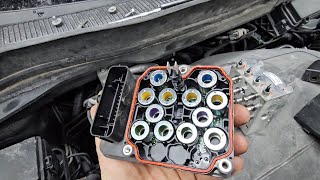
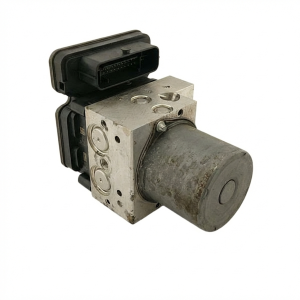
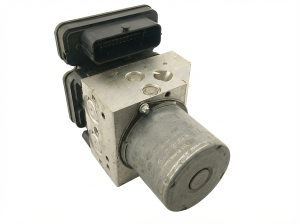
The module is typically an aluminum and plastic housing bolted directly to the ABS hydraulic pump assembly, located in the engine compartment.
We Have This Part in Stock

The information in this article is provided for general reference and educational purposes only. Vehicle specifications, procedures, and part compatibility can vary by production date, trim level, and region. Always consult your vehicle's factory service manual and verify part numbers before purchasing or performing repairs. Safety-critical components such as airbags, seat belts, and braking systems should be installed by a qualified professional.
- Subaru Forester:
- 🎬 Helpful Videos
- 🛍️ Shop This Part
- Symptoms of a Failing ABS Module
- Is It Really the ABS Module? First, Check These Common Issues.
- Known Issues, Recalls, and Technical Service Bulletins (TSBs)
- Common Diagnostic Trouble Codes (DTCs)
- Buying a Used 2011-2018 Forester ABS Module: What You Must Know
- Programming and Calibration Requirements
- Who Can Program the Module?
- Replacement Cost Comparison
- Frequently Asked Questions (FAQ)
- 🎟️ Get 5% Off