

2007-2011 Toyota Tundra ABS Module: Decoding the VSC/TRAC Lights and Required Calibrations
Diagnose the common 'Christmas tree' dashboard lights and understand the critical difference between programming and the mandatory Zero Point Calibration for a successful replacement.
- Matching the OEM part number on the module is absolutely critical for compatibility. There are many variations based on cab type and model year.
- A mandatory 'Zero Point Calibration' is required after replacement. This can often be performed by a DIYer using the 'paperclip method'.
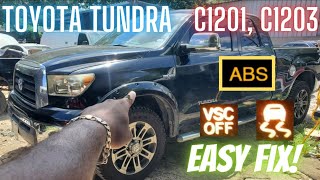
- The common 'Christmas tree' of ABS, VSC, and TRAC lights does not always mean the module is bad; faulty wheel speed sensors are also a very common cause.
- Unlike newer vehicles, VIN programming may not be necessary for this generation, making a used module a viable and cost-effective repair.
Symptoms of a Failing 2007-2011 Tundra ABS Module


When the ABS module fails, your truck will alert you with a distinct and often alarming combination of dashboard lights. However, it's important to know that other, less expensive parts can cause the exact same symptoms.
- ABS, VSC, and TRAC Lights On: The most common symptom is having the ABS, VSC, and TRAC warning lights all illuminate at the same time. This is the truck's standard way of indicating a fault in the braking control system.
- Flashing 4HI / 4LO Lights (4x4 Models): On four-wheel-drive models, a fault in the ABS system will often disable the 4WD system, causing the 4HI and 4LO indicator lights to flash.
- Brake Warning Light: The primary red 'BRAKE' warning light may also come on.
- Unchanged Braking in Normal Conditions: Your standard hydraulic brakes will continue to function. However, you will have no anti-lock, stability, or traction control functionality. The pedal may feel normal during regular driving.
- Audible Chimes or Buzzers: The truck may produce warning chimes when the lights first appear.
Important: These exact symptoms can also be caused by a faulty wheel speed sensor, a damaged sensor wire, a failing battery, or even a bad brake light switch. A proper diagnosis with a capable scan tool is essential before replacing the expensive ABS module.
Common Diagnostic Trouble Codes (DTCs)
To properly diagnose the issue, you need a scan tool that can read Toyota-specific ABS codes. A basic OBD-II code reader will often show no codes, even when the dash lights are on. Look for codes stored in the ABS/VSC/TRAC computer, such as:
- C1223: ABS Control System Malfunction
- C1241: Low or High Power Supply Voltage
- C1252: Brake Booster Pump Motor Malfunction
- C1253: Brake Booster Pump Motor Relay Malfunction
- C1256: Low Pressure Accumulator Malfunction
- U0121: Lost Communication With ABS Control Module
Known Issues, Recalls, and TSBs

While there have been numerous recalls and Technical Service Bulletins (TSBs) for the 2007-2011 Tundra, none directly address a widespread failure of the ABS control module itself. Most brake-related issues reported by owners stem from faulty wheel speed sensors or wiring, not the module. There are no active recalls for the ABS actuator assembly on these trucks.
Programming and Calibration Requirements

This is the most critical part of replacing the ABS module on a 2007-2011 Tundra, and a major point of confusion.
VIN Programming: Is It Required?
Unlike many newer vehicles, evidence suggests the 2007-2011 Tundra ABS module may not require VIN programming. Some repair services explicitly state that a replacement module is a "plug and drive" part regarding programming. This means you may be able to install a used module with a matching part number without needing a dealer's specialized Techstream software to code it to your truck. This is a significant advantage for DIY repair.
Zero Point Calibration: Absolutely Mandatory
Critical: After installing a new or used ABS module, you MUST perform a Zero Point Calibration. This procedure resets and calibrates the steering angle sensor, yaw rate sensor, and deceleration sensor, which are essential for the VSC and TRAC systems to function correctly. Skipping this step will leave the warning lights on and the safety systems disabled.
Pro Tip: DIY Zero Point Calibration (The Paperclip Method)
For many Toyota vehicles of this era, you can perform the Zero Point Calibration without a scan tool using a simple paperclip or jumper wire. This procedure involves shorting specific pins in the OBD-II port under the dashboard.
- Park on a level surface with the steering wheel pointed straight.
- Turn the ignition OFF.
- Use a paperclip to repeatedly connect and disconnect terminals TS and CG (pins 12 and 4) of the OBD-II port four times within eight seconds.
- The VSC light should turn on, indicating the old calibration data is cleared. Turn the ignition OFF.
- With the ignition still OFF, connect and leave the paperclip connected between terminals TS and CG.
- Turn the ignition ON. Wait for the VSC light to start blinking.
- After it blinks for a few seconds, turn the ignition OFF and remove the paperclip.
Note: This procedure can vary slightly. Always search for a video or guide specific to your model year to confirm the correct pins and steps.
Buying a Used 2007-2011 Tundra ABS Module
Given the extremely high cost of a new OEM module, a used unit is a very popular and practical choice. Here's what you need to know to buy the right part.
- MATCH THE PART NUMBER EXACTLY: This is the most important rule. Toyota used several different modules for this generation based on cab size (Regular, Double Cab, CrewMax), drive type (4x2 vs 4x4), and model year. The warnings in our database about conflicting fitments are due to these variations. Your replacement module must have the exact same OEM part number printed on its label as the original unit you are replacing.
- Inspect for Damage: Check the electrical connector pins for any signs of corrosion or damage. Ensure the housing isn't cracked and the brake line ports are clean and not cross-threaded.
- Source from a Reputable Seller: Buy from a seller that offers a warranty and has good reviews. This provides some protection if you receive a defective part.
- Why Used OEM is a Good Choice: For this part, a used OEM module is often a better choice than a new aftermarket one (which are rare anyway). You get the original Toyota quality and electronics, which are known to be compatible, for a fraction of the new price.
Verified OEM Part Numbers
The following part numbers were used on 2007-2011 Tundra models. This is not an exhaustive list. Always verify the number on your specific part.
| Part Number | Known Fitment Information |
|---|---|
| 44050-0C170 | Fits 2007-2008 Tundra models, often specified for CrewMax cabs. |
| 44050-0C171 | Fits 2007-2009 Tundra models. This part is superseded by 44050-0C172. |
| 44050-0C172 | Fits 2008-2010 Tundra models, often specified for CrewMax without a long bed. Replaces 44050-0C171. |
Cost of Replacement
The cost to fix a failed ABS module can vary dramatically depending on the route you take.
| Replacement Option | Estimated Cost |
|---|---|
| New OEM (Dealer) | $1,100 - $4,700 (Part only) |
| Remanufactured / Repair Service | $450 - $600 |
| Used OEM | $150 - $450 |
| Shop Labor | $200 - $300 |
Frequently Asked Questions (FAQ)
Do I have to program a used ABS module for a 2007-2011 Tundra?
Evidence suggests that unlike newer trucks, VIN programming is likely not required if you use a replacement module with the exact same part number. However, you absolutely MUST perform a Zero Point Calibration after installation for the system to work.
What is Zero Point Calibration and can I do it myself?
Zero Point Calibration is a process that teaches the VSC/TRAC systems the vehicle's 'neutral' position (driving straight on level ground). Yes, you can often do it yourself without a scan tool by using a paperclip to jump specific pins in the OBD-II port.
Why are my ABS, VSC, and TRAC lights all on at once?
This is the default warning for any malfunction detected by the integrated brake control system. The truck disables all three systems as a safety precaution. The cause could be the main module, but it is very often a much simpler and cheaper part like a wheel speed sensor or its wiring. Proper diagnosis is key.
Is it safe to drive with a bad ABS module?
Your truck will still stop using its conventional hydraulic brakes. However, you will have no anti-lock brakes, traction control, or stability control. This significantly increases the risk of skidding in a panic stop or losing control on slippery surfaces. It should be repaired as soon as possible.
Helpful Videos
Technical Specifications
OEM Part Numbers: 44050-0C170 44050-0C171 44050-0C172 440500C170 440500C400 44510-0C172
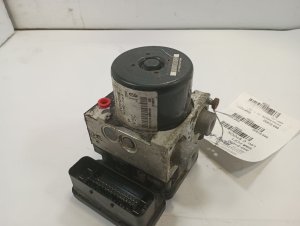
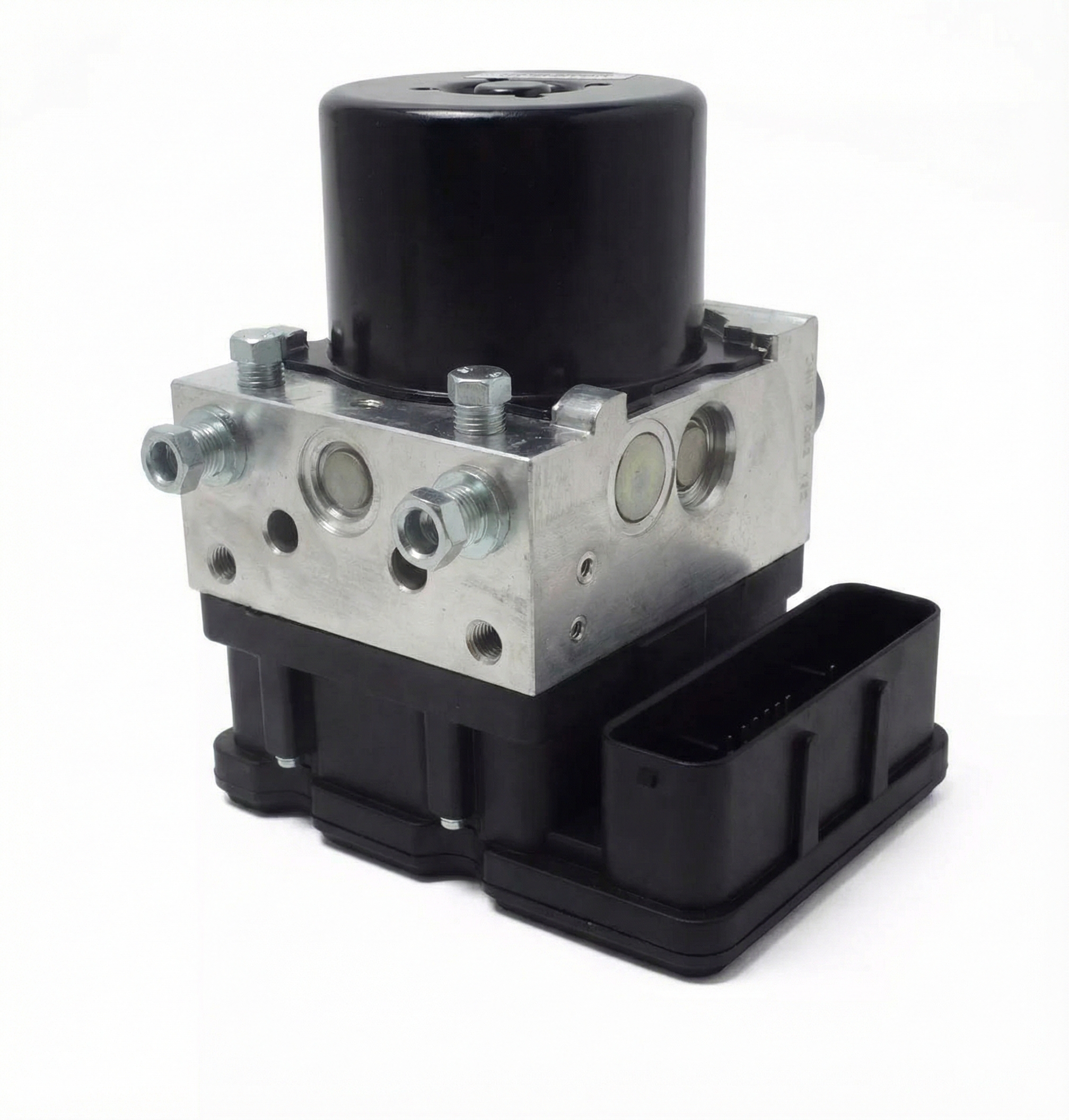
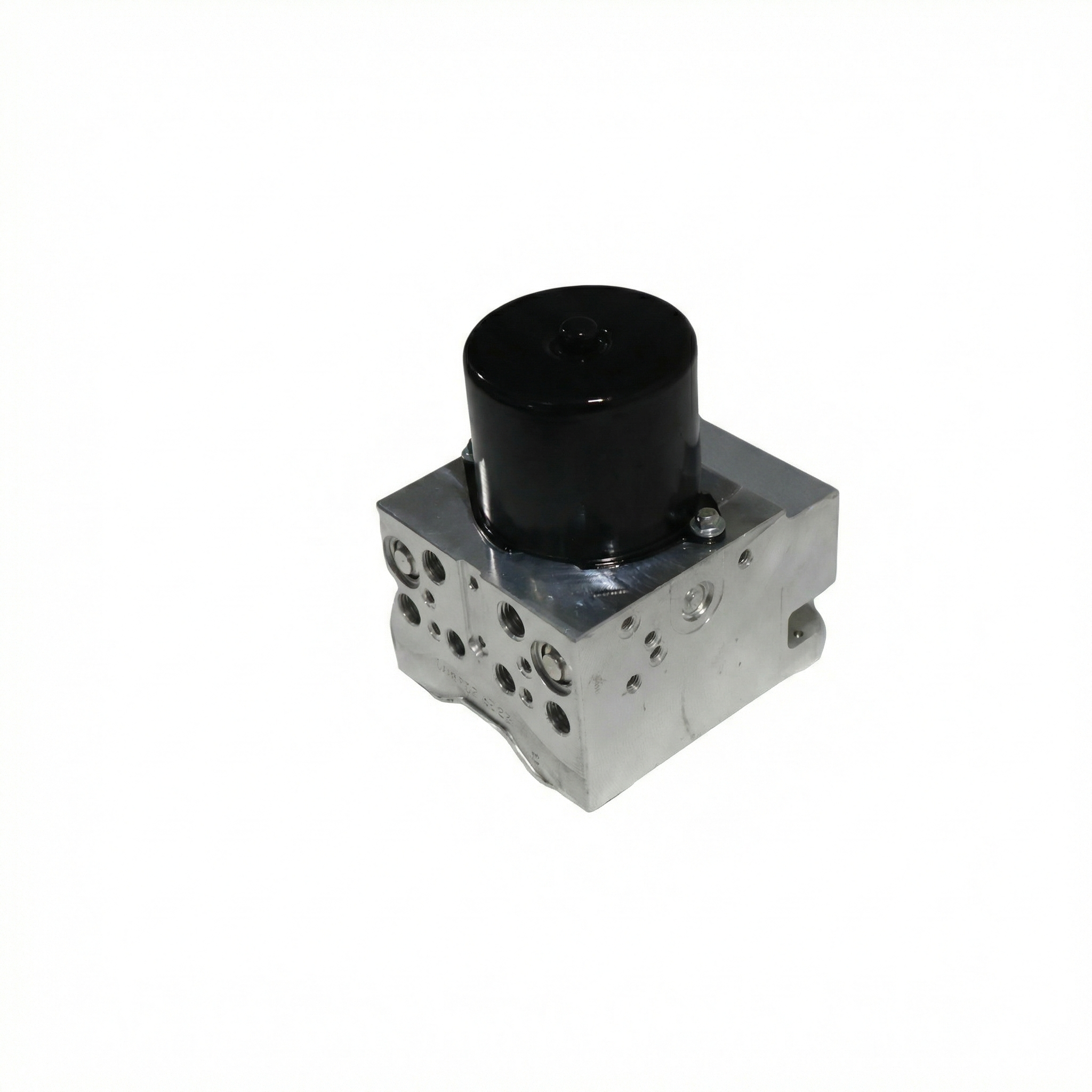
The unit is a combined hydraulic actuator and electronic control module. It controls brake fluid pressure for the ABS, VSC, and TRAC systems.
We Have This Part in Stock

The information in this article is provided for general reference and educational purposes only. Vehicle specifications, procedures, and part compatibility can vary by production date, trim level, and region. Always consult your vehicle's factory service manual and verify part numbers before purchasing or performing repairs. Safety-critical components such as airbags, seat belts, and braking systems should be installed by a qualified professional.
- Toyota Tundra:
- 🎬 Helpful Videos
- 🛍️ Shop This Part
- Symptoms of a Failing 2007-2011 Tundra ABS Module
- Common Diagnostic Trouble Codes (DTCs)
- Known Issues, Recalls, and TSBs
- Programming and Calibration Requirements
- VIN Programming: Is It Required?
- Zero Point Calibration: Absolutely Mandatory
- Buying a Used 2007-2011 Tundra ABS Module
- Verified OEM Part Numbers
- Cost of Replacement
- Frequently Asked Questions (FAQ)
- 🎟️ Get 5% Off